

Is Base Energy Worth It? Here’s What You Need to Know
Base energy plans from Base Power give Texas homeowners an affordable way to get backup power and lower electricity bills — without buying expensive equipment.
Here’s a quick summary before we dive in:
| Feature | Details |
|---|---|
| Who it’s for | Texas homeowners seeking backup power + lower energy bills |
| Installation cost | $695 (25 kWh) or $995 (50 kWh) |
| Monthly membership | $19/mo or $29/mo |
| Energy rate | 8.5¢/kWh + utility delivery fees |
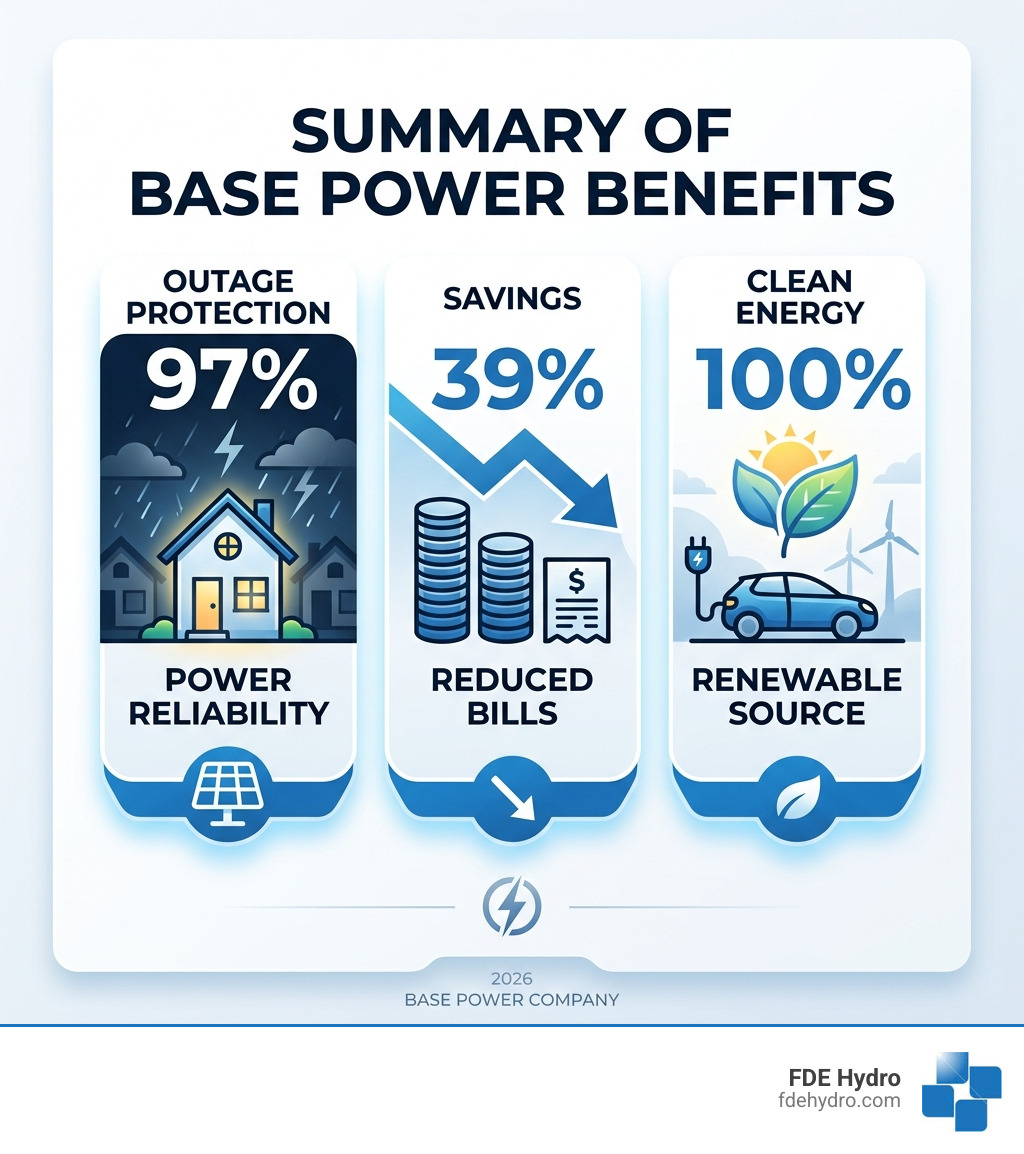
| Backup coverage | Protects against ~97% of outages |
| Contract length | 36 months |
| Solar required? | No |
| Availability | Texas (Oncor and CenterPoint service areas) |
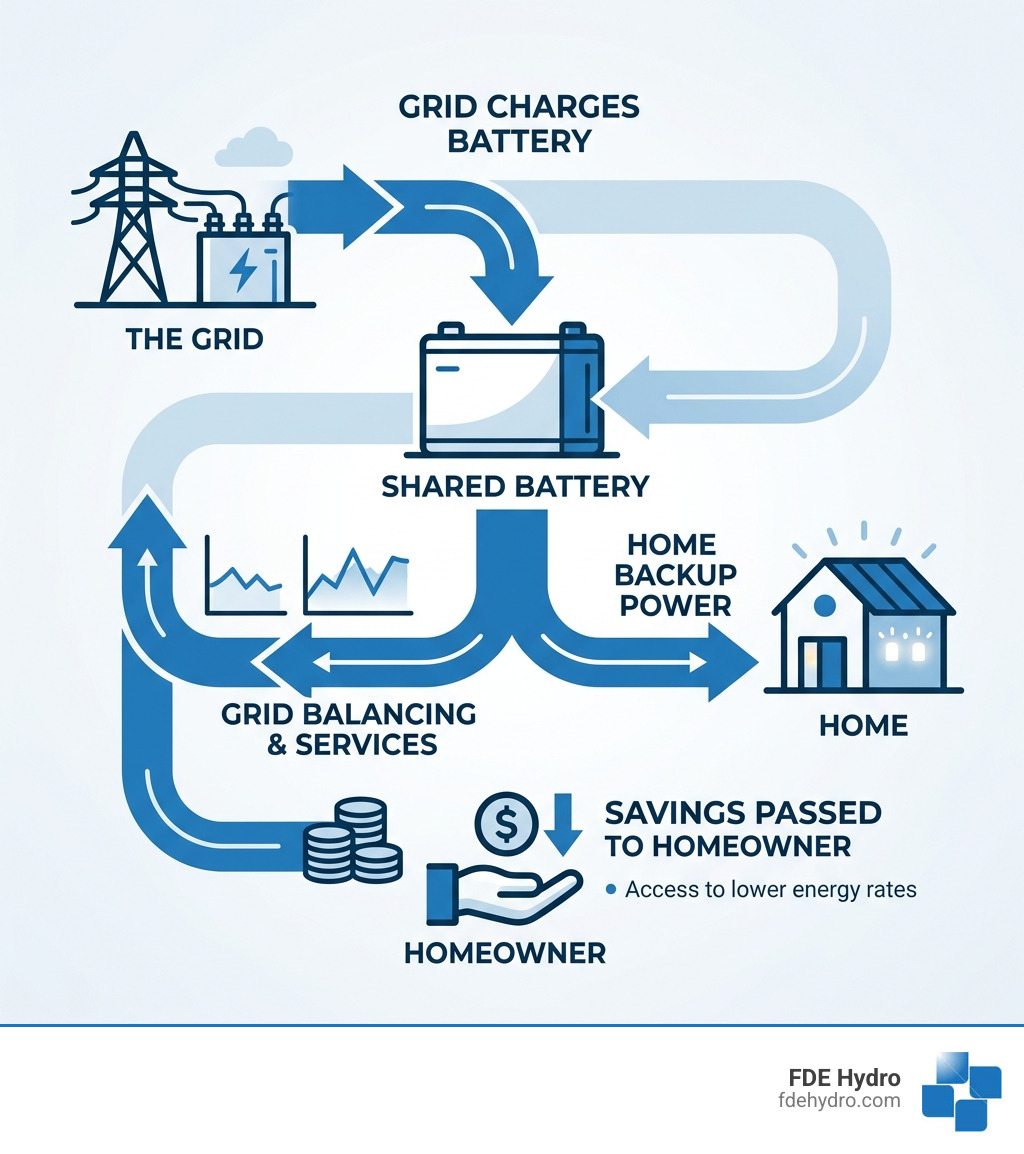
The idea is simple: Base Power installs a large battery at your home, uses it to help balance the grid, and passes the savings on to you in the form of lower energy rates. You get backup power. They earn revenue from grid services. Everyone wins — at least in theory.
But is it actually a good deal? That depends on your home, your energy usage, and how much you value having the lights on when your neighbors don’t.
The Texas grid has been under growing pressure — from record summer heat loads to the memory of Winter Storm Uri in 2021, when millions lost power for days. That history makes reliable home backup more than a convenience. For many families, it’s a priority.
I’m Bill French, Sr., Founder and CEO of FDE Hydro™, and I’ve spent decades working across heavy civil construction and clean energy infrastructure — including being selected by the U.S. Department of Energy to help define next-generation solutions for base energy and hydropower. In this review, I’ll break down exactly what Base Power offers, what it costs, and whether it delivers real value.
Easy base energy word list:
What is Base Power and How Does the Business Model Work?
At its core, Base Power is a technology-driven energy provider that treats residential homes as part of a massive, distributed power plant. In electrical engineering, we often talk about the base load—the minimum amount of electricity needed to keep the grid running 24/7. Historically, this was provided by massive, unvarying plants like coal, nuclear, or large-scale hydropower.
Base Power is modernizing this concept. By deploying thousands of distributed batteries across Texas, they are creating a Virtual Power Plant (VPP). Here is how the business model works:
- Distributed Batteries: Instead of building one giant, expensive natural gas peaker plant, Base installs 25 kWh or 50 kWh batteries at individual homes.
- Grid Balancing: When the Texas grid is under strain—like on a 105-degree August afternoon—Base can discharge energy from these batteries back into the grid. This helps prevent blackouts and reduces the need for expensive, high-emission peaker plants.
- Revenue Sharing: Base makes its money by selling these grid services (balancing and capacity) to the utility market. Because they earn revenue from the grid, they can afford to subsidize the cost of the battery for you.
- The CoServ Partnership: A prime example of this scale is their 100-MW partnership with the Denton County Electric Cooperative (CoServ). This network of home batteries provides the same capacity as a traditional gas-fired peaker plant but can be deployed in just two years, compared to the five years typically required for a gas plant.
By understanding what grid means in electrical engineering, we can see that Base Power isn’t just selling you electricity; they are inviting you to host a piece of the infrastructure that keeps the lights on for everyone.
Understanding Base Energy Plans and Pricing
When you look at a typical base energy bill in Texas, it’s often filled with “teaser rates” and “hidden fees” that disappear after three months. Base Power takes a different approach by offering fixed, transparent pricing.
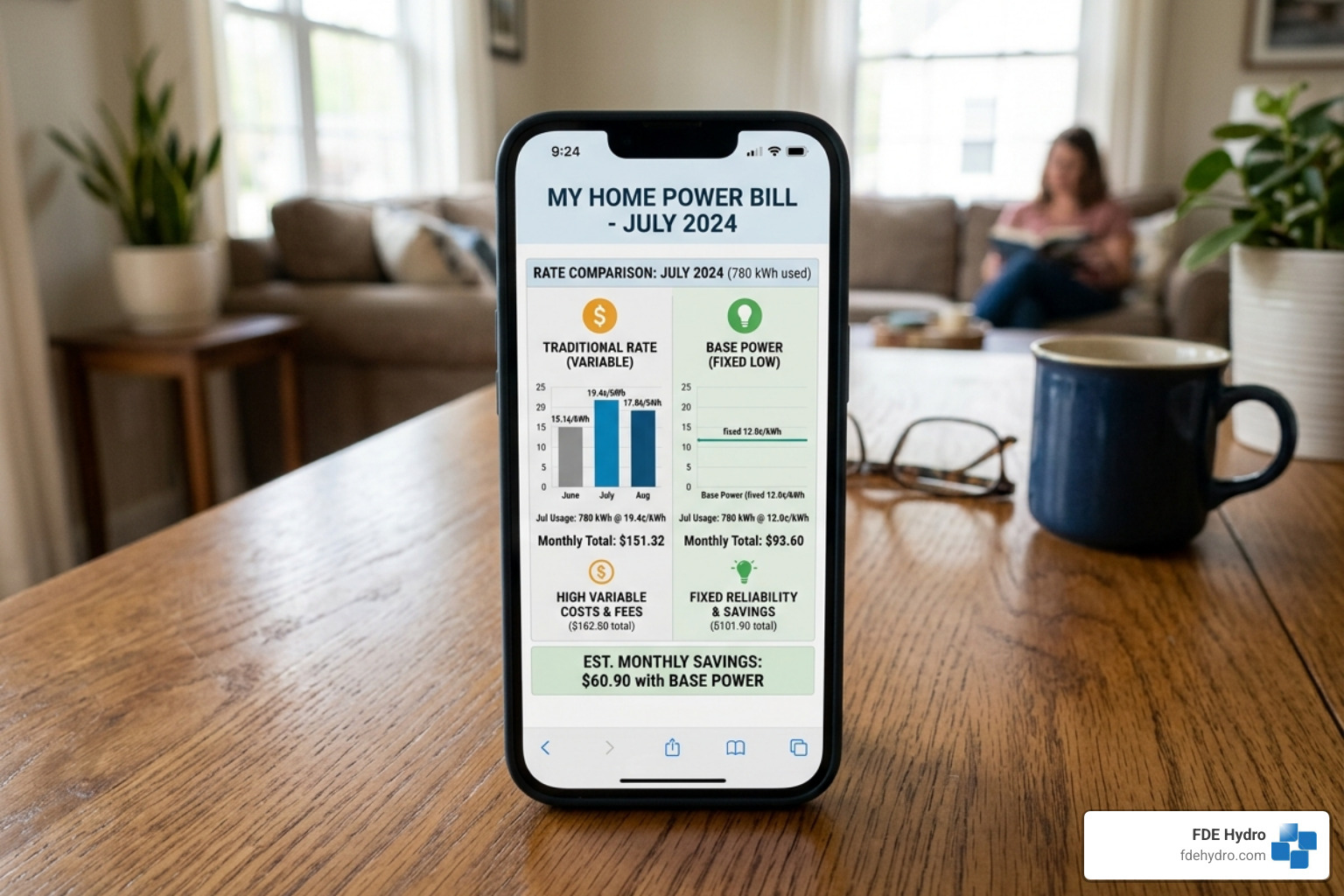
The current pricing structure (as of April 2026) is broken down into three main components:
- Installation Fee: You pay a one-time upfront fee of $695 for a single battery (25 kWh) or $995 for two batteries (50 kWh). This is significantly lower than the $15,000 to $20,000 you might pay for a standalone solar battery system.
- Monthly Membership: There is a recurring fee of $19/month for the single battery plan or $29/month for the double battery plan. This covers the maintenance, software updates, and the “insurance” of having backup power ready at all times.
- Energy Rate: Base offers a fixed energy rate, currently around 8.5¢/kWh. It is important to remember that you still have to pay utility delivery fees (from Oncor or CenterPoint), which usually add another 4¢ to 6¢ per kWh.
Compared to the 22¢/kWh some Texans were paying during peak periods, many customers report overall savings of around 39% after switching. To understand the fundamentals of these costs, you can check out our Energy 101 guide. You can also view their low-cost, fixed-rate energy details directly.
Is Base Energy Available in Your Area?
Because Base Power acts as a Retail Electric Provider (REP), they are currently limited to the deregulated parts of Texas. Specifically, they serve homes in the Oncor and CenterPoint service areas, which cover much of Dallas-Fort Worth, Austin, and Houston.
To qualify, you generally need to own a single-family home with a garage or exterior space suitable for a battery cabinet. The company handles the permitting and installation, ensuring the system meets all local codes. You can learn more about the specific eligibility and how it works on their site.
Maximizing Savings with Base Energy Solar Integration
If you already have solar panels, Base Power integrates seamlessly. They don’t require solar to work—their batteries can charge straight from the grid—but solar owners get the added benefit of renewable energy solutions that work even when the sun goes down.
Base offers a solar buyback rate of 3¢/kWh plus a real-time wholesale bonus. While this isn’t “1-to-1 net metering,” the low fixed rate you pay for energy often offsets the difference, making it a competitive choice for solar households looking for reliable backup.
Technical Specs: Reliability and Safety of the System
Safety is a common concern when putting a large battery next to your house. Base uses Lithium Iron Phosphate (LFP) cells. In sustainable power generation, LFP is known for being much more stable than the nickel-cobalt chemistries found in many electric vehicles or older home batteries.
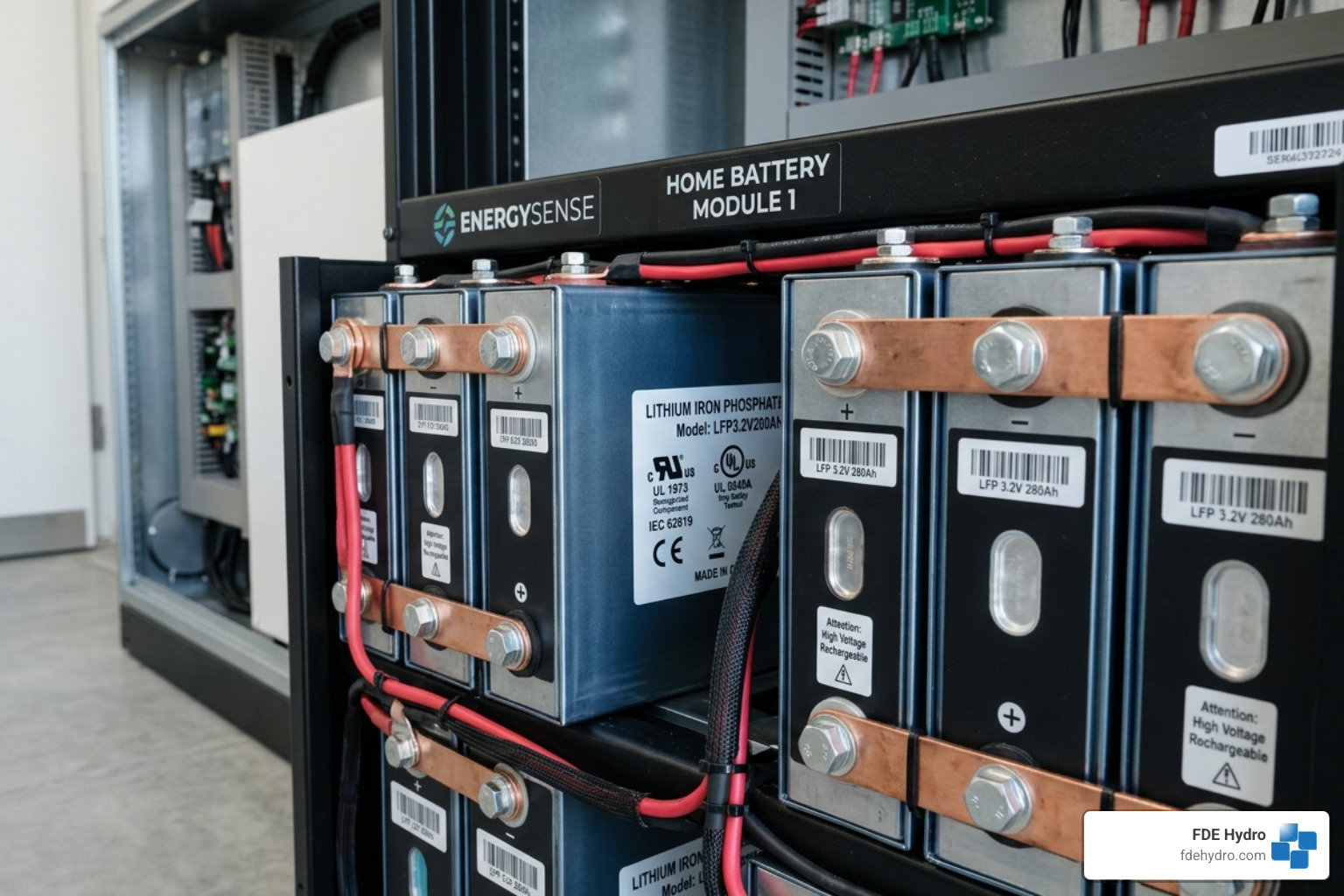
Key technical highlights include:
- Capacity: Options for 25 kWh or 50 kWh.
- Certifications: The hardware is certified to UL 1973, UL 1741, and UL 9540A standards.
- Fire Suppression: Each unit includes active fire suppressants.
- Reliability: Base batteries maintain an average 93% state of charge, ensuring they are ready for an outage at a moment’s notice.
Backup Duration and Performance
What happens when the grid goes dark? Base provides an automatic switchover that is so fast you might only notice a slight flicker of the lights. The system is designed to protect against 97% of Texas outages.
The duration of your backup depends on your usage:
- 25 kWh Battery: Can last 24–48 hours under “low usage” (lights, fridge, Wi-Fi) or about 4 hours if you are running the AC and heavy appliances.
- 50 kWh Battery: Doubles those numbers, providing a true whole-home experience for 24 hours or more.
This type of “black start” capability is essential for grid resilience. If you’re curious about how large-scale systems recover, read The Black Start Blueprint: How Power Grids Come Back To Life.
Comparing Home Batteries to Traditional Backup Solutions
Many homeowners wonder if they should just buy a portable gas generator or a traditional solar battery. When we look at base energy security, the “shared model” Base Power uses changes the math significantly.
| Feature | Base Power | Traditional Generator | Standard Solar Battery |
|---|---|---|---|
| Upfront Cost | $695 – $995 | $3,000 – $10,000 | $15,000 – $25,000 |
| Maintenance | Included | High (Oil, Fuel, Testing) | Low |
| Noise | Silent | Very Loud | Silent |
| Fuel Source | Grid/Solar | Gas/Propane | Solar/Grid |
| Automatic? | Yes | Sometimes | Yes |
For those interested in how these systems function as a localized energy source, our guide on what is a microgrid explains the engineering behind self-sufficient power zones.
Real-World Performance: Customer Reviews and Reddit Insights
With over 10,000 homes now powered by Base, the real-world data is rolling in. On platforms like Reddit, Texas residents have shared detailed breakdowns of their experiences.
- The Pros: Customers frequently praise the 4.9-star service and the speed of installation (Base is currently installing at a pace of 60+ customers per day). Many report that they didn’t even realize their neighborhood had a power outage until they saw their neighbors’ dark houses.
- The Cons: Some users on Reddit have pointed out that you give up control of the battery. Because Base uses the battery for grid balancing, you can’t manually decide when to charge or discharge it. However, since Base guarantees a high state of charge (93%) for backup, most users find this a fair trade-off for the low cost.
- Savings: One customer testimonial highlighted a drop from 22¢/kWh to the Base rate, resulting in a 39% monthly bill reduction.
You can find more customer stories and performance data on their official site.
Frequently Asked Questions about Home Energy
How much does it cost to deinstall the battery?
If you decide to leave Base Power before your contract is up, or if you move and the new owner doesn’t want the system, there is a deinstallation fee. While early Reddit discussions mentioned fees up to $1,000, current reports suggest the fee has been lowered to around $250 in many cases. Always check your specific Electricity Facts Label (EFL) for the most up-to-date contract terms.
Can I use a portable generator with the Base system?
Yes! Starting in Fall 2025, Base is introducing a generator plug-in. This allows you to connect a portable generator to the Base system during an extended multi-day outage. The generator can recharge the battery, which then powers your home. This “hybrid” approach offers incredible flexibility, similar to how modular hydro provides flexible power generation for the larger grid.
Does the battery work without solar panels?
Absolutely. This is one of the biggest misconceptions about home batteries. Base batteries are designed to charge directly from the grid when energy is plentiful and cheap. This makes them an excellent energy resource development tool for any homeowner, regardless of whether they have panels on their roof.
Conclusion
As we look toward the future of the Texas grid in 2026 and beyond, it’s clear that the old way of doing things—relying solely on massive, centralized power plants—isn’t enough. We need smarter, more distributed solutions to maintain grid stability.
At FDE Hydro™, we believe in the power of modular infrastructure. Whether it’s our patented “French Dam” technology for hydroelectric power generation or Base Power’s distributed home batteries, the goal is the same: making clean, reliable energy more accessible and affordable.
Base Power offers a compelling “middle ground” for homeowners. You don’t have to spend $20,000 to protect your family from the next big storm, and you don’t have to settle for soaring energy bills. By participating in a shared model, you’re not just saving money—you’re helping build a more resilient Texas.
If you’re ready to take the next step, you can schedule a call with a Base advisor or explore more about sustainable power generation on our site.
Ready to learn more about the future of energy? Check out these resources:
