by Adaptify Support | Jan 26, 2026 | News
Understanding the Microgrid: A New Era of Energy Independence
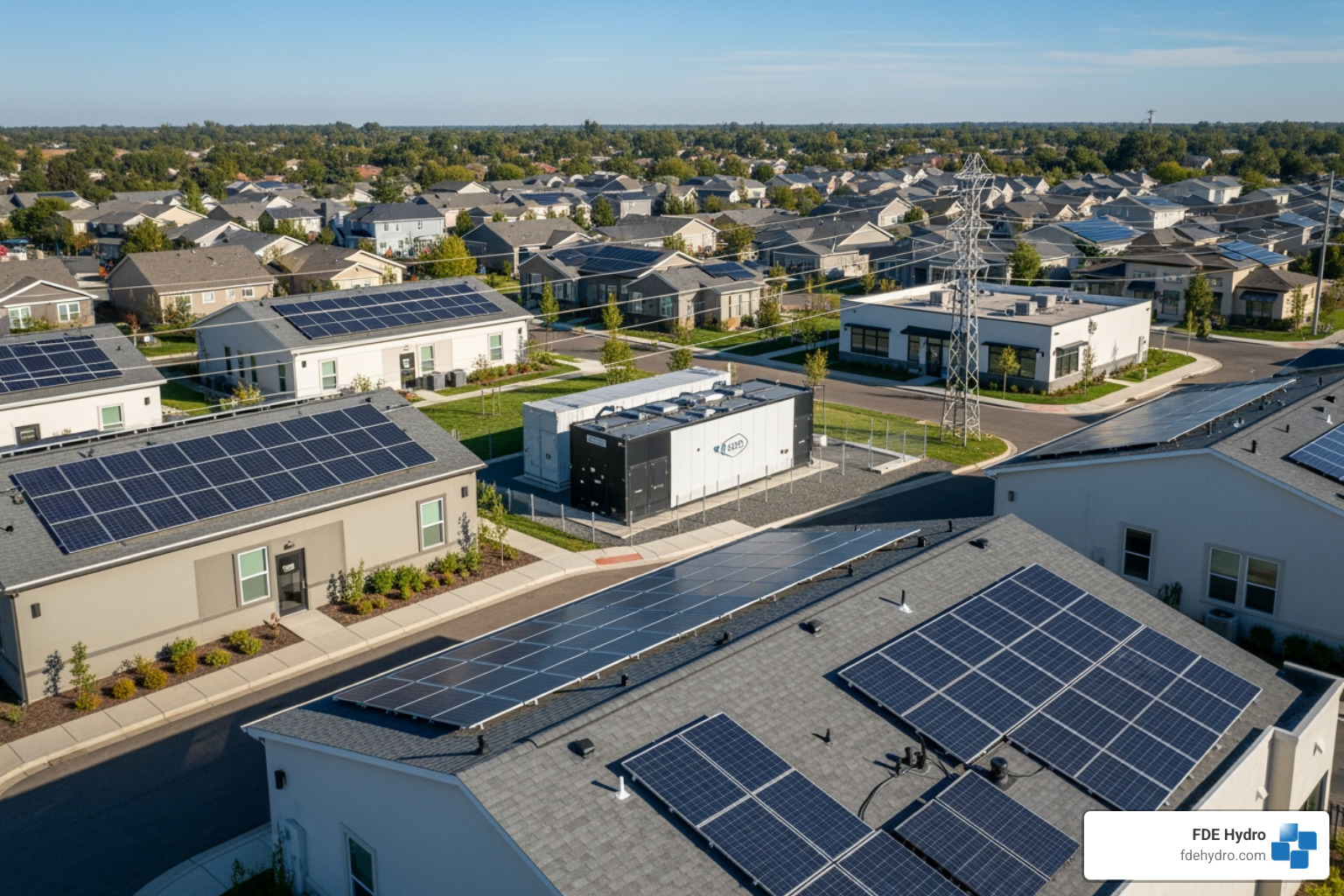
What is a micro grid? A microgrid is a local electrical network with its own power generation and storage. It acts as a single, controllable system that can connect to the main utility grid or run independently (“island mode”) to provide reliable power during outages.
Quick Answer:
- Definition: A self-contained local energy grid.
- Key Capability: Operates connected to or independently from the main grid (“island mode”).
- Core Components: Local power generation (solar, hydro), energy storage, and control systems.
- Primary Benefit: Ensures power reliability during outages and integrates renewable energy.
The traditional power grid is aging and vulnerable to power outages that cost the U.S. economy billions annually. Simultaneously, the need for climate action requires a rapid shift from fossil fuels to clean energy. Microgrids address both challenges.
By generating power locally with renewables like solar and hydropower, they reduce transmission losses, lower carbon emissions, and create energy independence for communities and facilities that need it most.
I’m Bill French Sr., Founder and CEO of FDE Hydro™, where we’ve spent years developing modular hydropower solutions that integrate seamlessly into microgrid systems. After participating in the Department of Energy’s Hydro Power Vision Task Force and five decades in infrastructure development, I’ve seen how what is a micro grid can transform energy delivery for critical facilities and remote communities.
What is a Microgrid and How Does It Work?
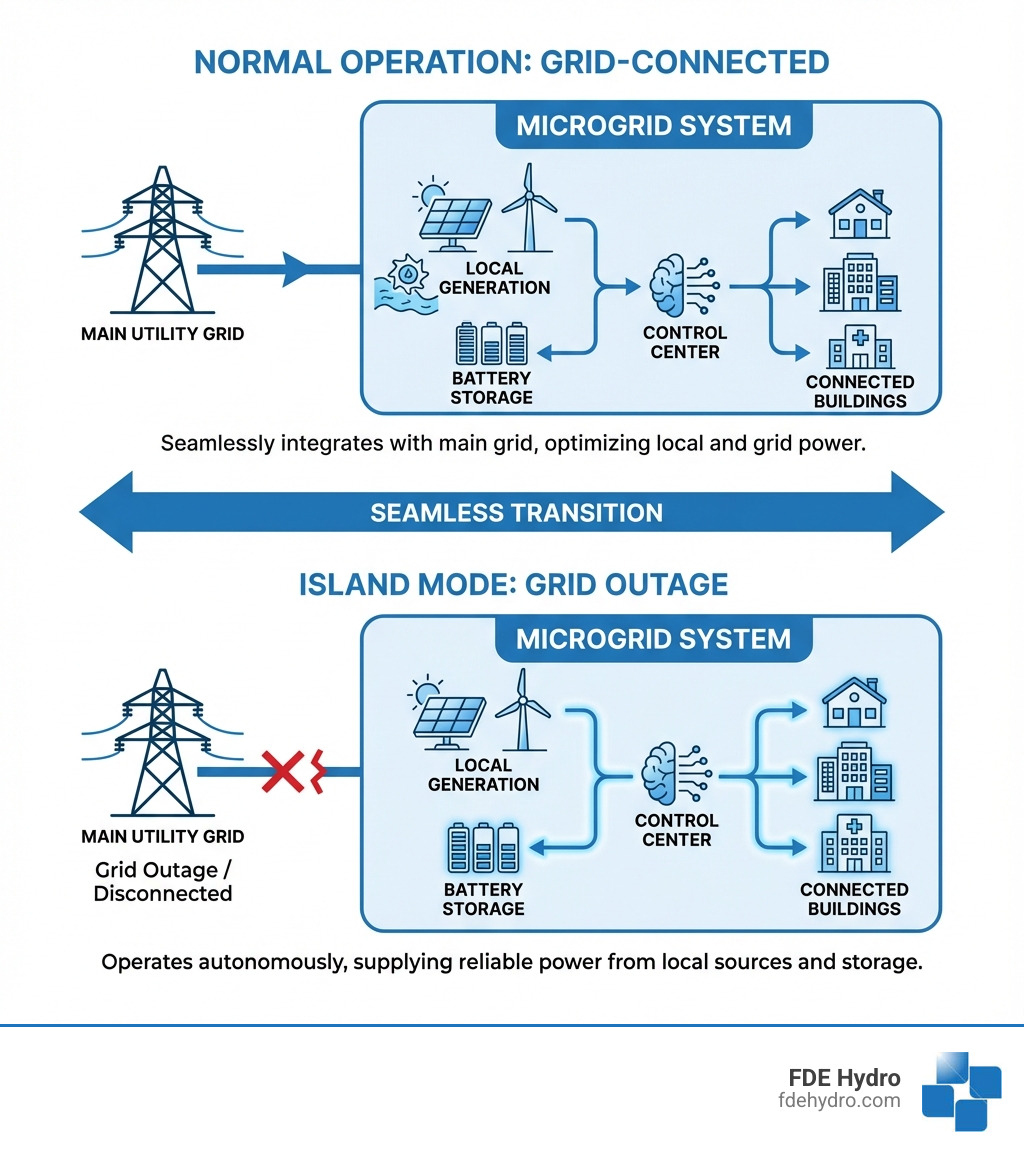
At its core, what is a micro grid? The U.S. Department of Energy (DoE) defines it as “a group of interconnected loads and distributed energy resources within clearly defined electrical boundaries that acts as a single controllable entity with respect to the grid.” It’s a miniature power grid that can separate from the larger utility grid to provide continuous power to its connected loads.
This “single controllable entity” manages all components—from power sources to storage to buildings—as one cohesive system, allowing for intelligent energy flow and dynamic response to changes in supply or demand.
A microgrid operates in two primary modes:
- Grid-connected mode: Its normal state, running in parallel with the main utility grid. The microgrid can draw power from the grid or send excess power back to it.
- Island mode: During a main grid outage, the microgrid can seamlessly disconnect, or “island,” and continue powering its local loads autonomously. This capability is the key resilience benefit of a microgrid.
The connection point to the main grid is the Point of Common Coupling (PCC). The microgrid’s controller manages the smooth transition between modes at the PCC, ensuring power quality is maintained.
For further reading, you can explore The US DoE’s Microgrid Initiative.
Defining the Different Types of Microgrids
Microgrids are customized for specific needs and locations. Understanding what is a micro grid involves knowing these common types:
- Remote Microgrids (Off-Grid Systems): These operate independently, serving areas where grid connection is unavailable or impractical, such as isolated communities in Northern Canada or the Brazilian Amazon. FDE Hydro’s modular hydropower is ideal for providing a stable, renewable base load for these systems.
- Grid-Connected Microgrids: The most common type, these are connected to the main grid but can island during outages. They offer a blend of resilience and grid interaction, common at university campuses, military bases, and industrial facilities.
- Networked Microgrids (Microgrid Clusters): These are multiple microgrids connected to the same utility circuit. These “nested” systems can share resources and support each other, enhancing regional resilience.
- Campus/Institutional Microgrids: These serve a single entity like a university, hospital, or military base. They improve energy security and often use combined heat and power (CHP) for greater efficiency.
- Community Microgrids: Designed for multiple homes, businesses, and critical facilities, these microgrids often prioritize local ownership and control, fostering “energy justice” and community resilience during blackouts.
What is a micro grid vs. a Smart Grid?
While related, “microgrid” and “smart grid” are different concepts. A microgrid is like a high-performance car, while a smart grid is the intelligent highway system it drives on.
| Feature |
Microgrid |
Smart Grid |
| Scope |
Localized, self-contained energy system for a discrete area (e.g., campus, town, military base). Operates within clearly defined electrical boundaries. |
Large-scale, modernized electrical grid covering a vast region (city, state, country). Integrates digital technology across the entire electricity delivery network. |
| Core Function |
Provides reliable, resilient power to local loads, especially during main grid outages. Can operate independently (island mode). |
Improves the efficiency, reliability, and sustainability of the entire electrical system. Optimizes energy generation, transmission, and distribution. |
| Components |
Distributed Energy Resources (DERs), energy storage, local loads, microgrid controller, Point of Common Coupling (PCC). |
Advanced sensors, smart meters, two-way communication networks, automation systems, information technology (IT) infrastructure, distributed generation (including microgrids), and control centers. |
| Control |
Autonomous control for local energy management, balancing supply and demand within its boundaries. Can interact with the main grid. |
Centralized and distributed control mechanisms that monitor and manage energy flow across the entire grid, from generation to consumption. |
| Relationship |
A building block or component of a smart grid. Can operate within a larger smart grid framework, contributing to its overall resilience and efficiency. |
An overarching concept that uses digital technology to improve the traditional grid. It can integrate and manage multiple microgrids, treating them as controllable assets to improve system-wide performance. |
| Primary Goal |
Energy resilience, local reliability, integration of distributed generation. |
System-wide efficiency, reliability, security, and sustainability through advanced communication and control. |
In short, the smart grid is a broad modernization of our electricity infrastructure. What is a micro grid is a specific, localized application of that modernization, acting as a resilient, renewable-powered cell within the larger system.
The Core Function: Islanding and Reconnecting
The ability to “island” is the superpower of what is a micro grid. When the main grid fails, a microgrid detects the anomaly and swiftly disconnects. This transition to island mode must be seamless, ensuring local loads experience little to no power interruption.
Once islanded, the microgrid’s control system works to maintain power quality with stable voltage and frequency, which is crucial for protecting sensitive equipment. This capability is vital for protecting critical loads—services like hospitals, emergency responders, and data centers that cannot afford to lose power.
Some microgrids also have black start capability, meaning they can restore power to themselves without any help from the external grid, an invaluable feature for remote or critical facilities needing absolute energy independence.
The Anatomy of a Microgrid: Key Components and Topologies
A microgrid’s effectiveness depends on the intelligent system integration of its components. Advanced power electronics, including inverters and converters, are crucial for managing energy flow and ensuring compatibility between different power sources and loads.
Key Components of a Microgrid
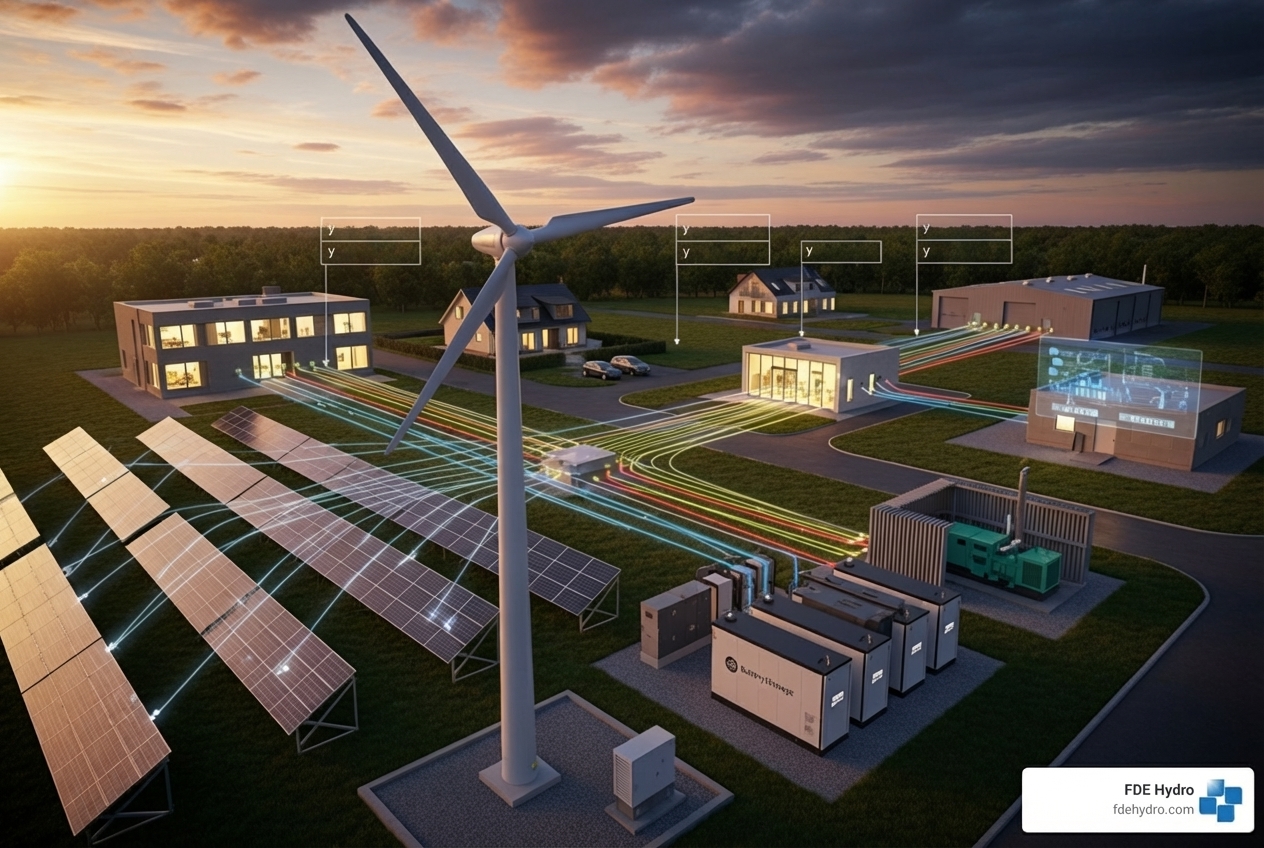
Let’s break down the essential building blocks:
- Distributed Energy Resources (DERs): These are the smaller-scale power generators located near where electricity is consumed. They can include solar panels, wind turbines, conventional generators (diesel, natural gas), and Combined Heat and Power (CHP) systems.
- Hydropower: FDE Hydro’s modular “French Dam” technology enables cost-effective, rapid deployment of small to medium-scale hydroelectric systems. It provides reliable, continuous power, making it a valuable and stable component in microgrids that complements intermittent sources like solar or wind.
- Energy Storage Systems (BESS): The “battery” of the microgrid, these systems store excess energy and release it when needed. This balances supply and demand and provides power during outages. Common types include lithium-ion batteries, flywheels, and hydrogen storage.
- Microgrid Controller (the “brain”): This is the intelligent heart of the system. It monitors production, consumption, and storage, making real-time decisions to optimize performance, manage the transition to island mode, and prioritize critical loads.
- Loads (critical and non-critical): These are the electricity consumers. Critical loads (hospitals, emergency services) must always have power, while non-critical loads can be temporarily shut down to conserve energy.
Here’s a quick list of key components:
- Distributed Energy Resources (DERs)
- Energy Storage Systems (BESS)
- Microgrid Controller
- Electrical Loads (Critical & Non-Critical)
- Point of Common Coupling (PCC)
- Power Electronics (Inverters, Converters)
- Distribution Infrastructure
Understanding Microgrid Topologies
The way components are connected defines the microgrid’s topology:
- AC Microgrids: The most common type, operating with alternating current (AC) like the main grid. This makes it easy to integrate with existing infrastructure.
- DC Microgrids: These operate with direct current (DC), offering efficiency advantages for certain applications. Solar panels and batteries are naturally DC, as are modern electronics like LEDs, computers, and EV chargers. Using a DC microgrid reduces energy losses from AC/DC conversion, making it popular for data centers and EV charging hubs.
- Hybrid AC/DC Microgrids: These combine AC and DC buses connected by converters, offering the best of both worlds. This topology provides maximum flexibility, especially for microgrids with high levels of solar and battery storage.
The Role of Microgrid Control Systems
The intelligence of what is a micro grid lies in its control system. Most use a hierarchical control structure to ensure stability and efficiency:
- Primary Control: The fastest layer, providing instantaneous voltage and frequency stability by controlling individual DERs. It acts as the system’s reflexes.
- Secondary Control: This layer coordinates the primary controllers to restore the system to its normal operating state. It handles load balancing and ensures power is shared correctly among sources. You can read more in this article on secondary voltage and frequency control.
- Tertiary Control: The highest layer, focusing on economic dispatch and optimal energy management. It decides when to generate, store, buy, or sell power, considering market prices and other constraints.
The Power of Independence: Benefits and Challenges
The value of what is a micro grid goes beyond its technical design. It offers a path to energy resilience, economic benefits, clean energy integration, and community empowerment.
Primary Benefits of Microgrid Implementation
Microgrids bring several compelling advantages:
- Grid Resilience and Reliability: This is the most critical benefit. Microgrids can “island” from the main grid during disturbances, ensuring continuous power for critical facilities. This improves local reliability and reduces the economic impact of outages.
- Reduced Energy Costs: By generating power locally, microgrids lower costs by using cheaper local sources (like FDE Hydro’s hydropower), avoiding utility peak demand charges, and reducing transmission losses. For instance, Pittsburgh International Airport saved $1 million in its first year with its microgrid.
- Integration of Renewables: Microgrids are ideal for integrating renewable energy sources like solar, wind, and hydropower. This facilitates the transition from fossil fuels and reduces greenhouse gas emissions, a core mission for FDE Hydro.
- Grid Services Revenue: When connected to the grid, microgrids can provide services like voltage support and frequency regulation. This improves grid stability and creates revenue for microgrid owners.
How can communities benefit from what is a micro grid?
For communities in North America, Brazil, and Europe, microgrids offer profound advantages:
- Local Ownership and Energy Democracy: Communities can take control of their energy future instead of relying on distant utilities. This fosters local ownership and moves toward energy democracy, where energy decisions are made locally.
- Job Creation: The design, construction, and operation of microgrids create local jobs, stimulating regional economies.
- Powering Critical Facilities: A community microgrid ensures that essential services like hospitals, fire stations, and shelters remain operational during widespread outages.
- Increased Property Values: The reliability provided by a microgrid can be a significant selling point in areas prone to outages, potentially increasing property values.
Main Challenges and Design Considerations
Implementing what is a micro grid has its challenges, which FDE Hydro helps address with innovative solutions:
- High Initial Cost: The upfront investment can be substantial, with average costs ranging from $2 million to $5 million per megawatt in the U.S. However, long-term savings, resilience benefits, and government grants can offset these costs.
- Complex Design and Integration: Each microgrid is a unique, custom-engineered system requiring sophisticated integration of diverse components.
- Regulatory Problems: Evolving legal and regulatory frameworks, especially for interconnection with the main utility grid, can be complex to steer.
- Interconnection Standards (IEEE 2030.7): Adhering to technical standards for microgrid controllers adds complexity and cost to projects.
- Cybersecurity Risks: As intelligent, connected systems, microgrids require robust cybersecurity measures to protect them from malicious attacks.
- Sizing and Optimization: Correctly sizing generation and storage to meet demand while maximizing efficiency is a critical design challenge.
Microgrids in Action: Real-World Examples and Costs
The concept of what is a micro grid is moving from theory to tangible projects across North America and Europe. These systems are proving their worth, and the global market for microgrids is projected to grow to over USD 55 billion by 2032.
What is the cost associated with developing what is a micro grid?
The cost of developing what is a micro grid varies widely. A 2018 National Renewable Energy Laboratory study found that U.S. microgrids cost an average of $2 million to $5 million per megawatt.
Factors influencing this cost include:
- Size and Scope: A system for a single building costs less than one for an entire community.
- Technology Mix: The type of DERs and energy storage systems impacts cost. Hydropower, for example, offers a low operational cost and long lifespan.
- Location: Remote sites may incur higher construction and logistics costs.
- Complexity: Sophisticated controls and integration requirements add to the cost.
- Interconnection Requirements: Safely connecting to the main grid requires studies and equipment that can be costly.
Despite the investment, emerging financing models and government incentives, like the U.S. Bipartisan Infrastructure Law’s grant programs, are making microgrids more accessible.
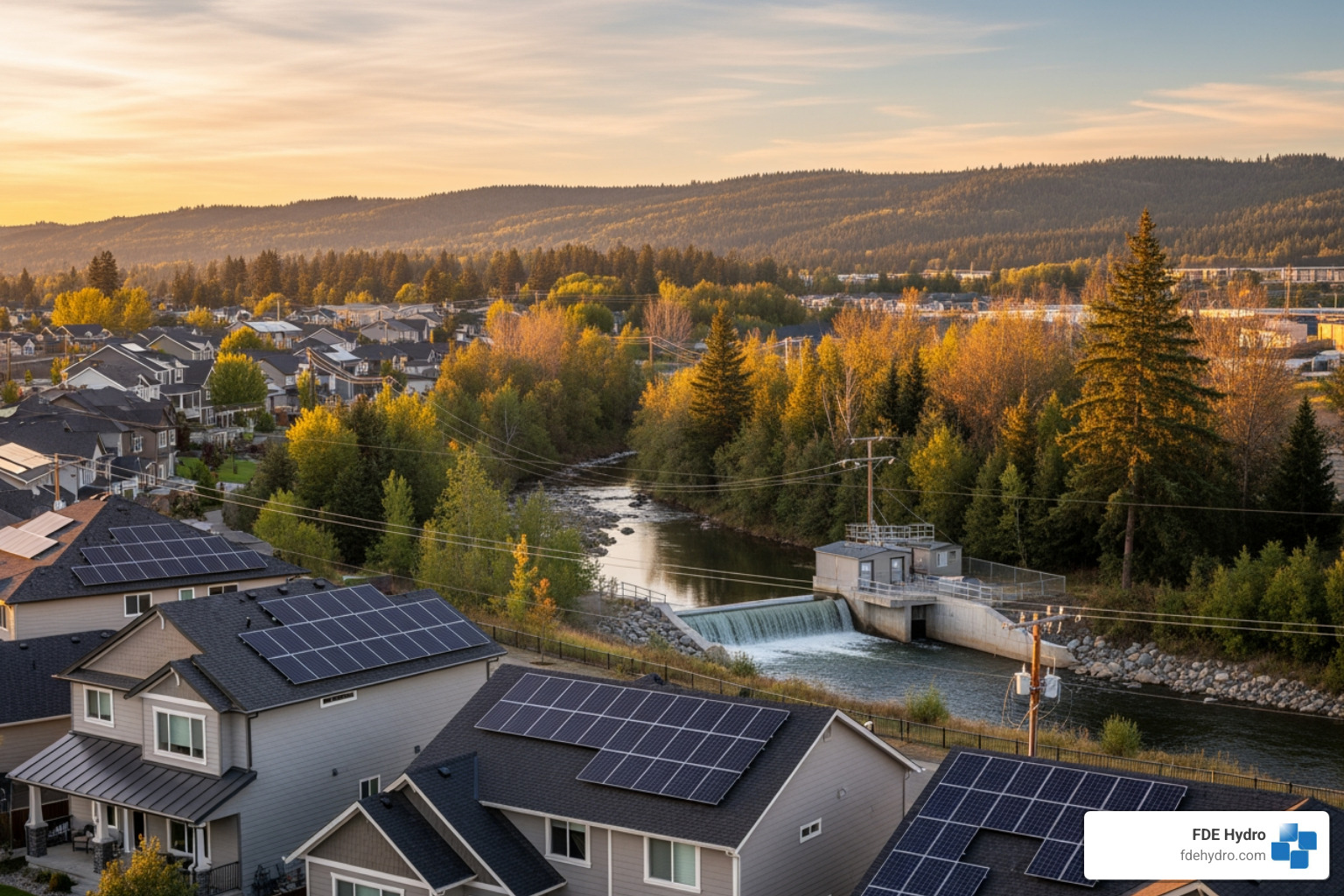
A prime example is a community microgrid project for a small town in rural New York. Historically facing frequent power outages, the community sought a resilient solution. The answer was a community microgrid incorporating FDE Hydro’s modular hydropower technology, a solar array, and battery storage.
This project achieved energy independence by using the river’s consistent flow for baseload power, supplemented by solar and battery storage. The microgrid was designed to island from the main grid during outages, ensuring continuous power to the town’s fire station, health clinic, and grocery store. The integration of hydropower provided consistent, clean power, leading to significant cost savings and improved reliability for critical operations. Our modular “French Dam” approach made the hydropower component economically attractive, demonstrating how innovative methods can enable sustainable energy solutions.
Case Study: Empowering Remote Communities in Europe
In Europe, the Harmon’Yeu project on the island of Île d’Yeu, France, addressed high electricity costs and grid instability. This smart grid pilot, functioning as a sophisticated microgrid, integrated local solar panels and battery storage, allowing homes to share electricity and optimize consumption.
The project significantly improved the island’s energy resilience and provided residents with more reliable power. It’s a powerful example of how what is a micro grid can deliver local energy autonomy and improved quality of life, even in grid-connected regions.
Conclusion: The Future is Local and Resilient
We’ve seen that what is a micro grid is more than a technological novelty; it represents a fundamental shift in our energy approach. Microgrids offer a compelling summary of benefits: resilience against outages, economic advantages, and environmental gains by integrating renewables. They empower communities, fostering local control and development.
The future of energy is increasingly decentralized. As FDE Hydro, we are committed to playing a pivotal role in this transition. Our expertise in developing innovative modular hydropower solutions, including our “French Dam” technology, allows us to provide the reliable, clean, and cost-effective generation needed for microgrid systems. This directly contributes to building a more robust and sustainable clean energy infrastructure across North America, Brazil, and Europe.
Microgrids are a proactive strategy for a more secure, efficient, and sustainable energy future. They are vital components in the broader grid modernization effort, ensuring our energy systems can withstand tomorrow’s challenges while delivering clean power today.
Ready to explore how a microgrid could benefit your community or facility? We invite you to learn more about how FDE Hydro’s sustainable power generation solutions can be integrated into resilient microgrid designs.
Explore Resilient Energy Solutions with FDE Hydro
by Adaptify Support | Jan 23, 2026 | News
Why Clean Energy Solutions Are Critical for Modern Enterprises

Clean energy solutions are rapidly changing how businesses power their operations and infrastructure. For enterprises managing large-scale energy needs—particularly in water infrastructure and hydropower—the shift away from fossil fuels represents both an urgent environmental imperative and a strategic financial opportunity.
Key Clean Energy Solutions for Enterprises:
- Solar Energy – Photovoltaic systems with 85% cost decline over the past decade
- Hydropower – Reliable, low-emission power from water flow and storage
- Geothermal Energy – Using Earth’s natural heat for consistent power
- Biomass Energy – Converting organic materials into electricity and fuel
- Emerging Technologies – Green hydrogen, advanced battery storage, and CCUS
The global energy landscape is undergoing a historic change. Between 3.3 and 3.6 billion people already live in settings highly vulnerable to climate change, making the transition to clean energy solutions not just desirable but essential. Renewable capacity grew by 8% in 2022 alone, reaching almost 320 GW globally.
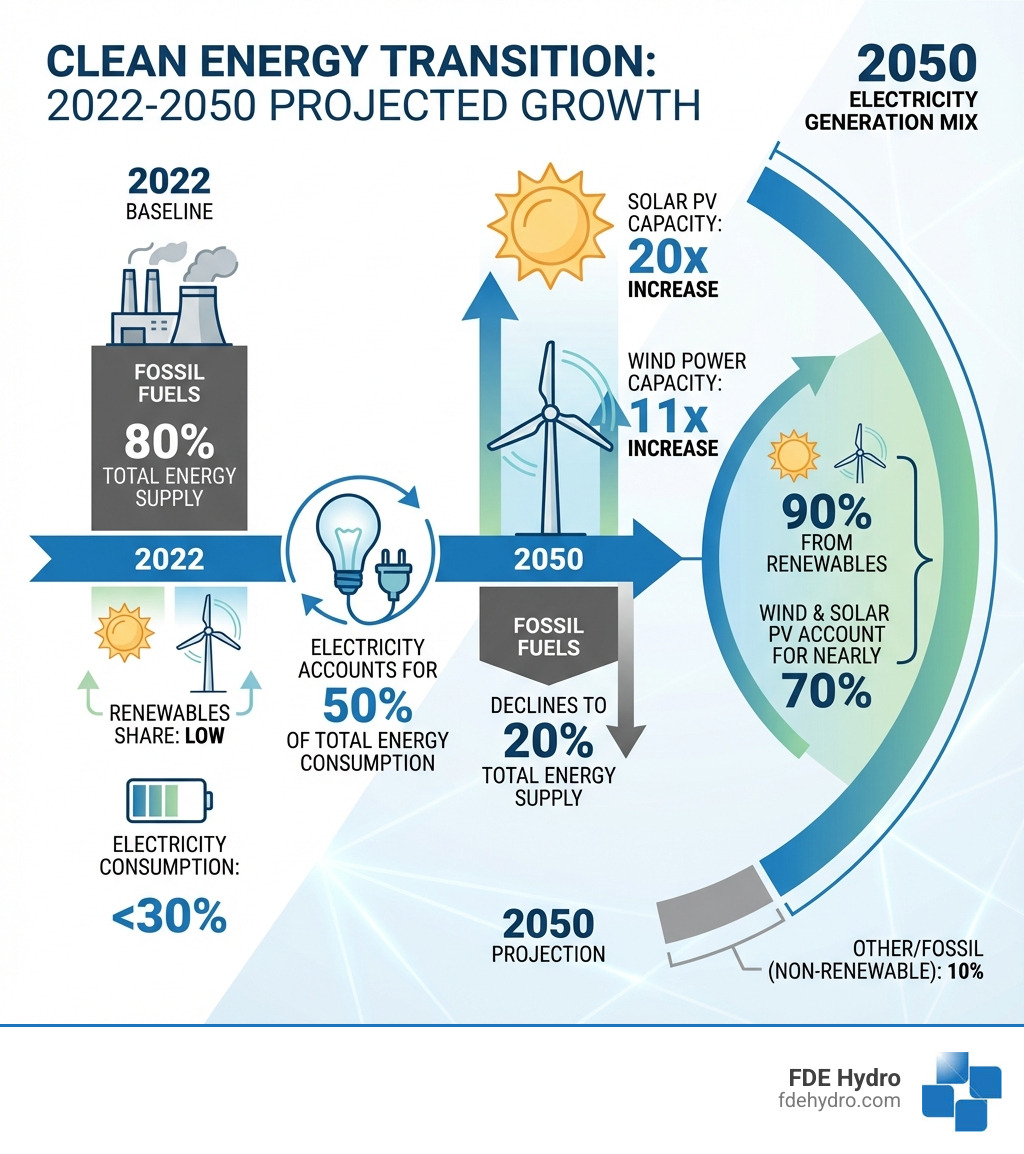
The urgency is clear. To avoid the worst effects of climate change, greenhouse gas emissions need to fall faster than they have risen for over a century. By 2050, two-thirds of total energy supply must come from wind, solar, bioenergy, geothermal, and hydro energy—with solar becoming the largest single source, accounting for one-fifth of energy supplies.
For decision-makers overseeing water infrastructure and hydropower projects, the challenge extends beyond environmental goals. Conventional construction methods bring high costs, extended timelines, and significant operational risks. This is where innovative approaches to clean energy infrastructure become game-changing.
I’m Bill French Sr., Founder and CEO of FDE Hydro, where we’ve pioneered modular civil construction solutions that make clean energy solutions faster and more cost-effective to deploy—particularly in hydropower infrastructure. My five decades in heavy civil construction, combined with participation in the Department of Energy’s Hydropower Vision Technology Task Force, have shown me how the right innovations can transform both project economics and environmental outcomes.
Know your clean energy solutions terms:
Exploring the Spectrum of Clean Energy Sources
When we talk about clean energy solutions, we’re referring to energy sources that produce little to no greenhouse gas emissions or pollutants, offering a sustainable alternative to fossil fuels. These sources are not just environmentally friendly; they represent a fundamental shift in how we power our world, promising long-term reliability and economic stability. Our journey towards a more sustainable future begins with understanding the diverse options available for Sustainable Power Generation. We’ve come a long way from just a few options, and the landscape of clean energy is richer and more accessible than ever. For a broader look at energy basics, check out our Energy 101.
By 2050, we project that nearly 90% of electricity generation will come from renewable sources, with wind and solar PV together accounting for nearly 70%. This incredible change means that two-thirds of our total energy supply will be derived from clean sources like wind, solar, bioenergy, geothermal, and hydro.
Solar Energy
Solar energy stands out as one of the most accessible and rapidly expanding clean energy solutions. It harnesses the power of the sun to generate electricity through two primary methods:
- Photovoltaic (PV) cells: These convert sunlight directly into electricity. Over the past decade, solar photovoltaic systems have seen an astonishing 85% cost decline, making them among the most cost-competitive energy resources on the market. From vast utility-scale solar farms across California and the Southwest U.S. to rooftop installations on businesses and homes in New York and Kansas, solar PV is becoming ubiquitous.
- Solar thermal: This method uses mirrors to concentrate sunlight, heating a fluid that then produces steam to drive a turbine and generate electricity.
Solar PV expansion has been remarkable, now accounting for about 2.5% of the global power supply. Projections show that solar PV capacity will increase fivefold by 2030 and a staggering 20-fold by 2050, solidifying its position as the largest source, accounting for one-fifth of global energy supplies. Mainstream solar PV technology is dominated by crystalline silicon, with continuous advancements pushing efficiency boundaries. Our commitment to Clean Energy means supporting these innovations.
Hydropower
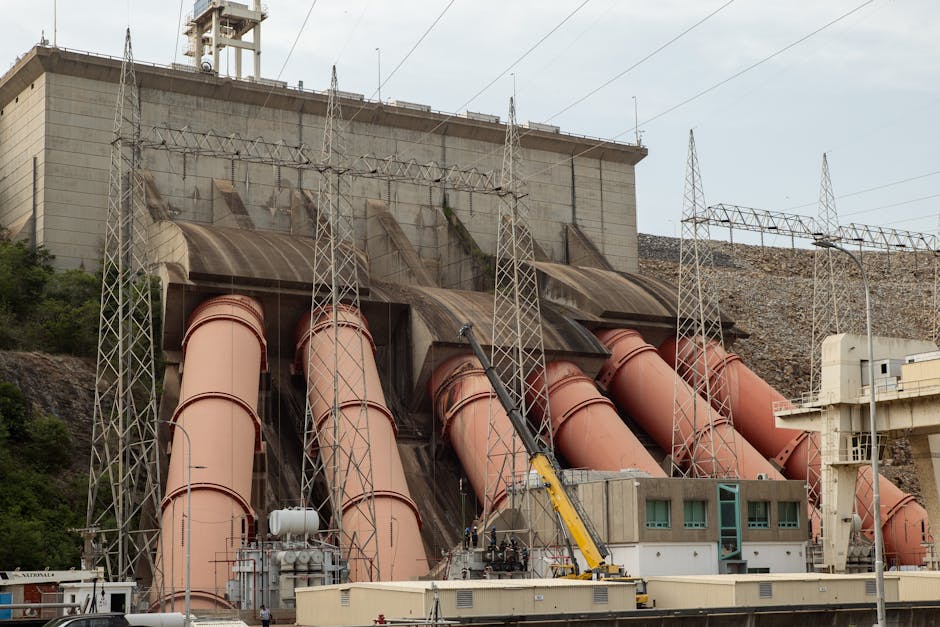
Hydropower, or hydroelectric power, is one of the oldest, largest, and most reliable clean energy solutions. It uses the natural flow of moving water to generate electricity. This involves:
- Dams and diversion structures: These alter the natural flow of a river or other body of water to create a reservoir or channel water through turbines.
- Turbines: The flowing water spins turbines, which are connected to generators that produce electricity.
Hydroelectric systems offer reliable, low-cost power and provide flexibility in power output, making them an invaluable component of a stable grid. Beyond traditional hydropower, technologies like Pumped Storage Hydropower are gaining traction. This method stores energy by pumping water uphill to a reservoir, then releasing it downhill through turbines when electricity is needed, acting like a giant battery.
At FDE Hydro, we specialize in making hydropower infrastructure more efficient and cost-effective, particularly for projects in North America, Brazil, and Europe. Our innovative, patented modular precast concrete technology, known as “French Dam,” significantly reduces construction costs and time for building and retrofitting hydroelectric dams and water control systems. This innovation is crucial for accelerating the adoption of this critical clean energy source. Learn more about Hydropower.
Other Key Sources: Geothermal, Biomass, and Marine
While solar and hydro are powerhouses, other clean energy solutions contribute significantly to our sustainable future:
- Geothermal Energy: This exploits the Earth’s natural heat from beneath the surface. Geothermal power plants use steam from reservoirs of hot water deep within the Earth to drive turbines. It provides a consistent, base-load power supply, unaffected by weather conditions.
- Biomass Energy: This converts organic materials, such as agricultural waste, forest residues, and dedicated energy crops, into electricity, heat, or fuel. Biofuels for transport, for instance, have steadily expanded, now meeting 3% of global transport energy requirements, largely due to blending mandates and production targets in regions like the United States, Brazil, and the European Union. Careful resource management is essential to ensure the sustainability of biomass energy.
- Marine Energy: This nascent but promising sector harnesses the energy of waves, tides, and river and ocean currents to generate electricity. Marine energy technologies hold immense promise, particularly for coastal regions and as an enabler of blue economy expansion. We believe The Biggest Untapped Solution to Climate Change is in the Water!
The Business Case: Weighing the Benefits and Challenges
Transitioning to clean energy solutions isn’t just a moral choice; it’s a smart business decision. However, like any major shift, it comes with its own set of considerations. We need to carefully weigh the numerous benefits against the challenges to build robust Clean Energy Infrastructure.
| Feature |
Solar PV (Utility-scale) |
Hydropower (Large-scale) |
| Operational Costs |
Low (minimal fuel, maintenance) |
Very Low (minimal fuel, long lifespan) |
| Land Use |
High (requires significant land for panels) |
High (requires land for reservoir and dam) |
| Intermittency |
High (depends on sunlight, variable output) |
Low (dispatchable, consistent output, storage capability) |
| Construction Time |
Moderate (months to a few years) |
Long (multiple years, complex civil works) |
| Initial Investment |
Moderate to High |
Very High |
| Environmental Impact |
Low (habitat disruption for large farms) |
Moderate (habitat alteration, water flow changes) |
Key Benefits of Adopting Clean Energy Solutions
For enterprises, the benefits of embracing clean energy solutions are compelling and far-reaching:
- Environmental Preservation: This is perhaps the most obvious benefit. By significantly lowering the emissions of CO2 and other harmful gases, we contribute directly to combating climate change. This reduces air and water pollution, protecting ecosystems and biodiversity.
- Reduced Carbon Footprint: For businesses, adopting clean energy directly translates to a smaller carbon footprint, aligning with global climate goals and improving corporate social responsibility.
- Economic Savings: While initial investments can be substantial, the long-term economic benefits are significant. Clean energy sources reduce reliance on volatile fossil fuel prices, offering stable and often lower operational costs. For example, solar photovoltaic systems are among the most cost-competitive energy resources on the market after an 85% cost decline over the past decade.
- Job Creation: The clean energy sector is a burgeoning industry, generating new jobs in manufacturing, installation, maintenance, and research and development. This offers economic growth opportunities in our communities.
- Energy Security: Decreasing dependency on imported fuels improves national and regional energy security. Relying on domestic, renewable resources makes our energy supply more resilient to geopolitical shifts and supply chain disruptions.
- Improved Public Health: Reduced air pollution leads to fewer respiratory and cardiovascular diseases, contributing to healthier communities and reduced healthcare costs.
- Improved Brand Reputation: Companies committed to sustainability and adopting clean energy solutions are increasingly viewed favorably by consumers, investors, and employees. This can lead to increased customer loyalty and attract top talent.
By investing in Sustainable Energy Production, businesses are not just doing good; they are doing well.
Overcoming Challenges to Implementing Clean Energy Solutions
Despite the undeniable benefits, the path to widespread adoption of clean energy solutions is not without its problems. We must acknowledge and strategically address these challenges:
- High Initial Investment: While operational costs are low, the upfront capital expenditure for installing large-scale clean energy systems can be significant. This is especially true for complex infrastructure projects like new hydroelectric dams. However, innovations like FDE Hydro’s modular precast concrete technology aim to drastically reduce these initial costs and project timelines, making such investments more feasible.
- Intermittency of Sources: Solar and wind power are intermittent, meaning their output depends on weather conditions (sunshine, wind speed). This variability requires robust energy storage solutions and advanced grid management to ensure a consistent power supply.
- Energy Storage Needs: To address intermittency, advanced battery storage is crucial. While costs are declining, scaling up storage solutions to meet large-scale industrial demand remains a challenge. Pumped storage hydropower, as discussed, is an excellent example of a large-scale energy storage solution.
- Grid Modernization: Our existing energy grids were designed for centralized, fossil-fuel-based power generation. Integrating decentralized renewable sources requires significant upgrades to transmission lines, smart grid technologies, and the development of Microgrid systems for localized resilience.
- Regulatory and Policy Problems: The growth of renewable energy markets heavily relies on supportive policies and regulations. Inconsistent or changing policies, complex permitting processes, and a lack of clear incentives can hinder investment and slow down adoption. We need consistent governmental support to accelerate this transition.
- Infrastructure Age and Retrofitting: A significant challenge, particularly in the United States and Europe, is the age of existing energy infrastructure. Many facilities, including older dams, require retrofitting or replacement. Our modular “French Dam” technology is specifically designed to make these retrofits and new constructions faster and more cost-effective.
Overcoming these challenges requires a multi-faceted approach involving technological innovation, supportive policy frameworks, strategic investments, and careful project planning, as outlined in our Renewable Energy Projects Complete Guide.
The Future is Now: Innovations and Trends in Clean Energy
The landscape of clean energy solutions is constantly evolving, driven by groundbreaking innovations and influenced by global policies aimed at achieving ambitious targets like Net Zero by 2050. This future is characterized by rapid technological change, unprecedented global cooperation, and an increasingly data-driven approach to energy management.
Emerging Technologies and Innovations
The future of clean energy solutions is incredibly exciting, with several emerging technologies ready to revolutionize the sector:
- Green Hydrogen: Produced using renewable energy through electrolysis, green hydrogen is emerging as a critical low-emissions fuel for hard-to-abate sectors like heavy industry and long-distance transport (e.g., shipping and aviation). This versatile fuel can store energy and power applications that electricity alone cannot easily reach.
- Advanced Carbon Capture, Utilization, and Storage (CCUS): While not strictly a clean energy source, CCUS technologies are vital for decarbonizing existing industrial processes and capturing emissions from sectors where full electrification is challenging. We’re seeing significant advancements in making CCUS more efficient and cost-effective.
- Next-Gen Battery Storage: Beyond lithium-ion, research into solid-state batteries, flow batteries, and other advanced storage solutions promises greater energy density, faster charging, and longer lifespans, crucial for stabilizing grids powered by intermittent renewables.
- Electric Vehicles (EVs): The electrification of transport is a massive trend. Electric cars accounted for 2.6% of global sales in 2019, and this figure is projected to soar to more than 65% by 2030. This shift is driving significant demand for clean electricity and charging infrastructure.
- Hydropower Advancements: Even established technologies like hydropower are seeing significant innovation. At FDE Hydro, our modular precast concrete “French Dam” technology represents a leap forward in reducing construction times and costs for new dams and essential Hydropower Advancements & Innovations 2025 for retrofitting existing ones. This makes hydropower more nimble and responsive to modern energy needs, securing the Future of Hydropower as a backbone of clean energy infrastructure.
- Policy-Driven Shifts: Global policies are accelerating the transition. Demand for oil and gas is projected to decline by around 20% by 2030, and low-emissions electricity is rising so rapidly that no new unabated coal plants beyond those under construction at the start of 2023 are expected to be built. Furthermore, bans on new fossil fuel boilers are expected to begin globally in 2025, pushing for wider adoption of electric heat pumps.
The Role of Data and AI in the Energy Transition
In our race to meet emissions reduction targets, data-informed analysis is not just helpful; it’s absolutely crucial. The complexity of modern energy systems, the variability of renewable sources, and the need for optimal resource allocation demand sophisticated analytical tools.
- Data-Informed Analysis: This approach helps us analyze the scale of climate change mitigation challenges, compare energy conversion and storage technologies based on performance metrics, and assess various carbon emissions reduction scenarios. By leveraging data, we can optimize technology portfolios for our organizations, estimating the rates of change needed to reduce greenhouse gas emissions effectively.
- Optimizing Technology Portfolios: Data and AI allow us to model different combinations of clean energy solutions, predicting their performance, costs, and environmental impact under various conditions. This enables us to make strategic decisions about which technologies to invest in and how to integrate them into existing infrastructure for maximum efficiency and return on investment.
- Meeting Emissions Targets: By providing precise insights into energy consumption, generation, and storage, data and AI empower us to track progress towards emissions reduction targets in real-time. This allows for agile adjustments to strategies and investments, ensuring we stay on track to meet ambitious goals like those outlined by the UN’s Sustainable Development Goal 7 (SDG 7), which aims for universal access to affordable, reliable, and modern energy services by 2030.
- Improved Efficiency: AI can predict energy demand, optimize grid operations, and even manage individual devices for peak efficiency. This applies across the energy spectrum, from optimizing solar panel output to managing water flow in hydroelectric systems. At FDE Hydro, we recognize the power of AI for Resource Management and how AI Energy Management can improve the performance and longevity of our modular hydropower solutions.
If you’re eager to dive deeper into how data drives this change, you can Learn more about data-informed clean energy advancement.
Your Enterprise’s Roadmap to Clean Energy Solutions
Transitioning your enterprise to clean energy solutions is a strategic journey that requires careful planning, informed decision-making, and a commitment to Sustainable Infrastructure Development. Whether you’re a large industrial player or a growing business, here’s a practical roadmap to guide your efforts.
Step 1: Conduct an Energy Audit and Analysis
Before starting on any major clean energy project, the first crucial step is to understand your current energy landscape.
- Assess Current Consumption: Conduct a comprehensive energy audit to pinpoint exactly how, where, and when your enterprise consumes energy. This involves analyzing utility bills, identifying major energy-consuming equipment, and understanding operational patterns.
- Identify Inefficiencies: Look for opportunities to reduce energy waste. This could involve upgrading to more efficient lighting (LEDs), optimizing HVAC systems, improving insulation, or implementing smart building management systems. Even simple actions like switching off appliances at the socket or turning off lights when not in use can add up.
- Use Data to Model Scenarios: Leverage data-informed analysis to model different energy consumption and generation scenarios. This helps predict the impact of various clean energy solutions on your operations and bottom line.
- Set Reduction Goals: Based on your audit, establish clear, measurable, and achievable goals for energy reduction and clean energy adoption. These goals should align with broader sustainability targets and potentially with global benchmarks like the UN’s SDG 7.
Step 2: Evaluate and Select the Right Technologies
With a clear understanding of your energy needs and goals, the next step is to explore the clean energy solutions that best fit your enterprise.
- Match Solutions to Operational Needs: Consider your specific energy demands, geographic location (e.g., abundant sunlight for solar in California, or suitable water resources for hydro in New York or Brazil), and operational constraints.
- Consider On-Site Generation:
- Solar: Installing solar panels on rooftops or unused land can significantly reduce reliance on grid electricity, especially beneficial in sunny regions of the U.S. and Brazil.
- Micro-Hydro: For enterprises located near suitable water sources, micro-hydropower systems can provide reliable, localized power. Our modular “French Dam” technology, for instance, can make smaller-scale hydroelectric projects more feasible and cost-effective, especially for retrofitting existing water control systems.
- Procure Renewable Energy: If on-site generation isn’t fully viable, explore options for purchasing renewable energy directly from suppliers or through renewable energy credits (RECs).
- Factors to Consider: When evaluating technologies, keep these critical points in mind:
- Scalability: Can the solution grow with your enterprise’s needs?
- ROI (Return on Investment): What are the projected financial savings and payback period?
- Geographic Location: What natural resources are readily available and cost-effective in your region (e.g., solar irradiance, water flow)?
- Available Incentives: Are there federal, state, or local incentives (tax credits, grants) that can offset costs in the United States, Canada, Brazil, or European locations?
Step 3: Phased Implementation and Financing
Implementing clean energy solutions is often a multi-year endeavor. A phased approach, coupled with smart financing, ensures a smooth transition.
- Develop a Project Timeline: Break down your clean energy roadmap into manageable phases, prioritizing projects with the highest impact and quickest ROI.
- Explore Financing Options: Look beyond direct capital expenditure. Many financial models exist to make clean energy more accessible:
- Power Purchase Agreements (PPAs): A third-party developer owns and maintains the system, selling the power to your enterprise at a fixed rate.
- Leasing: You pay a monthly fee for the equipment, with an option to purchase at the end of the term.
- Green Bonds and Loans: Specific financial products designed for sustainable projects.
- Energy Savings Performance Contracts: Some companies offer programs where the debt for energy efficiency investments is repaid from the utility savings generated.
- Leverage Government Incentives: Actively seek out federal, state, and local incentives. In the U.S., for example, the Investment Tax Credit (ITC) for solar and certain grants for hydropower projects can significantly reduce costs. Similar programs exist across Canada, Brazil, and Europe.
- Partner with Energy Service Companies (ESCOs): These companies specialize in designing, installing, commissioning, and financing projects for energy efficiency and carbon reduction. They can offer comprehensive services, including digital energy management and peak load reduction capabilities, to ensure your projects are successful.
Conclusion: Building a Legacy of Sustainable Success
The transition to clean energy is not just an environmental imperative but a strategic business opportunity. By embracing solutions like solar and advanced Hydroelectric Power Generation, your enterprise can reduce costs, improve its brand, and secure its long-term energy future. Companies like FDE Hydro are pioneering innovations in Sustainable Water Infrastructure to make these transitions faster and more cost-effective. Take the next step in future-proofing your infrastructure by exploring advanced solutions for dam rehabilitation and encapsulation.
by Adaptify Support | Jan 22, 2026 | News
Why Water Management Solutions Are More Urgent Than Ever
Water management solutions are systems, technologies, and strategies designed to optimize the use, treatment, distribution, and conservation of water resources across municipal, industrial, agricultural, and commercial sectors. These solutions address critical challenges including:
- Supply-side measures: Water metering, leak detection, pressure management, and treatment process optimization
- Demand-side measures: Customer education, water-efficient fixtures, pricing structures, and reuse programs
- Advanced technologies: Real-time monitoring systems, smart sensors, automated controls, and predictive analytics
- Alternative water sources: Rainwater harvesting, stormwater capture, wastewater recycling, and aquifer recharge
- Infrastructure improvements: Replacing aging pipes, installing efficient equipment, and implementing modular construction methods
The challenges facing our water infrastructure are staggering. In the United States alone, aging infrastructure results in the loss of 2.1 trillion gallons of treated drinking water every year—enough to supply tens of millions of homes. Replacing our nation’s failing water systems is expected to cost approximately $500 billion, while 48 states experienced drought conditions in 2024. Yet water isn’t just disappearing through leaky pipes. Climate change is intensifying droughts, shifting precipitation patterns, and straining groundwater aquifers that millions depend on for drinking water and irrigation.
These pressures demand more than incremental fixes. They require comprehensive, data-driven approaches that reduce waste, optimize treatment, and create resilient systems capable of withstanding both everyday stress and severe weather events. From municipalities struggling with non-revenue water to industries seeking to cut cooling tower consumption by millions of gallons, the right water management solutions deliver measurable cost savings, regulatory compliance, and environmental stewardship.
I’m Bill French Sr., Founder and CEO of FDE Hydro™, where we specialize in modular civil construction solutions for water control infrastructure and hydropower systems. After five decades leading large-scale civil construction projects—including critical water management infrastructure across New England—I’ve seen how innovative water management solutions can transform operations, reduce costs, and build lasting resilience for communities and industries alike.
Basic water management solutions glossary:
Understanding the Pressure: Why Effective Water Management is Critical
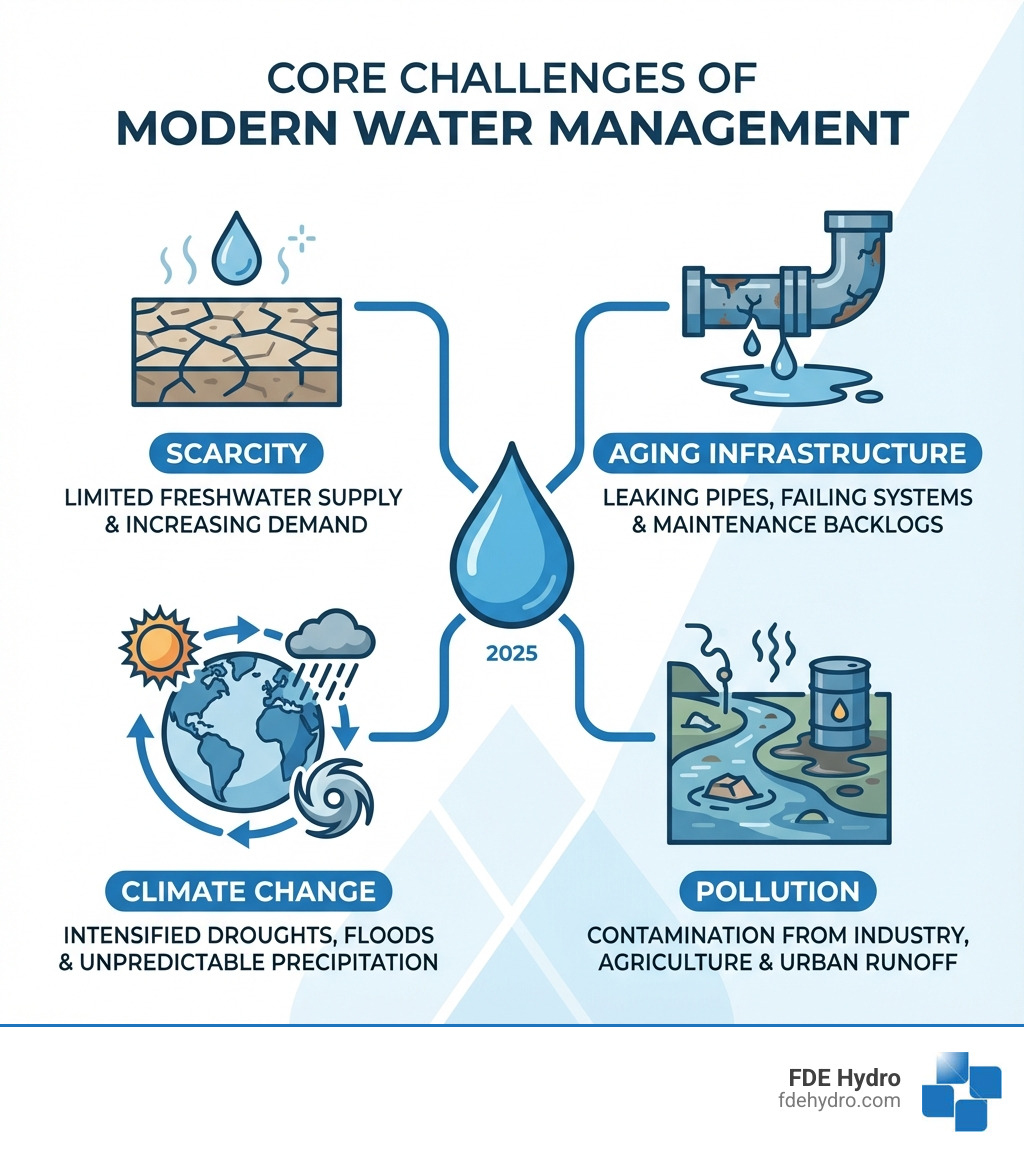
The modern world faces unprecedented challenges in securing a stable and sustainable water supply. From growing populations to the undeniable impacts of climate change, the pressure on our finite water resources is intensifying. These primary challenges faced in modern water management underscore the urgent need for robust water management solutions.
Water scarcity, exacerbated by increasing demand and shifting weather patterns, threatens communities and ecosystems. We see regulatory bodies imposing stricter limits and industries facing higher costs, while the economic consequences of water shortages ripple through every sector. Addressing these issues effectively requires proactive and strategic water management solutions. We believe that by understanding these pressures, we can better appreciate the value of innovative approaches. Our expertise in water infrastructure solutions positions us to tackle these complex problems head-on.
The Challenge of Aging Infrastructure
One of the most significant problems in water management today is our aging infrastructure. Across the United States, Canada, and Europe, many water systems were built decades ago, designed for a different era. Today, these systems are showing their age through leaky pipes, frequent water main breaks, and overall system inefficiencies.
The statistics are stark: in the U.S. alone, an estimated 2.1 trillion gallons of treated drinking water are lost each year due to aging infrastructure. This “non-revenue water”—water that is produced and treated but never reaches customers or generates revenue—represents a massive financial drain and a tragic waste of a precious resource. The cost to replace this failing infrastructure is staggering, with estimates reaching approximately $500 billion. These costs highlight why investing in modern, resilient water management solutions is not just an option, but a necessity. We constantly work to provide solutions that not only fix current problems but also prevent future ones, offering long-term value.
The Impact of Climate Change and Scarcity
Beyond infrastructure, climate change is a powerful force reshaping our water landscape. We observe a worrying increase in the frequency, intensity, and duration of drought events across many regions, including parts of the United States. In fact, 48 U.S. states experienced drought in 2024, a clear indicator of this growing crisis.
Shifting precipitation patterns mean that some areas receive less rain, while others experience more intense, less predictable downpours, leading to increased runoff and reduced groundwater recharge. This puts immense strain on groundwater aquifers, which are vital sources of drinking water and irrigation for numerous communities. The increased demand from a growing population further exacerbates these issues, making effective water management solutions crucial for building Drought Resilience and Water Conservation. We are committed to developing resilient infrastructure that can adapt to these changing conditions, securing water resources for future generations.
To truly address the complexities of modern water challenges, we need a comprehensive toolkit of water management solutions. These solutions are not one-size-fits-all; they are custom to the unique needs of different sectors, from busy cities to vast agricultural lands. Our approach focuses on delivering individualized programs and end-to-end project implementation, ensuring that our clients receive solutions that are both effective and efficient.
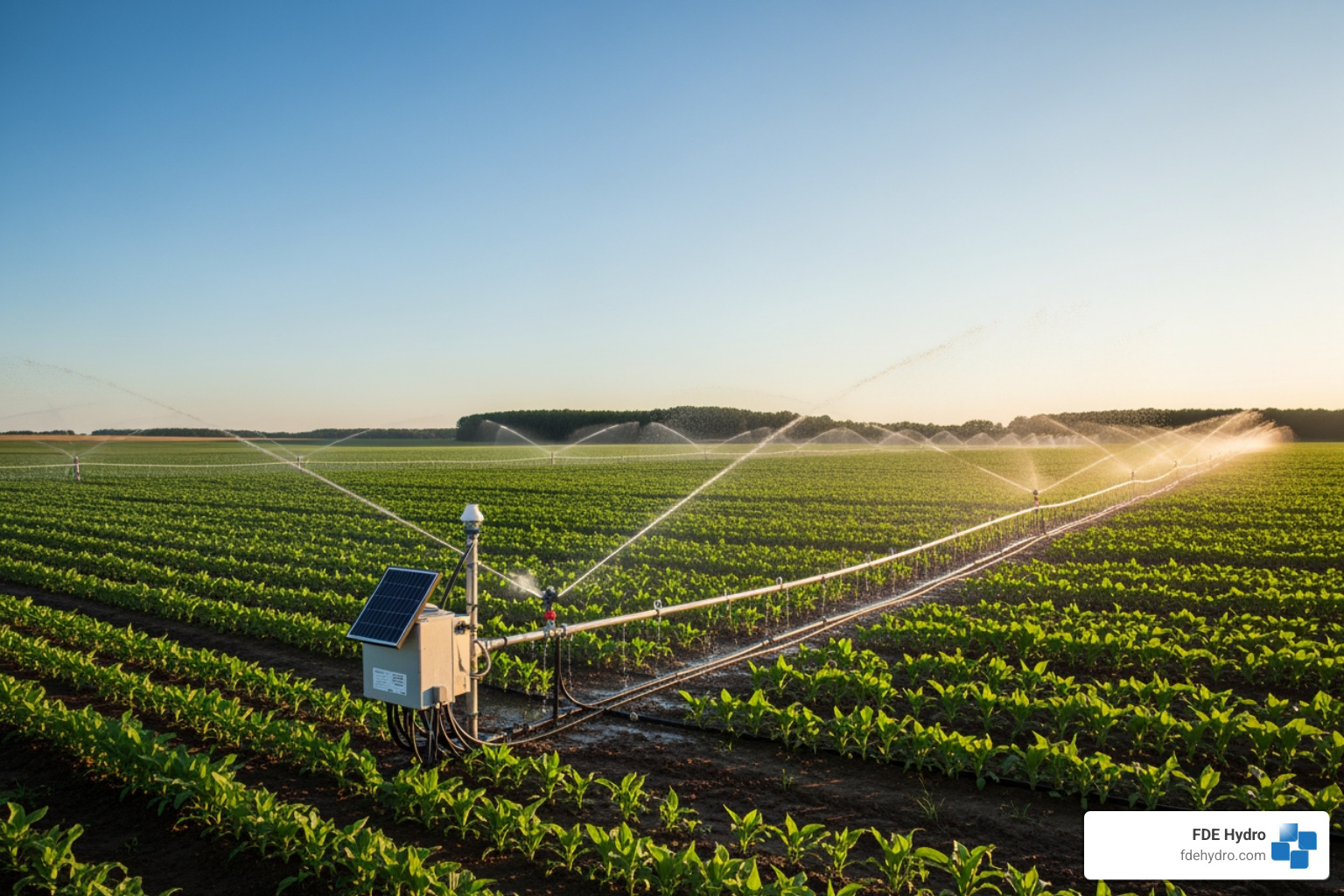
The market offers a diverse range of water management solutions and products, spanning various categories designed to optimize every aspect of water use. We pride ourselves on offering complete management, from expert consulting to advanced water treatment systems, all aimed at cost reduction, water savings, and waste minimization.
Municipal and Public Water Systems
For municipalities and public water systems, the goal is to provide safe, reliable, and affordable drinking water while managing wastewater and stormwater effectively. Our water management solutions for this sector include optimizing water treatment plants, managing extensive distribution networks, and implementing robust wastewater and sewage management systems.
A critical component is leak detection and control programs to combat non-revenue water. The importance of water efficiency for public water systems cannot be overstated. A comprehensive plan involves metering, water audits, water loss control, pressure management, and optimizing treatment processes. For example, one water authority in the U.S. implemented a water efficiency plan that led to an 87% decrease in non-revenue water, saving $25,000 annually in energy and chemical costs. These measures ensure regulatory compliance and safeguard public health. We also offer advanced water control systems to manage flow and distribution effectively. For a deeper dive into these practices, refer to A guide to water efficiency for public water systems.
Industrial and Commercial Applications
Industries and commercial facilities are often major water users, and effective water management solutions can significantly impact their operational costs and environmental footprint. We work with a diverse range of industries, including power plants, manufacturing facilities, commercial HVAC, and hospitality.
Our solutions focus on process water optimization, such as maximizing cooling tower efficiency. Cooling towers are large consumers of water, but through optimization, facilities can save millions of gallons annually. For instance, a U.S. laboratory cut water use by 80%, saving 24.8 million gallons annually, by replacing its single-pass cooling system with a recirculated chilled water loop. Another facility saved 530,000 gallons by reducing cooling tower blowdown. We also focus on wastewater recycling and the recovery of condensate from air handlers, which can be reused as cooling tower make-up water. These specialized solutions are vital for industries to meet their specific needs and comply with regulations, as detailed in our guide to water control infrastructure.
Agricultural and Rural Solutions
The agricultural and rural sectors face unique water management challenges, from irrigation needs to drainage and livestock watering. Our water management solutions in these areas are designed to improve productivity, conserve resources, and build resilience.
We employ smart irrigation technology, utilizing advanced sensors and data to ensure water is applied precisely when and where it’s needed, reducing waste. Field drainage solutions, often involving precision-guided drain tile planning and installation, help farmers get more from their land by optimizing soil moisture. For rural landowners, we provide expertise in on-farm water storage, including the construction of dugouts and dams, to secure local water supplies.
Livestock water systems, using durable materials like HDPE poly pipe and insulated waterers, ensure a reliable supply for animals. These solutions, from culvert rehabilitation to trenching and directional boring for utility lines, empower agricultural and rural communities to manage their water resources more effectively and sustainably. Our water control structures are integral to these efforts.
Leveraging Technology and Data for Smarter Water Management
In today’s interconnected world, effective water management solutions are increasingly reliant on advanced technologies and sophisticated data analytics. The shift from reactive problem-solving to proactive, predictive management is changing how we interact with water resources. We leverage these innovations to improve accuracy and efficiency across all our projects.
The Role of Real-Time Monitoring and Data Analytics
Data is the lifeblood of smart water management. Real-time monitoring, powered by smart water sensors and IoT devices, provides continuous insights into water levels, flow rates, and quality. Radar technology, such as Gauge-Adjusted Radar Rainfall (GARR), combines radar and rain gauge data for highly accurate rainfall measurements, crucial for flood forecasting and hydrological modeling.
Our centralized data platforms, like AEM Elements® 360, integrate diverse data streams, overcoming fragmentation and providing a single, comprehensive view of water resources. This enables predictive modeling for flood forecasting, allowing communities to prepare for and mitigate risks more effectively. The ability to monitor equipment remotely through telemetry also means we can proactively dispatch personnel if a problem arises, preventing minor issues from becoming major crises. For more detailed information, explore More info about water flow sensors.
Advanced Treatment and Supply Technologies
Addressing water scarcity often requires looking beyond traditional sources and treatment methods. Advanced water management solutions include innovative approaches to both supply and treatment. Desalination processes, which remove salt from brackish or seawater, are becoming increasingly viable, especially in drought-prone coastal areas. While historically energy-intensive, research into new methods, such as using salt-tolerant algae, promises to reduce energy costs and even produce biofuels as a byproduct.
Aquifer recharge techniques, including green infrastructure like dry wells and infiltration basins, help replenish underground water sources, combating saltwater intrusion and land subsidence. We also contribute to these advancements through our patented modular precast concrete technology, which significantly reduces the cost and time involved in building and retrofitting water control systems, ensuring sustainable infrastructure development. These technologies are critical in diversifying our water portfolios and building resilience.
Ensuring Compliance with Advanced water management solutions
Meeting regulatory requirements and ensuring water quality are paramount in all water management solutions. With advanced technologies, we can simplify compliance and guarantee that water meets necessary standards. Automated monitoring systems, equipped with specialized sensors, provide real-time data on water quality metrics, allowing for immediate detection and response to potential contaminants.
This continuous monitoring helps facilities meet complex regulatory requirements set by agencies like the EPA, which provides foundational frameworks like the Safe Drinking Water Act and Clean Water Act. By integrating data collection, reporting, and alerts, our solutions streamline the compliance process, providing transparent and auditable records. This proactive approach not only ensures water quality but also minimizes the risk of penalties and improves public trust.
The Ripple Effect: Key Benefits of Optimized Water Systems
Implementing optimized water management solutions creates a powerful ripple effect, extending far beyond simple water conservation. These systems deliver holistic benefits, including significant financial returns, improved environmental stewardship, and greater operational resilience.
Achieving Cost Savings and Water Conservation
One of the most immediate and tangible benefits of optimized water management solutions is substantial cost savings. By reducing water consumption, businesses and municipalities see lower water bills. Furthermore, many water-saving measures also reduce energy consumption, such as optimizing cooling tower operations or eliminating single-pass cooling systems. This translates into decreased energy costs and often reduced chemical costs for water treatment.
Minimizing non-revenue water—the water lost through leaks and inefficiencies—is another major cost-saving area. For example, one U.S. water authority saw an 87% decrease in non-revenue water, leading to annual savings of $20,000 in energy costs and $5,000 in chemical costs. In another instance, a U.S. laboratory cut water use by 80%, saving 24.8 million gallons annually, while an EPA facility saved 1.5 million gallons of water and over $5,000 annually by optimizing its DI/RO system operation. These examples clearly demonstrate how comprehensive water management solutions directly contribute to a healthier bottom line.
Enhancing Sustainability and Corporate Responsibility
Beyond financial gains, optimized water management solutions are fundamental to enhancing sustainability and corporate responsibility. By conserving water, we protect local ecosystems, preserve habitats, and reduce the environmental impact of water extraction and treatment. This commitment to environmental stewardship builds community drought resilience, ensuring that water resources are available even during periods of scarcity.
Furthermore, demonstrating a strong commitment to sustainable water practices improves public perception and helps organizations achieve their broader sustainability goals. We believe that water management is one of the biggest untapped solutions to climate change, requiring thoughtful and integrated approaches. Our efforts empower communities and industries to be better stewards of this vital resource, fostering a more sustainable future for all.
The Future of Water: Emerging Trends and Sustainable Practices
The future of water management is being shaped by continuous innovation, driven by circular economy principles and a relentless pursuit of sustainability. As we look ahead, water management solutions will increasingly focus on maximizing every drop and building resilient infrastructure that can adapt to evolving environmental and societal demands.
The Rise of Water Reuse and Recycling
One of the most promising emerging trends is the widespread adoption of water reuse and recycling. Often referred to as “fit-for-purpose” water, this involves treating and repurposing wastewater (municipal, industrial, stormwater, or even greywater from showers and sinks) for alternative uses. This can range from non-potable applications like landscape irrigation, industrial cooling, and toilet flushing, to increasingly, potable drinking water.
The treatment processes involved in water reuse are rigorous, designed to destroy or remove bacteria, viruses, protozoa, and various chemicals through advanced filtration and disinfection technologies. For potable reuse, additional steps like adding salts and minerals and adjusting pH may be included. The EPA emphasizes that all water can be treated to be safe for its intended use, with redundant processes ensuring health protection.
The scale of this trend is significant: over 500 facilities in the United States recycle water, and there are more than 70 drinking water reuse projects serving over 8 million people per day. This vital approach can significantly reduce the impacts of drought by providing a reliable water supply. For more information, please consult the Basic Information about Water Reuse | US EPA.
Top Water Management Techniques and Best Practices
To achieve comprehensive water conservation and efficiency, we advocate for a range of proven techniques and best practices. These strategies, many of which are championed by the EPA, can be applied across various settings:
- Meter/Measure/Manage: Continuously monitor water usage to identify leaks, inefficiencies, and opportunities for savings. This data-driven approach is fundamental to all effective water management solutions.
- Optimize Cooling Towers: Control the ratio of water discharged to water evaporated, aiming for six or more cycles of concentration for maximum water efficiency in industrial and commercial settings.
- Replace Inefficient Fixtures: Upgrade to WaterSense labeled toilets, urinals, showerheads, and faucet aerators, which significantly reduce water consumption in restrooms and kitchens.
- Eliminate Single-Pass Cooling: Replace systems that use water once before discarding it with recirculating chilled water loops or air-cooled alternatives to drastically cut water use.
- Water-Smart Landscaping: Implement drought-tolerant native plants, efficient irrigation systems, and smart controllers that adjust watering based on weather and soil moisture.
- Control Sterilizer Water: Install tempering water control kits on steam sterilizers or replace older models to ensure water is only used when actively needed, preventing continuous discharge.
- Reuse Laboratory Water: Explore options for reusing culture water and optimizing reverse osmosis (RO) systems, which can account for a significant portion of a laboratory’s water consumption.
- Control RO System Operation: Regulate purified water generation rates to meet demand and ensure RO systems are appropriately sized, potentially saving millions of gallons annually.
- Recover Rainwater: Install rooftop rainwater recovery systems to capture and store precipitation for non-potable uses like toilet flushing, irrigation, and cooling tower make-up.
- Recover Air Handler Condensate: Capture condensate water produced by air conditioning units and repurpose it for cooling tower make-up water, reducing reliance on potable sources.
Frequently Asked Questions about Water Management Solutions
What are the first steps to creating a water management plan?
The first step to creating any effective water management plan is a comprehensive water audit. This involves carefully metering, measuring, and managing your current water usage. By understanding exactly where, when, and how much water you’re using, you can identify leaks, pinpoint inefficiencies, and establish a clear baseline. This crucial data allows us to set realistic conservation goals and select the most impactful water management solutions custom to your specific needs. It’s about gaining clarity before taking action.
How do end-to-end solutions simplify project implementation?
End-to-end water management solutions are designed to simplify project implementation by providing a single, reliable partner for every stage of the process. Instead of juggling multiple vendors, we manage everything from the initial site evaluation and custom plan design to equipment installation, ongoing maintenance, and even removal. This integrated approach ensures seamless communication, guarantees that all equipment and systems are correctly integrated, and maintains consistent quality and accountability throughout the project. The result is a smoother, more efficient project execution and superior outcomes for our clients.
How can businesses ensure the quality and reliability of water management services?
To ensure the quality and reliability of water management solutions and services, businesses should look for partners with proven expertise and a strong commitment to customer satisfaction. A reliable provider offers transparent, performance-based proposals, ensuring the invoice always matches the estimate (barring changes in scope or timeframe). They provide 24/7 support, take ownership of any challenges that arise, and prioritize your business objectives. We believe that equipment is only as good as the people and services behind it, which is why we focus on delivering not just products, but complete, dependable solutions.
Conclusion: Partnering for a Resilient Water Future
The challenges facing our water resources are undeniable, from aging infrastructure and increasing scarcity to the profound impacts of climate change. Yet, as we’ve explored, the power of integrated and innovative water management solutions offers a clear path forward. By embracing advanced technologies, data-driven strategies, and sustainable practices like water reuse, we can transform these challenges into opportunities for resilience, efficiency, and environmental stewardship.
At FDE Hydro™, we are committed to being that reliable partner. With our patented modular precast concrete technology and five decades of expertise in critical water control infrastructure, we provide robust, end-to-end solutions that reduce costs, conserve water, and build a sustainable future. We believe that by working together, we can ensure a secure and thriving water future for communities and industries across the United States, Canada, Brazil, and Europe.
Learn more about our innovative dam solutions and join us in building a more water-resilient world.
by Adaptify Support | Jan 21, 2026 | News
Why Water Resources Management is Critical for Our Future
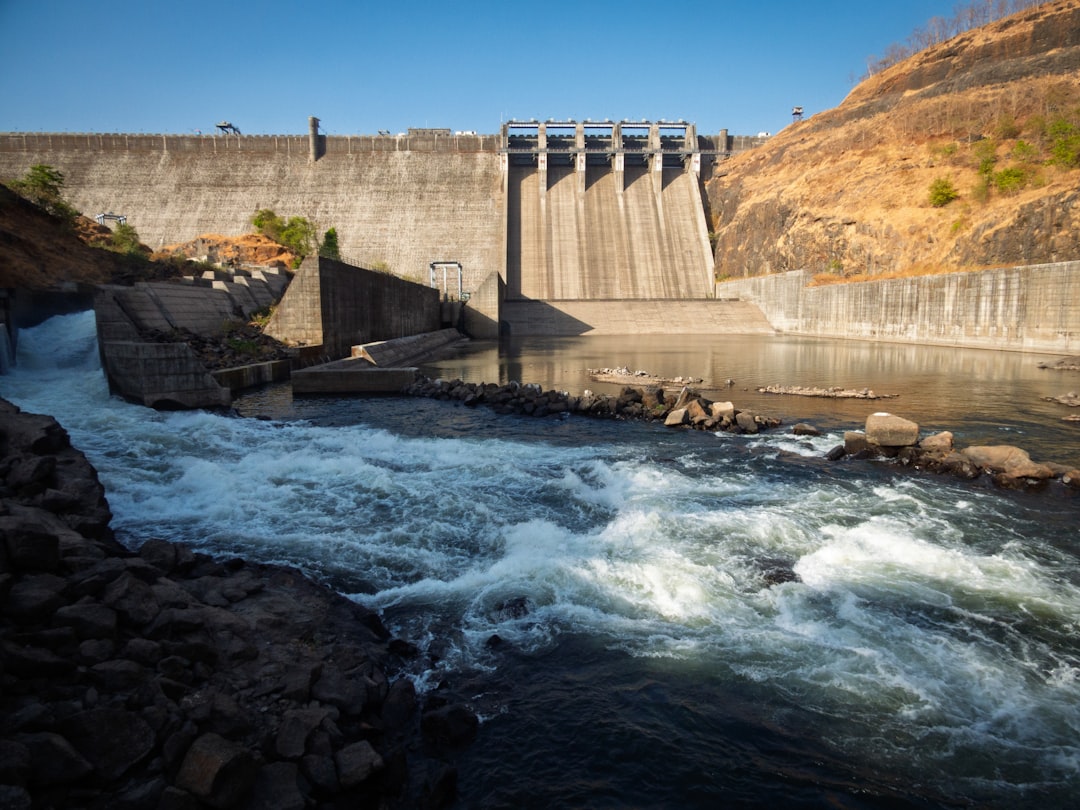
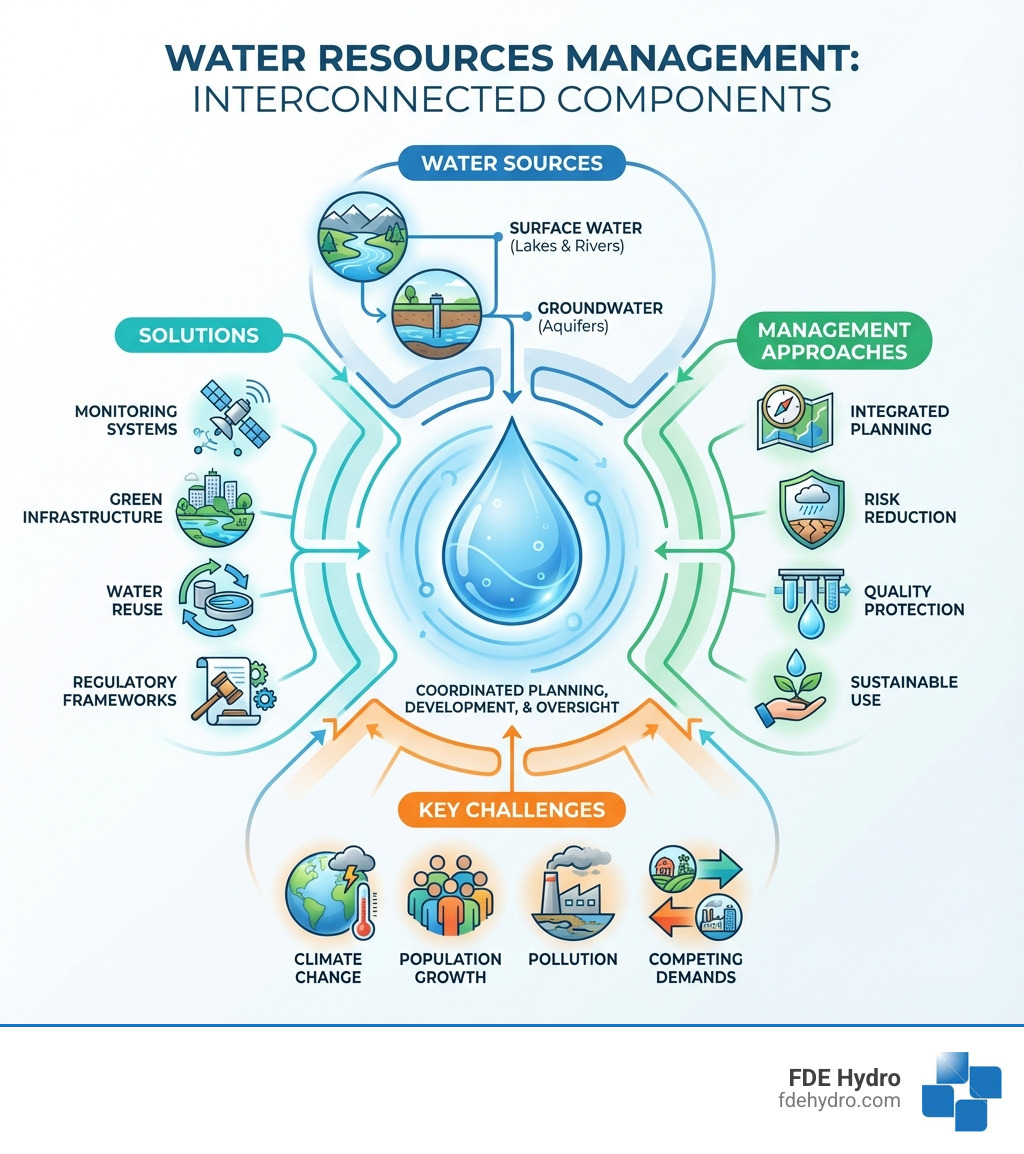
Water resources management is the coordinated planning, development, and oversight of water use and protection to meet current and future human, economic, and environmental needs. At its core, it addresses how we capture, store, distribute, and protect our freshwater supplies while balancing competing demands from agriculture, industry, municipalities, and ecosystems.
Key components of effective water resources management include:
- Integrated Planning – Coordinating surface water and groundwater management across sectors and jurisdictions
- Risk Reduction – Protecting communities from floods and droughts through infrastructure and monitoring
- Quality Protection – Preventing pollution and restoring degraded rivers, lakes, and aquifers
- Sustainable Use – Balancing water extraction with ecosystem needs and long-term availability
- Governance – Establishing clear water rights, regulations, and allocation frameworks
The challenges are urgent and growing. A river carves a landscape over hundreds of years, but a flood can cause devastation in a matter of hours. Climate change is intensifying both extremes—prolonged droughts deplete aquifers and reservoirs, while extreme storms overwhelm aging infrastructure. Agriculture, industry, and growing cities compete for limited supplies. Over 80 percent of large cities already experience “de facto reuse,” where their water supply includes treated wastewater from upstream communities.
Traditional fragmented approaches—where different agencies manage water, land, and ecosystems separately—can no longer meet these interconnected challenges. The shift toward Integrated Water Resources Management (IWRM) recognizes that water is simultaneously an ecosystem component, a natural resource, and a social and economic good. This holistic approach coordinates development across sectors, acknowledges the interdependence of different water uses, and aims for equitable, sustainable outcomes.
I’m Bill French Sr., Founder and CEO of FDE Hydro, where we’ve spent decades developing innovative modular solutions for water resources management in hydropower and civil infrastructure. My experience leading major water control projects—from Boston’s Logan Airport to next-generation hydropower facilities—has shown me that sustainable water management requires both smart policy frameworks and cutting-edge construction technology.
Handy water resources management terms:
A Modern Approach to Water Resources Management: Integration and Sustainability
The journey toward sustainable water resources management is fraught with significant challenges. We face increasing water scarcity due to climate change, escalating demand from a growing global population, and widespread pollution compromising existing supplies. Traditional, fragmented approaches, where water is managed separately by different sectors like agriculture, industry, or municipal supply, often lead to inefficiencies, conflicts, and unsustainable practices. This is where Integrated Water Resources Management (IWRM) steps in as a game-changer.
IWRM addresses these traditional, fragmented approaches by promoting the coordinated development and management of water, land, and related resources. Its core principles recognize water as an integral component of the ecosystem, a natural resource, and a social and economic good. This means considering the interdependence of various water uses—like agricultural irrigation, industrial processes, drinking water supplies, and environmental flows—to achieve equitable socio-economic welfare without compromising the sustainability of vital ecosystems. This holistic view is essential for ensuring that managing one aspect of water doesn’t inadvertently harm another.
At FDE Hydro, our priorities align with these modern principles, focusing on critical areas identified by organizations like the World Bank for reducing water-related risks and managing resources more sustainably. These include:
- Reducing the likelihood and impact of floods and droughts: We must invest in resilient infrastructure and predictive technologies.
- Managing and restoring rivers and aquifers: Protecting these natural systems is fundamental to long-term water security.
- Strengthening ecological outcomes alongside economic productivity: Sustainable development means balancing human needs with environmental health.
We advocate for solutions that incorporate green infrastructure and nature-based approaches alongside traditional grey infrastructure, creating a more robust and adaptable water system. This approach is detailed further in our Water Control Infrastructure Guide 2025.
Water-related risks, particularly floods and droughts, are among the most devastating consequences of climate change and poor management. To mitigate these, we must prioritize proactive strategies. The World Bank emphasizes strengthening early warning systems, hydrological monitoring, and hazard mapping. These tools provide critical information, allowing communities to prepare and respond more effectively to impending disasters.
For drought management, a proactive approach is crucial. This involves not just reacting to scarcity but anticipating it. Methodologies like the Drought Risk and Resilience Assessment (DRRA), supported by the World Bank, help governments proactively manage drought risks by bringing stakeholders together, targeting actions, optimizing resources, and reducing economic losses. This integrated planning is vital for building Sustainable Water Infrastructure that can withstand climatic extremes.
Restoring and Protecting Water Systems
The health of our water systems is directly tied to the health of our communities and ecosystems. Protecting and restoring degraded water systems is essential for long-term security. This involves safeguarding and regenerating catchments, rivers, and aquifers—the vital sources for our drinking water, agriculture, and industries.
A key strategy here is expanding wastewater treatment and water reuse. When we treat wastewater to appropriate standards, we not only reduce pollution but also create alternative water supplies. As a stark reminder of our water cycle’s interconnectedness, over 80 percent of all large cities that source their water from surface water are subject to some level of de facto reuse, meaning their water supply includes outflow from an upstream system. This highlights the urgent need for advanced wastewater treatment and planned water reuse. Improving water quality and protecting biodiversity are also integral, as healthy aquatic ecosystems are more resilient and provide essential services. Our work in Water Infrastructure Solutions often involves designing systems that contribute to these goals.
Strengthening Governance and Institutions
Effective water resources management hinges on robust governance and strong institutions. This means establishing basin-level governance, where water management decisions are made considering the entire hydrological basin, not just arbitrary political boundaries. Such a framework ensures fair allocation of water, continuous monitoring, and accurate valuation of this precious resource.
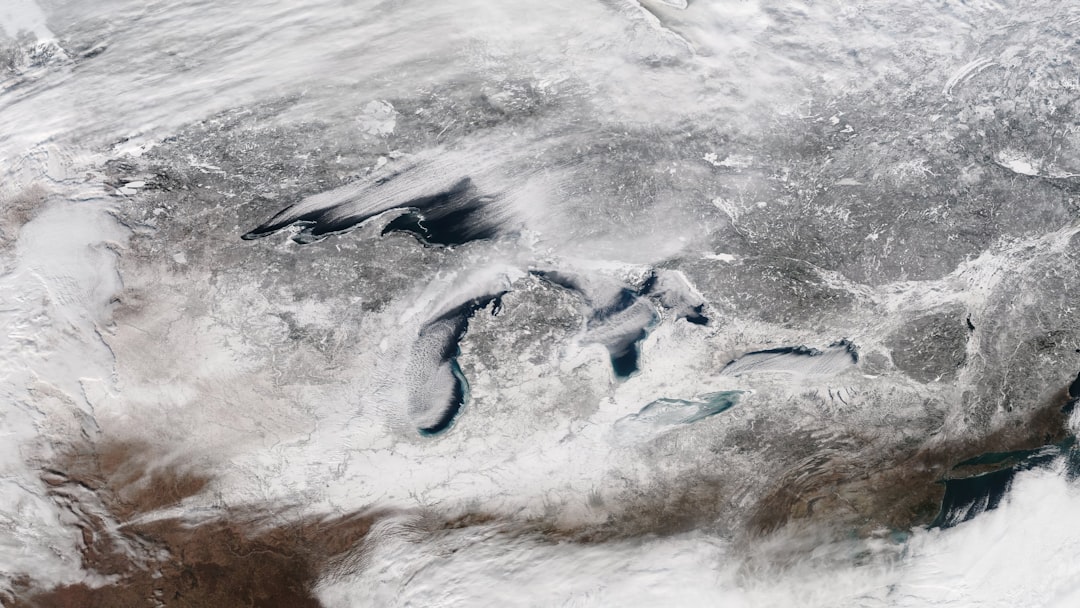
We must build institutional capacity at local, national, and transboundary levels, strengthening legal frameworks for managing shared resources and preventing conflicts. Transboundary water cooperation is particularly vital, especially in regions like the Great Lakes or shared river basins in Europe and Brazil. By establishing institutions, legal frameworks, and financing solutions for sustainable joint management, we can transform potential sources of tension into drivers of regional stability and growth. Our Water Control Systems are designed to integrate seamlessly into such governance structures, supporting transparent and effective management.
Technological Solutions for a Water-Secure Future
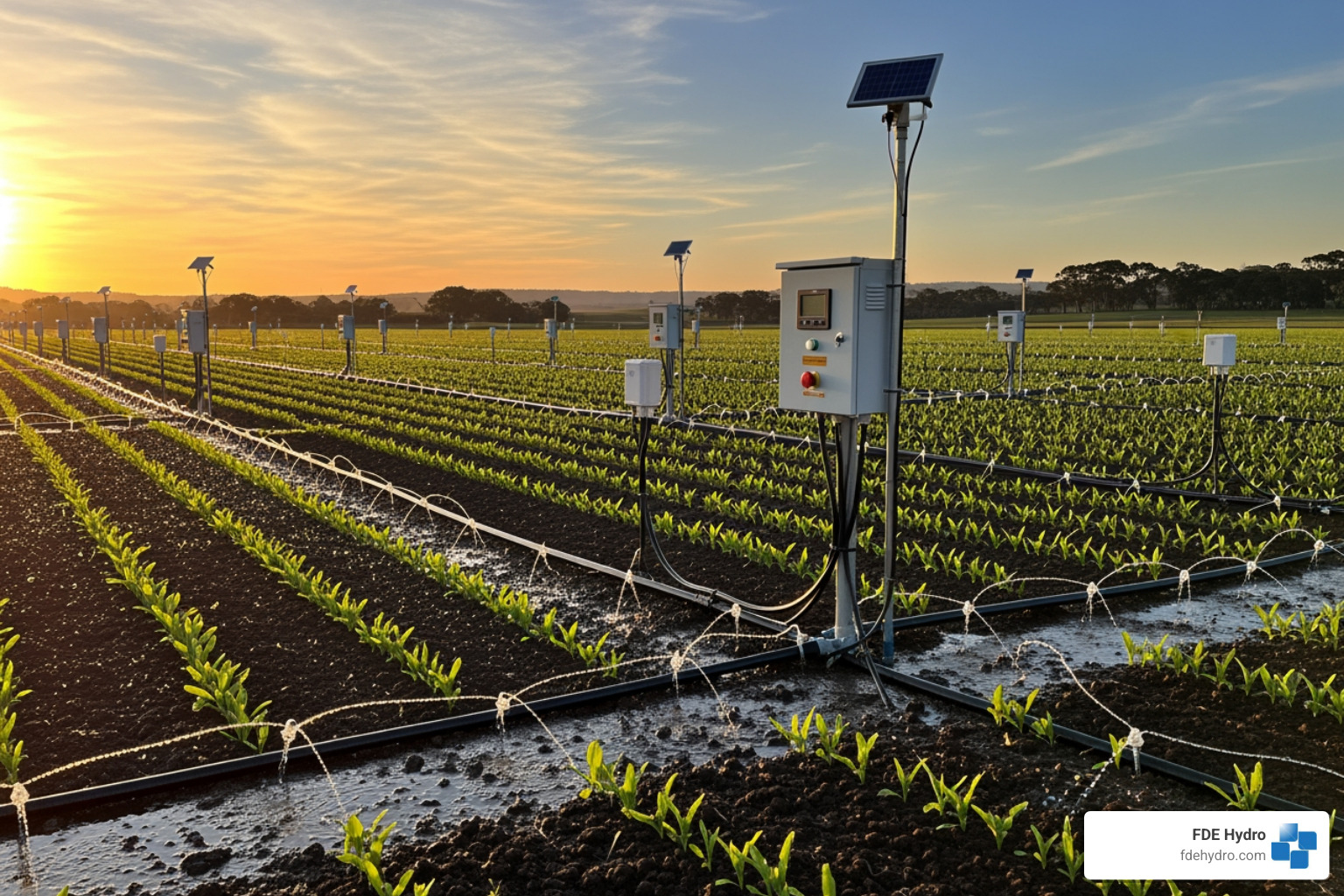
In the face of drought and scarcity, technology offers powerful tools for sustainable water resources management. Demand management, encompassing both water conservation and water efficiency, is a critical starting point. Water conservation aims to reduce water consumption by changing behavior—think shorter showers or xeriscaping. Water efficiency, on the other hand, uses technology to reduce water use without necessarily changing behavior, such as installing low-flush toilets or high-efficiency drip irrigation systems. Both are vital.
At FDE Hydro, we leverage advanced water control technologies to optimize water use. Our smart monitoring and automation systems, often integrated with digital solutions for resource management, allow for precise control and real-time data collection. This enables utilities and industries to manage their water resources with unprecedented accuracy, minimizing waste and maximizing availability. The integration of AI for Resource Management is a rapidly developing field that promises even greater efficiencies.
Water Reuse and Stormwater Capture
Water reuse, including the capture of stormwater, is a cornerstone of sustainable water resources management. It involves treating wastewater or other reclaimed water for various purposes, expanding our available supply. The concept of ‘fit-for-purpose’ treatment is key here; water is treated only to the quality required for its intended use, whether it’s for irrigation, industrial processes, or even indirect potable reuse (recharging aquifers with treated wastewater).
FDE Hydro is involved in developing robust water reuse solutions and smart distribution systems that can effectively transport reclaimed water. Beyond wastewater, stormwater capture plays a crucial role. This involves repurposing runoff that would otherwise contribute to flooding and pollution. Green stormwater infrastructure, such as rain barrels, blue roofs (which retain rainwater), and bioswales, mimics natural hydrology in urban environments, allowing water to infiltrate the ground, reducing runoff, and replenishing local groundwater. These solutions help us manage water sustainably and reduce our reliance on freshwater sources.
Managed Aquifer Recharge (MAR)
Managed Aquifer Recharge (MAR) is a sophisticated technique for replenishing depleted aquifers, which are vital underground water storage units. In areas experiencing groundwater overdraft, MAR actively recharges these aquifers using surface or underground techniques. This can involve diverting water to natural spreading grounds, where it slowly percolates into the ground, or using check dams on ephemeral streams to increase infiltration. More advanced methods include deep-injection wells, which can directly inject water into deeper aquifers.
The benefits of MAR are numerous: it increases water storage, improves water quality through natural filtration (though careful water quality management is needed for injected water), mitigates land subsidence, and helps maintain baseflows in rivers and streams. However, challenges include ensuring the quality of source water, managing potential clogging of recharge sites, and securing sufficient water for recharge, especially during droughts. Our understanding of Managed Aquifer Recharge is continuously evolving, highlighting its importance in our long-term water security strategy.
Policy in Action: Water Management Case Studies
Effective water resources management isn’t just about technology; it’s also deeply rooted in robust policy and regulatory frameworks. We see this in real-world applications across Canada, the United States, Europe, and Brazil, where regional and watershed strategies are being implemented to address specific local and national challenges. These policies provide the structure within which sustainable practices can flourish, as highlighted by resources like Water management – Canada.ca.
Ontario’s Water Quantity Management Program
Let’s look at Ontario, Canada, a province blessed with abundant freshwater. Ontario has more than 250,000 lakes, including parts of the Great Lakes, which together contain about one-fifth of the world’s fresh surface water. While seemingly limitless, these resources require careful management. Over 2.5 million people in Ontario rely on groundwater for their drinking water, and up to 70% of the water flowing into rivers and streams, and 40% of the water flowing into the Great Lakes basin, starts as groundwater.
Ontario’s ‘Permit to Take Water’ program is a cornerstone of its water resources management. If you plan to take more than 50,000 litres of water from the environment on any day, you must have a permit. This threshold is surprisingly low; an average backyard pool holds approximately 50,000 litres of water. The application process involves detailed review, public notification, and evaluation to ensure the taking does not harm the environment or other water users.
When examining water takings by sector, the majority by permit holders in Ontario is for industrial purposes and power production (such as nuclear and natural gas power generation facilities), accounting for roughly 91% of total permitted takings. While agriculture and water bottling receive a significant number of permits, the actual volume of water taken is relatively small, with groundwater taken for bottling being significantly less than 1% of the permitted water takings.
Recent improvements to Ontario’s water taking program, implemented as part of its “Made-in-Ontario Environment Plan,” aim to further protect water resources and ensure sustainable use. These improvements, which apply to all permitted water users, include requiring municipal support for new bottled water takings, establishing priorities of water use, and implementing an adaptive approach for managing multiple takings. The purpose is to ensure water resources are protected and used sustainably. Furthermore, Ontario has implemented source protection plans across 38-watershed-based areas, demonstrating a commitment to local, integrated management. You can learn more about these enhancements on the provincial government’s website.
U.S. State-Level Integrated Strategies for Water Resources Management
In the United States, states like California are at the forefront of developing comprehensive strategies for water resources management, especially given recurring droughts and increasing demand.
California’s Water Plan outlines a broad set of ‘Resource Management Strategies’ (RMSes) designed to help local agencies and governments manage their water and related resources. These RMSes are techniques, programs, or policies that vary by region, depending on factors like climate, growth, existing infrastructure, and environmental conditions. The benefits of these strategies aren’t always additive; they can be complementary or even compete for resources, requiring careful planning.
The 2023 updates to California’s Water Plan RMSes emphasize three intersecting themes: addressing climate urgency, strengthening watershed resilience, and achieving equity in water management. These updates reflect the growing understanding that water management must be integrated with broader environmental and social goals. Key strategies include:
- Agricultural and Urban Water Use Efficiency: Promoting permanent efficiency measures rather than just drought-response tactics.
- Conjunctive Water Management: Coordinating the planned use and management of both surface water and groundwater resources to maximize supply reliability.
- Water Supply Augmentation: Exploring options like municipal recycled water and desalination, which is one of the few options to augment California’s water supply.
- Watershed Management: Restoring and sustaining watershed functions to improve water quantity and quality.
These comprehensive strategies demonstrate a commitment to adapting water management to new realities, ensuring resilience for the future.
The Role of Legal and Judicial Frameworks in Water Resources Management
Beyond technological and policy initiatives, judicial decisions play a surprisingly significant role in water resources management, particularly in areas facing drought and scarcity. The legal frameworks surrounding water rights provide the essential certainty needed for long-term planning and investment in sustainable water solutions.
Judicial decisions, through adjudications and court interpretations, establish and clarify water rights. This certainty is crucial because it enables innovative partnerships, water transfers, leases, and exchanges of existing water rights. For example, a landmark 1989 Arizona Supreme Court ruling in ‘Arizona Public Service v. Long’ provided cities with the legal clarity to invest confidently in wastewater reclamation, knowing they had established rights to sell that reclaimed water. Without such legal certainty, the financial risks associated with large-scale water projects become prohibitive, hindering progress toward sustainable management. This interplay between law, technology, and management is explored in depth in resources like How Do Water-Resource Managers Sustainably Manage Water in the Face of Drought and scarcity?.
Frequently Asked Questions about Water Resources Management
What is the difference between water conservation and water efficiency?
While often used interchangeably, water conservation and water efficiency have distinct meanings in the field of water resources management. Water conservation primarily focuses on changing human behavior to reduce water consumption. Examples include taking shorter showers, turning off the tap while brushing teeth, or choosing drought-resistant plants for landscaping (xeriscaping). Water efficiency, on the other hand, involves using technology to reduce water use without necessarily requiring a change in behavior. This includes installing low-flow showerheads, high-efficiency washing machines, or drip irrigation systems that deliver water directly to plant roots. Both strategies are crucial for reducing overall water demand.
What is Integrated Water Resources Management (IWRM)?
Integrated Water Resources Management (IWRM) is a process that promotes the coordinated development and management of water, land, and related resources. Its primary goal is to maximize economic and social welfare in an equitable manner without compromising the sustainability of vital ecosystems. IWRM explicitly addresses traditional, fragmented approaches to water management by recognizing the interdependence of various water uses and stakeholders. It views water as an integral component of the ecosystem, a natural resource, and a social and economic good, advocating for a holistic perspective in all planning and decision-making.
Why is groundwater so important?
Groundwater is an incredibly important, yet often unseen, component of our water resources management. For millions of people, it’s a primary source of drinking water; for example, over 2.5 million people in Ontario, Canada, get their drinking water from groundwater. Beyond direct consumption, groundwater plays a critical role in sustaining surface water bodies: up to 70% of the water flowing into rivers and streams and 40% of the water flowing into the Great Lakes basin start as groundwater. It acts as a natural reservoir, slowly releasing water during dry periods, which is vital for agriculture, maintaining wetlands, and supporting aquatic ecosystems, making it a crucial buffer against drought and scarcity.
Conclusion: Building a Resilient Water Future
As we’ve explored, effective water resources management is a complex but essential endeavor for our future. It requires a multifaceted approach that integrates advanced technologies, sound policy frameworks, and robust governance. From embracing Integrated Water Resources Management (IWRM) to implementing smart water technologies like advanced monitoring, water reuse, and Managed Aquifer Recharge (MAR), we are constantly evolving our strategies to meet the challenges of scarcity, climate change, and growing demand.
The importance of sustainable practices cannot be overstated. As we at FDE Hydro often say, The Biggest Untapped Solution to Climate Change is in the Water. Our innovative, patented modular precast concrete technology, “French Dam,” exemplifies this commitment by significantly reducing construction costs and time for building and retrofitting hydroelectric dams and water control systems in North America, Brazil, and Europe. This allows us to contribute to resilient water infrastructure that not only generates sustainable energy but also improves water management capabilities.
Building a water-secure future requires collective action, continuous innovation, and a deep understanding of our most precious resource. We invite you to be part of this future.
Explore advanced hydropower solutions
by Adaptify Support | Jan 16, 2026 | News
Why Water Management AI Matters Now More Than Ever
Water management AI applies artificial intelligence to optimize how we monitor, distribute, and protect our water resources. By combining smart sensors, predictive analytics, and automated systems, this technology addresses critical challenges like leak detection, demand forecasting, flood prediction, wastewater treatment, and agricultural irrigation.
Global pressures like population growth, urbanization, and climate change are straining our water systems. Agriculture consumes over 85% of available water in some areas, and traditional, static management methods can’t keep up with fluctuating conditions or aging infrastructure. This leads to wasted energy, treatment delays, and mounting pressure on utilities to do more with less.
This is where Water management AI becomes transformative. The technology is already in use today. Cities like Tucson, Arizona, use machine learning to predict pipe breaks, while researchers deploy AI to forecast droughts. Even data centers are using smart water management to address their own consumption, which is projected to reach 150 to 180 billion liters in the U.S. by 2028.
With the global AI market growing at 37.3% annually and U.S. investment in digital water solutions expected to hit $10.8 billion by 2030, this is more than just technology adoption. It’s about fundamentally reimagining our approach to a critical resource.
As Bill French Sr., Founder and CEO of FDE Hydro™, I’ve spent decades in heavy civil construction and now focus on next-generation hydropower, where Water management AI represents a major shift. My work with the Department of Energy’s Water Power Technology Office and Oak Ridge National Lab has reinforced that intelligent systems are essential for the future of water security.
The infographic above illustrates the top five water management challenges that AI technology is actively solving: Infrastructure Leaks (detecting and preventing water loss in distribution systems), Water Contamination (real-time monitoring and quality assessment), Operational Inefficiency (optimizing treatment processes and energy use), Water Scarcity (demand forecasting and conservation planning), and Disaster Prediction (early warning systems for floods and droughts).
Current Applications of Water Management AI Across Sectors
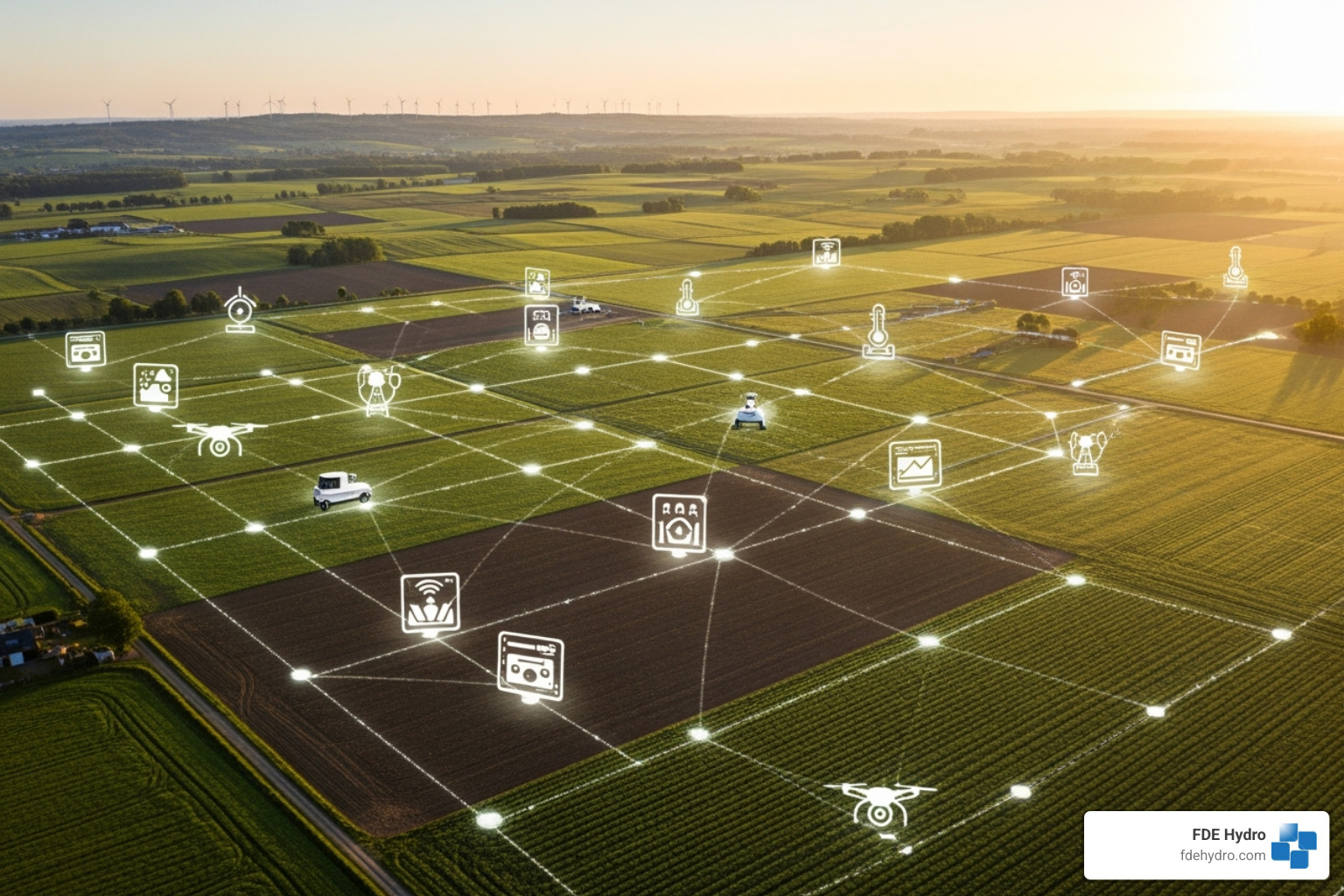
The real power of Water management AI is clear in its applications across urban infrastructure, agriculture, and industry. These intelligent systems are fundamentally changing how we manage water.
Optimizing Urban Water Systems
Instead of waiting for pipes to burst, cities are now using AI to predict failures. In 2020, Tucson, Arizona, implemented machine learning from VODA.ai to manage its 4,600 miles of water pipes. By analyzing historical failures, soil conditions, and weather, the AI calculates the Likelihood and Consequence of Failure for each pipe, allowing utilities to prioritize repairs and prevent emergencies.
Beyond leak detection, demand forecasting helps utilities optimize supply and reduce waste. Predictive maintenance schedules repairs for water control structures before critical failures occur, extending infrastructure life. In wastewater treatment, AI can help identify and prevent leaks in water distribution systems and optimize processes. Since aeration can account for 60% of a facility’s energy use, AI-driven optimization yields substantial energy savings and improves water quality.
Revolutionizing Agriculture with Precision Irrigation
Agriculture accounts for a massive portion of water use, often inefficiently. Water management AI addresses this with precision irrigation. These systems analyze data from soil moisture sensors and weather pattern analysis to calculate exact crop water requirements based on growth stage and conditions.
This means farmers water crops only when and where needed. AI can help optimize water usage by providing insights that reduce waste while improving yields, which is crucial for sustainable agriculture. In regions like Africa, AI-powered mobile platforms are even helping smallholder farmers monitor irrigation in real-time.
Enhancing Industrial Efficiency and Hydropower
Industrial facilities use AI to optimize water-intensive processes like cooling. Data centers, for example, generate immense heat, and water-based cooling is 23.5 times more efficient than air-based methods. AI optimizes these systems to reduce both energy consumption and water waste.
In the hydropower sector, AI enables real-time monitoring of water levels, flow rates, and equipment. This allows for precise optimization of water releases through turbines, balancing energy generation with environmental flows. Reinvigorating hydropower with AI also enables predictive maintenance, extending equipment life and ensuring optimal energy generation without compromising water quality management for downstream ecosystems.
As climate change increases the frequency of floods and droughts, traditional forecasting struggles. AI excels at flood forecasting by simultaneously analyzing satellite data, river level monitoring, and weather information to create highly accurate predictions. AI can be used to analyze data from weather forecasts, providing timely warnings that allow communities to prepare.
Similarly, AI is used for drought prediction. The International Water Management Institute is harnessing AI-driven tools to forecast droughts in Africa, mapping groundwater and predicting water availability. These early warning systems protect lives and livelihoods by giving people time to prepare, turning potential tragedies into manageable events.
The Technology Behind Smart Water: AI Algorithms and Models

Behind Water management AI are sophisticated algorithms that process vast amounts of data, recognize patterns, and learn from experience at a scale impossible for humans.
Key Technologies in Water Management AI Solutions
Several key AI technologies are used, often in combination:
- Artificial Neural Networks (ANNs), inspired by the human brain, are excellent at spotting complex patterns, like predicting water quality from multiple factors.
- Deep Learning (DL) models, which are ANNs with many layers, handle more complex tasks like analyzing satellite imagery to map floods.
- Long Short-Term Memory (LSTM) Networks are specialized for time-series data, making them ideal for predicting river levels or daily water demand. In a recent Japanese study, researchers trained LSTM networks to predict river discharge with high accuracy.
- Computer Vision allows AI to interpret images from drones or satellites to inspect water control structures or monitor reservoir levels.
- Support Vector Machines (SVM) and Random Forests are effective for classification tasks, such as determining if water quality meets safety standards.
- Natural Language Processing (NLP) helps analyze documents and public feedback to inform policy and risk assessment.
From Data to Decisions: How the Algorithms Work
The process begins with data from IoT sensors, weather stations, and historical records. This raw data is messy, so data preprocessing is a crucial first step to clean, standardize, and fill in missing values.
Next, through pattern recognition, algorithms identify non-obvious relationships, such as the specific conditions that lead to pipe failures. During model training, the AI practices on historical data, adjusting its parameters to improve accuracy. The ultimate goal is predictive modeling—forecasting future events like pipe failures or water demand.
Modern systems are powerful because of real-time data analysis, continuously updating predictions as new data arrives. For example, the AquaFlowNet framework uses machine learning to predict wastewater flows and assess water quality in real-time, preventing overflows. At FDE Hydro™, we see this intelligence layer as the perfect complement to our work in reinvigorating hydropower, as it optimizes the performance and lifespan of critical water assets.
The Double-Edged Sword: Benefits and Challenges of AI in Water

Water management AI offers tremendous benefits but also presents significant challenges that must be addressed.
Major Benefits of AI Implementation
The advantages are impressive. Increased efficiency is paramount, as AI optimizes complex distribution networks and treatment processes. For example, the AquaFlowNet framework improved wastewater management efficiency by 93.9%. This leads directly to water conservation by catching leaks early and forecasting demand accurately. Improved reliability comes from proactive maintenance, which prevents infrastructure failures and service disruptions. These factors combine to deliver reduced operational costs from lower energy use and water loss, and provide managers with data-driven insights for improved decision-making.
Here’s the uncomfortable truth: the technology used to save water is a massive water consumer itself. The issue lies with data centers, which house the servers that power AI. These facilities generate immense heat, and water-based cooling, while 23.5 times more efficient than air-cooling, requires enormous amounts of water.
A single 1 MW data center can consume 25.5 million liters of water annually. By 2028, U.S. data centers are expected to require 150 to 180 billion liters of fresh water. The energy consumption is also staggering, with its own indirect water footprint. This paradox is driving innovation in closed-loop water recycling and the use of treated wastewater for cooling.
| Cooling Method |
Efficiency (vs. Air-cooled) |
Water Demand (Illustrative) |
| Air-cooled |
1x |
High energy, no direct water consumption |
| Water-cooled |
23.5x |
Significant direct water consumption |
The table above compares the relative efficiency and water demand of air-cooled versus water-cooled data centers, illustrating the trade-offs involved in managing the heat generated by AI infrastructure.
Ethical Considerations and Governance
Beyond the environmental footprint, Water management AI raises important ethical questions.
- Data privacy is a concern, as detailed customer usage data must be protected.
- Algorithmic bias can occur if AI models learn from historical data that reflects past inequities, potentially leading to unfair water allocation.
- Equitable water allocation during scarcity must be ensured, prioritizing human needs alongside economic efficiency.
- Job displacement is a possibility as AI automates tasks, requiring strategies for workforce retraining.
These challenges highlight the urgent need for governance frameworks that ensure transparency, accountability, and ethical oversight. Building trust in AI requires explainable models that explain the decision-making process. At FDE Hydro™, these considerations inform how we integrate intelligent systems into water control structures, ensuring technology is deployed thoughtfully and equitably.
The Future of Water: AI’s Role in Global Security and Sustainability
The story of Water management AI is just beginning, but it’s clear the technology will be essential in reshaping how we secure and sustain our most precious resource.
The Future of Water Management AI: Global Security and Sustainability
AI’s impact is especially critical in water-stressed regions. Africa, for example, is becoming a center for innovation. The International Water Management Institute (IWMI) is harnessing AI-driven tools to forecast droughts in Africa, map groundwater, and optimize irrigation. Success depends on developing localized AI models that fit unique regional conditions, building local capacity by training local experts, and fostering international collaboration.
As the World Economic Forum notes, AI must be integrated with strong policy. The technology can help identify policy gaps and guide governments in creating regulations that bolster water and climate resilience.
Projecting the Long-Term Impact
Looking ahead, we are moving toward autonomous water networks that can sense, predict, and self-adjust in real-time. These intelligent systems will achieve system-wide optimization, tracking every drop from source to tap and back again.
This will lead to a dramatic reduction in energy consumption, making a real contribution to net-zero goals. For FDE Hydro™, this is particularly relevant to maximizing hydropower efficiency while protecting environmental flows. Most importantly, AI will help build resilient infrastructure that can withstand climate change through predictive maintenance and early warning systems.
This vision aligns with our work on aging infrastructure being replaced with next generation civil solutions. Combining our modular precast concrete technology with AI-powered optimization creates water infrastructure that is not just built for today, but is adaptable for the future. Technology also helps minimize the duration of impacts when problems occur, shrinking recovery times from days to hours.
The path forward requires better data, stronger governance, and continued innovation. Water management AI will be central to achieving global water security, and it’s an opportunity FDE Hydro™ is proud to be part of.
Frequently Asked Questions about AI in Water Management
What are the main benefits of using AI in water management?
AI delivers significant benefits by improving efficiency in water distribution and treatment, which leads to major cost savings. It improves water conservation by detecting leaks and predicting demand, enables proactive risk management through predictive maintenance, and ensures improved water quality monitoring in real-time. The result is cleaner, more reliable, and more sustainable water resource management.
AI acts as a sophisticated forecasting tool. It analyzes vast amounts of data simultaneously, including historical data, real-time weather forecasts, satellite imagery, and river levels. By identifying patterns that precede disasters, AI models can issue highly accurate and timely warnings, giving communities precious time to prepare, evacuate, and mitigate the impacts of floods and droughts.
The water footprint of AI refers to the large quantity of water consumed by the infrastructure that powers it, primarily data centers. These facilities use thousands of powerful servers that generate immense heat. Water-based cooling systems are highly efficient but require millions of liters of water annually. This creates a paradox where the technology used to manage water is also a significant water consumer, driving the need for more sustainable AI infrastructure.
Conclusion
We are at a turning point where Water management AI is fundamentally reshaping our relationship with water. We’ve seen how it is optimizing urban infrastructure, agriculture, and industry while providing critical warnings for floods and droughts.
While challenges like AI’s own water footprint and ethical considerations require responsible solutions and strong governance, they do not diminish the technology’s transformative potential. At FDE Hydro™, we focus on next-generation hydropower solutions, and our patented modular precast concrete technology, the French Dam, is designed to integrate with the intelligent systems of tomorrow. Combining advanced civil engineering with the power of Water management AI creates infrastructure that adapts, learns, and optimizes.
The future we are building is one where water scarcity is managed, infrastructure is self-monitoring, and communities are resilient. This is happening now, from Tucson to Japan to Africa. The path forward requires collaboration, but the potential for global water security is immense. At FDE Hydro™, we are proud to be part of building a future where intelligence meets infrastructure, ensuring everyone has the clean, reliable water they need to thrive.
by Adaptify Support | Jan 14, 2026 | News
Why Dam Flood Control Matters to Lives, Economies, and Infrastructure
Dam flood control refers to the strategic use of dams and reservoirs to capture, store, and regulate excess water during flood events, reducing downstream damage to communities and infrastructure. Here’s how it works:
Key Functions of Dam Flood Control:
- Water Storage – Reservoirs capture floodwaters before they can overwhelm downstream areas
- Flow Regulation – Controlled release of water reduces peak flow and extends flood duration
- Peak Reduction – Dams can reduce flood peaks by 12-22%, saving approximately $53-96 billion annually in GDP losses
- Multi-Purpose Operation – Balances flood control with water supply, hydropower, and recreation
Flooding has emerged as one of the most impactful disasters of our time. Nearly two billion people live in areas prone to high flood risk, with 660 million in urban regions exposed to river flooding. In the United States alone, the 1993 Mississippi River flood killed 50 people and caused $12 billion in damage. Around the world—from Southeast Asia to Australia to Venezuela—communities face this threat every year, made worse by changing precipitation patterns from global warming.
Dams stand as a cornerstone of modern flood management. They don’t just block water—they actively manage it. By storing floodwaters in reservoirs and releasing them in a controlled manner over time, dams lengthen the passage of floods and reduce peak flows that would otherwise devastate communities, farmland, and critical infrastructure downstream.
But dam flood control isn’t simple. These massive structures must balance competing demands: protecting against floods while supplying drinking water, generating clean hydroelectric power, supporting recreation, and sustaining ecosystems. The engineering challenges are immense. The economic stakes are enormous. And the consequences of failure can be catastrophic—during the twentieth century, more than 8,000 people perished in over 200 dam failures.
As the founder and CEO of FDE Hydro™, I’ve spent decades developing innovative solutions for water infrastructure, like modular civil construction methods that revolutionize dam flood control. My experience in heavy civil construction and strategic planning for next-generation hydropower has given me deep insight into the critical importance and complex challenges of dam-based flood management.
In this guide, we’ll walk through how dam flood control actually works—from the basic anatomy of these structures to the sophisticated operations that keep communities safe. We’ll examine the economics, the environmental trade-offs, the risks, and the innovations that are shaping the future of flood management.
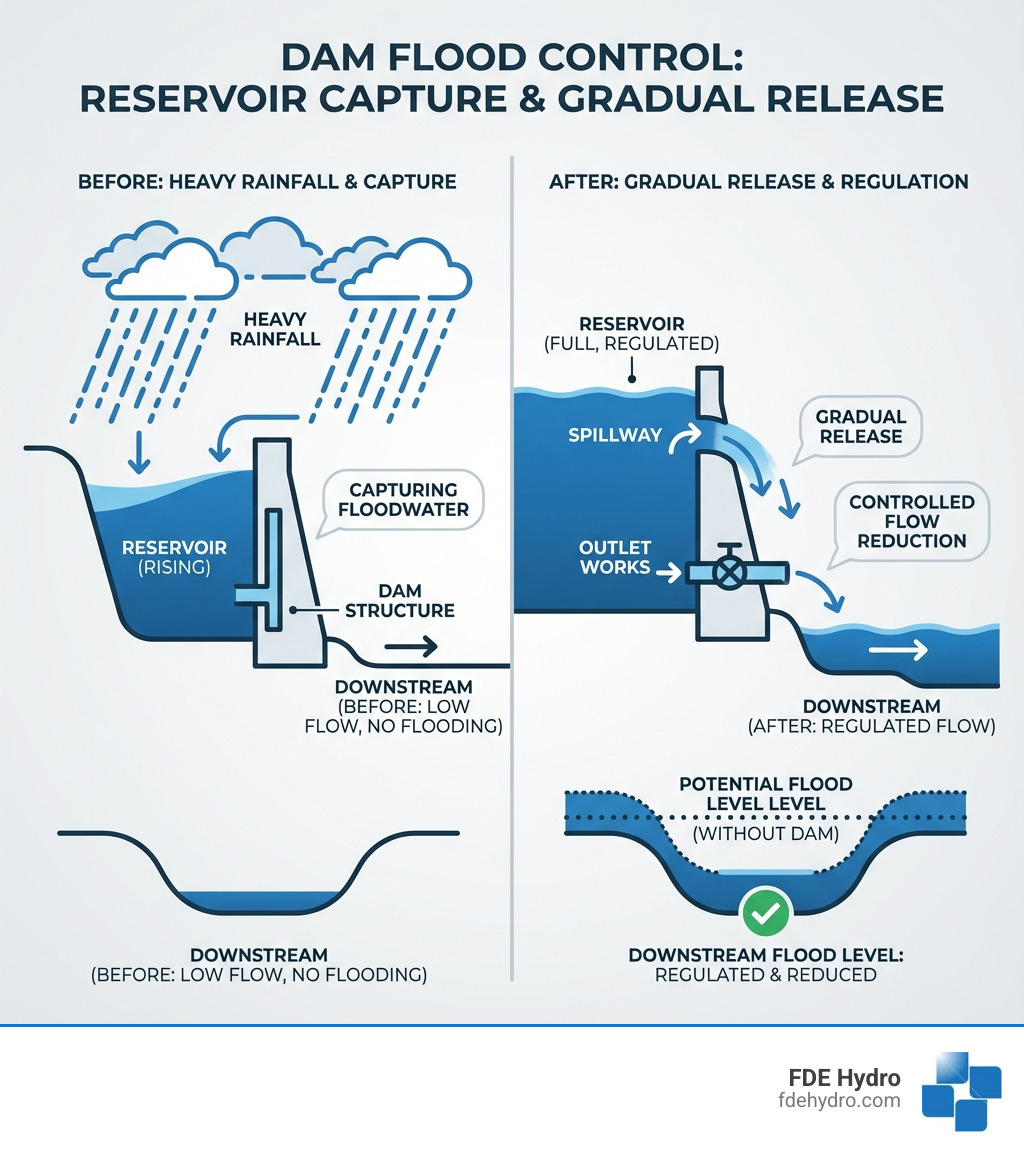
Common Dam flood control vocab:
The Anatomy of Flood Control Structures
When we talk about managing water, it’s easy to confuse the various structures involved. Let’s start by clarifying the fundamental differences between the main players in flood defense: dams, dikes, and levees.
Dams vs. Dikes
The primary difference between dikes and dams in flood control lies in their orientation and purpose. Think of it this way:
- Dikes run parallel to a body of water, like a river or coastline. Their main job is to keep water away from land. They act as continuous barriers, protecting low-lying areas from encroaching water. Beyond flood prevention, dikes are also used for land reclamation and shoreline protection.
- Dams are built perpendicular across a river or waterway. Their purpose is to hold back water, creating a reservoir upstream, and to control its flow downstream. Dams are the ultimate multitaskers, serving not only for dam flood control but also for water storage, hydroelectric power generation, and even recreation.
Levees & Flood Walls
Levees are essentially man-made embankments, typically made of earth, built along the banks of a river or other body of water. Much like dikes, their function is to prevent water from overflowing its natural banks and inundating adjacent land. Flood walls, on the other hand, are often concrete or masonry structures, used in urban areas where space is limited, providing a rigid barrier against rising waters.
These local flood protection works create a physical barrier whose effectiveness relies on continuous maintenance by local agencies. This includes promoting sod growth to prevent erosion, removing burrowing animals, and regular mowing. Crucial inspections check for settlement, seepage, and clear drainage systems, ensuring the structures are always ready to divert floodwaters. You can learn more about these structures by visiting our guide on Water Control Structures.
Here’s a quick comparison:
| Structure |
Function |
Orientation |
Primary Purpose |
| Dam |
Stores and regulates water flow |
Perpendicular across waterway |
Flood control, water storage, hydropower, recreation |
| Dike |
Blocks water from entering land |
Parallel to water body |
Flood prevention, land reclamation, shoreline protection |
| Levee |
Blocks water from river overflow |
Parallel to river bank |
Local flood protection, prevents inundation of adjacent land |
Dam Construction Materials and Key Components
The materials we choose for dam construction are crucial, influencing a dam’s strength, longevity, and suitability for different environments.
Construction Materials
Dams are generally constructed from three basic materials: earth, rocks, and concrete.
- Earthen Dams: These are the most common type, making up about 80% of all dams in the United States and Canada. They are practical and often inexpensive to build, especially in broad valleys, using locally available soil and clay.
- Rockfill Dams: These dams use compacted rock for their main structure, often with an impervious core (like clay) or a watertight membrane (like concrete or asphalt) on the upstream face to prevent seepage.
- Concrete Dams: These are massive structures, typically anchored to solid bedrock. There are several types:
- Gravity Dams: Rely on their sheer bulk and weight to resist the water’s pressure. They can often remain stable even if floodwaters overtop them.
- Buttress Dams: Use a series of supporting buttresses to transfer the water load to the foundation, often lighter than gravity dams.
- Arch Dams: Curved structures that transfer the water’s pressure horizontally to the valley walls. They are often less expensive to build than gravity dams but can be more vulnerable to localized failures.
At FDE Hydro, we’re pushing the boundaries of concrete dam technology with our innovative modular precast concrete systems, sometimes referred to as “French Dam” technology. This approach significantly reduces construction costs and time for new and retrofitted hydroelectric dams and water control systems in North America, Brazil, and Europe. Our advanced methods ensure robust and resilient structures. You can explore more about these techniques in our article on Dam Construction Methods.
Essential Components
Beyond the main structure, several essential components ensure a dam functions effectively for flood control:
- Outlet Works: These are gates or conduits, typically located near the base of the dam, designed to discharge normal low-water flow. They allow operators to control the rate at which water is released from the reservoir, a critical function for managing downstream river levels and mitigating flood impacts.
- Spillways: Often called the “safety valves” of a dam, spillways are generally broad, reinforced channels (or sometimes tunnels) that allow excess water to escape harmlessly when the reservoir reaches a certain level. This prevents water from overtopping the dam itself, which could lead to catastrophic failure. Modern spillways are carefully designed to convey the maximum probable flood safely. We dig deeper into their importance in our dedicated piece on Spillways.
These components, along with many others, work in concert to make up the complex systems that are modern dams. For a comprehensive look, check out our Hydroelectric Dam Components Ultimate Guide.
How Dams Actively Manage and Mitigate Floodwaters
Dams are far more than just static barriers; they are dynamic tools in our fight against flooding.
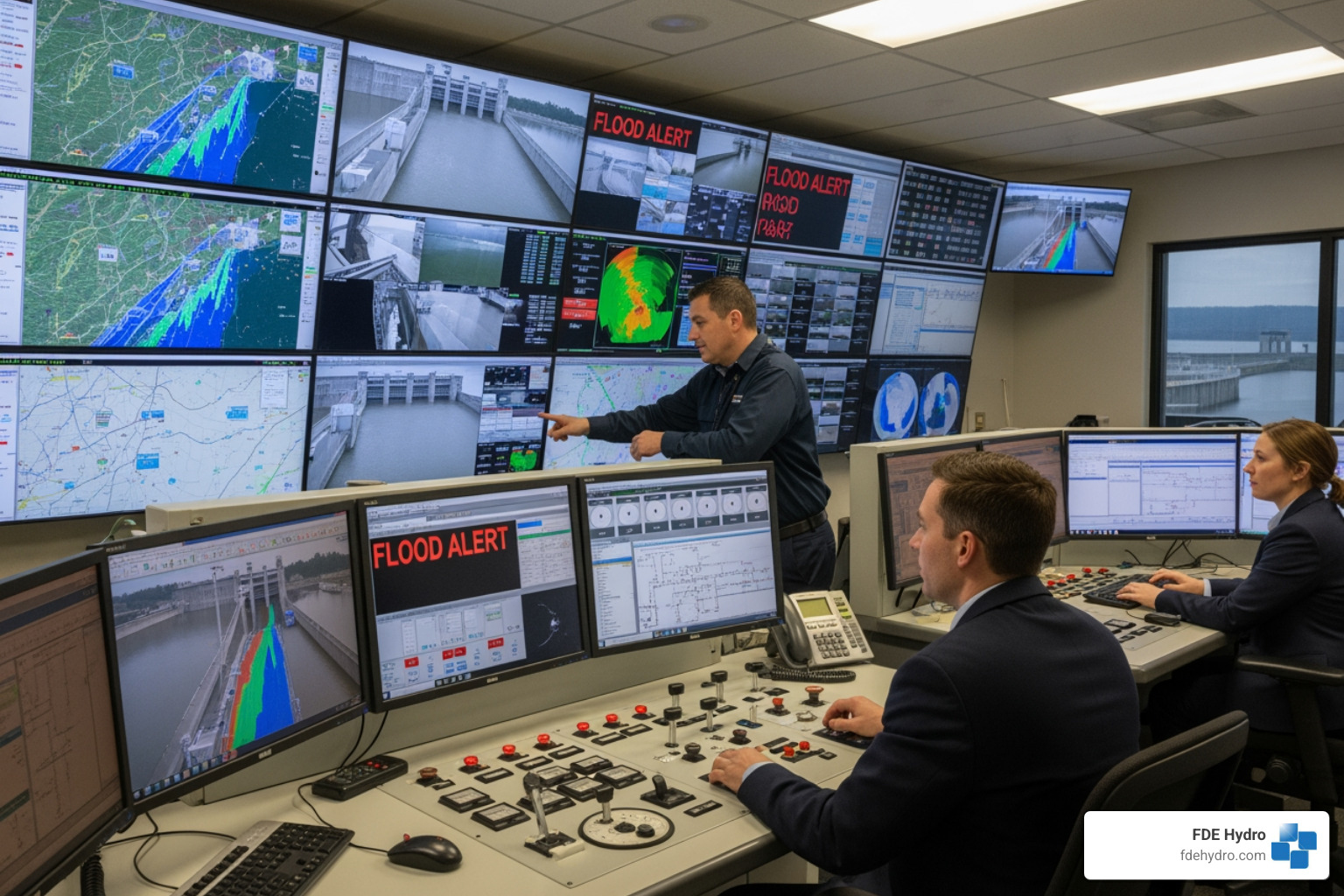
Beyond Storage
How do dams contribute to flood control beyond just storing water? The magic lies in their ability to actively manage water. During heavy rainfall or snowmelt, a dam’s reservoir captures the sudden influx of water. Instead of allowing this surge to rush downstream and cause immediate devastation, the dam holds it back. Then, operators can release the stored water gradually, at a controlled rate, over an extended period. This controlled release is fundamental to dam flood control.
Regulating Flow
By regulating the flow, dams perform a crucial service: they lengthen the flood passage time and significantly reduce the peak flow of a flood event. Imagine a bathtub overflowing versus slowly draining; the latter is what dams achieve. This careful management allows downstream areas more time to prepare, evacuate, and protect property, while simultaneously reducing the destructive power of the water itself.
Reducing Peak Flow
The impact of this peak reduction is substantial. Studies show that the flood control function of dams can reduce the GDP at risk from flooding by an impressive 12-22%. This translates to an approximate annual savings of USD 53-96 billion globally. In Myanmar, dams have contributed to a 50% reduction in flood damages to buildings and assets, while the Soyanggang Dam in South Korea boasts a 68% success rate in reducing flood losses. These numbers highlight the tangible economic benefits of strategic dam flood control.
Integrated Programs
Often, dams aren’t the sole answer; they are part of a larger, integrated flood-control program. These programs combine various measures to offer comprehensive protection. They might involve:
- Levees and Flood Walls: As discussed, these local barriers protect specific areas.
- Floodways: These are designated diversion channels designed to carry excess water away from vulnerable areas, often bypassing urban centers.
- Channel Modifications (Channelization): This involves deliberately rerouting a stream or artificially modifying its channel by straightening, deepening, widening, clearing, or lining it. The goal is to increase the water’s flow velocity and capacity, moving floodwaters through an area more quickly. However, channelization can have drawbacks, such as increased erosion and downstream hazards, so it’s a tool used with careful consideration.
The Mississippi River Project in the United States is a historic example of such an integrated approach, evolving significantly after major floods like the disastrous one in 1927. It incorporated extensive levee systems, dams, reservoirs, bank stabilization, and floodways to manage the mighty river.
The Balancing Act of Multi-Purpose Dam Flood Control
One of the most complex aspects of dam flood control is managing multi-purpose reservoirs. Our dams are rarely built for a single purpose. They are often designed to serve many masters: flood control, water supply for drinking and irrigation, hydroelectric power generation, and recreation. And here’s where the fun begins, or rather, the challenging balancing act.
Competing Needs
Consider the inherent conflicts:
- Flood Control: For effective flood control, a reservoir needs to have ample storage space available, meaning it should ideally be kept relatively low or even empty before a flood season.
- Water Supply: For irrigation or domestic use, we want the reservoir to be as full as possible, holding onto every drop.
- Hydroelectric Power Generation: Power production is most efficient when the reservoir is kept full, ensuring maximum “head” (the height difference between the water surface and the turbines).
- Recreation: Stable water levels are best for boating, fishing, and maintaining fish and wildlife habitats.
These competing needs make the management of multi-purpose reservoirs a very complicated enterprise. We can’t always satisfy all demands simultaneously. For example, maximizing electricity generation might conflict with the need to lower reservoir levels strategically before a flood season to create storage capacity. However, different purposes of dams can be complementary. Strategic lowering of reservoir levels before the flood season, combined with meticulous control of water discharge, can prevent spillover and minimize flood magnitude while still supporting power generation over time. This concept of shared water uses is critical for sustainable reservoir management, as highlighted in scientific research on the SHARE concept for multipurpose reservoirs.
Operational & Maintenance Duties
The responsibility for managing these complex systems is immense. Operational and maintenance duties are continuous and demanding, typically handled by local agencies in coordination with federal bodies like the U.S. Army Corps of Engineers (USACE). A designated superintendent oversees all structures, ensuring daily checks, frequent inspections, and regular maintenance. Mandated reporting on reservoir levels, gate operations, and other key data becomes even more frequent during flood events, ensuring our flood control systems are always ready.
The Economics, Environment, and Risks of Dam Flood Control
While dams offer immense benefits, we must also acknowledge their economic, environmental, and social trade-offs.
Economic Benefits
The economic benefits of effective dam flood control are significant and far-reaching. As we’ve seen, dams can reduce the GDP at risk from flooding by 12-22%, translating to annual savings of USD 53-96 billion. This mitigation prevents direct and indirect economic losses, such as damage to infrastructure, inventory loss for businesses, and disruptions to production. Our modular construction methods for dams are designed to reduce upfront Hydropower Project Costs, making these vital flood control projects more economically viable and bringing these savings within reach for more communities.
Environmental & Social Costs
However, the construction and operation of dams are not without their disadvantages:
- Sedimentation and Erosion: Dams trap sediment, which can reduce reservoir capacity over time. Downstream, the water released from dams is sediment-starved, leading to increased erosion of riverbeds and banks. This loss of sediment can even contribute to coastal erosion, as deltas no longer receive the natural replenishment they need.
- Habitat Disruption: Dams significantly alter natural river ecosystems. They change water quality—temperature, salinity, and nutrient content—which can negatively impact aquatic life. Migratory fish species, like salmon, often struggle to pass dams, even with the aid of fish ladders, which are expensive and only partially effective.
- Community Relocation: Large dam projects often require the inundation of vast areas, leading to the loss of valuable farmland and the displacement of communities. The Three Gorges Dam in China, for instance, cost $24 billion and required relocating over 1 million people, highlighting the profound social costs of dam planning. For a deeper understanding of these complex issues, the World Commission on Dams final report on development framework provides extensive insights.
Dam Safety, Failure, and the Challenge of Climate Change
The safety of dams is paramount, as the consequences of failure can be catastrophic.
Dam Safety
What are the key considerations for dam safety and the potential consequences of dam failure? Historically, dam failures have been tragic. During the twentieth century alone, over 8,000 people perished in more than 200 dam breaks. The Johnstown Flood of 1889, caused by the failure of an earthen dam, killed 2,209 people—a stark reminder of the potential for devastation.
The main causes of dam failures associated with hydrologic conditions include:
- Overtopping: The dam being overwhelmed by floodwaters due to inadequate spillway capacity.
- Internal Structural Failure: Particularly in earthen dams, this can involve seepage and erosion within the dam body.
- Failure of the Dam Foundation: Issues with the underlying geology can compromise the entire structure.
To mitigate these risks, rigorous guidelines are in place. The Federal Guidelines for Dam Safety provide thorough procedures for selecting and accommodating Inflow Design Floods (IDFs), which are the flood levels a dam is designed to safely withstand. Our modular precast concrete dam technology, with its inherent structural integrity and rapid construction, contributes to improved dam safety and resilience, particularly in regions like North America, Brazil, and Europe where we operate.
Climate Change Impact
How does climate change impact the effectiveness and necessity of dams for flood control? This is a question that weighs heavily on us all. Climate change is bringing increased precipitation and more extreme weather events, leading to higher Probable Maximum Precipitation (PMP) values and, consequently, more frequent and severe floods. This means that dams designed decades ago may no longer be adequate for the new hydrological realities.
The impact is twofold:
- Effectiveness: Existing dams may need to be re-evaluated and potentially upgraded to handle larger, more intense flood events than they were originally designed for. This is a massive undertaking for aging infrastructure.
- Necessity: The increasing frequency and intensity of floods underscore the critical and growing necessity for robust dam flood control measures. Dams, and the innovation in their design and construction, become even more vital tools in protecting communities from the escalating threats of climate change. Indeed, we believe that The Biggest Untapped Solution to Climate Change is in the Water.
Governance and Modern Innovations in Flood Management
Beyond the physical structures, effective dam flood control requires smart policies and continuous innovation.
Preventing Floodplain Misuse
One of the best ways to avoid the economic, social, and environmental disadvantages associated with flood control systems is to prevent floodplain misuse. We sometimes mistakenly believe that “flood control” offers absolute protection, leading to dangerous development in floodplains. Effective strategies include:
- Flood Zoning Laws: Restricting certain types of development in high-risk flood-hazard areas.
- Building Codes: Mandating flood-resistant construction for any development allowed in flood-prone zones.
- Flood Insurance: Providing financial protection while also discouraging risky development through higher premiums in high-risk areas.
Additionally, we can encourage appropriate uses for flood hazard zones, such as open spaces, parks, or agriculture. For existing structures, flood-proofing or relocation can be viable options. Land-treatment procedures like reforestation, terracing, and contour ditches can improve natural water retention upstream. In urban areas, innovative solutions like rooftop or underground water retention tanks and porous pavements help manage stormwater runoff locally.
Modern Temporary Solutions
While permanent dams are crucial, temporary flood control solutions have also seen significant advancements. How do modern temporary flood control solutions like AquaDam and TrapBag compare to traditional methods?
- AquaDam: These are water-filled barriers that literally “use water to control water.” Made of durable materials like virgin-resin polyethylene and polypropylene, AquaDams are quick to install and remove, cost-effective, and environmentally conscious. They are excellent for temporary cofferdams in construction, residential flood protection, and municipal emergency response.
- TrapBag: These are modular cellular barriers designed with 60% of their mass concentrated in the lower half for exceptional stability. They can be rapidly filled with sand, gravel, or small rocks using heavy machinery, making them ideal for quickly forming emergency dikes or temporary wall dams.
Compared to traditional methods like sandbags, earth-filled barriers, or steel sheetpiles, these modern solutions offer less labor, faster deployment, cleaner operation, and greater flexibility. Our own expertise in Modular Dam Construction aligns with this trend, emphasizing speed, efficiency, and adaptability for more permanent water infrastructure.
Regulatory Frameworks for Dam Flood Control
Effective dam flood control relies on robust regulatory frameworks. What are the regulatory frameworks governing flood control structures, such as those managed by the U.S. Army Corps of Engineers?
In the United States, the U.S. Army Corps of Engineers (USACE) plays a central role. They prescribe regulations for the use of storage allocated for flood control and navigation in federally constructed reservoirs. These regulations, found in documents like 33 CFR Part 208 — Flood Control Regulations, outline the responsibilities of local agencies for maintenance and operation, reporting requirements, and operational procedures for specific dams and reservoirs.
Key concepts within these frameworks include:
- Inflow Design Flood (IDF): This is the flood flow level that a dam is designed to accommodate. It’s determined by evaluating the potential consequences of a dam failure. The IDF is the flood above which any incremental increase in downstream water surface elevation due to dam failure is no longer considered an unacceptable additional threat.
- Probable Maximum Flood (PMF): For dams with a high hazard potential (where failure would likely cause loss of human life), the PMF is often the standard IDF. The PMF represents the most severe combination of meteorological and hydrological conditions reasonably possible in a drainage basin.
These regulations ensure that dams are designed, operated, and maintained to the highest safety standards, protecting lives and property across our operating regions in North America.
Frequently Asked Questions about Dam Flood Control
What is the primary difference between a dam and a levee?
A dam is built across a waterway to impound water, creating a reservoir for storage and regulating downstream flow, often for flood control, power generation, or water supply. A levee, on the other hand, is an embankment built parallel to a river or coastline, primarily to prevent water from overflowing its banks and inundating adjacent land. We can think of a dam as controlling the water source, while a levee controls the water’s spread.
How do multi-purpose dams balance flood control with power generation?
Balancing flood control and power generation in multi-purpose dams is a delicate dance. For flood control, we ideally want an empty reservoir to capture incoming floodwaters. For power generation, we want a full reservoir to maximize the water head for turbines. The balance is achieved through careful operational planning, often involving:
- Seasonal Drawdowns: Strategically lowering reservoir levels before anticipated flood seasons (e.g., spring thaw or hurricane season) to create flood storage capacity.
- Weather Forecasting: Utilizing advanced meteorological data to predict rainfall and adjust reservoir releases accordingly.
- Controlled Releases: Managing the outflow of water to reduce downstream flood peaks while still generating power when possible, or prioritizing flood control during extreme events.
- Coordination: Close cooperation among various stakeholders, including flood control agencies, power utilities, and water supply managers, to make real-time decisions.
What are the biggest risks associated with using dams for flood control?
While dams are invaluable for flood control, we must be aware of the inherent risks:
- Dam Failure: The most catastrophic risk, often caused by inadequate spillway capacity (leading to overtopping), structural weaknesses, or foundation issues. A failure can lead to immense loss of life and property downstream.
- Environmental Impacts: Dams can significantly alter ecosystems, causing sedimentation in reservoirs, erosion downstream, changes in water quality, and disruption of aquatic habitats and fish migration.
- Social Disruption: Large dam projects can necessitate the relocation of communities and the loss of valuable agricultural land.
- False Sense of Security: The term “flood control” can sometimes lead to a dangerous misconception that floodplains are completely safe, encouraging inappropriate development in vulnerable areas. This “risk creep” increases potential damage if a flood exceeds the dam’s design capacity.
- Climate Change Uncertainty: Changing weather patterns and more extreme precipitation events challenge the original design capacities of older dams, requiring constant re-evaluation and potential upgrades to remain effective.
Conclusion
As we’ve explored, dam flood control is a sophisticated and indispensable aspect of modern water management. Dams are complex systems, offering remarkable benefits in protecting lives, economies, and infrastructure from devastating floods. They actively manage water, not just store it, through intricate operational strategies that balance diverse needs like water supply and power generation.
Yet, we recognize that these benefits come with significant environmental and social considerations, alongside the critical imperative of dam safety. The challenges posed by climate change further underscore the need for continuous innovation and adaptation in our approach to flood management.
At FDE Hydro, we are committed to being at the forefront of this evolution. Our innovative modular precast concrete technology is designed to deliver faster, more cost-effective, and sustainable solutions for new and retrofitted dams. We believe this next-generation approach is vital for enhancing flood control capabilities and strengthening hydropower infrastructure across North America, Brazil, and and Europe, paving the way for more resilient communities and sustainable water resources.
We are proud to contribute to the future of Sustainable Water Infrastructure. To learn more about our vision and solutions, please visit our page on Learn more about the future of Hydropower.

