

Why Water Control Solutions Are the Backbone of Modern Infrastructure
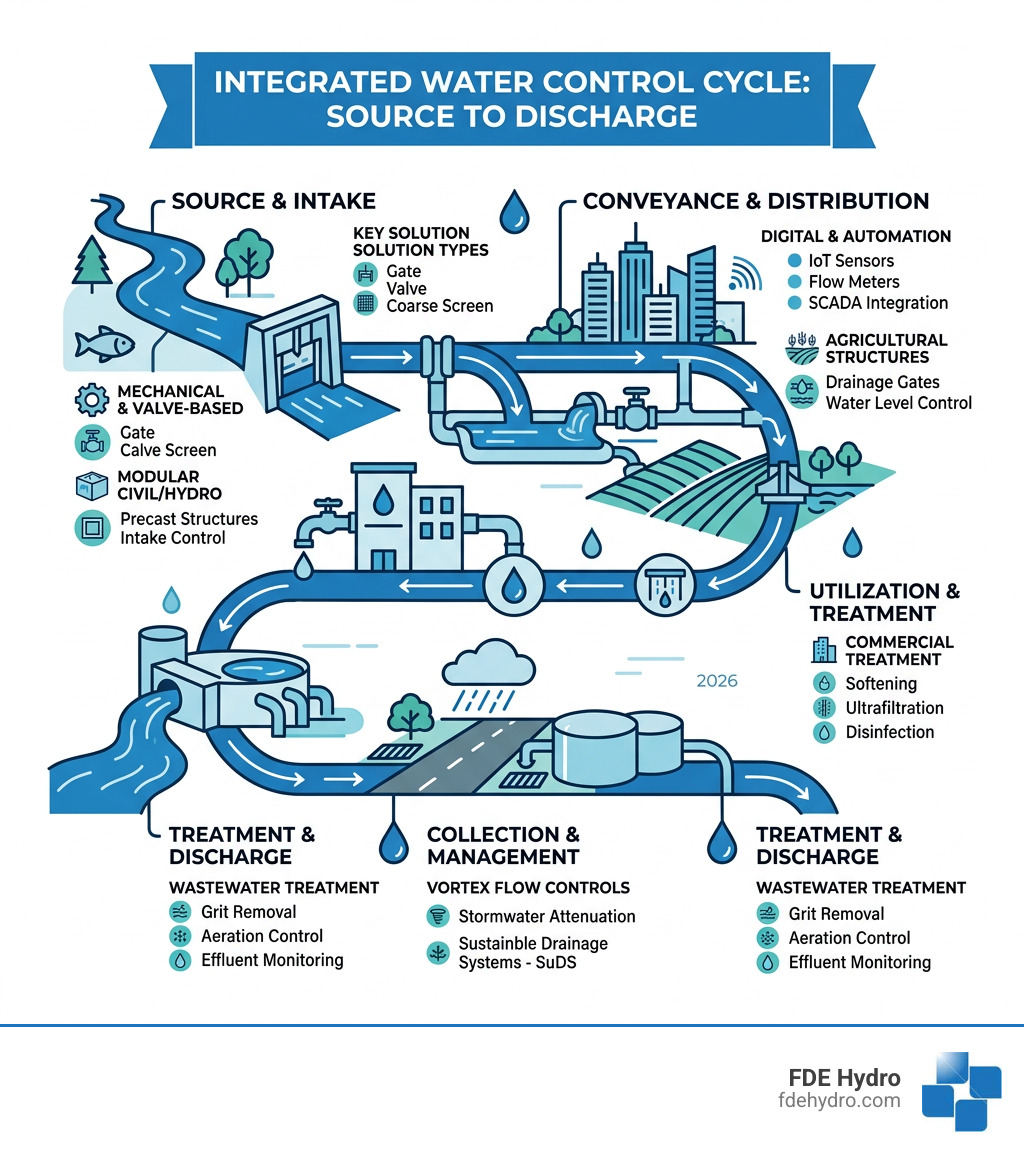
Water control solutions are the systems, devices, and technologies used to manage the flow, pressure, quality, and distribution of water across utilities, agriculture, industry, and civil infrastructure.
Here’s a quick overview of the main types:
| Category | Examples | Best For |
|---|---|---|
| Mechanical & valve-based | Sluice gates, pressure reducing valves, check valves | Utilities, wastewater, flood control |
| Vortex flow controls | Vortex valves, flow regulators | Stormwater, sustainable drainage |
| Digital & automation | IoT sensors, cloud SCADA, smart metering | Remote monitoring, efficiency |
| Agricultural structures | Water level control structures, drainage gates | Irrigation, field drainage |
| Commercial treatment | Softeners, ultrafiltration, high-purity systems | Institutional and industrial use |
| Modular civil/hydro | Precast structures, run-of-river systems | Hydropower, large infrastructure |
Water is one of the most critical — and most mismanaged — resources on the planet. Aging infrastructure, climate change, tighter regulations, and shrinking budgets are putting enormous pressure on the people responsible for managing it.
The good news? The range of solutions available today is broader and smarter than ever. From simple gate valves to cloud-connected automation systems, there’s a tool for virtually every water management challenge.
I’m Bill French, Sr., Founder and CEO of FDE Hydro™ and a decades-long leader in heavy civil construction and modular hydropower innovation — including developing patented water control solutions for natural run-of-river hydro facilities across the US, Canada, Europe, and Brazil. In this guide, I’ll walk you through the full landscape of options so you can make smarter decisions for your next project.
Essential Water control solutions terms:
Diverse Categories of Water Control Solutions
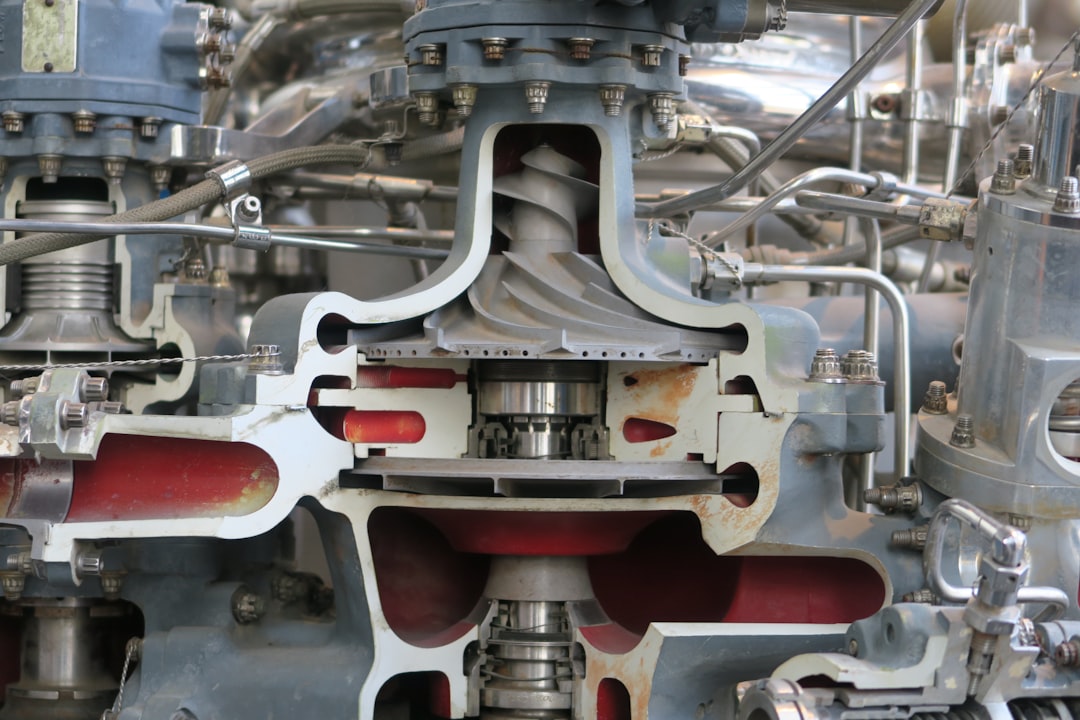
When we talk about managing our liquid assets, we aren’t just talking about turning a tap on and off. Modern Water Management Solutions encompass a massive spectrum of hardware and software designed to handle everything from a trickle of irrigation to a thundering flood.
The primary goal of these solutions is resource optimization. In places like California or New York, where water demand is high and weather patterns are becoming increasingly unpredictable, efficiency isn’t just a “nice to have”—it is a regulatory requirement. Whether you are managing a municipal utility or a large-scale hydropower facility, the right equipment ensures that every drop of water is accounted for and utilized effectively.
Mechanical and Valve-Based Water Control Solutions
The “muscle” of any water system lies in its mechanical components. These are the gates and valves that physically direct the flow.
Sluice gates and slide gates are the heavy hitters here. They are used in navigation locks, canals, and water treatment plants to block or allow passage. In the past, these were almost exclusively made of heavy cast iron. However, modern engineering has shifted toward more resilient materials.
Stainless steel and aluminum have become the preferred choices for modern infrastructure. Why? Because they don’t just sit there and rust. In environments where hydrogen sulfide (H2S) gas is present—common in wastewater treatment—traditional cast iron can fail prematurely.
| Feature | Stainless Steel (900 Series) | Aluminum (800 Series) | Cast Iron (Traditional) |
|---|---|---|---|
| Corrosion Resistance | Excellent (H2S resistant) | High | Poor (requires coating) |
| Weight | Moderate | Light | Very Heavy |
| Maintenance | Minimal | Low | High |
| Drinking Water Safety | NSF-61 Compliant | Generally Safe | Requires Linings |
Beyond gates, we rely on specialized valves to maintain system health. Pressure reducing valves (PRV) prevent pipe bursts by keeping downstream pressure stable, while surge protection valves act like a “fuse” for your plumbing, absorbing the shock of water hammer.
Vortex Flow Controls for Sustainable Drainage
One of the most fascinating advancements in Water control solutions is the use of vortex technology. Advanced vortex flow control devices use the power of the vortex to manage stormwater without any moving parts or external power.
These units are self-activating. When flow is low, the device acts like a large pipe, letting water pass freely. As the water level rises during a storm, a vortex forms inside the unit, creating a “back pressure” that restricts the flow to a pre-set limit. This allows for smaller upstream storage requirements, which is a huge win for developers in cramped urban areas like New York City.
To ensure these systems won’t fail when the clouds open up, look for independent certifications. BBA Certification and WRc Certification are the gold standards, proving that the equipment has been rigorously tested for strength, durability, and hydraulic performance.
Digital Transformation and Automation in Water Management
We live in the age of the “Smart City,” and water is finally catching up. Water Control Systems are no longer just “dumb” iron pipes buried in the ground. They are now integrated networks of sensors and software that can tell you exactly what is happening miles away.
Automation and IoT-Driven Water Control Solutions
The integration of the Internet of Things (IoT) has changed the game for utility managers. With cloud-based SCADA (Supervisory Control and Data Acquisition) systems, you can monitor lift stations or treatment plants from a smartphone.
This digital shift addresses one of the biggest headaches in the industry: Non-Revenue Water (NRW). This is water that is treated but “lost” before it reaches the customer due to leaks or theft. By using smart metering and real-time flow measurement, utilities can pinpoint exactly where a leak is occurring and fix it before it becomes a sinkhole.
If you want to dive deeper into how to turn raw sensor data into actionable plans, I highly recommend checking out this Webinar: Maximizing Performance. It covers how utilities are using data to do more with fewer staff members—a critical need as the workforce ages.
Improving Efficiency with Intelligent Process Controls
Efficiency isn’t just about stopping leaks; it’s about saving energy. Pumping water is incredibly energy-intensive. By using Variable Frequency Drives (VFDs) and intelligent process controls, systems can adjust pump speeds based on actual demand rather than running at 100% all the time.
Modern controllers can even perform predictive maintenance. By analyzing vibration and heat signatures, these systems can detect a pump failure before it actually happens. This reduces emergency call-outs and extends the life of the equipment, which is a massive cost-saver for any municipality.
Specialized Applications for Commercial and Agricultural Needs
Water control isn’t just for big cities. In the fields of Kansas or the commercial hubs of California, the requirements are much more specialized.
Agricultural Drainage and Level Control
In agriculture, it’s all about balance. Too much water drowns the crops; too little withers them. Water Control Structures allow farmers to manage the water table in their fields. By using adjustable structures, a farmer can hold water back during the growing season to keep soil moisture high and then release it before harvest to ensure the ground is firm enough for heavy machinery.
These structures are field-proven and designed to last decades in harsh outdoor environments. For a deeper look at how these are configured, our Water Control Structures Guide provides a comprehensive breakdown.
Precision irrigation also plays a huge role here. Using high-efficiency low-flow control zone kits ensures that water is delivered directly to the root zone without “weeping” or waste. These kits often include anti-siphon valves to prevent backflow, ensuring that fertilizers or pesticides don’t migrate back into the clean water supply.
Industrial and Institutional Water Treatment
Commercial buildings, hospitals, and labs have their own set of rules. Hard water can destroy expensive boilers and HVAC systems in a matter of months. This is where commercial water softeners and high-purity systems come in.
For institutions like hospitals, water control is a matter of life and death. Advanced ultrafiltration acts as a physical firewall against pathogens like Legionella. Specialized monitoring systems can now track water quality in real-time throughout a facility’s piping, ensuring compliance with strict health regulations.
Overcoming Infrastructure Challenges with Modern Engineering
We are currently facing a “perfect storm” of challenges. Much of the water infrastructure in North America was built 50 to 100 years ago. Combine that aging iron with “urban creep”—where concrete replaces soil, leading to more runoff—and you have a recipe for disaster.
Building Sustainable Water Infrastructure requires a shift in how we think about construction. We can’t always rely on the slow, expensive methods of the past.
Future-Proofing with Adjustable Water Control Solutions
One of the smartest features in modern water design is adjustability. For example, some vortex flow controls now come with adjustable inlets. This allows a site manager to change the flow rate by up to 20% post-installation.
Why does this matter? Because regulations change. Climate change might bring heavier rains than the original engineers predicted. If your system is adjustable, you can adapt to these changes without digging up the entire street to replace a pipe. For more on these adaptive strategies, see our Water Infrastructure Projects Guide.
Material Advantages in Corrosive Environments
We’ve touched on this, but it bears repeating: material choice is the difference between a 10-year lifespan and a 50-year lifespan.
In the wastewater industry, H2S gas creates a highly acidic environment that eats through traditional cast iron gates. Stainless steel (specifically the 900 series) and aluminum are the modern standard. They offer:
- Corrosion Resistance: No need for expensive, toxic coatings that eventually peel.
- Ease of Installation: Aluminum gates are significantly lighter, meaning they require smaller hoists and less labor to install.
- Safety: Stainless steel is NSF-61 compliant, making it safe for use in drinking water distribution.
Investing in these materials upfront might cost slightly more, but the ROI is clear when you factor in the lack of maintenance and replacement costs. You can find more details in our Water Infrastructure Solutions section.
Frequently Asked Questions about Water Control
How do vortex flow controls manage different flow levels?
Vortex flow controls typically operate in three distinct phases. In the Low Flow phase, the device acts like a standard orifice. As levels rise to the Design Point, a stable air-filled vortex forms, creating a “choke” effect that limits discharge. Finally, during the Drain Down phase, the vortex collapses as the water level drops, allowing the system to empty quickly and efficiently.
Why is stainless steel preferred over cast iron in corrosive environments?
Cast iron is prone to “graphitization” and heavy rusting, especially when exposed to the gases found in sewage. Stainless steel is inherently resistant to these chemical attacks. Furthermore, stainless steel gates are typically custom-fabricated, allowing for tighter seals and more precise flow control than traditional cast-molded iron.
What role does IoT play in reducing operational costs?
IoT reduces costs by moving utilities from “reactive” to “proactive” maintenance. Instead of sending a crew to check a remote pump station every week, sensors send data to the cloud. If the data shows a pump is drawing too much current (a sign of a coming clog), the crew is sent only when needed. This saves thousands in labor and fuel costs annually.
Conclusion
At FDE Hydro™, we believe that the future of water management lies in speed, modularity, and intelligence. Our patented modular precast concrete technology, known as the “French Dam,” is a prime example of how we are reimagining Water control solutions. By using pre-fabricated sections, we can build or retrofit hydroelectric dams and water control systems in a fraction of the time it takes for traditional poured-in-place concrete.
Whether you are looking to optimize a small irrigation canal or build a multi-megawatt hydropower facility, the principles remain the same: use the best materials, embrace automation, and always design for the future.
If you’re ready to modernize your infrastructure, explore our Water Control Infrastructure Guide 2025 or learn about the next generation of power in Modular Hydro: The Future of Flexible Power Generation.
Taking control of your liquid assets isn’t just about managing water—it’s about securing the future of our communities. Let’s build something that lasts.
