

Why Water Management Solutions Are More Urgent Than Ever
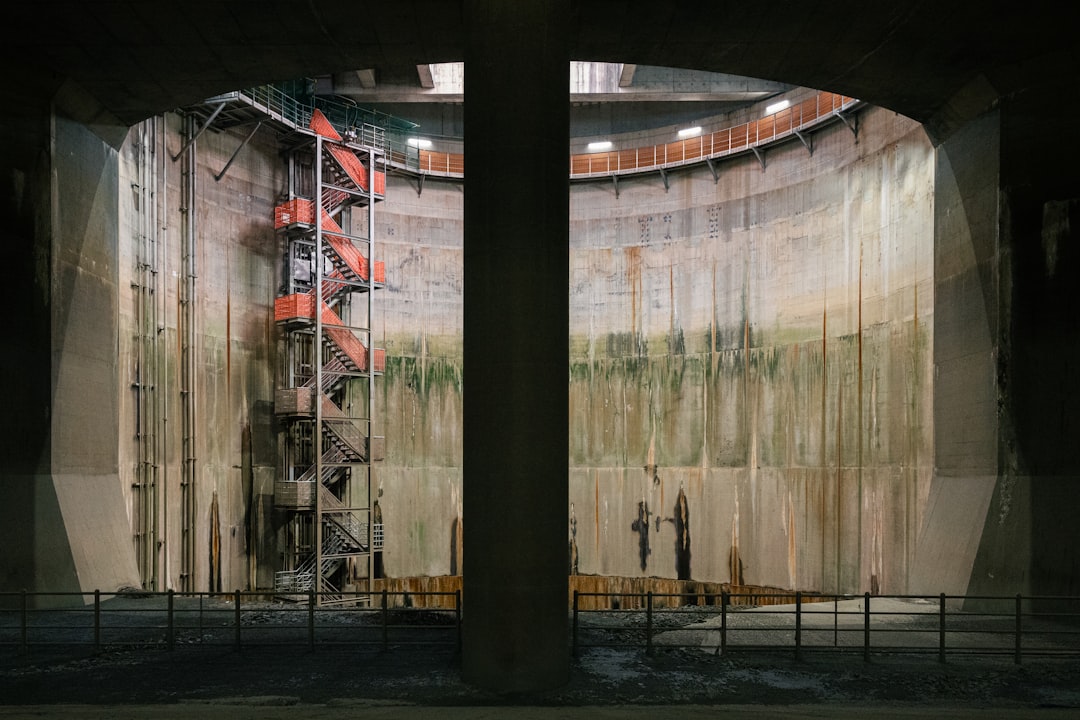
Water management solutions are systems, technologies, and strategies designed to optimize the use, treatment, distribution, and conservation of water resources across municipal, industrial, agricultural, and commercial sectors. These solutions address critical challenges including:
- Supply-side measures: Water metering, leak detection, pressure management, and treatment process optimization
- Demand-side measures: Customer education, water-efficient fixtures, pricing structures, and reuse programs
- Advanced technologies: Real-time monitoring systems, smart sensors, automated controls, and predictive analytics
- Alternative water sources: Rainwater harvesting, stormwater capture, wastewater recycling, and aquifer recharge
- Infrastructure improvements: Replacing aging pipes, installing efficient equipment, and implementing modular construction methods
The challenges facing our water infrastructure are staggering. In the United States alone, aging infrastructure results in the loss of 2.1 trillion gallons of treated drinking water every year—enough to supply tens of millions of homes. Replacing our nation’s failing water systems is expected to cost approximately $500 billion, while 48 states experienced drought conditions in 2024. Yet water isn’t just disappearing through leaky pipes. Climate change is intensifying droughts, shifting precipitation patterns, and straining groundwater aquifers that millions depend on for drinking water and irrigation.
These pressures demand more than incremental fixes. They require comprehensive, data-driven approaches that reduce waste, optimize treatment, and create resilient systems capable of withstanding both everyday stress and severe weather events. From municipalities struggling with non-revenue water to industries seeking to cut cooling tower consumption by millions of gallons, the right water management solutions deliver measurable cost savings, regulatory compliance, and environmental stewardship.
I’m Bill French Sr., Founder and CEO of FDE Hydro™, where we specialize in modular civil construction solutions for water control infrastructure and hydropower systems. After five decades leading large-scale civil construction projects—including critical water management infrastructure across New England—I’ve seen how innovative water management solutions can transform operations, reduce costs, and build lasting resilience for communities and industries alike.
Basic water management solutions glossary:
Understanding the Pressure: Why Effective Water Management is Critical
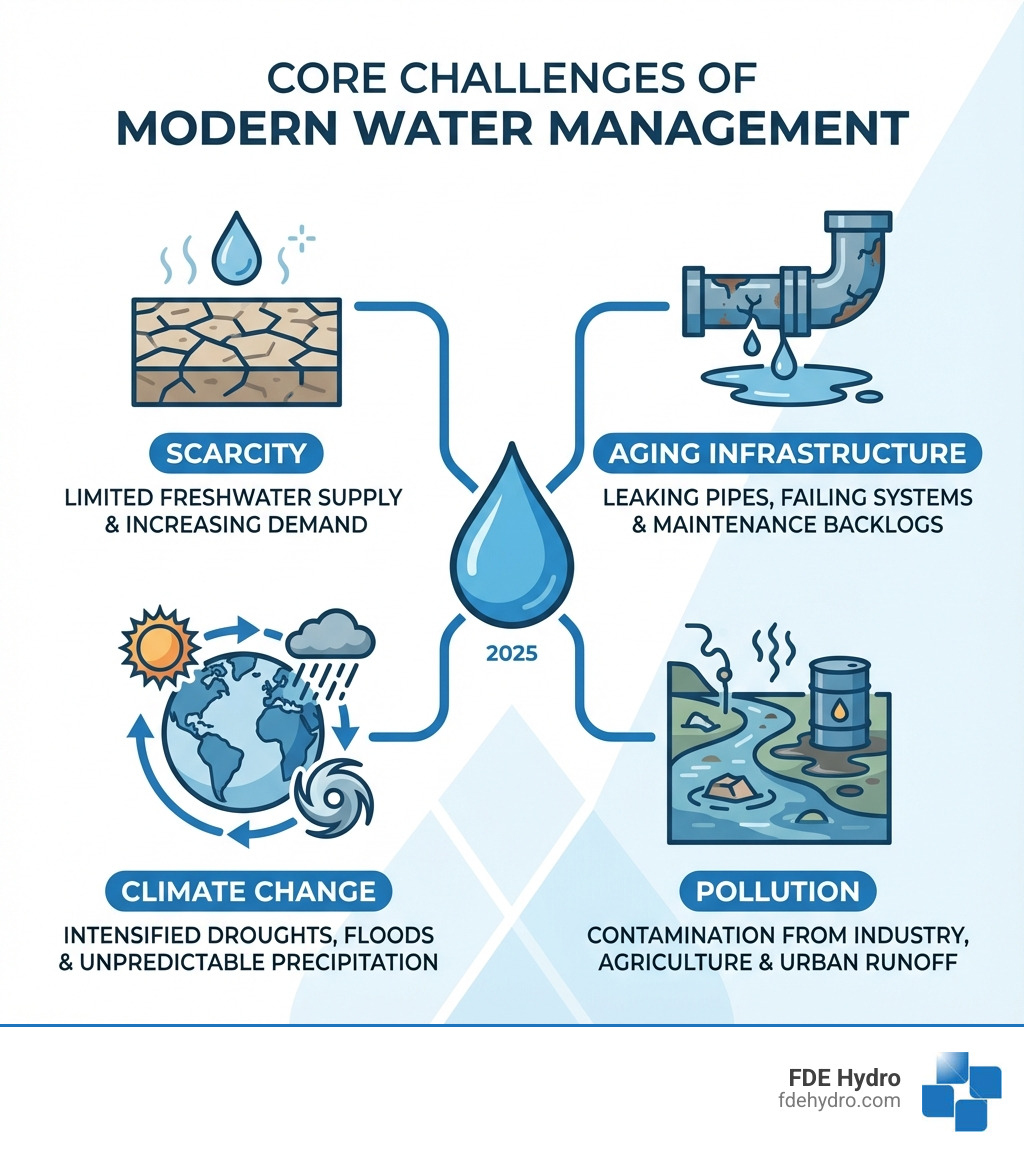
The modern world faces unprecedented challenges in securing a stable and sustainable water supply. From growing populations to the undeniable impacts of climate change, the pressure on our finite water resources is intensifying. These primary challenges faced in modern water management underscore the urgent need for robust water management solutions.
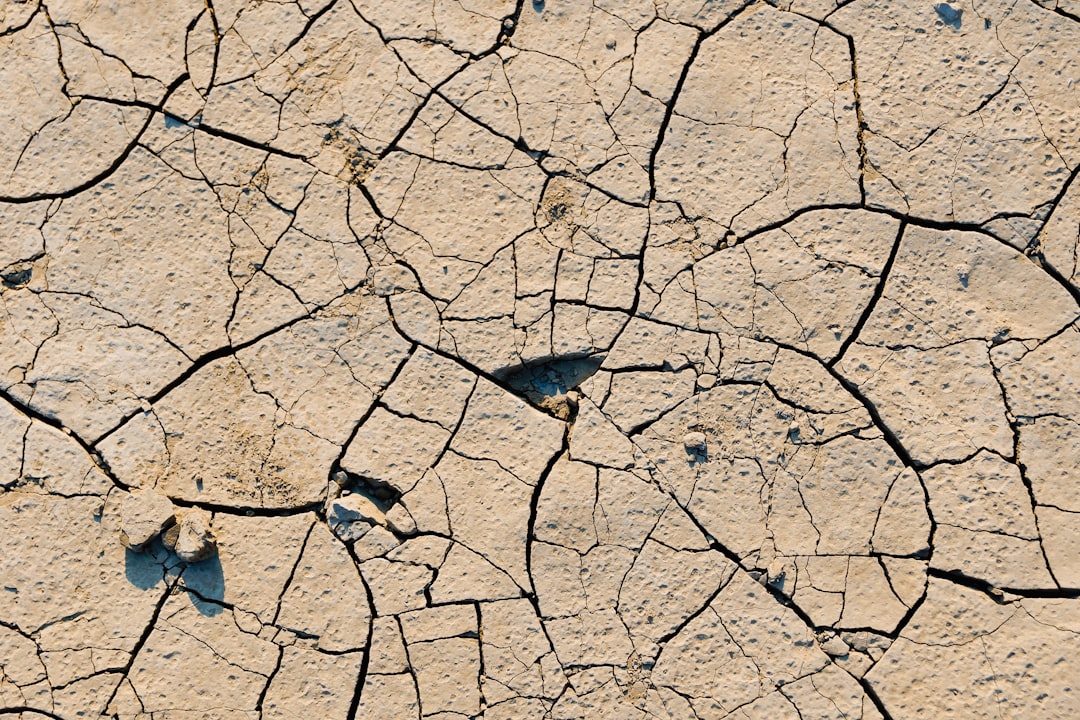
Water scarcity, exacerbated by increasing demand and shifting weather patterns, threatens communities and ecosystems. We see regulatory bodies imposing stricter limits and industries facing higher costs, while the economic consequences of water shortages ripple through every sector. Addressing these issues effectively requires proactive and strategic water management solutions. We believe that by understanding these pressures, we can better appreciate the value of innovative approaches. Our expertise in water infrastructure solutions positions us to tackle these complex problems head-on.
The Challenge of Aging Infrastructure
One of the most significant problems in water management today is our aging infrastructure. Across the United States, Canada, and Europe, many water systems were built decades ago, designed for a different era. Today, these systems are showing their age through leaky pipes, frequent water main breaks, and overall system inefficiencies.
The statistics are stark: in the U.S. alone, an estimated 2.1 trillion gallons of treated drinking water are lost each year due to aging infrastructure. This “non-revenue water”—water that is produced and treated but never reaches customers or generates revenue—represents a massive financial drain and a tragic waste of a precious resource. The cost to replace this failing infrastructure is staggering, with estimates reaching approximately $500 billion. These costs highlight why investing in modern, resilient water management solutions is not just an option, but a necessity. We constantly work to provide solutions that not only fix current problems but also prevent future ones, offering long-term value.
The Impact of Climate Change and Scarcity
Beyond infrastructure, climate change is a powerful force reshaping our water landscape. We observe a worrying increase in the frequency, intensity, and duration of drought events across many regions, including parts of the United States. In fact, 48 U.S. states experienced drought in 2024, a clear indicator of this growing crisis.
Shifting precipitation patterns mean that some areas receive less rain, while others experience more intense, less predictable downpours, leading to increased runoff and reduced groundwater recharge. This puts immense strain on groundwater aquifers, which are vital sources of drinking water and irrigation for numerous communities. The increased demand from a growing population further exacerbates these issues, making effective water management solutions crucial for building Drought Resilience and Water Conservation. We are committed to developing resilient infrastructure that can adapt to these changing conditions, securing water resources for future generations.
The Comprehensive Toolkit: Categories of Water Management Solutions
To truly address the complexities of modern water challenges, we need a comprehensive toolkit of water management solutions. These solutions are not one-size-fits-all; they are custom to the unique needs of different sectors, from busy cities to vast agricultural lands. Our approach focuses on delivering individualized programs and end-to-end project implementation, ensuring that our clients receive solutions that are both effective and efficient.
The market offers a diverse range of water management solutions and products, spanning various categories designed to optimize every aspect of water use. We pride ourselves on offering complete management, from expert consulting to advanced water treatment systems, all aimed at cost reduction, water savings, and waste minimization.
Municipal and Public Water Systems
For municipalities and public water systems, the goal is to provide safe, reliable, and affordable drinking water while managing wastewater and stormwater effectively. Our water management solutions for this sector include optimizing water treatment plants, managing extensive distribution networks, and implementing robust wastewater and sewage management systems.
A critical component is leak detection and control programs to combat non-revenue water. The importance of water efficiency for public water systems cannot be overstated. A comprehensive plan involves metering, water audits, water loss control, pressure management, and optimizing treatment processes. For example, one water authority in the U.S. implemented a water efficiency plan that led to an 87% decrease in non-revenue water, saving $25,000 annually in energy and chemical costs. These measures ensure regulatory compliance and safeguard public health. We also offer advanced water control systems to manage flow and distribution effectively. For a deeper dive into these practices, refer to A guide to water efficiency for public water systems.
Industrial and Commercial Applications
Industries and commercial facilities are often major water users, and effective water management solutions can significantly impact their operational costs and environmental footprint. We work with a diverse range of industries, including power plants, manufacturing facilities, commercial HVAC, and hospitality.
Our solutions focus on process water optimization, such as maximizing cooling tower efficiency. Cooling towers are large consumers of water, but through optimization, facilities can save millions of gallons annually. For instance, a U.S. laboratory cut water use by 80%, saving 24.8 million gallons annually, by replacing its single-pass cooling system with a recirculated chilled water loop. Another facility saved 530,000 gallons by reducing cooling tower blowdown. We also focus on wastewater recycling and the recovery of condensate from air handlers, which can be reused as cooling tower make-up water. These specialized solutions are vital for industries to meet their specific needs and comply with regulations, as detailed in our guide to water control infrastructure.
Agricultural and Rural Solutions
The agricultural and rural sectors face unique water management challenges, from irrigation needs to drainage and livestock watering. Our water management solutions in these areas are designed to improve productivity, conserve resources, and build resilience.
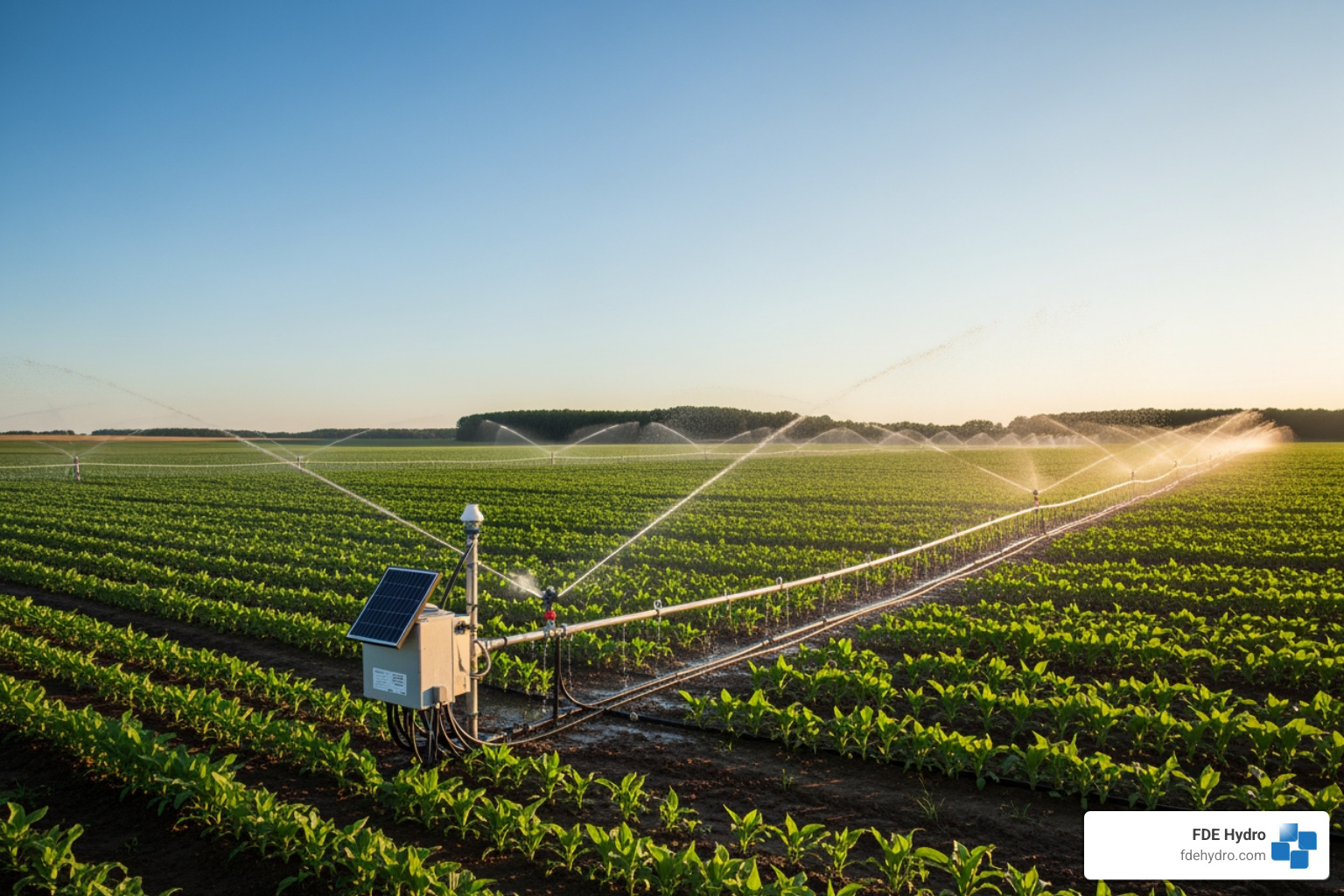
We employ smart irrigation technology, utilizing advanced sensors and data to ensure water is applied precisely when and where it’s needed, reducing waste. Field drainage solutions, often involving precision-guided drain tile planning and installation, help farmers get more from their land by optimizing soil moisture. For rural landowners, we provide expertise in on-farm water storage, including the construction of dugouts and dams, to secure local water supplies.
Livestock water systems, using durable materials like HDPE poly pipe and insulated waterers, ensure a reliable supply for animals. These solutions, from culvert rehabilitation to trenching and directional boring for utility lines, empower agricultural and rural communities to manage their water resources more effectively and sustainably. Our water control structures are integral to these efforts.
Leveraging Technology and Data for Smarter Water Management
In today’s interconnected world, effective water management solutions are increasingly reliant on advanced technologies and sophisticated data analytics. The shift from reactive problem-solving to proactive, predictive management is changing how we interact with water resources. We leverage these innovations to improve accuracy and efficiency across all our projects.
The Role of Real-Time Monitoring and Data Analytics
Data is the lifeblood of smart water management. Real-time monitoring, powered by smart water sensors and IoT devices, provides continuous insights into water levels, flow rates, and quality. Radar technology, such as Gauge-Adjusted Radar Rainfall (GARR), combines radar and rain gauge data for highly accurate rainfall measurements, crucial for flood forecasting and hydrological modeling.
Our centralized data platforms, like AEM Elements® 360, integrate diverse data streams, overcoming fragmentation and providing a single, comprehensive view of water resources. This enables predictive modeling for flood forecasting, allowing communities to prepare for and mitigate risks more effectively. The ability to monitor equipment remotely through telemetry also means we can proactively dispatch personnel if a problem arises, preventing minor issues from becoming major crises. For more detailed information, explore More info about water flow sensors.
Advanced Treatment and Supply Technologies
Addressing water scarcity often requires looking beyond traditional sources and treatment methods. Advanced water management solutions include innovative approaches to both supply and treatment. Desalination processes, which remove salt from brackish or seawater, are becoming increasingly viable, especially in drought-prone coastal areas. While historically energy-intensive, research into new methods, such as using salt-tolerant algae, promises to reduce energy costs and even produce biofuels as a byproduct.
Aquifer recharge techniques, including green infrastructure like dry wells and infiltration basins, help replenish underground water sources, combating saltwater intrusion and land subsidence. We also contribute to these advancements through our patented modular precast concrete technology, which significantly reduces the cost and time involved in building and retrofitting water control systems, ensuring sustainable infrastructure development. These technologies are critical in diversifying our water portfolios and building resilience.
Ensuring Compliance with Advanced water management solutions
Meeting regulatory requirements and ensuring water quality are paramount in all water management solutions. With advanced technologies, we can simplify compliance and guarantee that water meets necessary standards. Automated monitoring systems, equipped with specialized sensors, provide real-time data on water quality metrics, allowing for immediate detection and response to potential contaminants.
This continuous monitoring helps facilities meet complex regulatory requirements set by agencies like the EPA, which provides foundational frameworks like the Safe Drinking Water Act and Clean Water Act. By integrating data collection, reporting, and alerts, our solutions streamline the compliance process, providing transparent and auditable records. This proactive approach not only ensures water quality but also minimizes the risk of penalties and improves public trust.
The Ripple Effect: Key Benefits of Optimized Water Systems
Implementing optimized water management solutions creates a powerful ripple effect, extending far beyond simple water conservation. These systems deliver holistic benefits, including significant financial returns, improved environmental stewardship, and greater operational resilience.
Achieving Cost Savings and Water Conservation
One of the most immediate and tangible benefits of optimized water management solutions is substantial cost savings. By reducing water consumption, businesses and municipalities see lower water bills. Furthermore, many water-saving measures also reduce energy consumption, such as optimizing cooling tower operations or eliminating single-pass cooling systems. This translates into decreased energy costs and often reduced chemical costs for water treatment.
Minimizing non-revenue water—the water lost through leaks and inefficiencies—is another major cost-saving area. For example, one U.S. water authority saw an 87% decrease in non-revenue water, leading to annual savings of $20,000 in energy costs and $5,000 in chemical costs. In another instance, a U.S. laboratory cut water use by 80%, saving 24.8 million gallons annually, while an EPA facility saved 1.5 million gallons of water and over $5,000 annually by optimizing its DI/RO system operation. These examples clearly demonstrate how comprehensive water management solutions directly contribute to a healthier bottom line.
Enhancing Sustainability and Corporate Responsibility
Beyond financial gains, optimized water management solutions are fundamental to enhancing sustainability and corporate responsibility. By conserving water, we protect local ecosystems, preserve habitats, and reduce the environmental impact of water extraction and treatment. This commitment to environmental stewardship builds community drought resilience, ensuring that water resources are available even during periods of scarcity.
Furthermore, demonstrating a strong commitment to sustainable water practices improves public perception and helps organizations achieve their broader sustainability goals. We believe that water management is one of the biggest untapped solutions to climate change, requiring thoughtful and integrated approaches. Our efforts empower communities and industries to be better stewards of this vital resource, fostering a more sustainable future for all.
The Future of Water: Emerging Trends and Sustainable Practices
The future of water management is being shaped by continuous innovation, driven by circular economy principles and a relentless pursuit of sustainability. As we look ahead, water management solutions will increasingly focus on maximizing every drop and building resilient infrastructure that can adapt to evolving environmental and societal demands.
The Rise of Water Reuse and Recycling
One of the most promising emerging trends is the widespread adoption of water reuse and recycling. Often referred to as “fit-for-purpose” water, this involves treating and repurposing wastewater (municipal, industrial, stormwater, or even greywater from showers and sinks) for alternative uses. This can range from non-potable applications like landscape irrigation, industrial cooling, and toilet flushing, to increasingly, potable drinking water.
The treatment processes involved in water reuse are rigorous, designed to destroy or remove bacteria, viruses, protozoa, and various chemicals through advanced filtration and disinfection technologies. For potable reuse, additional steps like adding salts and minerals and adjusting pH may be included. The EPA emphasizes that all water can be treated to be safe for its intended use, with redundant processes ensuring health protection.
The scale of this trend is significant: over 500 facilities in the United States recycle water, and there are more than 70 drinking water reuse projects serving over 8 million people per day. This vital approach can significantly reduce the impacts of drought by providing a reliable water supply. For more information, please consult the Basic Information about Water Reuse | US EPA.
Top Water Management Techniques and Best Practices
To achieve comprehensive water conservation and efficiency, we advocate for a range of proven techniques and best practices. These strategies, many of which are championed by the EPA, can be applied across various settings:
- Meter/Measure/Manage: Continuously monitor water usage to identify leaks, inefficiencies, and opportunities for savings. This data-driven approach is fundamental to all effective water management solutions.
- Optimize Cooling Towers: Control the ratio of water discharged to water evaporated, aiming for six or more cycles of concentration for maximum water efficiency in industrial and commercial settings.
- Replace Inefficient Fixtures: Upgrade to WaterSense labeled toilets, urinals, showerheads, and faucet aerators, which significantly reduce water consumption in restrooms and kitchens.
- Eliminate Single-Pass Cooling: Replace systems that use water once before discarding it with recirculating chilled water loops or air-cooled alternatives to drastically cut water use.
- Water-Smart Landscaping: Implement drought-tolerant native plants, efficient irrigation systems, and smart controllers that adjust watering based on weather and soil moisture.
- Control Sterilizer Water: Install tempering water control kits on steam sterilizers or replace older models to ensure water is only used when actively needed, preventing continuous discharge.
- Reuse Laboratory Water: Explore options for reusing culture water and optimizing reverse osmosis (RO) systems, which can account for a significant portion of a laboratory’s water consumption.
- Control RO System Operation: Regulate purified water generation rates to meet demand and ensure RO systems are appropriately sized, potentially saving millions of gallons annually.
- Recover Rainwater: Install rooftop rainwater recovery systems to capture and store precipitation for non-potable uses like toilet flushing, irrigation, and cooling tower make-up.
- Recover Air Handler Condensate: Capture condensate water produced by air conditioning units and repurpose it for cooling tower make-up water, reducing reliance on potable sources.
Frequently Asked Questions about Water Management Solutions
What are the first steps to creating a water management plan?
The first step to creating any effective water management plan is a comprehensive water audit. This involves carefully metering, measuring, and managing your current water usage. By understanding exactly where, when, and how much water you’re using, you can identify leaks, pinpoint inefficiencies, and establish a clear baseline. This crucial data allows us to set realistic conservation goals and select the most impactful water management solutions custom to your specific needs. It’s about gaining clarity before taking action.
How do end-to-end solutions simplify project implementation?
End-to-end water management solutions are designed to simplify project implementation by providing a single, reliable partner for every stage of the process. Instead of juggling multiple vendors, we manage everything from the initial site evaluation and custom plan design to equipment installation, ongoing maintenance, and even removal. This integrated approach ensures seamless communication, guarantees that all equipment and systems are correctly integrated, and maintains consistent quality and accountability throughout the project. The result is a smoother, more efficient project execution and superior outcomes for our clients.
How can businesses ensure the quality and reliability of water management services?
To ensure the quality and reliability of water management solutions and services, businesses should look for partners with proven expertise and a strong commitment to customer satisfaction. A reliable provider offers transparent, performance-based proposals, ensuring the invoice always matches the estimate (barring changes in scope or timeframe). They provide 24/7 support, take ownership of any challenges that arise, and prioritize your business objectives. We believe that equipment is only as good as the people and services behind it, which is why we focus on delivering not just products, but complete, dependable solutions.
Conclusion: Partnering for a Resilient Water Future
The challenges facing our water resources are undeniable, from aging infrastructure and increasing scarcity to the profound impacts of climate change. Yet, as we’ve explored, the power of integrated and innovative water management solutions offers a clear path forward. By embracing advanced technologies, data-driven strategies, and sustainable practices like water reuse, we can transform these challenges into opportunities for resilience, efficiency, and environmental stewardship.
At FDE Hydro™, we are committed to being that reliable partner. With our patented modular precast concrete technology and five decades of expertise in critical water control infrastructure, we provide robust, end-to-end solutions that reduce costs, conserve water, and build a sustainable future. We believe that by working together, we can ensure a secure and thriving water future for communities and industries across the United States, Canada, Brazil, and Europe.
Learn more about our innovative dam solutions and join us in building a more water-resilient world.
