by Adaptify Support | Feb 19, 2026 | Hydropower Articles
Why Modular Hydropower Matters for Modern Energy Infrastructure
Hydro power modules are revolutionizing how we generate clean energy from water. These prefabricated, standardized systems offer a faster, more affordable alternative to traditional large-scale hydroelectric dams—making hydropower accessible to communities, businesses, and water infrastructure projects that were previously left behind.
What are hydro power modules?
- Prefabricated turbine-generator units that arrive ready to install
- Standardized components (like Kaplan, Francis, or Pelton turbines) designed for specific head and flow conditions
- Containerized “plug-and-play” systems that integrate turbines, controls, and grid equipment in shipping containers
- Precast concrete civil works that snap together on-site like building blocks
- Power output ranges from micro-hydro (5 kW) to small hydro (30 MW+)
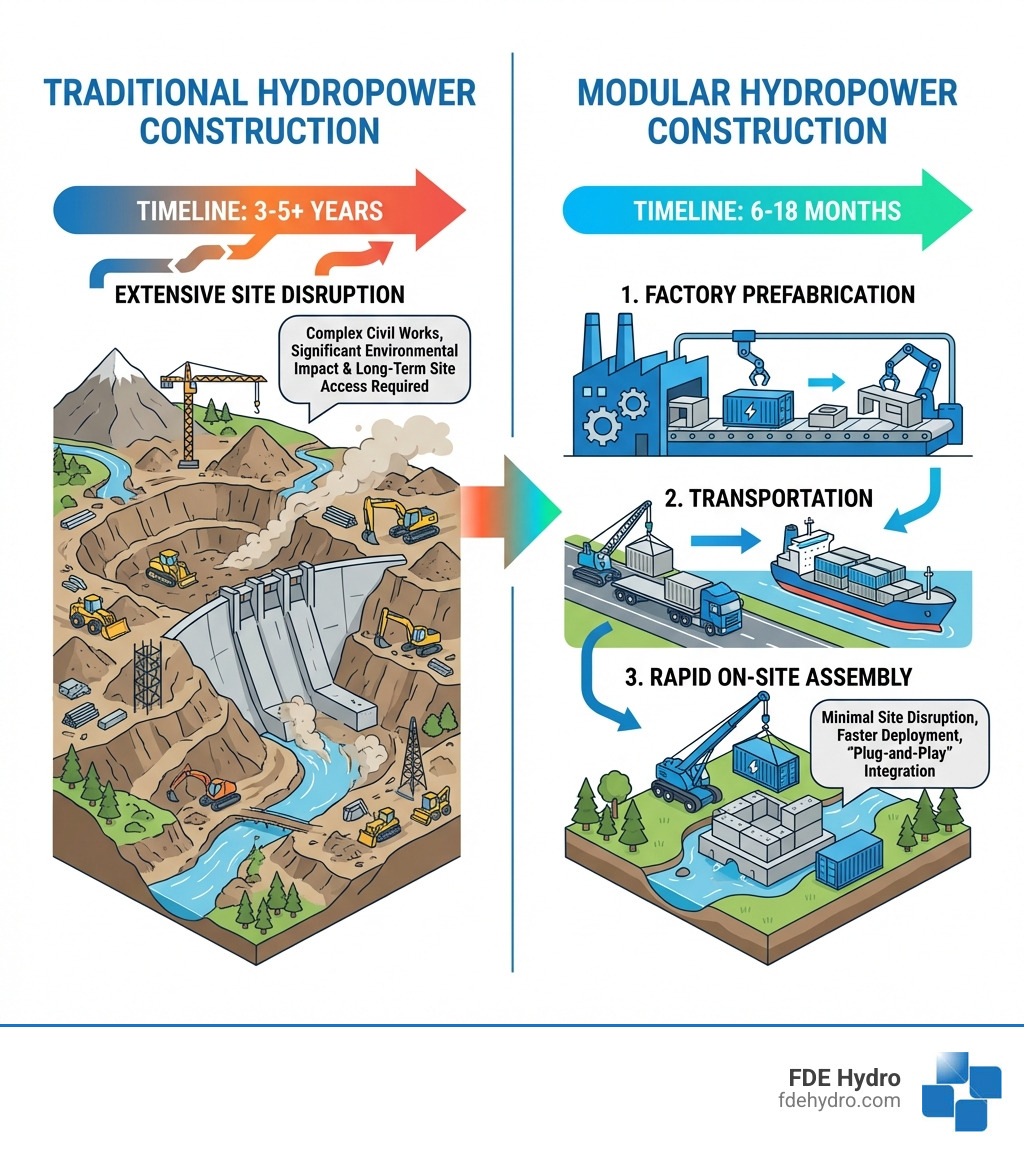
Unlike conventional hydropower that requires years of custom engineering and massive civil construction, modular systems are built in factories, tested before shipping, and installed in weeks or months instead of years. They’re ideal for retrofitting existing dams, powering irrigation canals, supporting remote microgrids, and adding renewable baseload capacity to complement solar and wind.
The modular advantage is clear: Lower upfront costs. Faster revenue generation. Reduced construction risk. And the ability to scale power output by adding more units as needed.
I’m Bill French Sr., Founder and CEO of FDE Hydro™, where we’ve spent the last decade developing modular precast solutions that make hydropower faster and more economical to deploy. Our work with hydro power modules has helped redefine what’s possible for run-of-river facilities, retrofits, and new sustainable infrastructure projects across North America and beyond.
A Guide to Different Types of Hydro Power Modules
When we talk about hydro power modules, we’re referring to a diverse range of innovative technologies, each designed to optimize energy generation for specific site conditions. These aren’t just off-the-shelf products; they are sophisticated, standardized turbine-generator units and civil infrastructure components that arrive pre-assembled and ready for integration. Our approach focuses on delivering complete water-to-wire solutions, encompassing everything from the turbine to the grid connection.
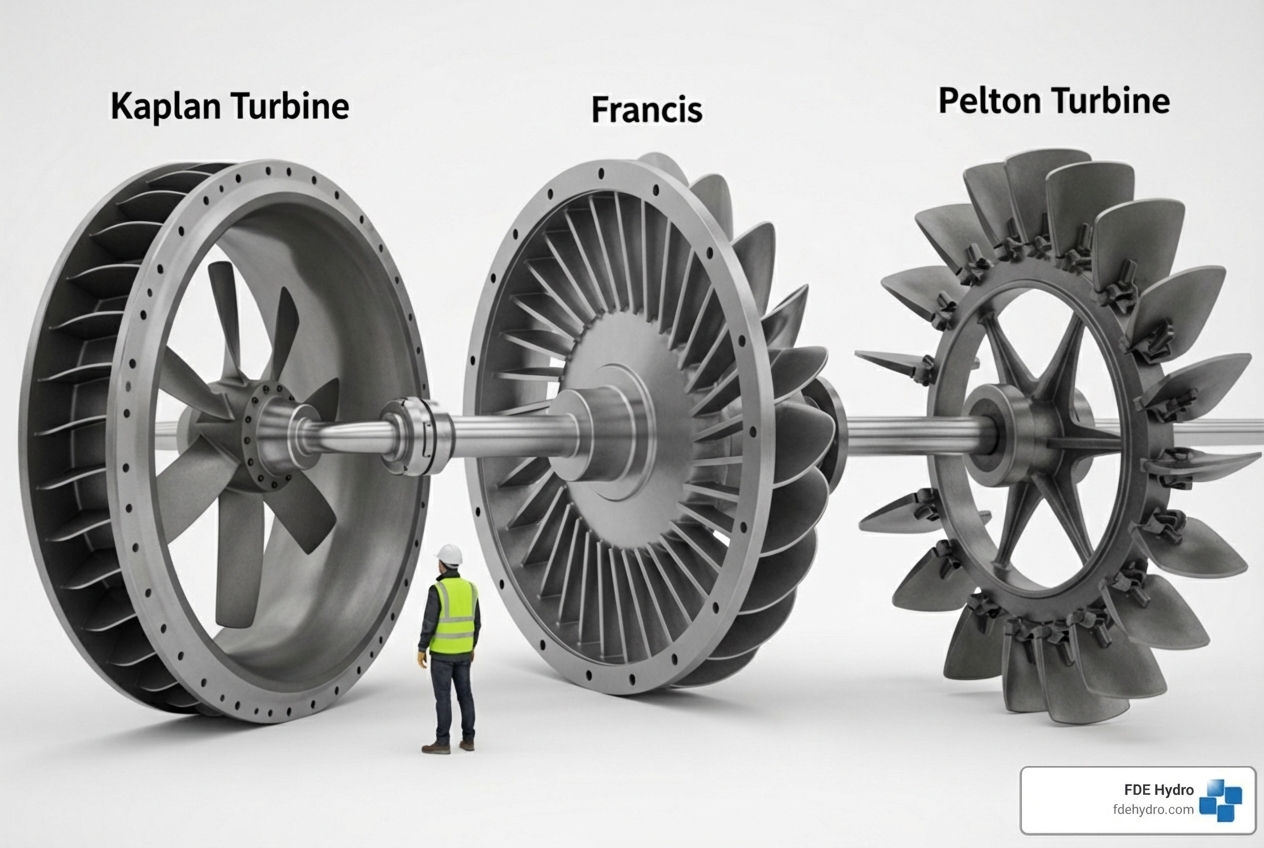
Different types of turbines are suited for varying water conditions, specifically head (the vertical distance water falls) and flow (the volume of water moving). For instance, our modular Kaplan turbines typically operate effectively with a head range of 2 to 10 meters and a flow of 2 to 20 cubic meters per second, generating up to 1,000 kW. For sites with higher heads, our modular Francis turbines excel, handling heads from 20 to 80 meters and flows from 0.25 to 3.80 cubic meters per second, with outputs up to 1,700 kW. For the highest head applications, our Pelton turbines are designed for heads between 80 and 340 meters and flows of 0.4 to 1.6 cubic meters per second, capable of producing up to 4,750 kW. This diverse range allows us to tailor solutions precisely to the unique characteristics of each site, ensuring optimal energy capture. For a deeper dive into the mechanics, we encourage exploring the various Types of Hydropower Plants.
Containerized “Plug-and-Play” Systems
One of the most exciting advancements in modular hydropower is the development of containerized “plug-and-play” systems. These units integrate turbines, generators, controls, and grid interconnection equipment within prefabricated, modified shipping containers. This innovative design significantly reduces the need for extensive civil works on-site, as much of the complex machinery is housed within a robust, transportable module.
These systems are built and thoroughly tested in a factory environment before being shipped to the project location, dramatically cutting down on-site construction time and costs. They are particularly ideal for remote locations, small businesses, or households, and can even be scaled by deploying multiple containers for sites with large variations in water flow. Applications range from providing power to irrigation canals and mining facilities to supporting independent microgrids and larger grid-applied systems. This modular approach truly makes decentralized hydropower generation economically attractive and more accessible, as highlighted by discussions at industry events like Clean Currents. We are proud to offer advanced Modular Powerhouses that embody this plug-and-play philosophy.
Precast Concrete Civil Works
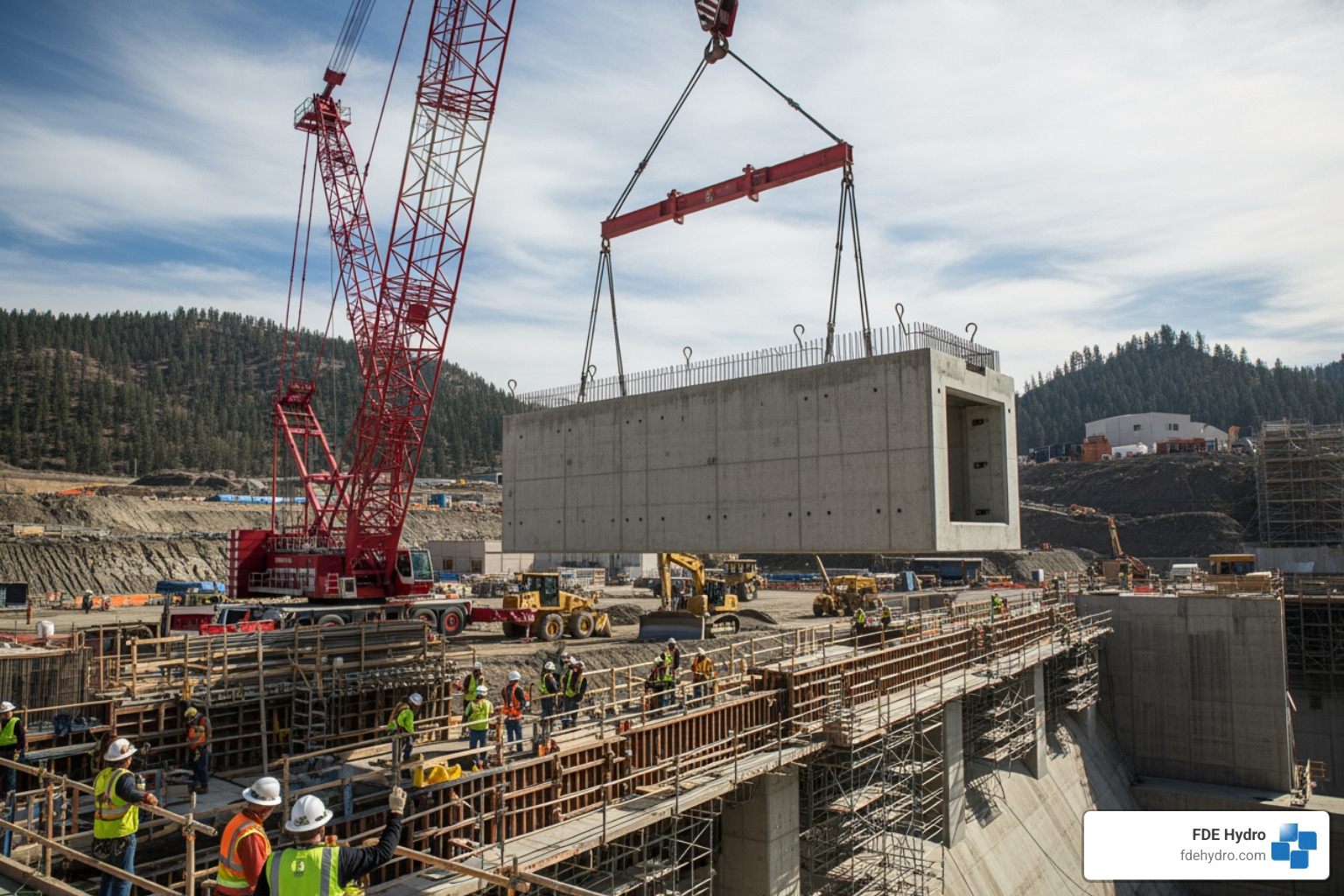
At FDE Hydro, we specialize in the use of modular precast concrete technology, which we believe is a game-changer for hydropower civil works. This method involves manufacturing concrete components off-site in a controlled factory environment, then transporting them to the project site for rapid assembly. This dramatically accelerates construction timelines and reduces overall project costs compared to traditional cast-in-place concrete methods.
Our h-Modulor™ System, for example, is a testament to this approach, offering a faster and lower-cost way to build civil works, integrate fish passage solutions, and house turbomachinery. Our precast components are designed to interlock seamlessly, creating robust and durable structures. We use various configurations to suit different site needs:
- Module Stacks: These are used for projects ranging from 0.5 to 25 MW, providing a structured way to add power generation and ensure fish passage.
- Pressure Boxes: Ideal for adding power to non-powered dams or integrating into existing penstock designs.
- Siphon Modules: A particularly ingenious solution, these modules can add power generation to existing civil works, such as irrigation drops, without requiring the costly and disruptive process of dewatering the site.
Our patented modular precast concrete technology, often referred to as the “French Dam” technology, allows us to build and retrofit hydroelectric dams and water control systems with unprecedented speed and efficiency across North America, Brazil, and Europe. This is a core part of our expertise in Modular Precast Concrete and Modular Dam Construction.
Specialized Low-Head and Micro-Hydro Modules
Beyond the larger-scale modular systems, we also see significant innovation in specialized low-head and micro-hydro hydro power modules. These systems are designed to harness energy from smaller drops and lower flow rates, opening up vast new potential for hydropower generation in locations previously deemed unsuitable.
One such innovative approach involves using conventional water pumps in reverse as turbines, often referred to as Pumps as Turbines (PAT). These systems offer negligible environmental impacts, minimal water requirements, and negate the need for artificial reservoirs, making them highly attractive for smaller, environmentally sensitive projects.
Another example is the development of oil-free, streamlined designs that improve environmental compatibility. For instance, some propeller turbines feature river-water lubricated bearings, eliminating the need for oil and grease and ensuring an oil-free operation. These designs are inherently fish-friendly, minimizing harm to aquatic life. Vortex micro hydro power plants also exemplify this, operating with low heads (as little as 1 to 2 meters) and moderate flow rates (over 1 cubic meter per second). They create a slow-moving water vortex that powers a turbine at low RPM, making them exceptionally fish-friendly, requiring no dam creation or water holdup, and generating power in harmony with nature. These specialized hydro power modules represent the forefront of Hydropower Innovation.
The Modular Advantage: Faster, Cheaper, and More Efficient
The shift towards hydro power modules isn’t just about new technology; it’s about fundamentally changing the economics and logistics of hydropower development. The advantages are clear and compelling, offering solutions that are faster to deploy, more cost-effective, and inherently more flexible than traditional, custom-built hydropower plants.
One of the most significant benefits is the substantial reduction in project costs. By manufacturing components off-site in controlled factory environments, we can achieve economies of scale, reduce labor costs, and minimize waste. This modular approach significantly cuts down on overall Hydropower Project Costs.
Coupled with cost savings is the dramatic reduction in construction time. Where traditional hydropower projects can take many years to complete, modular installations can be up and running in a matter of months. This accelerated timeline translates directly into faster revenue generation and a quicker return on investment for project developers and investors.
The scalability of hydro power modules is another key advantage. Whether a project requires a small micro-hydro unit or a larger multi-megawatt installation, modules can be configured and combined to meet specific power needs. This inherent flexibility also contributes to lower financial risk, as projects can be phased or expanded as demand or resources change. Our expertise in Precast Concrete Advantages further improves these benefits, providing robust and efficient civil infrastructure solutions.
Installation, Commissioning, and Maintenance
The streamlined nature of hydro power modules extends throughout their entire lifecycle, from initial installation to long-term maintenance. A cornerstone of this efficiency is factory assembly and testing. By building and rigorously testing components and even entire powerhouses (like containerized systems) in a controlled factory setting, we ensure that everything is in perfect working order before it even leaves the facility. This meticulous pre-assembly dramatically reduces the potential for on-site issues and speeds up deployment.
Once on-site, the installation process is significantly simplified. With precast concrete elements that fit together like building blocks and “plug-and-play” turbine units, the civil works and equipment integration require far less time and specialized on-site labor. Our advanced techniques enable the Rapid Installment of Module Precast Civil Infrastructure, minimizing disruption and accelerating project completion.
Commissioning is also expedited, often being a “plug-and-play” process due to the pre-tested nature of the modules. For maintenance, the modular design offers several advantages. Many systems are designed for minimal upkeep, with features like oil-free operation and river-water lubricated bearings. Even for more complex tasks, the standardized components mean easier access to parts and more straightforward repair procedures, contributing to lower operational costs over the plant’s long lifespan. This focus on ease of operation and simplified care is central to effective Hydro Power Plant Maintenance.
Return on Investment (ROI) and Economic Viability
The economic case for hydro power modules is exceptionally strong, driven by their lower upfront capital requirements and faster path to profitability. By reducing construction costs and timelines, modular systems allow for quicker deployment and, consequently, faster revenue generation. This accelerated cash flow is a significant draw for private investors, making hydropower projects more attractive and financially viable.
Furthermore, these systems are built for durability and longevity. Many modular hydropower installations, particularly those utilizing robust concrete structures like ours, boast an impressive operational lifespan of 50 to 100 years. This long-term reliability, combined with lower maintenance needs, contributes to an excellent return on investment. For example, some micro-hydro vortex systems report Net Energy Returns as high as 16:1, meaning the energy invested in their construction is returned sixteenfold over their lifetime. This long-term value proposition helps mitigate risks and ensures sustainable returns, as we discuss further in Financing Long-Term Hydropower Requires Mitigating Risks Prior to ROI.
Key Innovations and Applications for Hydro Power Modules
The rapid evolution of hydro power modules is fueled by a commitment to innovation, leveraging advanced manufacturing techniques and smart technologies to make hydropower more versatile and efficient. Standardization and prefabrication are at the heart of this revolution, allowing for consistent quality, faster deployment, and cost efficiencies that were previously unattainable.
Beyond physical components, technological advancements like AI-driven development are beginning to optimize everything from site selection to operational efficiency. Digital twins can simulate performance and predict maintenance needs, while advanced automation systems ensure seamless operation and integration with existing grids. These innovations are continuously pushing the boundaries of what’s possible in hydropower, marking a new era of Hydropower Innovation.
Typical Applications for modular hydro power modules
The flexibility and adaptability of hydro power modules open up a vast array of applications, making hydropower accessible in diverse settings across the United States, Canada, Brazil, and Europe. We are seeing these systems deployed in scenarios that were once economically or logistically challenging for traditional hydropower:
- Powering Non-Powered Dams: A significant opportunity lies in retrofitting existing non-powered dams, turning them into clean energy generators without requiring extensive new construction. Our pressure box configurations, for instance, are perfectly suited for this.
- Hydropower Retrofitting: We frequently upgrade and modernize existing hydroelectric facilities, enhancing their efficiency and extending their operational life. This involves replacing aging infrastructure with next-generation modular solutions.
- Irrigation Canals: Integrating hydro power modules into irrigation systems allows for dual-purpose infrastructure – water delivery and clean energy generation. Our siphon modules are ideal for this, adding power without disrupting water flow or dewatering.
- Water Treatment Plants: These facilities require significant energy, and modular hydro can provide a sustainable, on-site power source, often utilizing existing water flows within the plant’s operations.
- Remote Communities: For areas lacking reliable grid access, micro-hydro modules can provide essential electricity, replacing diesel generators and fostering energy independence.
- Mining Facilities: Mines have substantial energy demands, and modular hydropower can offer a consistent, clean power supply, especially in regions with available water resources.
- Energy Recovery: Beyond direct power generation, modular turbines can be used for energy recovery in various water systems, including desalination plants (Reverse Osmosis) and drinking/wastewater networks.
These diverse applications underscore the critical role hydro power modules play in modern Water Infrastructure Projects Guide.
Site Requirements and Feasibility
While hydro power modules offer unprecedented flexibility, successful implementation still hinges on careful site assessment. Key factors include the available head and flow rate. Many modular solutions are specifically designed for low-head sites and run-of-river applications, which are common across our operational regions.
For example, micro-hydro vortex plants typically require heads as low as 1 to 2 meters (or up to 4 meters if plants are sequenced) and flow rates exceeding 1 cubic meter per second. Our h-Modulor™ system can accommodate flows from 100 to 25,000 cubic feet per second and heads from 10 to 50 feet, showcasing the broad range of sites modular solutions can address.
Accurate flow rate analysis and head measurement are crucial for selecting the appropriate modular system. We leverage state-of-the-art tools, including powerful GIS (Geographic Information System) software, to identify suitable sites globally, including within the United States, Canada, Brazil, and Europe. Beyond the water parameters, practical considerations such as road or waterway access for module delivery, proximity to grid connection points, and even 3G (or better) reception for remote monitoring are important for optimizing construction costs and operational efficiency. Understanding these elements is fundamental to any Hydroelectric Dam Design: Complete Guide.
Sustainability, Grid Independence, and the Future of Modular Hydro
The rise of hydro power modules is not just an engineering triumph; it’s a critical development for achieving a sustainable, resilient, and decentralized energy future. These systems inherently contribute to grid independence and the proliferation of microgrids, offering a stable and predictable power source.
Unlike intermittent renewables like solar and wind, hydropower provides continuous, baseload power, making it an ideal complement to ensure grid stability. Modular hydro can serve as an on-demand addition to existing intermittent wind and solar systems, providing power when the sun isn’t shining or the wind isn’t blowing. This makes hydropower a vital “guardian of the grid,” ensuring energy security and reliability. The ability to deploy these modules rapidly and cost-effectively in various locations fosters decentralized energy generation, empowering communities and industries to produce their own power and reduce reliance on centralized grids. This is why we firmly believe in 4 Reasons Why Hydropower is the Guardian of the Grid.
Addressing Environmental Concerns with hydro power modules
One of the most compelling aspects of modern hydro power modules is their commitment to minimizing environmental impact. Unlike large-scale traditional dams that can alter ecosystems significantly, modular designs are often custom for low environmental footprints.
Many systems are designed to be fish-friendly, incorporating features that allow for safe fish passage and minimize harm to aquatic life. For instance, some propeller turbines use oil-free operation with river-water lubricated bearings, preventing potential contamination. Vortex micro hydro plants are specifically engineered to be fish-friendly, with slow-moving rotors and no need for large dams or water holdup, ensuring the renaturation and revitalization of water. We prioritize Aquatic Animal and Recreational Passage in our designs.
Furthermore, these modules often operate in run-of-river configurations, meaning they use the natural flow of a river without creating large reservoirs, thus preserving natural habitats and water levels. The closed-loop nature of some systems also ensures water recycling and ecosystem conservation, contributing to a carbon-neutral energy solution. These advancements demonstrate that hydropower can be both powerful and environmentally responsible, mitigating common Hydropower Environmental Impact concerns.
The Future Outlook for Modular Hydropower
The future for hydro power modules is exceptionally bright, marked by significant growth potential and an increasing recognition of their role in a sustainable energy landscape. As outlined in the Update of the Hydropower Vision Roadmap, there’s a strong push for modernizing and expanding hydropower capacity, especially through innovative, modular approaches.
A major driver for this growth is the need to retrofit and upgrade aging infrastructure across North America and Europe. Thousands of existing low-head hydro sites and non-powered dams present tremendous potential for energy recovery. Our modular precast solutions are perfectly positioned to address this, offering next-generation civil solutions that replace Aging Infrastructure Being Replaced with Next Generation Civil Solutions with efficient, long-lasting assets.
Modular hydropower is also crucial in the global effort to mitigate climate change, providing a reliable, low-carbon energy source that complements other renewables. Industry events, such as Clean Currents, serve as vital platforms for discussing and advancing modular and standardized approaches to small hydro development, fostering collaboration and knowledge sharing that propels the sector forward. We anticipate a dynamic market for small hydropower stations, demanding fast, innovative, and highly efficient modular solutions.
Frequently Asked Questions about Modular Hydropower
How much power can a modular hydro system generate?
The power output of a modular hydro system is highly scalable and depends on the specific site’s head and flow conditions, as well as the type and number of hydro power modules deployed. We see a wide range of capacities:
- Micro-hydro systems can start as low as 5 kW, with some vortex micro hydro plants generating 5 to 50 kW per basin.
- Mini hydro systems typically range from 20 kW to 3,000 kW (3 MW), suitable for heads from 10 to 150 meters.
- Small hydro installations can produce anywhere from 500 kW to 30 MW. For instance, our modular Kaplan turbines can reach up to 1,000 kW, Francis turbines up to 1,700 kW, and Pelton turbines up to 4,750 kW for single units.
- Some modular systems, like our h-Modulor™ system with module stacks, can deliver between 0.5 MW and 25 MW.
- For larger demands, multiple turbines can be clustered to generate several megawatts of energy, demonstrating significant scalability for diverse project requirements.
Are hydro power modules suitable for existing dams?
Absolutely, one of the most significant advantages of hydro power modules is their suitability for existing dams, particularly non-powered dams or those in need of retrofitting and upgrading. Instead of constructing entirely new, large-scale facilities, we can integrate modular solutions with minimal civil works.
Our h-Modulor™ system, for example, offers pressure boxes specifically designed to add power to non-powered dams. Our siphon modules are a game-changer for adding power to existing civil structures like irrigation drops, crucially without requiring site dewatering, which saves significant time and cost. This approach allows us to transform underused or aging water infrastructure into productive clean energy assets. We are experts in Dam Rehabilitation Encapsulation, breathing new life into old structures. There are thousands of existing low-head hydro sites and underused resources across the United States, Canada, Brazil, and Europe that are prime candidates for such retrofitting and upgrades.
What is the typical lifespan of a modular hydropower installation?
Hydro power modules are built for remarkable durability and a long operational lifespan, designed to be robust and reliable for decades. The expected lifetime for many modular hydropower installations ranges from 50 to 100 years.
This impressive longevity is due to several factors:
- Concrete Structures: Our modular precast concrete components are engineered for extreme durability, often outlasting mechanical components. Concrete structures are known for their resilience and minimal degradation over time, contributing significantly to the overall lifespan of the plant.
- Mechanical Components: While turbines and generators may have shorter lifespans than civil structures, modular designs facilitate easier maintenance and replacement. Many systems are designed with lower maintenance needs, such as oil-free operations and slow-moving, fish-friendly turbines that experience less wear and tear.
- High Net Energy Return: The long operational life, combined with efficient energy generation, translates into a high net energy return, meaning the system produces many times more energy than was consumed in its manufacturing and installation. This long-term economic viability underscores the sustainability of modular hydropower.
Conclusion
The emergence of hydro power modules marks a pivotal moment in renewable energy, offering a flexible, cost-effective, and environmentally conscious path forward. We’ve seen how these prefabricated, standardized systems streamline everything from design and construction to operation and maintenance, making hydropower more accessible and appealing than ever before.
The advantages are clear: faster deployment, lower financial risk, impressive scalability, and a significantly reduced environmental footprint. By addressing concerns like fish passage and promoting decentralized energy generation, modular hydro contributes to a more resilient and independent grid, perfectly complementing intermittent renewables.
At FDE Hydro, we are proud to be at the forefront of this change. Our innovative Modular Precast solutions, including our patented “French Dam” technology, are pioneering the next generation of hydropower development across North America, Brazil, and Europe. We believe that by embracing these advanced techniques, we can accelerate the transition to a truly Sustainable Infrastructure Development.
Ready to explore how modular hydropower can power your future? We invite you to view our advanced Precast Models and find the possibilities.
by Bill French Sr. | Feb 12, 2026 | Hydropower Articles
The Power of Flowing Water
Hydropower Electricity is energy generated from moving water—a renewable resource that has powered civilization for centuries. Today, it supplies 15% of the world’s electricity (almost 4,210 TWh in 2023), making it the largest single source of renewable power.
How It Works:
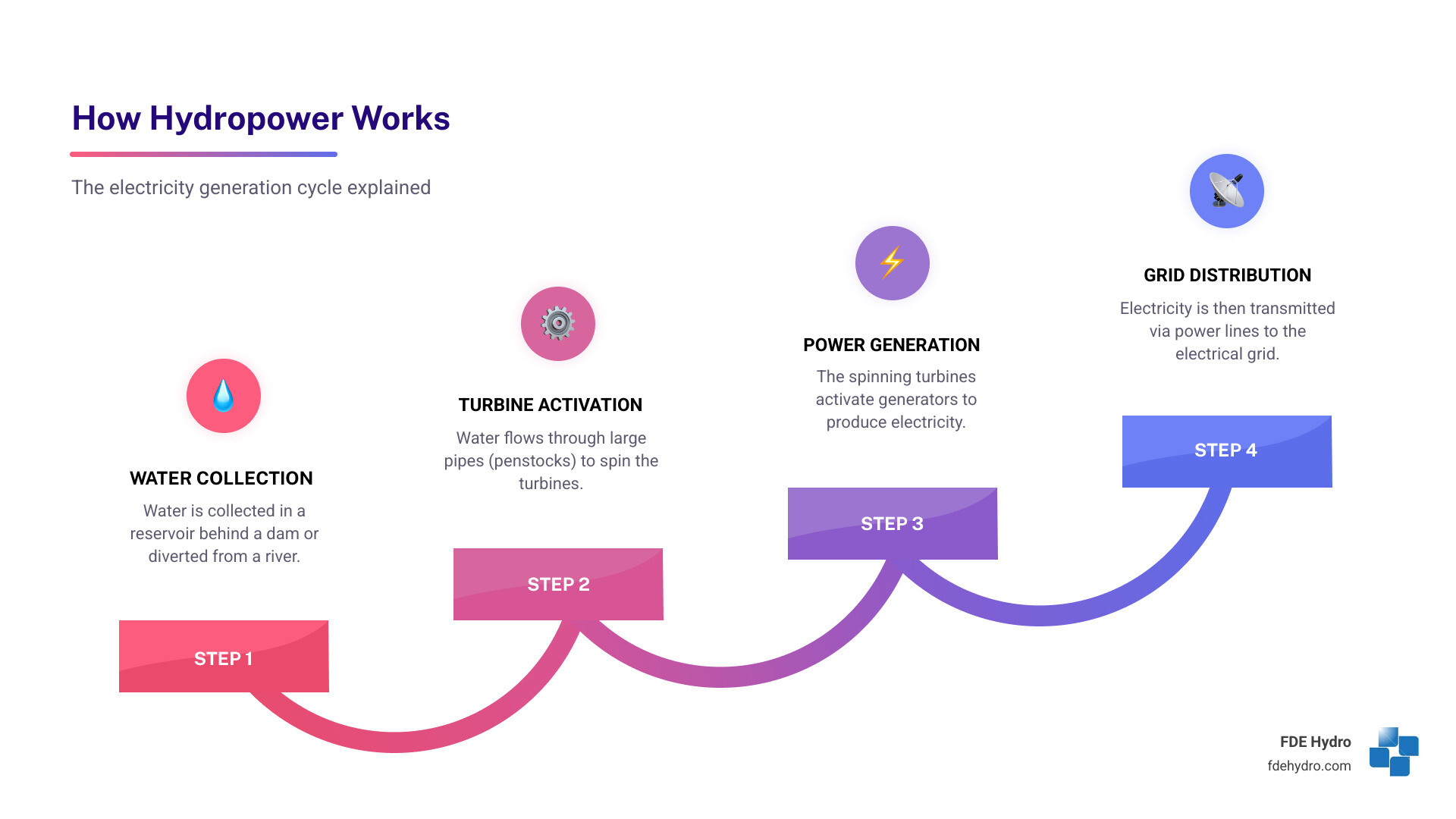
Hydropower facilities convert the energy of flowing or falling water into electricity. Typically, water stored in a reservoir behind a dam flows through a large pipe (penstock), spinning turbines connected to generators. This electricity is then transmitted to the grid.
Key Facts:
- Global installed capacity: ~1,400 GW (2021)
- Top producers: China, Brazil, Canada, USA, and Russia
- Extremely long lifespan, with plants often operating for 50-100 years
- One of the lowest lifecycle greenhouse gas emissions for electricity generation
Despite its long history, from ancient water wheels to modern megadams, hydropower’s full potential remains untapped. Meeting climate goals requires significant new capacity, but conventional construction is often expensive, slow, and fraught with risk.
I’m Bill French Sr., founder and CEO of FDE Hydro™. After five decades in heavy civil construction, I’ve seen these challenges firsthand. That’s why we’re revolutionizing how Hydropower Electricity facilities are built with modular precast construction methods that cut costs, speed up timelines, and reduce environmental impact, open uping hydropower’s vast potential.
Hydropower Electricity further reading:
How Hydropower Electricity is Generated: From River to Grid
At its core, Hydropower Electricity production converts the potential energy of water stored at a height into kinetic energy as it flows, which in turn generates electricity. This process intercepts the Earth’s natural water cycle, making it a truly renewable resource. As water moves from a higher to a lower elevation, it drives turbines connected to generators, producing clean power for the grid.
Understanding the mechanics is key to appreciating its role in our energy future. You can dig deeper with our guide on How Hydropower Works and explore components in our Hydroelectric Dam Components Ultimate Guide.
Conventional Impoundment Dams
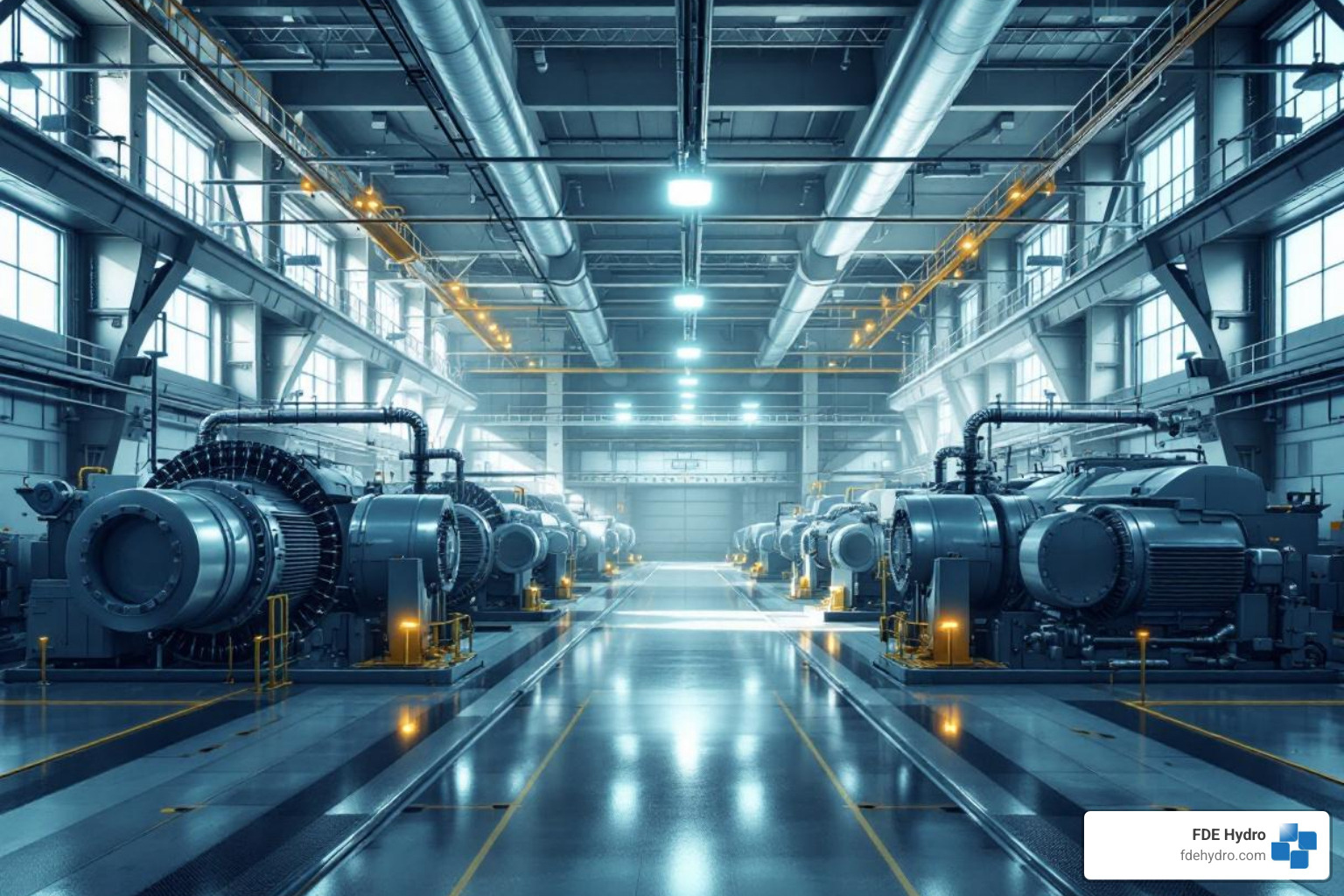
Most people picture a conventional impoundment dam when they think of hydropower. These large structures create reservoirs, storing vast amounts of potential energy. When electricity is needed, water is released from the reservoir through large pipes (penstocks). The high-pressure water strikes and spins a turbine, which is connected to a generator that produces electricity. This power is then sent to the grid. These dams, like the 14,000 MW Itaipu Dam, are the backbone of large-scale Hydropower Electricity generation and often provide secondary benefits like flood control and irrigation. For a comprehensive look at their design, explore our Hydroelectric Dam Design Complete Guide.
Pumped-Storage Hydropower (PSH)
Pumped-storage hydropower (PSH) acts like a giant, water-based battery, essential for grid stability. A PSH facility uses two reservoirs at different elevations. During times of low electricity demand or surplus renewable generation (from wind or solar), water is pumped from the lower reservoir to the upper one, storing energy. When demand is high, the water is released back down through turbines to generate Hydropower Electricity. This ability to store and release energy on demand makes PSH a critical partner for intermittent renewables. In 2021, PSH accounted for almost 85% of the world’s grid energy storage. We believe PSH is vital for a clean energy future, as detailed on our Pumped Storage Hydropower page.
Run-of-the-River and Other Methods
Hydropower Electricity also comes in other forms suited to different environments.
- Run-of-the-River: These systems use a river’s natural flow with minimal water storage. A small structure diverts some water through a turbine and returns it downstream, resulting in a lower environmental footprint but less flexible power output.
- Small, Micro, and Pico Hydro: These are scaled-down versions for local applications, ranging from under 5 kW (pico) to 10 MW (small). They are ideal for powering remote communities or single homes.
- Tidal and Conduit Power: Tidal power harnesses the predictable rise and fall of ocean tides. Conduit hydropower generates electricity from water flowing in existing pipelines, like municipal water systems, by integrating turbines directly into the conduits.
These diverse methods demonstrate our commitment to Sustainable Power Generation by exploring every viable way to harness water’s energy.
The Pros and Cons of Hydropower: A Balanced View
Like any large-scale energy technology, Hydropower Electricity has both advantages and challenges. While celebrated as a clean, renewable source, it’s crucial to examine its environmental and social impacts to ensure responsible development. Balancing the immense benefits with potential trade-offs is key. We explore these considerations on our Hydropower Environmental Impact page.
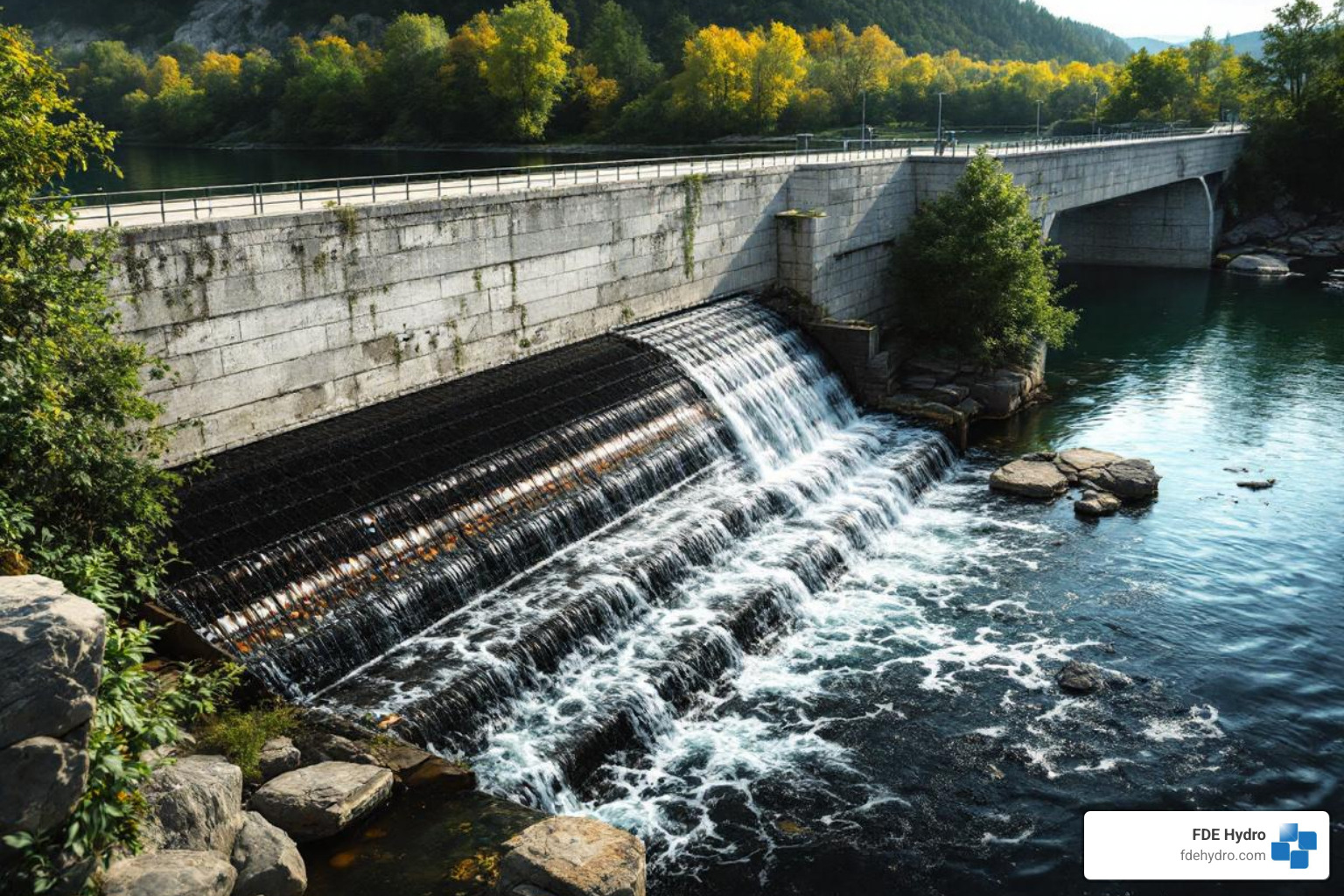
Major Advantages of Hydropower
Hydropower Electricity offers compelling benefits that few other energy sources can match.
- Low Operating Costs: Once built, hydro plants have very low running costs as the fuel—water—is free. This leads to stable, predictable electricity prices.
- Long Plant Lifespan: Facilities are built to last, with many operating efficiently for 50 to 100 years, making them excellent long-term infrastructure investments.
- Dispatchable Power: Hydropower is highly flexible. It can be turned on or off almost instantly to meet fluctuating electricity demand, making it vital for balancing the grid with intermittent renewables like solar and wind.
- Black Start Capability: In a widespread power outage, hydropower plants can restart without drawing power from the grid, helping to restore electricity to other power stations and critical infrastructure.
- Water Management Benefits: Reservoirs provide reliable water for irrigation and public supplies, and are crucial for flood control.
These advantages make hydropower a cornerstone of a resilient energy system. Learn more about the Benefits of Hydropower Plant and why it’s the Guardian of the Grid.
Significant Disadvantages and Environmental Impacts
We must also acknowledge and address the potential drawbacks of Hydropower Electricity, especially from large dams.
- Ecosystem Damage: Dams alter river ecosystems and can block fish migration routes, impacting species like salmon. While fish ladders help, they don’t always solve the problem.
- Sedimentation: Dams trap sediment, which can reduce a reservoir’s storage capacity and starve downstream habitats of vital nutrients.
- Land Loss and Inundation: Creating large reservoirs floods vast areas, resulting in the loss of forests, farmland, and natural habitats.
- Methane Emissions: In some tropical regions, submerged vegetation decomposes and releases methane, a potent greenhouse gas. This effect is less significant in temperate climates.
- Human Displacement: Large dam projects can require relocating communities, leading to social and economic disruption.
Addressing these challenges is paramount. At FDE Hydro, we focus on Using Technology to Minimize the Duration of Impacts with innovative construction methods.
Hydropower Electricity is a global powerhouse, driving investment, creating jobs, and offering long-term energy security. Understanding its costs and financial benefits is key to realizing its full potential, a topic we cover on our Hydropower Project Costs page and in our guide to Financing Long-Term Hydropower Requires Mitigating Risks Prior to ROI.
Global Status of Hydropower Electricity
As of 2021, global installed hydropower capacity reached almost 1,400 GW, supplying 15% of the world’s electricity in 2023. While over 150 countries use hydropower, a few key players dominate production.
- Brazil: A major hub, producing 10% of the world’s hydro electricity in 2022, primarily from its vast river systems.
- Canada: A global leader with abundant water resources, contributing 9.2% of global hydropower in 2022.
- United States: Generated 5.8% of the world’s hydropower in 2022, with significant potential remaining in modernizing existing dams, especially in regions like the Pacific Northwest and New York.
- Europe: Countries like Norway (almost 98% hydropower) and France are major players. The region continues to invest, adding 2 GW of capacity in 2022.
We monitor these trends closely in our operating regions. For more detail, see the IEA Hydropower Market Report.
The Economics of Hydropower
The economics of Hydropower Electricity are unique.
- High Upfront Capital Costs: Building a hydropower facility is a major investment, and large projects have historically faced cost overruns.
- Long-Term Profitability: Despite high initial costs, plants have very low operating expenses and lifespans of 50-100+ years. This results in a very low Levelized Cost of Energy (LCOE), often making it the cheapest electricity source over the long term.
- Multi-Purpose Benefits: The economic value extends beyond power to include flood control, irrigation, and recreation, which justify investment.
- Investment Trends: After a lull, global investment is rising, with institutions like the World Bank in hydropower development increasing lending as investors seek stable, renewable energy.
FDE Hydro’s modular technology directly addresses high upfront costs by reducing construction time and expense, improving project viability.
The Evolution and Future of Hydropower
The journey of Hydropower Electricity is a story of human ingenuity, from ancient water wheels to modern power plants. Today, innovation continues to drive its evolution, promising an even more critical role in our energy future. We are at the forefront of these Hydropower Advancements Innovations 2025 and are working on Reinvigorating Hydropower for the next century.
A Brief History: From Ancient Water Wheels to Modern Megawatts
The use of water power dates back thousands of years. The ancient Greeks and Chinese used water wheels to grind grain. During the Industrial Revolution, water powered the first factories. The modern era of Hydropower Electricity began in the late 19th century, with the first plant opening in Appleton, Wisconsin, in 1882. Key inventions like the Francis, Pelton, and Kaplan turbines dramatically improved efficiency. The 20th century became the age of megaprojects, with iconic structures like the Hoover Dam in the United States changing regions and powering industrial growth. This rich history underscores hydropower’s enduring importance. For a more detailed journey, explore A brief history of hydropower.
The Future of Hydropower Electricity: Innovation and Potential
The future of Hydropower Electricity is about smarter, more sustainable, and more efficient development.
- Modernizing Aging Infrastructure: Many plants in North America and Europe are decades old. Upgrading turbines and generators can significantly boost output without building new dams.
- Fish-Friendly Turbines and Advanced Data Analytics: Innovations in turbine design are minimizing harm to aquatic life. Combined with advanced monitoring, we can better mitigate environmental impacts.
- Untapped Potential: Significant opportunities remain. The U.S. alone has an estimated 12 GW of potential at existing non-powered dams, many built for flood control or irrigation in states like Kansas.
- Innovative Construction Methods: This is where FDE Hydro is changing the game. Traditional construction is slow and costly. Our patented modular precast concrete technology (“French Dam”) allows for rapid, cost-effective assembly. By prefabricating components, we dramatically reduce construction timelines and environmental disruption, making more projects viable. We believe this is key to open uping the Future of Hydropower.
Hydropower in Context: Comparisons and Safety
To appreciate Hydropower Electricity, it’s helpful to compare it to other energy sources and understand how we manage its risks. We constantly analyze What Renewable Energy Resource is the Most Efficient? and work to optimize Hydroelectric Dam Efficiency.
How Hydropower Compares to Other Energy Sources
Hydropower offers a unique combination of high reliability, low cost, and low emissions.
| Energy Source |
Capacity Factor |
LCOE (Relative) |
GHG Emissions (Lifecycle) |
Flexibility |
| Hydropower |
High (30-90%) |
Low |
Very Low |
High |
| Solar PV |
Moderate (15-30%) |
Moderate |
Very Low |
Low (Intermittent) |
| Wind |
Moderate (25-45%) |
Low |
Very Low |
Low (Intermittent) |
| Nuclear |
Very High (90%+) |
High |
Very Low |
Low (Baseload) |
Unlike intermittent solar and wind, hydropower is dispatchable, meaning its output can be adjusted in minutes to balance the grid. This flexibility makes it an ideal partner for variable renewables. While nuclear power provides constant baseload energy, hydropower excels at following load changes. Compared to fossil fuels, it produces no air pollutants and has one of the lowest lifecycle carbon footprints.
Managing the Risks: Dam Safety and Reliability
Dam failures, though rare, can be catastrophic, so safety is our highest priority. Historical events like the Malpasset Dam failure in France serve as reminders of the need for rigorous engineering.
Today, dam safety relies on multiple layers of protection:
- Modern Monitoring Systems: Advanced sensors continuously track structural integrity, water levels, and seismic activity, providing early warnings of potential issues.
- Engineering Standards and Maintenance: Dams are built to strict standards and undergo regular inspections and maintenance to ensure long-term reliability.
- Emergency Action Plans: Detailed plans are in place to coordinate with emergency services and protect downstream communities in the unlikely event of a failure.
At FDE Hydro, our services include Dam Rehabilitation Encapsulation and expert Hydroelectric Dam Construction. Our modular technology also improves structural integrity, contributing to overall dam safety.
Frequently Asked Questions about Hydropower
We understand that Hydropower Electricity can be a complex topic. Here, we address some of the most common inquiries.
Is hydropower a truly “clean” energy source?
This is a nuanced question. Hydropower is clean in that it produces no air pollutants and has very low lifecycle greenhouse gas (GHG) emissions compared to fossil fuels. However, it’s not without environmental impact. Creating reservoirs alters river ecosystems and can disrupt fish migration. In some tropical regions, like parts of Brazil, submerged vegetation can release methane, a potent GHG. This effect is far less pronounced in temperate climates like North America and Europe. Our focus is on mitigating these impacts through careful site selection, fish-friendly turbines, and less disruptive construction methods.
Can hydropower adapt to climate change?
Hydropower’s relationship with climate change is twofold. It’s a key tool for mitigation, but it’s also vulnerable to climate impacts like droughts and altered rainfall patterns, which can affect generation capacity. However, hydropower reservoirs are also vital for climate resilience. They store water to mitigate floods and provide a reliable supply during dry periods for communities and agriculture. Adapting successfully requires accurate hydrological forecasting and modernizing infrastructure to handle new climate realities.
What is the difference between large and small hydropower?
The main difference is generating capacity.
- Large Hydropower: Generally refers to facilities over 10 to 30 megawatts (MW). These projects, often involving large dams like the Itaipu Dam, provide large-scale, baseload power and significant grid stability.
- Small Hydropower: Typically includes facilities below 10 to 30 MW, such as run-of-the-river or micro-hydro systems. They have a smaller environmental footprint and are ideal for decentralizing power to remote communities. Many non-powered dams in the U.S. and Canada could be retrofitted with small hydro units.
Both large and small hydropower play complementary roles in a diverse, clean energy future.
Conclusion: The Enduring Power of Water
Hydropower Electricity is a foundational pillar of renewable energy, essential for our clean energy future. It offers reliable, dispatchable, low-carbon power and vital water management benefits. While we must address its environmental challenges with responsible development, its advantages are undeniable.
The path forward requires innovation—modernizing aging infrastructure and leveraging new technologies. FDE Hydro’s modular precast systems are designed to make hydropower projects in North America, Brazil, and Europe more viable and sustainable. By balancing benefits with diligent management, we can ensure water remains an enduring force in the global clean energy transition.
We invite you to learn more about the incredible potential of Hydropower.
by Bill French Sr. | Feb 4, 2026 | Hydropower Articles
The World’s Largest Battery You’ve Never Heard Of
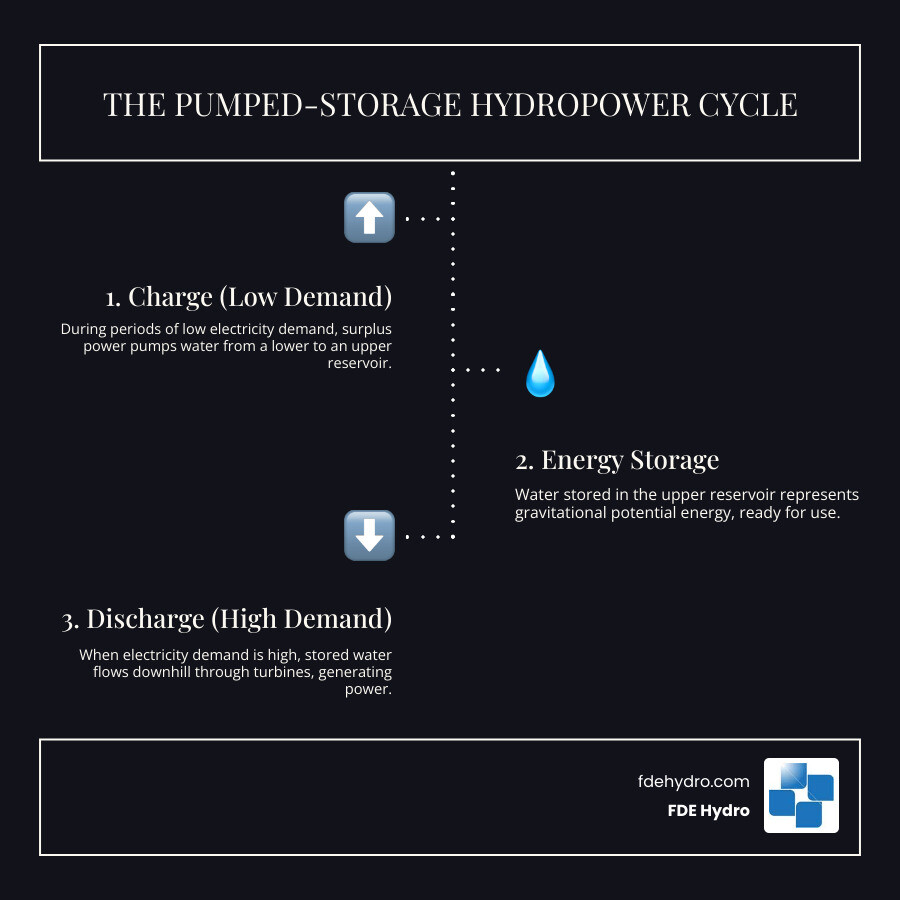
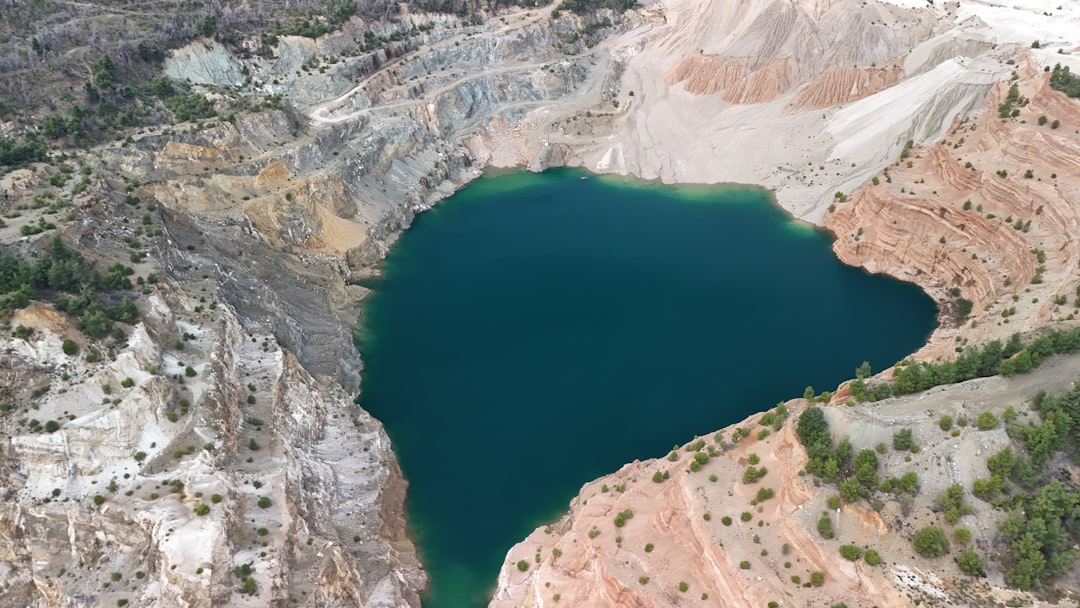
Hydropower energy storage, or pumped-storage hydropower (PSH), is the world’s largest and oldest form of grid-scale energy storage. It functions like a giant water battery, pumping water to an upper reservoir during low electricity demand and releasing it through turbines to generate power during peak demand.
Why it matters:
- Accounts for 94% of global long-duration energy storage capacity
- Provides 179 GW of installed capacity worldwide (as of 2025)
- Stores up to 9,000 GWh of electricity globally
- Offers 70-80% round-trip efficiency with lifespans of 50-100+ years
- Critical for balancing intermittent renewable energy sources like wind and solar
While modern batteries get the headlines, PSH has anchored grid stability since the early 1900s. As the world integrates more renewables, this proven technology is making a major comeback. PSH already provides 97% of utility-scale energy storage in the United States. To meet net-zero targets by 2050, global PSH capacity must more than double to over 420 GW, requiring roughly 10 GW of new capacity annually.
Modern PSH facilities are remarkably flexible, switching between pumping and generating in seconds to provide essential grid services like frequency regulation, voltage control, and black start capability—services that wind and solar cannot provide alone.
As Bill French Sr., Founder and CEO of FDE Hydro™, I’ve spent decades focused on next-generation hydropower solutions. Our work at FDE Hydro™ centers on modular construction innovations that make hydropower energy storage projects faster, more cost-effective, and more environmentally beneficial. The path forward requires both proven technology and new approaches to deployment.
Basic hydropower energy storage terms:
How Pumped-Storage Hydropower Works and Why It’s Essential
At its core, pumped-storage hydropower (PSH) is a simple solution to the complex problem of balancing electricity supply and demand. It’s a rechargeable battery that uses water and gravity.
The process involves two cycles:
- Pumping Cycle (Charging): During low demand or when cheap power from wind or solar is abundant, PSH facilities use electricity to pump water from a lower reservoir to an upper one. This converts electrical energy into stored gravitational potential energy, preventing surplus generation from being wasted.
- Generating Cycle (Discharging): When demand is high, the stored water is released. It flows downhill through large pipes (penstocks), spinning reversible pump-turbines to generate electricity for the grid. This can happen within seconds, making PSH highly responsive.
The key components are massive in scale:
- Upper and Lower Reservoirs: Two bodies of water at different elevations. The height and volume determine the storage capacity.
- Penstocks: Large pipelines connecting the reservoirs.
- Reversible Pump-Turbines: Machines that act as both pumps (moving water up) and turbines (generating power on the way down).
- Motor-Generators: Devices that convert mechanical energy to electrical energy and vice-versa, connecting the facility to the grid.
This mechanism is crucial for maintaining grid reliability. For more details, the U.S. Department of Energy explains How Pumped Storage Hydropower Works.
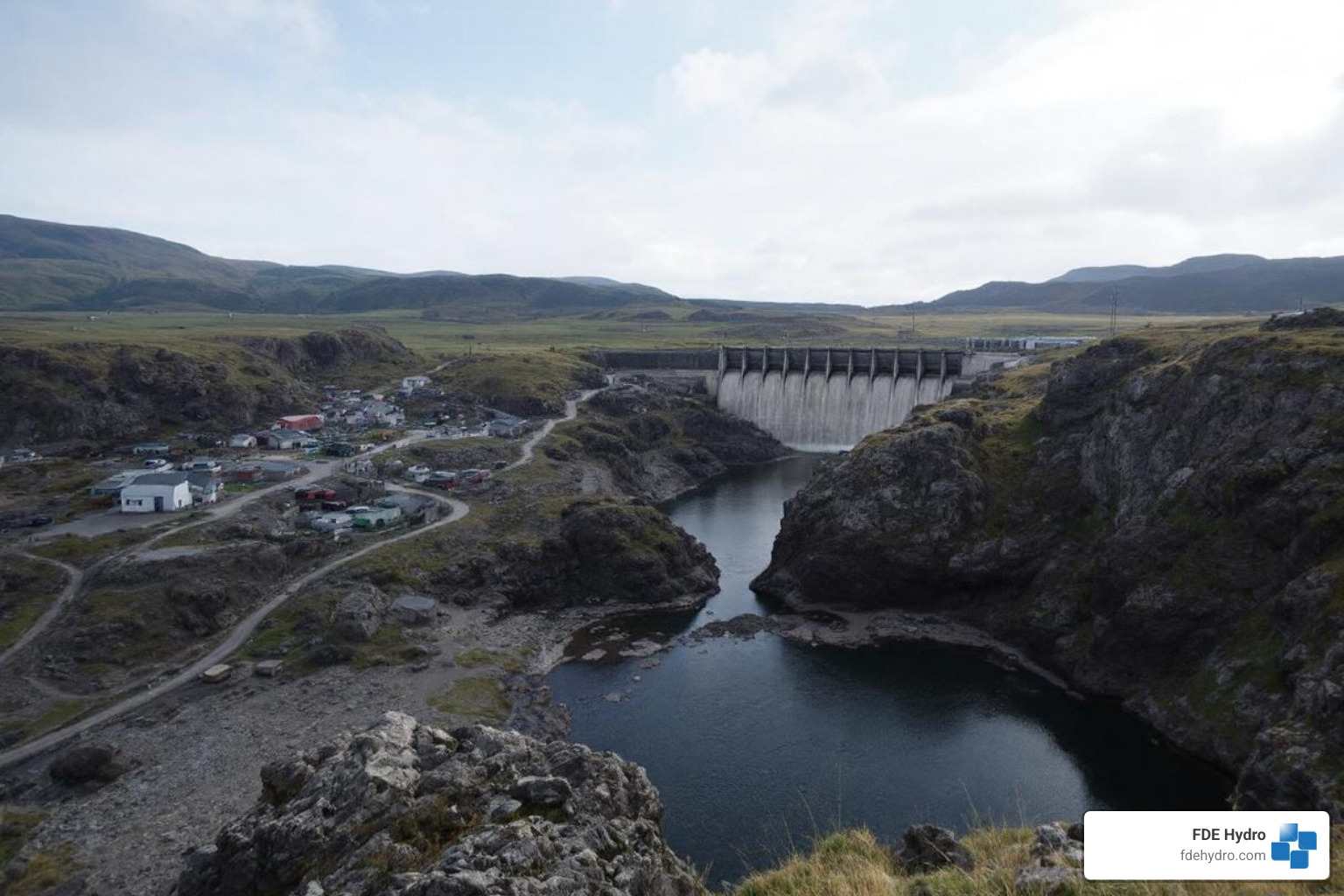
The Key Components and Design Variants
While the basic design of hydropower energy storage is consistent, several variants improve its flexibility:
- Open-Loop Systems: These facilities are connected to a natural water source like a river, allowing them to assist with water management.
- Closed-Loop Systems: These use self-contained reservoirs not connected to natural waterways, reducing environmental impacts and offering more siting flexibility. FDE Hydro™’s modular techniques are ideal for these projects.
- Ternary Sets: Some facilities use separate pumps and turbines for greater operational flexibility.
- Variable-Speed Technology: A major advancement allowing PSH to adjust power consumption or output more precisely, which is vital for managing modern grid fluctuations.
- Underground and Seawater PSH: Innovative concepts using abandoned mines or the ocean as lower reservoirs to overcome geographical constraints. A comprehensive review of pumped hydro energy storage offers more insight.
Benefits for a Renewable-Powered Grid
Hydropower energy storage is the ideal partner for a grid powered by intermittent renewables like wind and solar.
- Balancing Intermittency: PSH absorbs surplus renewable energy by pumping water and releases it to fill gaps when renewable output drops, ensuring a reliable power supply.
- Reducing Curtailment: By storing excess energy that the grid can’t absorb, PSH reduces the wasteful practice of “curtailing” (shutting down) renewable generators.
- Providing Ancillary Services: PSH is a “guardian of the grid,” offering critical stability services:
- Frequency Regulation: Rapidly adjusts power output to maintain the grid’s precise operating frequency.
- Voltage Control: Manages reactive power to maintain stable voltage levels.
- Inertia: The rotating mass of PSH generators naturally resists frequency changes, a crucial property many renewables lack.
- Black Start Capability: Can restart a collapsed grid without external power.
- Rapid Response: Can react to grid needs in seconds, a rapid response capability that is among the best for large-scale storage.
By providing these services, PSH makes the transition to renewables both sustainable and reliable, which is why FDE Hydro™ is focused on Reinvigorating Hydropower for the 21st century.
The Unique Advantages of Hydropower Energy Storage
While battery technology is advancing, hydropower energy storage (PSH) offers distinct advantages for large-scale, long-duration applications.
- Long-Duration Storage: PSH is the leader in long-duration storage, capable of providing power for hours, days, or even seasonally. The Bath County PSH, for example, can power 750,000 homes for 11 hours, and many facilities are built for 20+ hours of storage.
- Grid-Scale Reliability: With its massive capacity and rapid response, PSH acts as a shock absorber for the grid, smoothing out fluctuations and providing critical backup power.
- Proven Technology: PSH has operated reliably for over a century, providing confidence in its performance.
- Exceptional Lifespan: Facilities have an incredibly long lifespan of 50 to 100+ years, reducing lifetime costs and aligning with FDE Hydro™’s focus on Sustainable Infrastructure Development.
- Cost-Effectiveness: Despite high upfront capital costs, the immense scale, long life, and low operational costs make PSH highly cost-effective for large-scale storage, as noted in the 2022 Grid Energy Storage Technology Cost and Performance Assessment.
Comparing Hydropower Energy Storage Approaches
Here’s how hydropower energy storage compares to another common solution, utility-scale lithium-ion batteries.
| Characteristic |
Pumped-Storage Hydropower (PSH) |
Lithium-ion Batteries (Utility-Scale) |
| Capacity (GWh) |
Up to 9,000 GWh (globally) |
~240.3 GWh (China, May 2025) |
| Lifespan (years) |
50-100+ |
10-15 |
| Round-Trip Efficiency |
70-80% |
85-95% |
| Long-Duration Storage |
Excellent (hours to seasonal) |
Limited (typically 2-8 hours) |
| Grid Services |
Full suite (inertia, black start, frequency, voltage) |
Frequency, voltage (synthetic inertia) |
| Environmental Footprint |
Significant land/water use, but potential for closed-loop/repurposing solutions |
Raw material extraction, recycling challenges |
| Cost-Effectiveness |
High for large-scale, long-duration |
High for short-duration, rapid response |
The comparison highlights PSH’s strengths: unparalleled storage capacity, longevity, and a full suite of grid services. While its round-trip efficiency is slightly lower than batteries, its long lifespan and low maintenance make it the most cost-effective solution for large-scale, long-duration storage over its lifecycle. This is a key consideration in Financing Long-Term Hydropower Requires Mitigating Risks Prior to ROI.
The Global Landscape and Future of Hydropower Energy Storage
The global energy transition is accelerating the adoption of hydropower energy storage. As of 2025, global PSH capacity reached 179 GW, storing 9,000 GWh of electricity. To meet net-zero goals, IRENA projects that over 420 GW will be needed by 2050, requiring about 10 GW of new capacity annually. You can track projects with the IHA Pumped Storage Tracking Tool.
PSH Development in Key Regions
PSH is a vital asset in key regions where FDE Hydro™ operates:
- United States: PSH is the country’s largest form of energy storage, accounting for 97% of utility-scale capacity with 23 GW across 42 sites. Over 50 GW of new capacity is planned across 21 states, supporting the vision of the Update of the Hydropower Vision Roadmap.
- Canada: The country’s largest energy storage form is PSH, with the Sir Adam Beck Pump Generating Station’s capacity exceeding all of Canada’s other storage technologies combined.
- Europe: A major market with 57 GW of capacity (33% of the global total). Countries like Switzerland, Austria, and Germany continue to rely on PSH for grid flexibility.
- Brazil: Actively exploring PSH to improve grid stability and renewable integration.
- China’s Leadership: China is a leader, adding 7.75 GW in 2024 to reach a total of 58.69 GW. With over 200 GW under construction or approved, it is set to exceed its 2030 target of 120 GW, as detailed in the International Hydropower Association’s (IHA) 2024 World Hydropower Outlook.
The Future of Hydropower Energy Storage in a Net-Zero World
The future of hydropower energy storage involves innovation to meet the demands of a net-zero system.
- Meeting Long-Duration Needs: PSH is uniquely positioned to provide the long-duration energy storage (LDES) needed to balance grids with high levels of renewables.
- Supporting Net-Zero Goals: The projected growth to over 420 GW by 2050 highlights PSH’s critical role in enabling a decarbonized grid.
- Global Potential: The potential is vast, with studies identifying over 800,000 potential sites globally, representing 86 million GWh of storage. Currently, 600 GW of projects are in development.
- Innovations in PSH: R&D continues to advance the technology, from variable-speed turbines to hybrid systems. The International Forum on Pumped Storage Hydropower is working to address barriers and open up PSH’s full potential.
FDE Hydro™ contributes to this future by developing Hydropower Advancements Innovations 2025 through modular construction, making these vital projects more feasible.
Navigating the Problems: Economics, Environment, and Policy
Despite its benefits, the adoption of hydropower energy storage faces economic, environmental, and policy challenges.
- High Upfront Capital Costs: PSH projects are major civil engineering works that require significant initial investment.
- Long Development and Permitting Timelines: Projects often face lengthy permitting processes that can extend for years, adding risk and cost. FDE Hydro™’s modular construction helps accelerate these timelines.
- Market Design: Many electricity markets do not adequately compensate PSH for its full range of grid stability services beyond energy arbitrage (buying low, selling high).
- Revenue Streams: Unpredictable revenue from energy arbitrage, capacity markets, and ancillary services can create financial uncertainty for developers.
Environmental Impacts and Mitigation
Like any large infrastructure, hydropower energy storage has environmental impacts that require careful management.
- Land and Water Use: Reservoirs require significant land and can increase water evaporation.
- Aquatic Ecosystems: Open-loop systems connected to rivers can alter natural flows and affect aquatic life.
- Mitigation Strategies: To minimize impact, the industry is focusing on:
- Closed-Loop Systems: These are not connected to natural waterways and have a smaller ecological footprint. NREL has noted that “closed-loop pumped hydro [is the] ‘smallest emitter’ among energy storage technologies.”
- Repurposing Infrastructure: Using disused mines, quarries, or retrofitting non-powered dams leverages existing sites to reduce new environmental disturbance.
Life-cycle assessments of pumped hydropower storage are crucial for ensuring PSH contributes to Sustainable Power Generation.
Overcoming Barriers with Policy and Innovation
Addressing these challenges requires a concerted effort from policymakers and innovators.
- Regulatory Reform: Streamlining the permitting process is essential to reduce project delays and costs.
- Valuing Grid Services: Markets must evolve to properly compensate PSH for all the grid services it provides, as demonstrated by initiatives like XFLEX Hydro.
- Incentives: Government incentives like investment tax credits (ITCs) can help offset high upfront costs.
- Public-Private Partnerships: Collaboration can de-risk projects and accelerate development.
- Technological Innovation: At FDE Hydro™, our patented modular precast concrete technology, the “French Dam,” revolutionizes Hydroelectric Dam Construction. This approach significantly cuts time and costs for new builds and retrofits of Water Control Systems, making PSH projects more viable and a game-changer for Renewable Energy Construction.
Frequently Asked Questions about Hydropower Energy Storage
Here are answers to some common questions about hydropower energy storage.
Is pumped hydro a net energy consumer?
Yes, PSH is a net energy consumer due to efficiency losses. Its round-trip efficiency is 70-80%, meaning it uses more energy to pump water than it generates. However, its primary role isn’t to create energy but to shift energy in time. It stores cheap, surplus electricity from low-demand periods and delivers it as valuable power during high-demand periods. This ability to balance the grid and integrate renewables far outweighs the net energy loss.
How long can pumped hydro store energy?
Hydropower energy storage excels at long-duration storage. While many plants are designed for 6-12 hours of generation at full capacity, newer facilities often provide 20+ hours. The total energy stored (in GWh) is massive. For instance, the Bath County PSH can power 750,000 homes for 11 hours. Some systems are even designed for seasonal storage, making PSH indispensable for managing long-term energy fluctuations.
Can PSH be built anywhere?
Not traditionally. Conventional PSH requires specific geography with a significant elevation difference between two reservoirs. However, innovation is expanding the possibilities:
- Repurposing Sites: Disused underground mines and quarries can serve as lower reservoirs.
- Coastal Systems: The ocean can be used as a lower reservoir in coastal areas.
- Off-River Sites: Closed-loop systems don’t need a connection to a river, greatly broadening site selection.
Recent studies have identified over 800,000 potential sites globally, showing that innovative engineering is making hydropower energy storage feasible in a growing number of locations. FDE Hydro™’s modular construction further helps make more of these sites viable.
Conclusion
As we steer the complexities of the global energy transition, hydropower energy storage stands out as a proven, powerful, and essential technology. It is the world’s largest battery, quietly ensuring grid stability, integrating variable renewable energy sources, and providing a suite of invaluable ancillary services.
Its best-in-class scale, long lifespan, and robust reliability make it indispensable for achieving net-zero energy goals and building a resilient power grid. While challenges related to high capital costs, lengthy permitting, and market valuation persist, innovative solutions and supportive policies are paving the way for its accelerated growth.
At FDE Hydro™, we are committed to advancing the future of hydropower. Our innovative modular precast concrete technology is designed to make hydropower energy storage projects more efficient, cost-effective, and environmentally responsible. By drastically reducing construction times and costs for dams and water control systems, we are helping to open up the immense potential of PSH in North America, Europe, and Brazil.
We believe that the future of clean energy is in the water. To learn more about how our advanced modular dam construction can benefit your next water control or hydropower project, please don’t hesitate to contact us.
by Adaptify Support | Jan 13, 2026 | Hydropower Articles
Understanding the Hydro Energy Power Plant
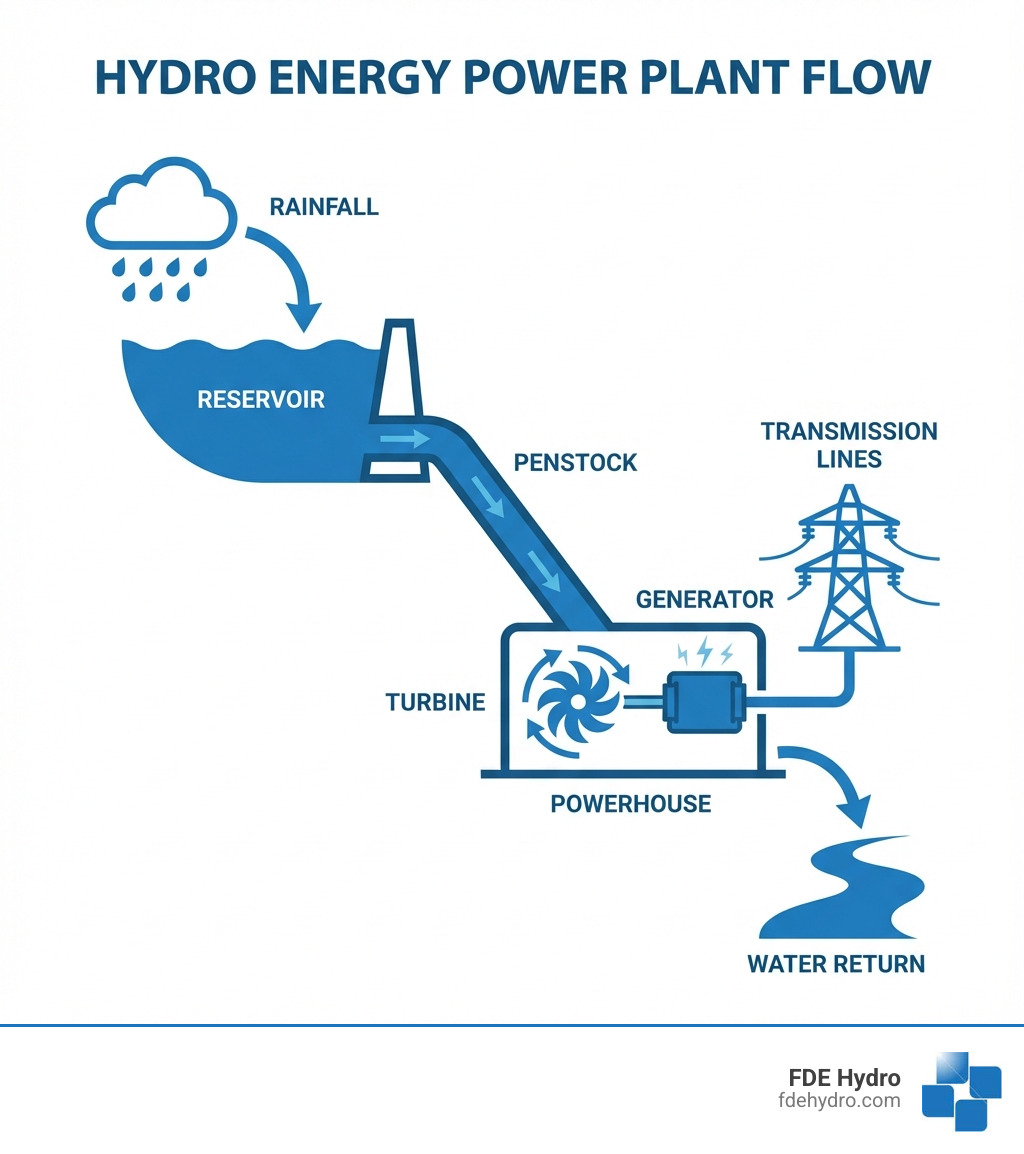
A hydro energy power plant converts the energy of moving water into electricity. Water stored behind a dam flows through a penstock, spins a turbine, which rotates a generator to produce power. This renewable energy source has powered communities for over a century and currently supplies approximately 15% of the world’s electricity—more than all other renewable sources combined.
How a Hydro Energy Power Plant Works:
- Water Storage – A dam creates a reservoir, storing water at a higher elevation
- Water Release – Water flows from the reservoir through a large pipe called a penstock
- Turbine Rotation – The force of falling water spins turbine blades
- Power Generation – The turbine shaft connects to a generator, producing electricity
- Transmission – Power lines carry electricity to homes and businesses
- Water Return – Water exits through the tailrace back into the river
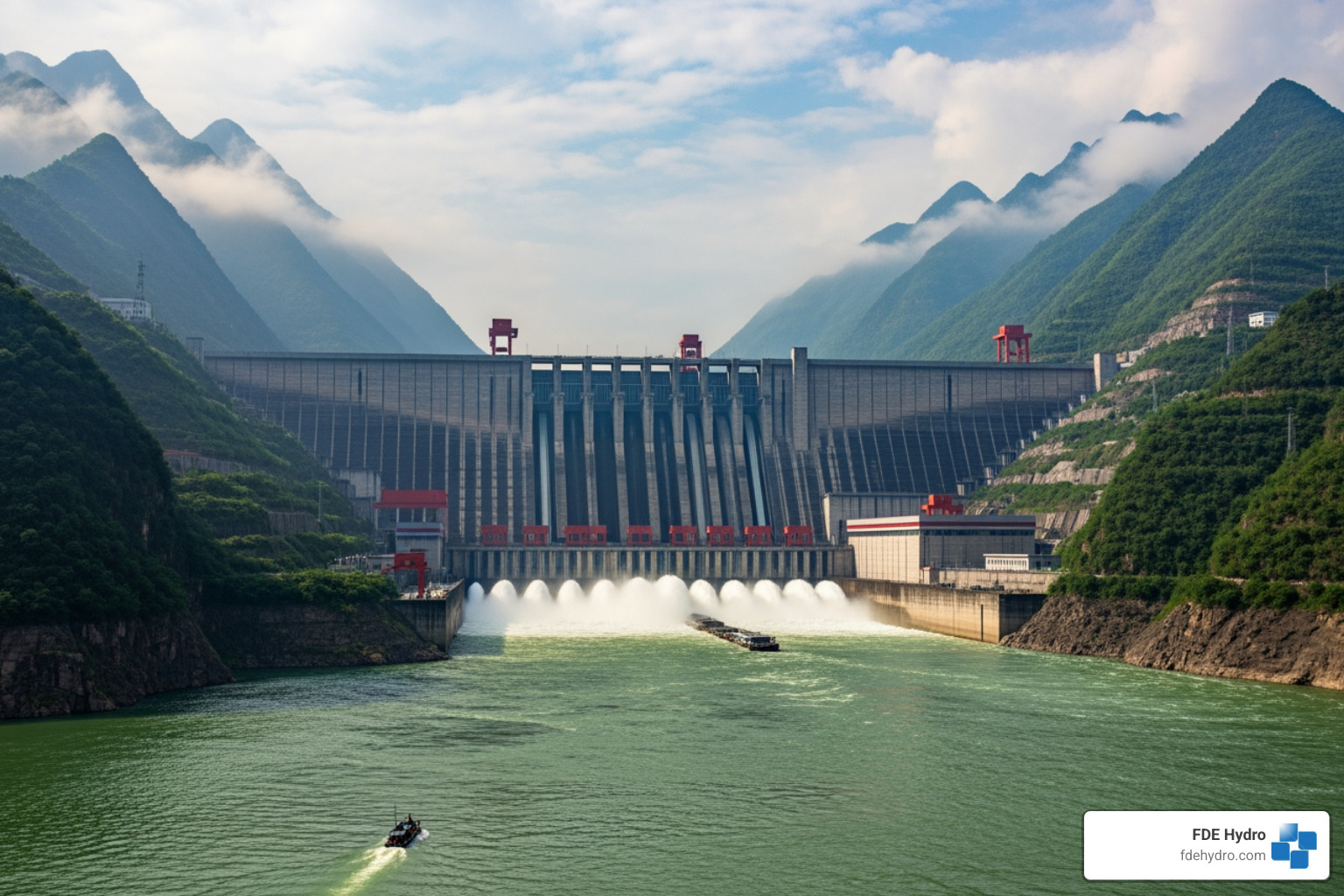
Humans have harnessed water power for thousands of years. Ancient Greeks used water wheels to crush grain more than 2,000 years ago. The first hydroelectric power plant opened in Wisconsin in 1882, powering just a few homes and businesses. Today, massive installations like China’s Three Gorges Dam generate 22,500 megawatts—enough to power millions of homes.
The scale of hydropower matters. In 2022, China added 24 GW of new hydropower capacity, accounting for nearly three-quarters of global additions. The United States generates about 6.2% of its total electricity from hydropower, with Washington State alone accounting for 27% of the nation’s hydropower capacity. Yet despite this long history and widespread adoption, traditional dam construction remains expensive, time-consuming, and environmentally challenging.
I’m Bill French Sr., Founder and CEO of FDE Hydro™, where we’ve developed modular construction methods that dramatically reduce the cost and timeline of hydro energy power plant projects. After five decades leading major civil construction projects—including groundbreaking work on modular bridge construction for Boston’s I-93—I’ve applied those innovations to revolutionize how the hydropower industry builds dams and powerhouses.
Easy hydro energy power plant glossary:
How Hydropower Works: From Rain to Grid
The journey of electricity generated by a hydro energy power plant begins long before the water hits a turbine. It starts with the Earth’s natural water cycle, a continuous process driven by solar energy. Water evaporates from oceans, lakes, and rivers, rises into the atmosphere, condenses to form clouds, and returns to Earth as precipitation—rain or snow. This precipitation then flows over land, collecting in rivers and streams, eventually making its way back to larger bodies of water.
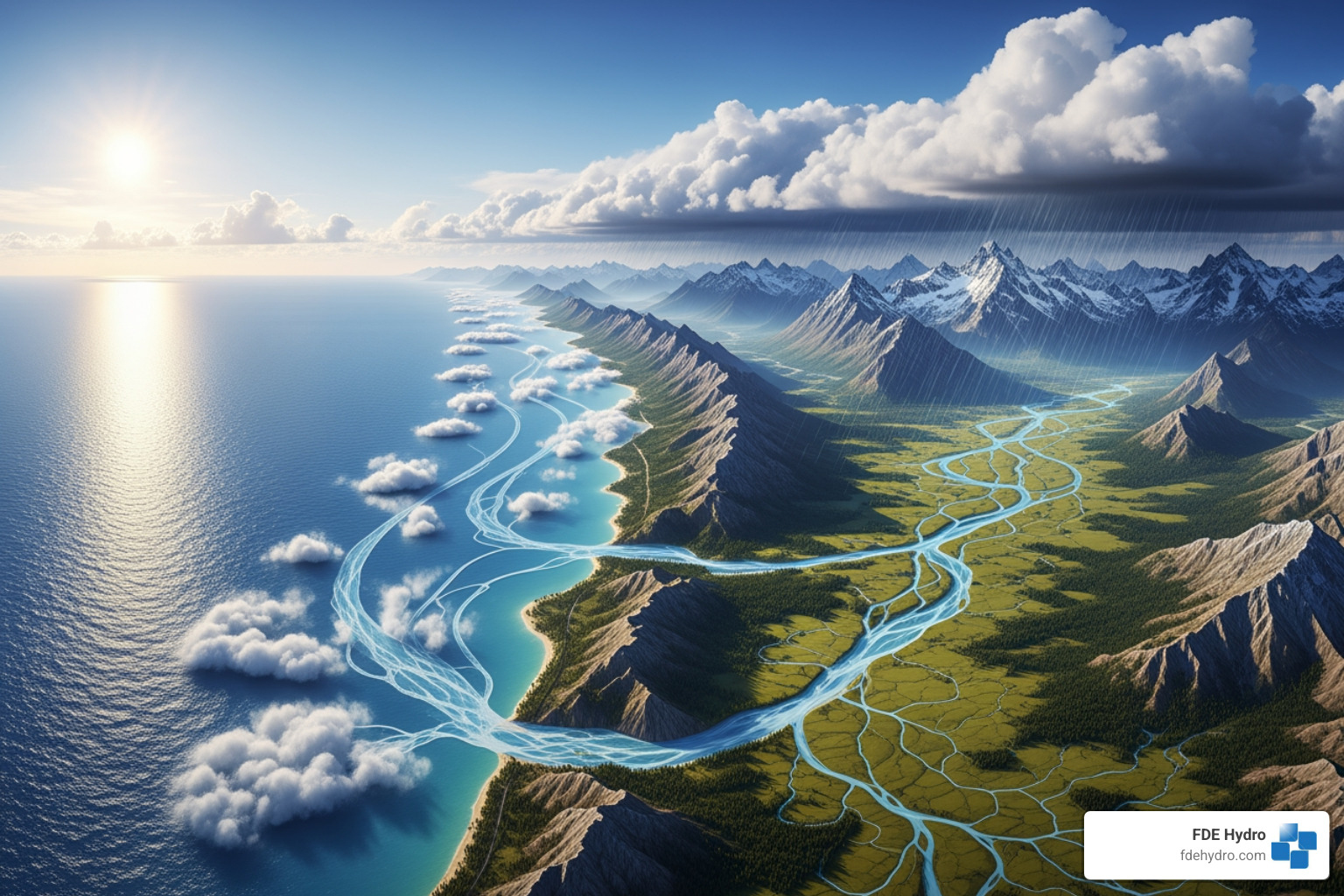
This cycle is crucial for hydropower. When water is stored in a reservoir behind a dam, it possesses potential energy due to its elevation. Think of it like holding a bowling ball at the top of a hill – it has the potential to roll down. When we release this water, gravity pulls it downwards, converting that potential energy into kinetic energy – the energy of motion. It’s this kinetic energy that we harness to generate electricity. The greater the volume of water and the higher the “head” (the vertical drop), the more energy we can extract.
The Core Components of a Hydroelectric Plant
Every hydro energy power plant, regardless of its size, relies on a few fundamental components working in harmony to convert water’s kinetic energy into usable electricity.
- Dam: This is the structure that impounds water, creating a reservoir. While many dams serve multiple purposes like flood control and irrigation, our focus is on their role in storing water for power generation. It’s important to remember that not all dams generate electricity; in the U.S., less than 3% of the more than 90,000 dams actually produce power. For an in-depth look at these structures, explore our guide on Hydroelectric Dam Components Ultimate Guide.
- Reservoir: The artificial lake formed behind the dam. This body of water stores the potential energy that will be converted into electricity. Reservoirs also offer benefits like water supply, recreation, and flood control, making them multi-purpose assets.
- Penstock: A large pipeline or conduit that carries water from the reservoir to the turbine. It’s designed to withstand high pressures and guide the water efficiently.
- Turbine: A mechanical device with blades that are spun by the force of moving water. As the water rushes through the penstock and hits the turbine blades, it causes them to rotate rapidly.
- Generator: Directly connected to the turbine by a shaft, the generator is where the magic of electricity creation happens. As the turbine spins the generator’s rotor, it creates a magnetic field that induces an electric current in stationary coils (the stator), based on Faraday’s principle of electromagnetic induction.
- Power Lines: Once electricity is generated, transformers step up the voltage for efficient long-distance transmission through power lines to homes and businesses.
- Tailrace: The channel that carries the water away from the turbine and back into the river downstream.
How a Conventional Hydro Energy Power Plant Works
Let’s walk through the process of how a conventional hydro energy power plant generates electricity:
- Water Intake: Gates in the dam open, allowing water from the reservoir to enter the penstock. This controlled release ensures that the plant can respond to electricity demand.
- Turbine Rotation: The water, under immense pressure and velocity, flows down the penstock and strikes the blades of the turbine, causing it to spin at high speeds. Imagine a giant pinwheel being pushed by a powerful river!
- Generator Activation: The spinning turbine is mechanically linked to a generator. This rotation causes the generator’s internal magnets to move past copper coils, inducing an electric current. This is the heart of electricity production – converting mechanical motion into electrical energy.
- Electricity Transmission: The generated electricity is then sent to a transformer, which increases its voltage for efficient transmission across long distances through the power grid.
- Water Release: After passing through the turbine, the water exits the plant through the tailrace and re-enters the river, continuing its natural flow downstream. This means the water itself is not consumed or altered, only its energy is harnessed.
This entire process is a continuous loop, as long as there’s water flowing. For more detail on this fascinating conversion, visit our page on Hydroelectric Power Generation.
Types of Hydropower Facilities
Not all hydro energy power plants are built alike. They come in various configurations, each suited to different geographical and operational needs:
- Impoundment Facilities: These are the most common type, utilizing a large dam to store water in a reservoir. Water is released from the reservoir to spin turbines and generate electricity. Examples include the Grand Coulee Dam in Washington State, one of the largest hydro energy power plants in the United States.
- Diversion Facilities (Run-of-the-River): Instead of a large dam and reservoir, these plants divert a portion of a river’s flow through a canal or penstock to a powerhouse. They typically have little or no water storage, meaning they generate electricity based on the natural flow of the river. This approach often minimizes environmental impact on the river ecosystem.
- Pumped Storage Hydropower (PSH): This is where hydropower really shines as an “energy battery.” PSH facilities have two reservoirs at different elevations. During periods of low electricity demand (e.g., at night), we use surplus electricity from the grid to pump water from the lower reservoir to the upper one. When demand is high, the water is released back down through turbines to generate electricity, just like a conventional plant. While PSH facilities typically consume more electricity than they produce (making them a net consumer of energy), their value lies in providing crucial grid stability and storage for intermittent renewable sources like solar and wind. They allow us to store energy for months, acting as massive “water batteries.” In the U.S., these systems can store up to 553 gigawatt-hours of energy – enough to power all the country’s video gaming for about a week! Learn more about this innovative technology on our Pumped Storage Hydropower page.
The Global Scale and Historical Significance of Hydropower
Hydropower has been a cornerstone of civilization for millennia. From ancient Chinese water wheels used for grinding grain and paper making during the Han Dynasty to Richard Arkwright’s pioneering textile mills in 18th-century England, water’s power has driven progress. The modern era of hydroelectricity began in 1878 when the world’s first hydroelectric power scheme lit a single lamp at Cragside House in England. Just four years later, in 1882, the first plant supplying electricity to multiple homes and businesses opened in Wisconsin, USA.
The 20th century saw a dramatic expansion of hydropower, particularly in the United States with iconic projects like the Hoover Dam and the Grand Coulee Dam, built to provide electricity, flood control, and irrigation. These projects were instrumental in regional development and economic growth.
Globally, hydropower remains a dominant force in renewable energy. In 2023, it supplied almost 4,210 TWh, accounting for 15% of the world’s electricity. This is more than all other renewable sources combined and even surpasses nuclear power. In 2021, global installed hydropower electrical capacity reached almost 1,400 GW, the highest among all renewable energy technologies.
Major producing countries include China (30% of global hydro production in 2022), Brazil (10%), Canada (9.2%), and the United States (5.8%). China continues to lead in new capacity additions, accounting for nearly three-quarters of global hydropower capacity additions in 2022. Brazil, with its vast river systems, also relies heavily on hydropower, with projects like the Itaipu Dam (14,000 MW capacity) being globally significant. Even our neighbors to the north in Canada generate 57.5% of their electricity from hydro. For more insights into global trends, we recommend the Hydropower Special Market Report from the IEA.
From Mega-Dams to Micro-Systems
The scale of hydro energy power plants is incredibly diverse, ranging from colossal structures that power entire regions to tiny systems for individual homes.
- Large-scale Hydropower: These facilities typically have capacities greater than 30 megawatts (MW) and often involve significant infrastructure like large dams and reservoirs. The Three Gorges Dam in China is the world’s largest power-producing facility of any kind, with a staggering capacity of 22,500 MW. The Itaipu Dam, straddling Brazil and Paraguay, is another giant, with 14,000 MW. These mega-dams contribute substantially to national grids.
- Small-scale Hydropower: Generally defined as plants with capacities up to 10 MW, though this can stretch to 25-30 MW in some regions like Canada and the United States. These projects often have less environmental impact and can be integrated into existing infrastructure or natural river flows.
- Micro-hydro Systems: These are small-scale installations that typically produce up to 100 kilowatts (kW) of power. They are often used to provide electricity to small communities or isolated villages, particularly in developing regions, offering off-grid solutions where larger infrastructure is impractical.
- Pico-hydro Systems: Even smaller, pico-hydro systems generate under 5 kW. These are ideal for powering individual homes or small businesses, providing basic electricity for lighting, charging devices, and other essential needs in remote areas.
This range of scales highlights hydropower’s versatility, from powering industrial giants to bringing light to remote communities.
The Pros and Cons of a Hydro Energy Power Plant
Like any energy source, hydropower comes with its own set of advantages and disadvantages. We believe in providing a balanced perspective to understand its true role in a sustainable energy future.
| Feature |
Hydropower |
Solar (Utility-scale) |
Wind (Onshore) |
Natural Gas (Combined Cycle) |
| Cost (LCOE) |
Low (once built), long operational life |
Decreasing, but higher initial |
Decreasing, but higher initial |
Variable fuel cost, moderate capital |
| Reliability |
High, dispatchable, excellent for grid stability |
Intermittent (daylight only) |
Intermittent (wind availability) |
High, dispatchable, but relies on fuel |
| Emissions |
Very low direct emissions (some reservoir methane) |
Very low direct emissions |
Very low direct emissions |
High CO2, NOx, SO2 emissions |
| Flexibility |
Very high (rapid ramp up/down, storage) |
Low (requires storage for dispatchability) |
Low (requires storage for dispatchability) |
High (quick start/stop) |
| Lifespan |
Very long (50-100+ years) |
Moderate (20-30 years) |
Moderate (20-25 years) |
Moderate (30-40 years) |
| Land Use |
High (reservoirs), but multi-purpose |
High (solar farms) |
Moderate (turbine footprint small, but large area) |
Low (power plant footprint) |
| Water Use |
Non-consumptive (re-uses water), some evaporation |
Low (cooling, cleaning) |
Low |
High (cooling) |
| Energy Storage |
Excellent (pumped storage) |
Requires external battery storage |
Requires external battery storage |
None (fuel storage only) |
Our commitment to Sustainable Power Generation means constantly evaluating these factors.
Key Advantages of Hydropower
We find that the benefits of hydropower are compelling, positioning it as a powerful and reliable component of our energy mix:
- Renewable and Clean: Hydropower harnesses the natural water cycle, making it a truly renewable resource. During operation, a hydro energy power plant produces no direct air pollution or carbon dioxide emissions, significantly contributing to a cleaner environment compared to fossil fuels.
- Low Operating Costs: Once a hydroelectric complex is built, its fuel (water) is free. This results in very low operating and maintenance costs over its long lifespan, making it highly cost-effective in the long run.
- Long Plant Lifespan: Hydroelectric stations are incredibly durable, often remaining in service for 50 to 100 years or even longer. This longevity provides a stable and consistent source of power for generations.
- Grid Stability and Flexibility: One of hydropower’s most significant advantages is its ability to respond rapidly to changes in electricity demand. We can quickly increase or decrease power output in seconds or minutes, making it an excellent source for balancing the grid and providing backup for intermittent sources like solar and wind. This flexibility is why we consider hydropower the Guardian of the Grid.
- Baseload and Peak Load Response: Hydropower can provide steady, reliable baseload power, but it truly excels at meeting peak demand. Its quick start-up time (often just minutes from cold start to full load) means it can fill gaps when other sources falter.
- Multi-purpose Benefits: Beyond electricity, hydropower facilities often offer additional advantages like flood control, irrigation, water supply for communities (such as New York City, which relies on upstate reservoirs), and recreational opportunities.
These advantages underscore the immense value of a hydro energy power plant. Learn more about these Benefits of Hydropower Plant.
Disadvantages and Environmental Concerns
While hydropower offers many benefits, we must also acknowledge its challenges and potential environmental impacts. Understanding these helps us develop more sustainable solutions.
- High Initial Construction Costs: Building a large dam and hydro energy power plant is a massive undertaking, requiring significant upfront capital investment. These projects can be costly and time-consuming to develop.
- Ecosystem Damage: Dams fundamentally alter river ecosystems. They can disrupt natural flow regimes, change water temperature and chemistry, and impact habitats both upstream and downstream.
- Fish Migration Disruption: Dams act as barriers to migratory fish species (like salmon in the Pacific Northwest of the US or eels in Europe), preventing them from reaching spawning grounds. While solutions like fish ladders and elevators exist, they are not always 100% effective, and turbines can still cause fish mortality.
- Land Use and Displacement: The creation of large reservoirs can submerge vast areas of land, including forests, agricultural land, and even entire communities. This often leads to the displacement of human populations and loss of natural habitats. The World Commission on Dams estimated that 40-80 million people worldwide have been displaced by dams.
- Methane Emissions from Reservoirs: In some cases, particularly in tropical regions or where forests are not cleared before inundation, decaying organic matter in reservoirs can produce methane. Methane is a potent greenhouse gas, and these emissions can, in certain circumstances, make the lifecycle greenhouse gas footprint of a hydro plant comparable to or even higher than fossil fuel plants. However, in temperate climates like much of the US, Canada, and Europe, these emissions are typically much lower.
- Siltation: Rivers naturally carry sediment. Over time, this sediment can accumulate in reservoirs, reducing their storage capacity and lifespan. This “siltation” can also starve downstream river sections of vital sediment, leading to erosion.
- Drought Vulnerability: Hydropower generation is directly dependent on water availability. Prolonged droughts, exacerbated by climate change, can severely reduce a plant’s output, leading to power shortages in heavily reliant regions.
- Dam Failure Risks: Although rare, dam failures due to poor construction, natural disasters, or extreme weather events can be catastrophic, causing immense loss of life and property downstream.
We recognize these are serious concerns. Our goal at FDE Hydro™ is to mitigate these impacts through innovative design and construction. For a deeper dive into these issues, please read our article on Hydropower Environmental Impact.
The Future of Hydropower: Innovation and Sustainability
The future of hydropower is not just about building new facilities, but also about making existing ones better and smarter. We see immense potential in enhancing the sustainability and efficiency of this vital renewable energy source.
One critical area is the modernization of existing plants. Many hydro energy power plants in the U.S., Canada, and Europe were built decades ago. Upgrading equipment, improving efficiency, and integrating new technologies can significantly boost output and extend their operational lives. This is a key focus for us at FDE Hydro™, and you can learn more about these efforts on our Hydropower Retrofitting page.
Another exciting prospect is powering non-powered dams. In the United States, for example, the Department of Energy estimates that thousands of existing dams, originally built for purposes like flood control or irrigation, could be retrofitted with hydropower generation capabilities, adding significant clean energy to the grid without building entirely new dam structures.
Investment trends also point to a strong future. Lending from the World Bank for hydropower development increased significantly in the past, showing continued interest in its potential. The International Energy Agency (IEA) projects global hydropower capacity to grow by an additional 17%, or 230 GW, between 2021 and 2030. This growth is especially critical in developing economies, which aligns with our focus on regions like Brazil. Explore more about these trends and innovations on our Hydropower Advancements & Innovations 2025 page.
The Future of the Hydro Energy Power Plant
The next generation of hydro energy power plants will be defined by technological innovation and a stronger commitment to environmental stewardship.
- Fish-Friendly Turbines: Significant research is underway to develop turbines that minimize harm to fish passing through them. These “fish-friendly” designs, along with technologies like aerating turbines (which add oxygen to water), aim to reduce ecological impacts. The U.S. Department of Energy, for instance, has sponsored research to reduce fish deaths to lower than 2%.
- AI for Water Management: Artificial intelligence (AI) is revolutionizing how we manage water resources. AI can optimize water release schedules based on weather forecasts, electricity demand, and environmental needs, maximizing efficiency while minimizing ecological disruption. This intelligent management is crucial for balancing power generation with ecosystem health. Find how we’re leveraging this on our AI Energy Management page.
- Innovative Construction Methods: This is where FDE Hydro™ shines. Our patented modular precast concrete technology, known as the “French Dam,” allows us to construct and retrofit hydroelectric dams and powerhouses significantly faster and more cost-effectively than traditional methods. By manufacturing dam components off-site and assembling them rapidly on-site, we reduce construction time, environmental footprint during construction, and overall project costs. This approach is particularly beneficial for projects in North America, Brazil, and Europe, where infrastructure modernization is key. Our Modular Dam Construction methods represent a leap forward in project delivery.
We are excited about these advancements and believe they will open up new opportunities for sustainable hydropower development globally. To explore our vision for this future, visit The Future of Hydropower.
Frequently Asked Questions about Hydro Energy Power Plants
How much of the world’s electricity comes from hydropower?
Hydropower supplies about 15% of the world’s electricity, making it the largest single source of renewable energy globally. In 2023, it generated almost 4,210 TWh.
Is hydropower a completely clean energy source?
While hydro energy power plants produce no direct air pollution or CO2 emissions during operation, they are not without environmental impact. The creation of reservoirs can release methane (especially in tropical regions), alter ecosystems, and affect fish populations. Our goal is to develop and implement solutions that minimize these impacts.
What is the largest hydro energy power plant in the world?
The Three Gorges Dam in China is the world’s largest power station of any kind, with an installed capacity of 22,500 megawatts (MW).
Conclusion
As we’ve explored, the hydro energy power plant stands as a foundational pillar of renewable energy, a testament to human ingenuity in using nature’s power. From ancient water wheels to modern mega-dams and innovative micro-systems, hydropower has consistently provided reliable, low-cost electricity for centuries. Its flexibility and ability to store vast amounts of energy position it as a crucial component for stabilizing our grids and integrating other intermittent renewables.
However, we must also acknowledge and address the environmental and social impacts associated with large-scale hydropower development. Our path forward lies in balancing these benefits with a strong commitment to sustainable practices. This means investing in modernization of existing infrastructure, developing fish-friendly technologies, leveraging AI for intelligent water management, and embracing innovative construction methods like our modular precast technology at FDE Hydro™.
The future of hydropower is bright, driven by continuous innovation and a renewed focus on ecological responsibility. We are committed to leading this charge, building a more sustainable and electrified world.
To learn more about our advanced solutions for modern dam construction and how we’re shaping the future of hydropower, we invite you to Explore advanced solutions for modern dam construction.
by Bill French Sr. | Jan 5, 2026 | Hydropower Articles
Why Hydro Energy Solutions Matter for Modern Infrastructure
Hydro energy solutions are systems and technologies that convert the kinetic energy of flowing or falling water into reliable, clean electricity. These solutions range from traditional dam-based power plants to innovative modular systems and inline generators that can be deployed in pipelines, rivers, and irrigation channels.
Key types of hydro energy solutions include:
- Run-of-River Systems – Generate power from natural river flow without large reservoirs
- Storage Hydropower – Use dams and reservoirs to store water and control power output
- Pumped Storage – Act as giant batteries, storing energy by moving water between reservoirs
- Small-Scale and Inline Systems – Capture energy from existing water infrastructure like pipelines and aqueducts
- Hybrid Solutions – Combine hydropower with solar, wind, or battery storage for improved grid stability
Hydropower currently provides over 15% of the world’s electricity and has the lowest carbon footprint of any energy source over its lifecycle. With 90% operational efficiency, short start-up times of just 3-5 minutes, and the ability to ramp from zero to full output in about one minute, hydropower offers best flexibility for modern grids integrating variable renewable sources.
Yet the industry faces real challenges. By 2030, 40% of global hydro power plants will be at least 40 years old, requiring modernization. Traditional construction methods carry high costs, extended timelines, and significant financial risk. The future belongs to innovative approaches that reduce capital expenditure, accelerate delivery, and minimize environmental impact.
I’m Bill French Sr., Founder and CEO of FDE Hydro, where we’ve pioneered modular precast concrete technology—the “French Dam”—to deliver next-generation hydro energy solutions that cut construction time and costs while benefiting present and future environments. My five decades leading major civil construction projects, combined with participation in the U.S. Department of Energy’s Hydro Power Vision Task Force, have shown me how innovation can transform this essential industry.
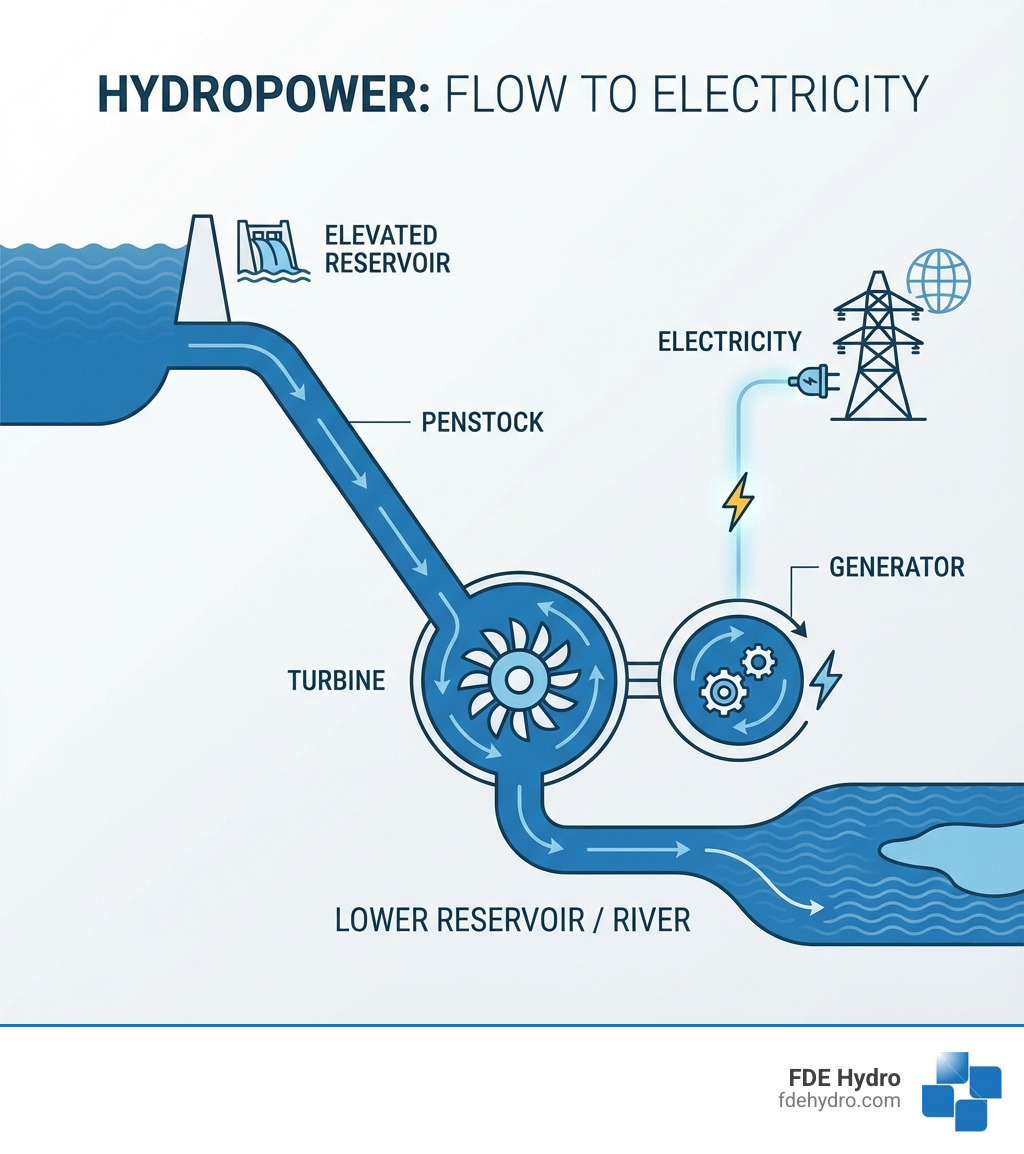
Hydro energy solutions terms explained:
The Best Benefits of Hydropower
When we talk about hydro energy solutions, we’re discussing one of the most reliable and efficient forms of renewable energy available. Hydropower harnesses the natural force of water to generate electricity, offering a multitude of benefits that make it a cornerstone of a sustainable energy future. It’s truly a powerhouse of clean energy, contributing significantly to grid stability and the broader energy transition.
One of the most compelling advantages of hydropower is its incredibly low carbon footprint. In fact, it boasts the lowest carbon footprint over its entire lifecycle compared to any other form of energy. This makes it an eco-friendly choice that helps us combat climate change by emitting minimal amounts of CO2. Beyond environmental benefits, hydropower offers exceptional reliability and flexibility. Our systems can start up and shut down quickly, typically within 3-5 minutes, and can accommodate rapid fluctuations in power load, changing from no load to rated output in about one minute. This dispatchable power capability is crucial for balancing the grid, especially as we integrate more intermittent renewable sources like solar and wind.
We believe that hydropower isn’t just an energy source; it’s a guardian of the grid, offering unparalleled efficiency and resilience. For a deeper dive into why we consider hydropower a guardian, explore our article on 4 Reasons Why Hydropower is the Guardian of the Grid. We often ask, What Renewable Energy Resource is the Most Efficient?? Hydropower consistently ranks among the top, with hydro-turbines and hydro-generators achieving extremely high operation efficiency, often around 90% at maximum capacity.
Why Hydropower is a Pillar of Grid Stability
In the quest for a stable and resilient energy grid, hydropower stands out. Its ability to store energy and respond rapidly to demand fluctuations makes it indispensable, particularly in supporting the integration of other renewables. Pumped storage hydropower, in particular, acts like a giant battery, storing excess energy by pumping water to an upper reservoir and then releasing it to generate power when demand is high. This remarkable flexibility accounts for approximately 95% of all energy storage currently available.
The fast start-up times and quick load fluctuation response of hydro energy solutions mean they can instantly step in when solar panels aren’t generating due to clouds or wind turbines are still on a calm day. This makes them perfect complements to variable renewables, ensuring a steady and reliable power supply. We’re proud to contribute to these robust energy solutions, understanding that a strong grid is essential for our modern world. For more details on this crucial technology, you can read our insights on Pumped Storage Hydropower. Additionally, hydropower plays a vital role in enabling localized, resilient energy systems like a Microgrid, providing consistent power even when disconnected from the main grid.
The Economic and Environmental Edge
From an economic standpoint, hydropower is a remarkably cost-effective and long-term investment. Once built, the operating costs are relatively low, and the fuel—water—is free and renewable. This leads to stable and competitive electricity prices, benefiting both consumers and businesses. We see examples where investments in hydropower facilities can be recovered in surprisingly short periods, sometimes as quickly as five years for a 500 kW system, given favorable conditions. This longevity and low operational expenditure contribute significantly to the overall economic advantages of hydro energy solutions.
Environmentally, the benefits are equally compelling. As we’ve mentioned, hydropower has the lowest carbon footprint over its lifecycle. It generates electricity without burning fossil fuels, thus producing minimal greenhouse gas emissions or pollutants. This makes it an eco-friendly natural energy source that is inherently incorporated into Earth’s natural water cycle. We believe that for true Sustainable Power Generation, hydropower is an essential component. For a comprehensive look at the advantages, explore the Benefits of Hydropower Plant.
How Hydropower Works: Plant Types and Core Technology
Understanding how hydro energy solutions work involves looking at the different types of plants and the core technologies that make them tick. At its heart, hydropower is about converting the potential and kinetic energy of water into electricity. This entire process, from the flow of water to the delivery of power, is often referred to as “water-to-wire” solutions. For a foundational understanding, our Hydropower Basics article offers a great starting point.
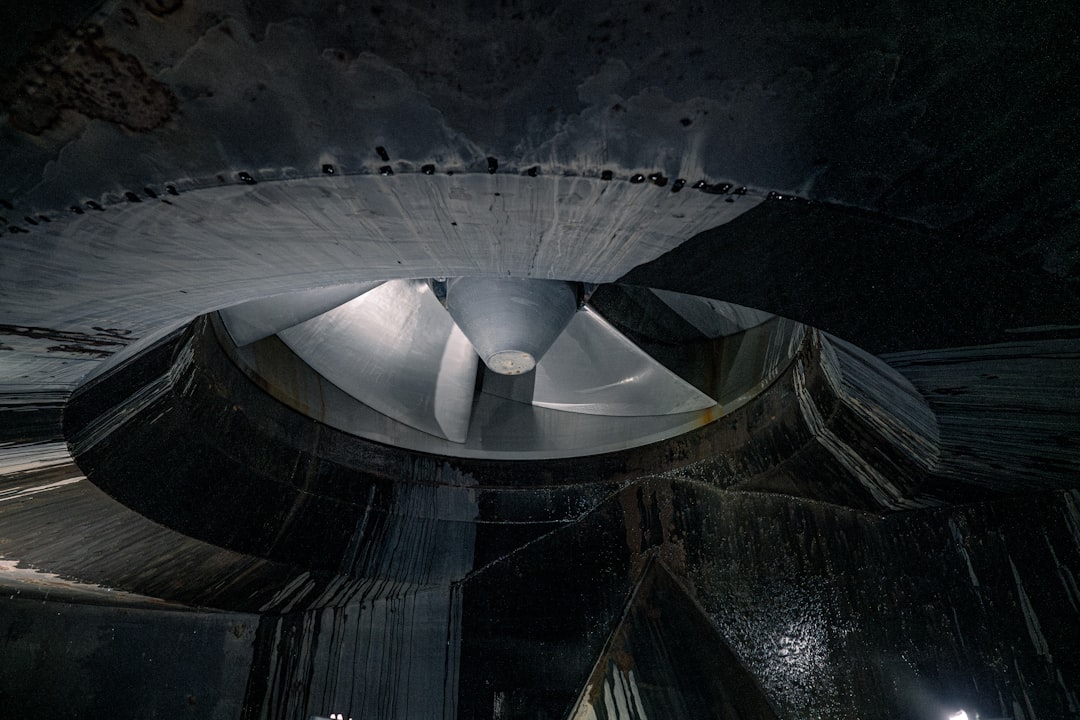
Key Types of Hydropower Plants
The design and application of a hydropower plant depend heavily on the local geography and energy needs. We categorize them primarily into three types:
| Feature |
Run-of-River Plants |
Storage (Reservoir) Plants |
Pumped Storage Plants |
| Water Flow |
Channels natural river flow; minimal or no storage |
Uses a dam to create a large reservoir |
Two reservoirs (upper & lower) for water cycling |
| Reservoir Size |
Small or none |
Large |
Two distinct reservoirs |
| Environmental Impact |
Generally lower impact on water flow |
Can alter river ecosystems, but manageable |
Can have localized impact, but efficient storage |
| Best Application |
Continuous base load power |
Peak load, base load, and grid regulation |
Grid stability, energy storage, peak load management |
- Run-of-River Plants: These systems divert a portion of a river’s flow through a canal or penstock to a turbine, then return the water to the river downstream. They don’t typically require large dams or reservoirs, minimizing environmental impact on natural water flow. They provide a continuous supply of electricity, ideal for consistent base load power.
- Storage Hydropower Plants: These are what most people envision when thinking of hydropower. They use a dam to create a large reservoir, storing vast amounts of water. This stored water can be released on demand to generate electricity, allowing for adjustable power output to meet fluctuating energy needs. They are highly flexible and can contribute to both base and peak load generation. Our work with Dams is central to these types of solutions.
- Pumped Storage Hydropower Plants: These are essentially large-scale energy storage systems. They feature two reservoirs at different elevations. During periods of low electricity demand (e.g., overnight), surplus power from other sources (like wind or solar) is used to pump water from the lower to the upper reservoir. When electricity demand is high, the water is released from the upper reservoir, flowing through turbines to generate power, much like a conventional storage plant. This makes them invaluable for grid stability and balancing supply and demand.
The Core Components of a Hydropower System
Regardless of the type of plant, certain core technological components are fundamental to all hydro energy solutions:
- Dams and Water Control Structures: For storage and pumped storage plants, dams create the necessary head (vertical distance) for water to fall. For all types, Water Control Structures like gates and spillways manage water flow, ensuring safety and efficiency.
- Penstocks: These are large pipelines or tunnels that carry water from the reservoir or intake to the turbines.
- Turbines: The heart of the power generation process, turbines convert the kinetic energy of flowing water into mechanical energy. Different types are designed for various water heads and flow rates:
- Francis Turbines: The most common type, suitable for medium to high heads and medium flow rates.
- Kaplan Turbines: Ideal for low heads and high flow rates, often used in run-of-river plants.
- Pelton Turbines: Used for very high heads and low flow rates, typically in mountainous regions.
- Bulb Turbines: Similar to Kaplan but with the generator integrated into a sealed bulb-shaped casing directly in the water flow.
- Pump-Turbines: Used in pumped storage plants, these can operate as both a turbine to generate electricity and a pump to move water back uphill.
- Generators: Connected to the turbines, generators convert the mechanical energy from the spinning turbines into electrical energy. Leading manufacturers’ hydro-generators are engineered for high efficiency and reliability.
- Control Systems: These are the brains of the operation, monitoring and regulating the entire hydropower plant. Modern control systems manage water flow, turbine speed, power output, and grid synchronization. They also incorporate advanced features for remote monitoring, predictive maintenance, and integrated control, often allowing for unmanned operation.
- Spillways: Essential safety features that allow excess water to be released from a reservoir without passing through the turbines, preventing dam overtopping during floods.
For a detailed breakdown of these components, our Hydroelectric Dam Components Ultimate Guide provides extensive information. We also offer comprehensive Product solutions & systems for hydropower plants that integrate these critical elements.
The Next Wave: Innovations in Hydro Energy Solutions
The hydropower industry is dynamic, constantly evolving to meet new demands and overcome existing challenges. With a significant portion of global hydro power plants nearing or exceeding 40 years of age by 2030, the need for modernization and innovative hydro energy solutions is more pressing than ever. This era of “reinvigorating hydropower” is marked by remarkable advancements. We are keenly focused on Hydropower Advancements & Innovations 2025 and the broader effort to Reinvigorating Hydropower.
Exploring Modern Hydro Energy Solutions
Digitalization is revolutionizing how we design, operate, and maintain hydropower plants. Advanced control systems now incorporate sophisticated sensors and data analytics, enabling features like predictive maintenance. This means we can anticipate equipment failures before they happen, scheduling maintenance proactively and minimizing downtime. Artificial intelligence (AI) is playing an increasingly critical role, optimizing plant operations for efficiency and grid response. From AI-driven forecasting to automated decision-making, we see the power of AI Energy Management shaping the future.
Beyond digitalization, we’re seeing exciting developments in other areas:
- Hybrid Systems: Integrating hydropower with other renewable sources like solar and wind, often coupled with battery storage, creates more resilient and flexible energy solutions. These hybrid setups can smooth out the intermittency of variable renewables, leveraging hydropower’s dispatchable nature.
- Advanced Materials: While not always visible, the continuous development of more durable, efficient, and environmentally friendly materials for turbines, generators, and civil structures is crucial. These innovations lead to longer asset lifespans and improved performance.
- Small-Scale and Inline Hydro: There’s a growing focus on capturing energy from smaller water flows and existing infrastructure. Inline hydropower generators, for example, can be integrated directly into pipelines, aqueducts, or irrigation channels, delivering power outputs from 4 kW to several megawatts. These modular, containerized solutions offer rapid deployment and minimal civil works, tapping into previously unused energy sources. This approach is particularly promising for distributed generation and reducing energy losses.
- Hydropower Retrofitting: Given the aging infrastructure, the ability to upgrade existing facilities with new turbines, generators, and control systems is vital. Hydropower Retrofitting can significantly extend the operational life of plants, improve efficiency, and increase power output without the need for entirely new construction.
The Future of Hydro Energy Solutions
The future of hydro energy solutions lies in smart, efficient, and sustainable construction methods. We recognize that traditional dam construction can be costly, time-consuming, and carry significant financial risk. That’s why we at FDE Hydro are pioneering the use of modular construction techniques and patented precast concrete technology. Our “French Dam” approach is a prime example of how next-generation civil solutions can dramatically reduce construction time and lower overall costs for building and retrofitting hydroelectric dams and water control systems.
By embracing Modular Construction Techniques, we can fabricate large concrete components off-site in controlled environments, then transport and rapidly assemble them on-site. This not only accelerates project timelines but also improves quality control and reduces environmental disruption at the construction site. This innovative approach is particularly relevant given that Aging Infrastructure Being Replaced With Next Generation Civil Solutions is a global imperative. Our technology is designed to address these challenges head-on, delivering efficient and resilient hydropower infrastructure across North America, Brazil, and Europe.
Balancing Power and Planet: Sustainability and Regional Use
As we develop and operate hydro energy solutions, we recognize the profound responsibility we have to balance power generation with environmental stewardship and community well-being. Hydropower, while clean, must be developed with careful consideration of its impact on aquatic ecosystems and local communities.
Sustainable Development and Operation
Our approach to hydropower development and operation is rooted in sustainability. This includes:
- Environmental Impact Mitigation: We strive to minimize the impact of our projects on local ecosystems. This involves thorough environmental assessments and implementing measures to protect biodiversity.
- Fish Passage Solutions: Ensuring the safe passage of aquatic animals is paramount. In regions like Canada, innovative solutions such as fish ladders or specialized bypass systems are implemented to allow fish like salmon and eels to migrate past dams. For example, a commitment in Rimouski, Quebec, over 25 years ago helped significantly increase the Atlantic salmon population by facilitating their upstream migration. Similarly, hydroelectric plants are designed to protect eel populations during downstream migration. Our work on Aquatic Animal and Recreational Passage highlights these efforts.
- Water Management: Careful management of water levels and flows is essential to maintain river health, support downstream ecosystems, and ensure water quality. This means operating facilities with the utmost respect for rivers as precious natural resources.
- Community Engagement: Collaborating closely with local communities, including Indigenous communities, is a best practice. This ensures that projects are developed with local input and that benefits are shared equitably. A hydroelectric generating facility in Yellow Falls, Ontario, for instance, is a joint undertaking with Indigenous nations, showcasing successful partnerships.
These efforts underscore our commitment to Sustainable Water Infrastructure and mitigating the Hydropower Environmental Impact.
Hydropower’s Global Impact
Hydropower plays a distinct and crucial role in different regions where we operate:
- North America: This continent is a major player in hydropower. In the U.S., hydroelectric power accounts for 18% of the renewable energy mix, providing a stable and reliable power source. Canada is the second-largest producer of hydroelectricity globally, leveraging its vast water resources. Our focus on Hydropower Construction North America reflects the significant potential and ongoing need for modernization in this region.
- Brazil: As a country rich in water resources, Brazil heavily relies on hydropower for its energy needs. Our presence in Brazil allows us to contribute to the nation’s energy security and sustainable development through advanced hydro energy solutions.
- Europe: Many European countries have long histories of hydropower development and are now focused on modernizing existing plants and integrating hydropower more effectively into a highly interconnected grid. We are active in Europe, supporting the green transition and contributing to robust energy infrastructure.
Across these regions, hydro energy solutions are seen as vital for meeting growing electricity demand, enhancing energy independence, and transitioning to a low-carbon economy. We are proud to be part of these Renewable energy and new energy solutions efforts globally.
Conclusion
As we’ve explored, hydro energy solutions are an indispensable part of our global energy landscape, offering a unique blend of reliability, efficiency, and environmental responsibility. From providing over 15% of the world’s electricity with the lowest carbon footprint to acting as the backbone of grid stability through rapid response and energy storage, hydropower’s benefits are clear. Its ability to complement other renewable sources, coupled with its economic advantages of low operating costs and stable prices, positions it as a cornerstone of a sustainable future.
However, the industry faces the challenge of aging infrastructure. This is where innovation becomes paramount. The integration of digitalization, AI, hybrid systems, and small-scale inline generators are paving the way for more intelligent and adaptable hydropower. At FDE Hydro, we are leading this charge with our pioneering modular precast concrete technology—the “French Dam.” Our methods significantly reduce construction time and costs, offering next-generation civil solutions for building and retrofitting hydroelectric dams and water control systems across North America, Brazil, and Europe. We are committed to ensuring that hydropower continues to be a powerful force for clean, sustainable energy.
We invite you to learn more about our innovative approaches and how we are building the future of hydropower. Find our Means and Methods and join us in shaping a more sustainable world.
by Bill French Sr. | Dec 31, 2025 | Hydropower Articles
Why the Global Hydropower Market Matters for the Energy Transition
The global hydropower market is the world’s largest source of renewable electricity, supplying 14.3% of global power across 150 countries. Valued between USD 109-257 billion in 2024, the sector is projected to reach USD 184-280 billion by 2030-2032. Despite this growth, development has slowed, even as the world must double its hydropower capacity by 2050 to meet net-zero targets.
Key Market Facts at a Glance:
- Global Capacity: 1,253-1,412 GW installed (2024)
- Annual Growth: 15.1-24.6 GW added in 2024
- Market Leaders: Asia-Pacific (37-40% share), China dominates with 377+ GW
- Investment Need: USD 130 billion annually required to meet climate goals
- Storage Potential: Pumped storage provides over 90% of global energy storage
- Untapped Potential: Roughly 50% of economically viable hydropower remains undeveloped
Hydropower is more than a power source; it’s the backbone of grid stability. Its ability to ramp up and down rapidly is essential for balancing intermittent renewables like solar and wind. However, the industry faces headwinds: aging infrastructure (average plant age is 45-50 years in developed markets), high upfront costs, long development timelines, and environmental concerns. The solution lies in modernizing existing facilities, expanding pumped storage, and adopting innovative construction methods.
I’m Bill French Sr., Founder and CEO of FDE Hydro™, and for over five decades I’ve worked in heavy civil construction before pioneering modular solutions for the global hydropower market through our patented French Dam technology. Our mission is to address the industry’s most pressing challenges—excessive costs and timelines—by delivering innovative, environmentally-conscious construction methods that make hydropower development more accessible and sustainable.
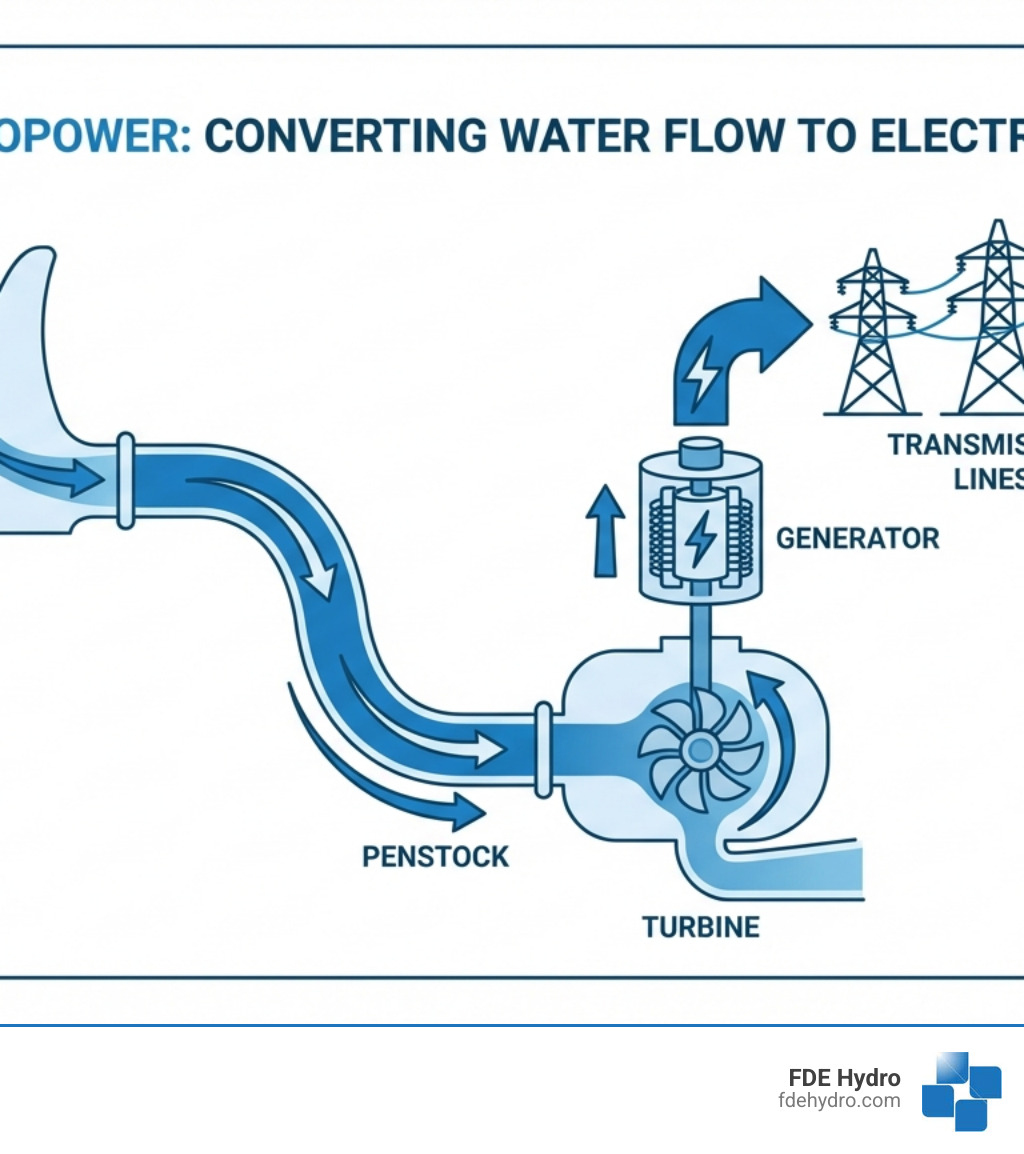
Global hydropower market terms to know:
Global Hydropower Market Dynamics: Size, Growth, and Projections
The global hydropower market is a powerhouse in the renewable energy landscape. Market valuations for 2024 range from USD 109 billion to USD 257 billion, with a clear growth trajectory toward USD 184-280 billion by the early 2030s. Projected growth rates vary from 1.5% to 6.84% CAGR, reflecting different scenarios for policy support and technological advancement.
In 2024, the world added 15.1-24.6 GW of new capacity, bringing the total installed capacity to 1,253-1,412 GW. Hydropower continues to supply 14.3% of the world’s electricity, making it the largest single source of renewable power. It is the workhorse that enables the integration of variable renewables like solar and wind.
However, a critical investment gap exists. To meet climate targets and double capacity by 2050, the sector requires approximately USD 130 billion annually—more than double current levels. This funding shortfall highlights the need for construction innovations that reduce costs and timelines, making every dollar go further. More info about renewable energy projects.
Component and Capacity Segmentation
Breaking down the global hydropower market, the civil construction segment (dams, tunnels, etc.) is dominant, accounting for over 33.24% of revenue in 2024. This is followed by electromechanical equipment (turbines, generators) and power infrastructure. The high cost of civil construction is often the primary hurdle for new projects.
In terms of capacity, large and medium hydropower projects (>100 MW) make up over 70% of the market, providing essential baseload power and grid stability. However, the fastest growth is in small, micro, and pico hydropower systems. Projected to grow at 5.37% annually, these smaller installations offer lower environmental impact, faster deployment, and can power remote communities. This proves hydropower is a scalable and adaptable solution.
Our modular precast concrete technology directly addresses the high costs of civil construction, making it a viable solution across all capacity ranges. More info about hydroelectric dam components.
Regional Analysis of the Global Hydropower Market
The global hydropower market varies significantly by region. While Asia-Pacific leads in new capacity, major opportunities for modernization exist in North America, Europe, and Brazil—key focus areas for FDE Hydro™.
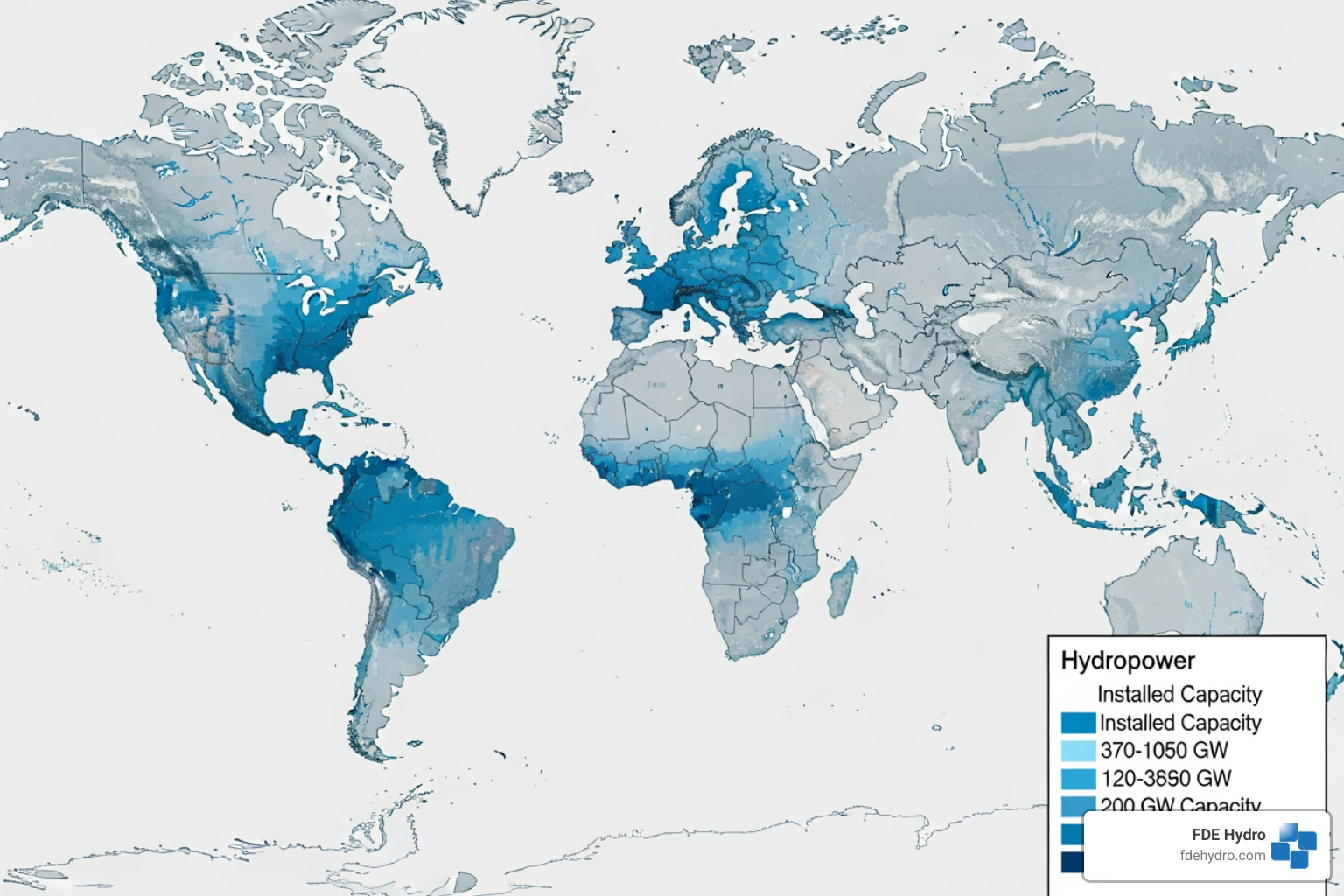
Europe held a 27.67% revenue share in 2024 with nearly 259 GW of capacity. The critical issue is its aging fleet, with an average facility age of 45 years. Modernization is expected to comprise 90% of hydropower investment this decade, driven by the EU’s goal of 42.5% renewable energy by 2030.
North America faces a similar situation, with average plant ages near 50 years. The U.S. has 80.92 GW of capacity, and the Department of Energy is actively supporting upgrades. With 360 GW of untapped potential and half of the non-federal fleet facing relicensing by 2035, the region is a modernization goldmine. More info about hydropower construction in North America.
Brazil and Latin America are highly dependent on hydropower, which supplies 45% of the region’s electricity. Brazil leads with over 109.9 GW of installed capacity. While new growth is modest, the vast existing infrastructure (176 GW in South America) offers immense potential for optimization and modernization. These regions all require faster, cost-effective construction methods, where modular approaches can make a significant impact.
The Engine of Growth: Technology, Modernization, and Investment
The global hydropower market is evolving rapidly, driven by technological breakthroughs. Advancements include more efficient turbines, advanced materials, and optimized run-of-river systems. Small-scale modular hydropower systems are also gaining traction, offering flexible deployment in locations unsuitable for large dams.
Digitalization is revolutionizing plant operations. Using AI, IoT, and data analytics, modern facilities can self-monitor, predict maintenance needs, and optimize efficiency in real-time. Digital twin technology enables operators to run virtual simulations for testing and troubleshooting. Other key innovations include free-flow turbines for low-current rivers and variable-speed turbines that adapt to water flow.
The rise of hybrid systems that integrate hydropower with solar and wind is particularly promising. This strategic pairing leverages hydropower’s core strength: flexibility. Hydropower can ramp up instantly to fill gaps when solar or wind generation drops, creating a stable and reliable clean energy grid.
More info about hydropower advancements and innovations.
The Rise of Pumped Storage and Modernization
Two forces are reshaping the global hydropower market: the growth of pumped storage hydropower (PSH) and the urgent need for modernization.
PSH acts as the world’s largest “rechargeable water battery.” It uses cheap, off-peak electricity to pump water to an upper reservoir and releases it to generate power during peak demand. PSH facilities store approximately 9,000 GWh of energy, over 90% of the world’s total energy storage. With 8.4 GW of new PSH capacity added in 2024 and 600 GW in the global pipeline, it is indispensable for balancing intermittent renewables.
Simultaneously, much of the existing hydropower fleet is aging. In North America and Europe, the average plant is 45-50 years old. By 2030, over 20% of the global fleet’s generating units will be older than 55 years, requiring major replacement. This presents a massive opportunity for modernization. Retrofitting older plants with new technology can boost efficiency, extend life, and improve environmental performance.
The required investment is significant: an estimated USD 127 billion is needed for modernization by 2030, with a total need of USD 300 billion to upgrade all aging plants. In North America and Europe, modernization will account for nearly 90% of hydropower investment this decade. Our modular construction methods at FDE Hydro™ make these retrofits faster and more affordable, helping to close the investment gap.
More info about Pumped Storage Hydropower.
Strategic Developments and Industry Progress
Progress in the semi-consolidated global hydropower market relies on collaboration between public agencies, private companies, and governments.
Modernization contracts are now central to development in mature markets like North America and Europe, focusing on upgrading aging plants to improve efficiency and extend lifespans. Public-private partnerships are essential for funding these large-scale projects. Government support, such as incentives from the U.S. Department of Energy and the EU’s renewable energy targets, is crucial for reducing financial risk and encouraging private investment. Regulatory frameworks that compensate hydropower for its grid stability services are also improving the investment climate.
While the industry expands globally, FDE Hydro™ focuses on North America, Brazil, and Europe, where our modular construction methods can have the greatest impact. Our patented French Dam technology directly addresses the industry’s primary obstacles: excessive costs and lengthy timelines. By delivering projects faster and more affordably, we help attract private investment and ensure hydropower’s long-term viability. Success requires a combination of innovation and local expertise to steer regional geology, regulations, and community needs.
Read about FDE Hydro’s approach to modernization and project delivery.
Navigating Headwinds: Challenges and Opportunities in the Hydropower Sector
The global hydropower market faces significant challenges that demand innovative solutions. Each challenge, however, presents an opportunity for growth.
Key headwinds include:
- High Upfront Capital Costs: New projects require substantial investment, with 2022 costs ranging from USD 6,574/kW to USD 8,611/kW.
- Long Development Timelines: Complex permitting and lengthy construction schedules can deter investors.
- Environmental and Social Impacts: Large-scale projects can disrupt ecosystems, fish migration, and local communities, requiring careful environmental assessments and public engagement.
- Climate Change Risks: Hydropower is vulnerable to climate change effects like droughts and floods, which create uncertainty in water availability and power generation.
| Metric |
Hydropower |
Solar PV |
Wind |
Natural Gas |
| LCOE (USD/MWh) |
47-84 |
26-50 |
24-75 |
44-73 |
| Capacity Factor |
30-70% |
10-25% |
25-45% |
50-60% |
| Grid Services |
Excellent (rapid ramp, storage) |
Limited |
Limited |
Good |
| Land Use (m²/MWh/year) |
Low (reservoir varies) |
High |
Moderate |
Low |
Overcoming Barriers and Seizing Opportunities in the Global Hydropower Market
Despite these challenges, the global hydropower market is filled with opportunity. With the right innovation and policies, hydropower can serve as the “guardian of the grid.”
Globally, about half of hydropower’s economically viable potential is undeveloped. The technically feasible potential is a staggering 16,000 TWh per year, with less than a third currently exploited. Regions like North America, Brazil, and Europe offer significant room for growth.
Government policies and incentives are key to open uping this potential. Support from the U.S. Department of Energy (DOE) and the EU’s renewable energy targets are driving investment in modernization and pumped storage. These policies recognize hydropower as the backbone that enables other renewables.
Read the U.S. Hydropower Market Report.
Hydropower’s greatest strength is providing grid stability services. Its ability to ramp generation up and down rapidly is essential for balancing variable renewables. Hydropower accounts for nearly 30% of the world’s flexible electricity supply. As markets evolve to better compensate for this flexibility, the business case for hydro strengthens. Additionally, projects provide public benefits like flood control, irrigation, and water supply that add value beyond electricity generation.
At FDE Hydro™, our mission is to tackle development barriers directly. Our patented French Dam modular technology reduces construction costs and timelines, making projects more financially attractive and faster to complete. This approach helps overcome traditional problems, delivering clean, reliable hydropower sooner.
More info about why hydropower is the guardian of the grid.
Frequently Asked Questions about the Global Hydropower Market
Here are answers to common questions about the global hydropower market and its role in the energy transition.
What is the projected growth of the global hydropower market?
The global hydropower market is projected to grow steadily, with forecasts ranging from 1.5% to 6.84% CAGR. This will increase its market valuation from a 2024 range of USD 109-257 billion to USD 184-280 billion by the early 2030s. This growth is driven by the global push for clean energy and the increasing need for hydropower’s grid stability services to support intermittent renewables like solar and wind.
Why is hydropower considered a crucial renewable energy source?
Hydropower is the world’s largest source of renewable electricity, supplying 14.3% of global power. Its crucial role stems from its unique combination of reliability and flexibility. It provides reliable, baseload power and can ramp generation up or down in minutes to balance the grid. Furthermore, pumped storage hydropower (PSH) offers massive energy storage capacity—over 9,000 GWh globally, or 90% of the world’s total. This storage is indispensable for integrating high levels of intermittent renewables into a stable grid.
What are the main challenges facing hydropower development?
The main challenges facing the global hydropower market are:
- High Initial Investment Costs: New projects require significant capital, with costs ranging from USD 6,574/kW to USD 8,611/kW.
- Long Development Timelines: Complex permitting and construction processes can take years, increasing financial risk.
- Environmental and Social Impacts: Large dams can disrupt ecosystems and communities, necessitating thorough environmental assessments and stakeholder engagement.
- Climate Change Variability: Altered precipitation patterns, including droughts and floods, create uncertainty in water availability and power generation.
These challenges drive the need for innovative solutions, like the modular construction methods developed by FDE Hydro™, which reduce costs and timelines, making projects more economically viable.
Conclusion
The global hydropower market is at a critical juncture for the energy transition. It is the backbone of a renewable grid, providing the reliable, flexible power and large-scale storage that enables the growth of solar and wind.
The future lies not only in new construction but in modernizing the existing fleet. Thousands of aging plants in North America and Europe require upgrades, representing a USD 127 billion investment opportunity by 2030. Overcoming barriers like high costs, long timelines, and environmental concerns is essential. This requires supportive policies and, most importantly, technological innovation.
This is the core mission of FDE Hydro™. Our patented French Dam technology uses modular precast concrete to directly attack the industry’s biggest challenges: excessive costs and lengthy timelines. By making hydropower development and retrofitting faster, more affordable, and sustainable, we can open up the 50% of economically viable potential that remains untapped. The energy transition needs hydropower, and hydropower needs innovation. We are ready to deliver.
Learn how advanced encapsulation technologies are reinvigorating aging hydropower infrastructure.

