by Adaptify Support | Mar 3, 2026 | Energy Resource Articles
Why Modular Building Systems Are Revolutionizing Construction
Modular building systems are revolutionizing construction by offering a faster, more cost-effective, and sustainable alternative to traditional methods. This approach involves prefabricating building sections—or modules—in a factory, then transporting and assembling them at the final location.
Key Facts About Modular Building Systems:
- Speed: Projects can be completed up to 50% faster due to simultaneous site preparation and factory manufacturing.
- Structure: Modules are 60% to 90% completed off-site in climate-controlled factories.
- Strength: Modular buildings are often stronger than site-built structures, as each module is engineered to withstand transportation and craning.
- Cost: Can yield up to 20% in total project cost savings through reduced labor and material waste.
- Safety: Reduces reportable accidents by over 80% compared to traditional construction.
- Waste: Achieves up to 90% reduction in construction waste through controlled manufacturing.
- Timeline: A typical modular building can be move-in ready in about three months.
For project managers, the modular approach addresses critical pain points like high capital costs, extended timelines, and operational risks. By moving approximately 80% of construction activity off-site, modular building systems minimize site disruption, weather delays, and improve project predictability.
The modular industry generates over $8 billion annually and is projected to deliver $22 billion in annual cost savings by 2030 for the US and European markets. This growth reflects demand for standardized solutions in sectors like housing, healthcare, and industrial applications.
I’m Bill French Sr., Founder and CEO of FDE Hydro™, where we’ve pioneered applying modular building systems to hydropower infrastructure with innovations like the French Dam and modular powerhouses. My five decades in heavy civil construction, including modular precast projects like the I-93 Fast14, have shown me how modularity transforms complex engineering into streamlined, cost-effective solutions.
Modular building systems word guide:
The Modular Method: From Factory to Foundation
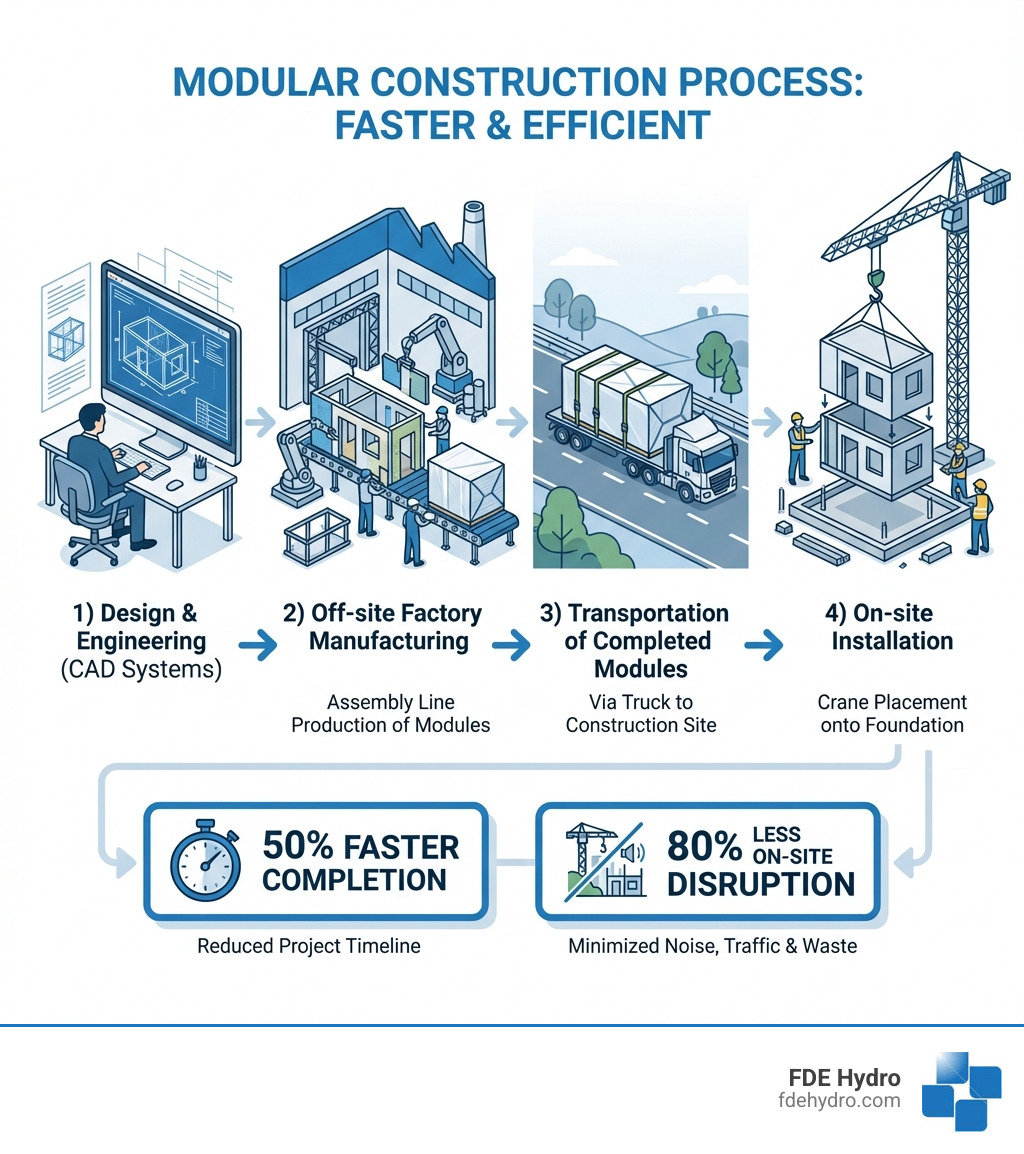
The essence of modular building systems is a carefully orchestrated process that shifts most construction from an unpredictable job site to a controlled factory. This method streamlines the entire project, from design to installation, altering traditional timelines and quality control. The journey begins with meticulous design, moves through precision factory fabrication, and culminates in rapid on-site assembly. This allows us to deliver projects with unparalleled speed, whether it’s a new school in Kansas or a hydroelectric powerhouse in Brazil. Find more about our approach to Modular Construction Techniques.
The Step-by-Step Modular Construction Process
Here is the typical process for bringing a modular building to life:
- Design & Engineering: This crucial initial phase uses advanced Building Information Modeling (BIM) and 3D modeling to create detailed designs. Unlike traditional construction, modular designs are finalized upfront, from structural integrity to MEP systems. This front-loaded effort pays dividends in efficiency, allowing our engineers to tailor solutions for even the most complex structures.
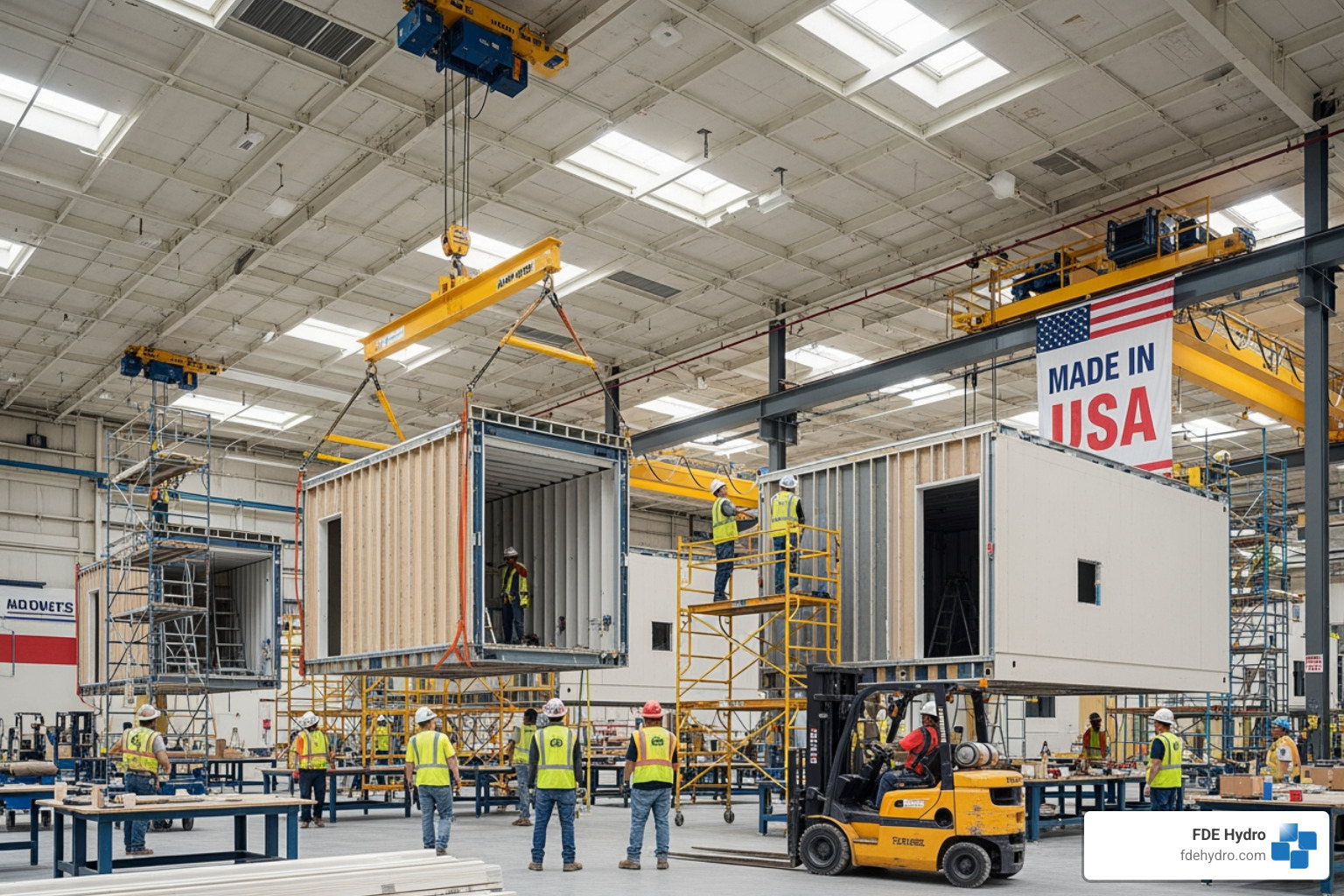
- Off-site Manufacturing: With designs approved, modules are precision-crafted on factory assembly lines. Up to 90% of the building—including walls, floors, wiring, and fixtures—is completed off-site. This controlled environment eliminates weather delays, reduces waste, and enables stringent quality assurance programs with independent inspections.
- Site Preparation: While modules are built in the factory, the construction site is prepared simultaneously. This parallel process is a key time-saver. Foundations are laid and utilities are installed, often faster than traditional builds due to the precise weight distribution of modules.
- Module Transportation: After factory inspection, completed modules are transported to the site. This requires careful logistical planning. While transportation costs for fabricated modules can be higher than for raw materials, the overall savings in labor and time typically outweigh these expenses.
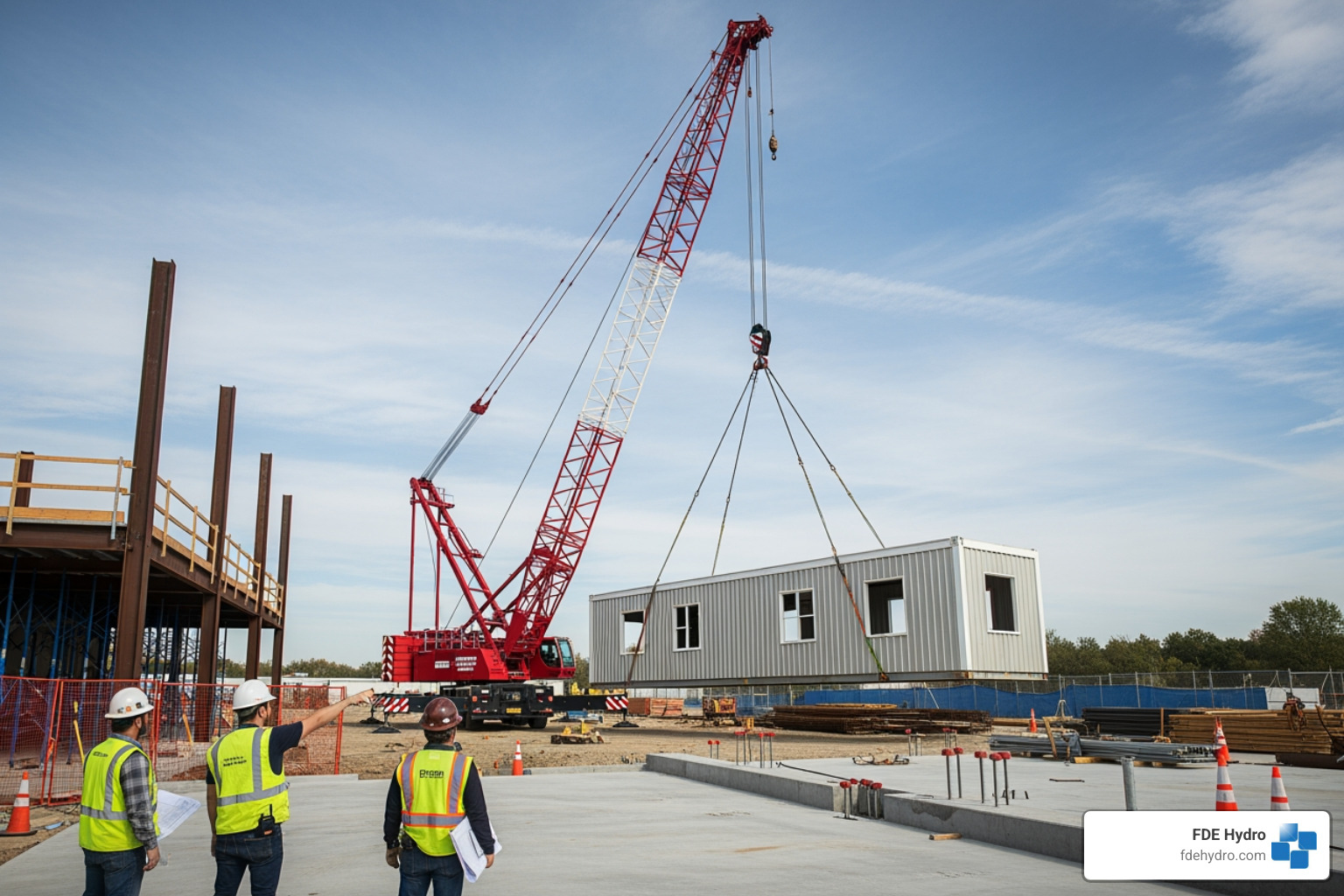
- On-site Installation: This phase is remarkably fast. Using cranes, a small crew lifts and places each module onto the prepared foundation. Modules are then secured and connected to site utilities. A team can assemble up to six 3D modules (270 sq. meters) in a single day, rapidly changing the site.
- Finishing Work & Site Restoration: Once modules are assembled, final touches like exterior cladding and landscaping are applied. Since most work is done off-site, there is minimal disruption, resulting in less noise, traffic, and a safer environment for the community.
Modular vs. Prefabricated vs. Mobile Homes
The terms “modular,” “prefabricated,” and “mobile home” are often confused. They represent distinct construction types with key differences in codes, foundations, and financing.
| Feature |
Modular Buildings |
Prefabricated Components |
Mobile Homes (Manufactured Homes) |
| Definition |
Complete building sections (modules) built off-site. |
Individual components (wall panels, trusses) built off-site. |
Factory-built homes on a permanent steel chassis. |
| Building Codes |
Built to local, state, and national building codes (e.g., IBC), same as site-built homes. |
Built to project specifications; part of a larger structure. |
Built to a federal HUD code, not local codes. |
| Foundation Type |
Designed for permanent foundations (e.g., basement), integral to the structure. |
Varies with the overall construction method. |
Integral steel chassis; can be placed on non-permanent or permanent foundations. |
| Customization |
High customization with CAD design; often indistinguishable from site-built. |
Varies by component and project needs. |
Limited customization with standardized designs. |
| Financing |
Financed like site-built homes with conventional mortgages. |
N/A (part of a larger project). |
Often requires specialized lenders; may depreciate like vehicles. |
| Resale Value |
Appraised similarly to site-built homes. |
N/A |
Can depreciate over time; often registered like vehicles. |
| Identification |
Data plate inside with manufacturer and inspection info. |
N/A |
Small metal tag on the exterior of each section. |
In short, all modular buildings are prefabricated, but not all prefabrication is modular. A prefabricated wall panel is a component, while a fully equipped room is a module. Mobile homes are a distinct category governed by different federal standards and are not designed for permanent foundations in the same way modular homes are, which affects zoning, financing, and value.
The Core Advantages of Modular Building Systems
Choosing modular building systems means building smarter. The benefits extend beyond cost and time, encompassing superior quality, sustainability, and safety. These advantages are why we at FDE Hydro™ champion modularity, especially in demanding applications like hydropower. You can learn more about how we apply these principles to our Precast Concrete Advantages.
Accelerated Project Timelines
A compelling advantage of modular building systems is the ability to cut project schedules by up to 50%.
- Simultaneous Work: The key is parallel construction. Site preparation occurs while modules are manufactured in the factory, completing two major phases at once.
- Factory Efficiency: A controlled factory environment uses optimized workflows and assembly-line techniques to speed up manufacturing.
- Reduced Weather Delays: With 60% to 90% of construction completed indoors, weather-related delays that halt traditional projects in Canada, Brazil, or California are virtually eliminated.
- Faster ROI: Faster project completion means earlier occupancy and a quicker return on investment. This is crucial for commercial projects like our Modular Powerhouses, with some buildings move-in ready in about three months.
Sustainability and Waste Reduction
Modular building systems are a model of sustainable construction, using the factory environment for powerful waste reduction and eco-friendly practices.
- Material Optimization: Building indoors allows for precise material management, optimized cuts, and scrap recycling, leading to up to 90% less waste than traditional methods. This significantly minimizes waste from materials like timber, concrete, and plasterboard.
- Reduced Site Disruption: Moving about 80% of construction activity off-site means less noise, dust, and traffic, minimizing disturbance to the local community and environment.
- Energy Efficiency: Modular buildings are often more tightly built, leading to superior energy efficiency and lower utility costs. We prioritize eco-friendly materials like recycled steel and wood, meeting the growing demand for green building. You can explore more about Sustainable Construction research.
Superior Quality and Structural Integrity
Modular construction results in buildings that are often stronger and of higher quality than site-built equivalents.
- Factory QA/QC Programs: Manufacturing plants use stringent Quality Assurance (QA) and Quality Control (QC) programs, including independent inspections, to ensure uniform quality at every step.
- Built to Withstand Transport: Each module is engineered to withstand the rigors of transportation and craning. This requires additional bracing, stronger joints, and often 8-10% more lumber, making the final structure inherently more robust.
- Stronger Than Site-Built: This superior integrity is proven. A FEMA study on Hurricane Andrew’s destruction found that modular homes performed best compared to other construction types.
- Consistent Quality: Repeatable factory processes and uniform training produce a consistent level of quality that is difficult to achieve on a traditional job site. This also contributes to Why Precast Cost Less.
Understanding the costs of modular building systems
While the cost of modular building systems is nuanced, it often results in significant savings.
- Labor and Material Savings: Moving up to 80% of labor off-site reduces the need for expensive, specialized on-site workers. Combined with reduced material waste from factory optimization, this can lead to up to 20% in total project cost savings.
- Transportation Costs: A key consideration is logistics. Transporting large, fabricated modules is more expensive than shipping raw materials and carries a risk of damage.
- Other Factors: Costs are also influenced by whether modules are new or used and the degree of customization. New, highly customized units offer maximum flexibility but are more expensive than standard or used options.
Despite higher logistics costs, careful planning makes modular construction a highly cost-effective solution for many projects, contributing to a projected $22 billion in annual savings for the US and European markets by 2030.
Navigating Challenges and Real-World Applications
While the benefits of modular building systems are compelling, it’s important to acknowledge the practical challenges. Understanding these considerations allows us to leverage modular construction effectively, whether we’re building in New York City or a remote site in Brazil.
Logistical and Design Considerations
The shift to off-site construction introduces unique considerations requiring meticulous planning:
- Transportation and Site Access: Moving large modules requires specialized carriers, permits, and careful route planning, especially in dense urban areas like New York City or remote locations. Site accessibility for cranes and trucks is also a critical factor that demands thorough assessment.
- Module Size and Design: Module dimensions are limited by transportation regulations, which can influence architectural design and room sizes. Functionality and aesthetics must be achieved within these parameters.
- Early Design Lock-in: Unlike traditional builds, modular construction requires design decisions to be finalized early. Changes during production are costly and cause delays, making upfront collaboration with clients and architects essential. To explore more about these considerations, see Why Build Modular?.
Ideal Applications for modular building systems
Modular building systems are suited for diverse projects across the United States, Canada, Brazil, and Europe:
- Repeatable Designs: Ideal for projects with standardized layouts like hotels, student housing, and affordable housing, where factory repetition maximizes efficiency.
- Time-Sensitive Facilities: Healthcare, educational, and commercial facilities in places like Kansas and California benefit from rapid, weather-independent construction timelines.
- Industrial & Manufacturing: Perfect for creating in-plant offices, equipment enclosures, and mezzanine structures that maximize existing space.
- Community & Relief: Cost-effective for worship facilities and critical for rapid-deployment disaster relief housing.
- Specialized Infrastructure: At FDE Hydro™, we use modular systems for critical infrastructure. Our patented “French Dam” technology and Modular Powerhouses significantly reduce costs and timelines for complex hydropower projects.
While highly irregular designs may still suit traditional methods, the versatility of modular construction makes it a superior choice for a vast array of projects.
The Future is Modular: Technology and Industry Outlook
Modular building systems are at the forefront of a rapidly evolving construction landscape. The industry already generates over $8 billion annually in the US and is projected to create $22 billion in annual cost savings by 2030 for US and European markets. This growth is driven by global needs for affordable housing and sustainable practices, heralding an era of Innovative Construction Techniques.
How Technology is Advancing Modular Construction
Technology is the engine making modular building systems more sophisticated and efficient.
- Building Information Modeling (BIM) and 3D Modeling: These indispensable digital tools allow for precise design, clash detection, and visualization before manufacturing, streamlining the entire process.
- Automation and Robotics: Design automation through “module libraries” will standardize and speed up the initial phase. In the factory, robotic fabrication ensures unparalleled precision and consistency for projects from Lawrence, Kansas, to Brazil.
- Advanced Logistics and Systems: Smart scheduling algorithms are being developed to optimize production and assembly. Advanced panelized systems, crafted in a factory and delivered flat-packed, offer a faster, more sustainable alternative to traditional methods.
- Open-Source and 3D Printing: The “open modular” concept, where communities share open-source plans, is gaining traction. Combined with 3D printing, this makes construction more accessible and affordable.
- Continuous R&D: Ongoing research by organizations like the Modular Building Institute pushes the boundaries of what modular can achieve, applying the technology to ever-taller buildings. For more insights, refer to Modular Buildings in Modern Construction.
These technologies promise a future where construction is faster, safer, more affordable, and sustainable, capable of addressing critical global needs.
Frequently Asked Questions about Modular Construction
We often hear common questions about modular building systems. Let’s clear up some of the most frequent inquiries.
How long do modular buildings last?
A common misconception is that modular buildings are temporary. In reality, permanent modular structures are built to last for decades, the same as their site-built counterparts. Crafted with high-quality materials like steel, wood, and concrete, their longevity is comparable to any traditionally constructed building, making them ideal for long-term needs from a school in California to an office in New York.
Are modular buildings structurally weaker?
No, modular building systems are generally stronger. Each module is engineered to withstand the rigors of transport and craning, requiring additional reinforcement like extra bracing and stronger joints. This superior strength is proven; a FEMA study on Hurricane Andrew found that modular homes performed best compared to other construction types, demonstrating their resilience in extreme conditions.
Do modular buildings all look the same?
This is an outdated stereotype. Modern modular building systems offer a high degree of customization. Using computer-assisted design (CAD), we can create nearly limitless designs and layouts. A wide range of exterior finishes—including brick, stone, and stucco—ensures the final building is often indistinguishable from a site-built structure. From multi-story complexes in New York City to schools in Kansas, modular can achieve any architectural vision.
Conclusion
The evolution of modular building systems marks a pivotal moment for construction, offering a compelling alternative to traditional methods. This innovative approach delivers projects with remarkable speed, cost-effectiveness, and quality by streamlining every phase from factory to final assembly.
Modular buildings are stronger, more sustainable, and highly versatile, meeting the same rigorous building codes as site-built structures while offering extensive customization. Propelled by advancements in technology, the future of modular is bright, promising to address critical needs from affordable housing to specialized infrastructure.
At FDE Hydro™, we are proud to lead this revolution, applying modular building systems to transform hydropower infrastructure across North America, Brazil, and Europe. Our commitment to innovation ensures we deliver high-quality, efficient, and sustainable solutions for tomorrow’s challenges.
Ready to build smarter with modular construction? Learn more about advanced hydropower solutions and how our expertise can benefit your next project.
by Adaptify Support | Mar 2, 2026 | Energy Resource Articles
The Two Sides of the Blockchain Sustainability Coin

Sustainable blockchain technology represents both a critical challenge and a powerful solution for our environmental future. Here’s what you need to know:
The Challenge:
- Traditional blockchains like Bitcoin consume energy equivalent to entire countries
- Proof of Work mining produces significant carbon emissions and e-waste
- Up to 61% of Bitcoin’s power comes from fossil fuels
The Solution:
- Proof of Stake systems use 99.9% less energy than Proof of Work
- Up to 60% of active blockchains now use energy-efficient protocols
- Blockchain enables transparent carbon tracking and renewable energy trading
The Opportunity:
- Supply chain emissions account for over 90% of corporate carbon footprints
- Blockchain provides immutable records for ESG compliance and verification
- Real-world applications span renewable energy, waste management, and carbon markets
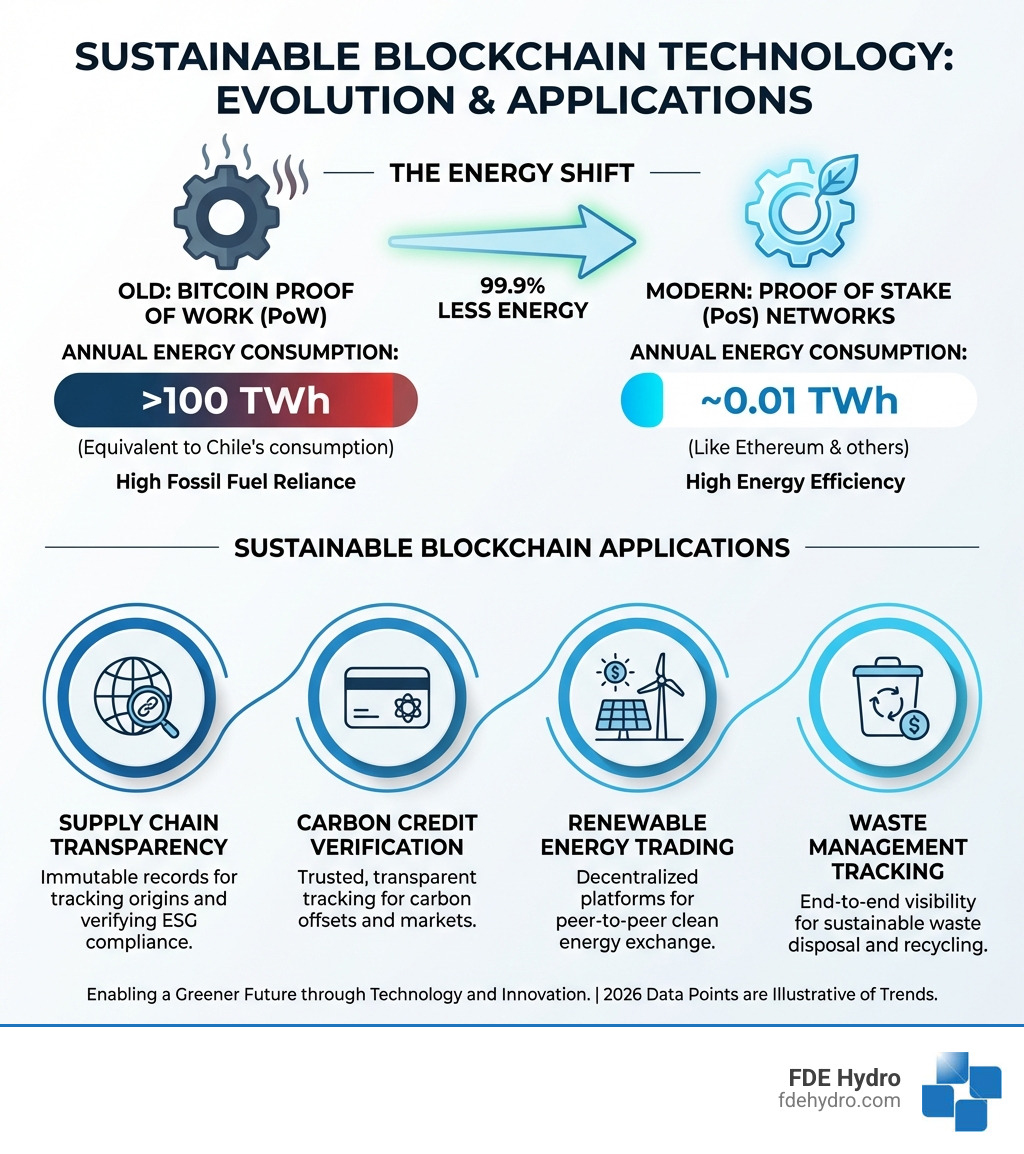
When you hear “blockchain,” you might think of Bitcoin’s notorious energy consumption—reportedly around 100 terawatt-hours annually, more than Chile’s entire electricity use. That’s the old story. The new story is about innovation. Blockchain technology has evolved dramatically, with modern networks consuming a fraction of the energy while enabling unprecedented transparency for sustainability efforts.
The paradox is striking: the same technology once criticized for environmental harm now offers tools to combat climate change, verify carbon credits, and create transparent supply chains. The difference lies in how the blockchain operates—the consensus mechanism at its core.
This isn’t just a theoretical debate. Ethereum’s 2022 shift to Proof of Stake cut its energy consumption by 99.9% overnight. Projects across the globe are using blockchain to track renewable energy, verify sustainable sourcing, and create trusted carbon markets. Meanwhile, emerging regulations like the EU’s MiCA framework and Corporate Sustainability Reporting Directive are pushing the entire industry toward accountability.
For infrastructure decision-makers evaluating emerging technologies, understanding sustainable blockchain matters because it intersects with two critical priorities: reducing environmental impact and ensuring transparent, verifiable data for compliance and stakeholder trust. The technology that powers it—whether renewable energy from hydropower, solar, or geothermal sources—determines whether blockchain becomes part of the climate solution or remains part of the problem.
I’m Bill French Sr., Founder and CEO of FDE Hydro, and I’ve spent decades working at the intersection of infrastructure innovation and environmental stewardship, including participation in the Department of Energy’s strategic planning for next-generation hydropower solutions that can power sustainable blockchain technology. My focus on modular, environmentally beneficial construction aligns with the need for clean energy sources that make truly sustainable digital infrastructure possible.
Simple Sustainable blockchain technology glossary:
The Energy Challenge: Why Blockchains Have an Environmental Reputation
The conversation around sustainable blockchain technology often begins with its energy footprint. For years, the headlines have focused on the immense power consumption of cryptocurrency mining, particularly Bitcoin. This perception is rooted in the design of early blockchain networks, which relied on a consensus mechanism called Proof of Work (PoW).

In a PoW system, computers on a peer-to-peer network, known as “miners,” compete to solve complex computational puzzles to validate transactions and add new blocks to the blockchain. This process, often referred to as “hashing,” requires significant energy. The more computing power a miner dedicates, the higher their chance of winning the reward, creating an arms race for computational intensity.
The true drivers of this energy use and associated emissions are multifaceted. Primarily, it’s an economic incentive: miners are driven to use the cheapest available energy to maximize profits. Unfortunately, the cheapest energy often comes from fossil fuels, leading to substantial greenhouse gas emissions. Even when green energy is used, the sheer scale of demand can strain existing energy grids, potentially diverting power from other critical needs or hindering broader clean energy transitions. Beyond operational energy, we must also consider the embodied carbon and e-waste impact of the specialized mining hardware and data centers required for PoW. The rapid obsolescence of these machines contributes to a growing e-waste problem.
Understanding the Environmental Impact of Non-Sustainable Blockchain Technology
The environmental impact of non-sustainable blockchain technology, primarily driven by PoW, is significant. Bitcoin, the pioneer of this model, consumes an estimated 100 terawatt-hours (TWh) of electricity annually, an amount comparable to the energy consumption of entire countries. A substantial portion of this energy, up to 61%, is derived from fossil fuels, leading to a considerable carbon footprint. Each dollar of Bitcoin value created has been estimated to generate significant health and climate damages, including $0.49 in the US.
The core issue lies in the hashing computations that define PoW. These computations are intentionally designed to be difficult and resource-intensive, ensuring the network’s security and immutability. However, this design directly translates to high energy demand. The economic incentive for miners to find the cheapest energy sources, regardless of their environmental impact, exacerbates the problem. For more details on the energy demands of this process, see our insights on Crypto Mining Power Consumption.
It’s crucial to separate myths from facts. While the narrative often paints all blockchain as inherently energy-intensive, the truth is that PoW is the only consensus protocol inherently based on energy consumption. Many other protocols do not require significant hash computations. The perception that all blockchains are energy hogs is a myth that we must dispel as the industry evolves towards more sustainable solutions.
Comparing Consensus Mechanisms: The Core of the Issue
The heart of the discussion around sustainable blockchain technology lies in its consensus mechanisms. These are the protocols that enable a distributed network to agree on the validity of transactions and the state of the ledger. The choice of mechanism profoundly impacts a blockchain’s energy intensity, security, and decentralization.
| Consensus Mechanism |
Energy Intensity |
Security |
Decentralization Trade-offs |
| Proof of Work (PoW) |
Very High |
High |
Can lead to mining pool centralization |
| Proof of Stake (PoS) |
Very Low |
High |
Can lead to stake centralization |
| Proof of Authority (PoA) |
Very Low |
Moderate |
Centralized around trusted validators |
Proof of Work (PoW), as discussed, is highly energy-intensive. While it offers robust security due to the immense computational effort required to attack the network, it can lead to centralization as only those with significant capital can afford the necessary hardware and electricity.
Proof of Stake (PoS) emerged as a direct response to PoW’s energy concerns. Instead of computational competition, validators are chosen to create new blocks based on the amount of cryptocurrency they “stake” as collateral. This dramatically reduces energy consumption, with estimates suggesting a potential reduction of up to 99% compared to PoW. PoS maintains high security by penalizing malicious validators (slashing their stake) and aims for decentralization by allowing anyone to stake.
Proof of Authority (PoA) is another low-energy alternative, often used in permissioned or private blockchains. In PoA, a limited number of pre-approved and trusted validators are responsible for creating new blocks. This offers high transaction speeds and very low energy consumption but comes at the cost of decentralization, as trust is placed in a select group.
The trend is clear: over 60% of all active blockchains now use PoS or other low-energy mechanisms, demonstrating a significant industry shift towards more sustainable practices.
The Path to Sustainable Blockchain Technology: Solutions and Strategies
The journey towards truly sustainable blockchain technology is multifaceted, encompassing a range of solutions and strategic approaches. It’s about not only mitigating the environmental impact of the technology itself but also leveraging its unique capabilities to foster broader sustainability goals.
Our path involves a combination of adopting energy-efficient protocols, strategically sourcing clean energy, and establishing robust measurement and reporting frameworks. This holistic approach ensures that blockchain can fulfill its promise as a tool for environmental and social good without compromising our planet. For a deeper dive into these strategies, a comprehensive survey on green blockchain provides valuable insights: A Comprehensive Survey on Green Blockchain: Developing the Next Generation of Energy Efficient and Sustainable Blockchain Systems.
The Shift to Energy-Efficient Protocols
One of the most impactful shifts in the blockchain landscape has been the move towards energy-efficient consensus mechanisms. The most prominent example is Ethereum’s “Merge” in 2022, which transitioned the network from Proof of Work to Proof of Stake. This monumental shift resulted in Ethereum’s energy consumption plummeting by an astonishing 99.9%.
This transition offers crucial lessons for other networks. It demonstrates that a major, established blockchain can successfully pivot to a more sustainable model without compromising security or functionality. This success has accelerated the broader trend towards PoS adoption; today, up to 60% of all active blockchains use PoS or other low-energy mechanisms. This includes a growing number of networks in North America and Europe, where regulatory pressures and environmental consciousness are particularly high. The continuous development of these energy-efficient protocols is vital for the future of sustainable blockchain technology. You can explore more about these advancements and their impact on our Energy Efficient Crypto page.
Sourcing Clean Energy and Grid Integration
Beyond technical protocol changes, a critical component of sustainable blockchain technology involves powering networks with clean, renewable energy. This means transitioning miners and validators from fossil fuel-sourced energy to green sources.
Here are some key renewable energy sources being explored and used for blockchain operations:
- Hydropower: A consistent and powerful source, especially relevant in regions like the US, Canada, and Brazil, where FDE Hydro specializes in developing advanced hydropower solutions. Hydropower offers reliable, low-carbon electricity that can support energy-intensive operations. Learn more about the benefits of Hydropower.
- Solar Power: Increasingly cost-effective and scalable, solar farms can provide significant energy, particularly in sunny regions like California.
- Wind Power: Abundant in many parts of the US and Europe, wind energy offers a clean power source.
- Geothermal Power: While often associated with regions like East Africa, geothermal resources are also present in parts of the US and Europe, offering a stable, continuous energy supply.
- Volcanic Energy: An innovative solution, as seen in El Salvador, utilizing volcanic activity to power mining operations. While not directly applicable to all our operating regions, it exemplifies the creative approaches to sourcing clean energy globally.
Furthermore, crypto mining operations can play a role in grid integration and stabilization. By strategically locating mining facilities near renewable energy sources, they can use curtailed or stranded energy that might otherwise go to waste. This can provide grid services, acting as a flexible load that can be ramped up or down to balance supply and demand, improving grid stability. The concept of 24/7 carbon-free energy matching, where energy consumption is matched with local, clean energy generation on an hourly basis, is a promising pathway for achieving true net-zero operations. Our commitment at FDE Hydro is to build the infrastructure that can support this vision, ensuring a reliable supply of Sustainable Energy Production for all uses, including advanced digital technologies.
Measuring, Reporting, and Regulation
For sustainable blockchain technology to gain widespread trust and adoption, robust measurement, reporting, and regulatory frameworks are indispensable. We need clear system boundaries to measure a blockchain’s environmental footprint, encompassing not just the core Layer 1 network but also Layer 2 solutions, intermediaries, custodians, bridges, and oracles.
Several methodologies and benchmarks are emerging to address this. Organizations like the Cambridge Centre for Alternative Finance (CCAF) and the Crypto Carbon Ratings Institute (CCRI) provide estimates of energy consumption and carbon footprints. Broader ESG reporting standards such as GRI 302 (Energy), ESRS E1 (Climate Change), and ISSB IFRS S1/S2 (General and Climate-related Disclosures) are becoming increasingly relevant for blockchain firms. In the US, the SEC is also proposing climate-related disclosure mandates.
Regulatory bodies are stepping up. The EU’s MiCA (Markets in Crypto-assets) Regulation, for instance, includes mandatory sustainability indicators for crypto-asset issuers and service providers, setting detailed yet attainable requirements. These regulations, including the Corporate Sustainability Reporting Directive (CSRD), are crucial for driving accountability and transparency. PwC has even developed a Blockchain Sustainability Framework to help organizations evaluate their environmental footprint and align with these evolving standards. Such frameworks and disclosure mandates are essential tools to ensure that the blockchain industry contributes positively to our climate goals. The European Union is actively considering guidelines on energy-intensive crypto mining.
While reducing its own environmental impact is crucial, the potential of sustainable blockchain technology extends far beyond its internal footprint. Blockchain offers unique features—immutability, transparency, and decentralization—that can be powerful tools for addressing global environmental, social, and governance (ESG) challenges. It can serve as a foundational layer for new systems that promote sustainability across various sectors, from supply chains to climate action.
This includes enabling digital Measurement, Reporting, and Verification (dMRV) for environmental initiatives, creating more transparent and trusted carbon markets, enhancing supply chain traceability, and facilitating the use of Renewable Energy Certificates (RECs). Blockchain can support social sustainability by empowering communities and ensuring fair practices.
Enhancing Transparency in Supply Chains and Carbon Markets
One of the most compelling applications of sustainable blockchain technology is its ability to improve transparency in supply chains and carbon markets. Over 90% of a company’s greenhouse gas emissions are attributable to its supply chains, making this a critical area for intervention. As detailed in the EY report on supply chain emissions, integrating business sustainability strategies within supply chain management is crucial.
Blockchain provides an immutable ledger that can track products from raw materials to end-consumer, offering unprecedented traceability. This helps combat greenwashing by providing verifiable data for ESG claims, ensuring that companies’ sustainability statements are genuine. By recording every step of a product’s journey, from sourcing to recycling, blockchain promotes circular economy principles and helps prevent illegal practices like corruption or fraud. The United Nations Global Compact has outlined criteria for measuring supply chain sustainability, covering human rights, labor practices, and environmental responsibility, which blockchain can help enforce.
In carbon markets, blockchain can address critical issues like additionality, permanence, leakage, and double counting. By tokenizing carbon credits and providing an immutable record of their origin and retirement, blockchain can build trust and integrity in these markets, which have historically been plagued by questions of authenticity. This digital infrastructure for carbon accounting can verify reforestation efforts and carbon capture initiatives, ensuring that climate funds are genuinely impactful.
Real-World Applications of Sustainable Blockchain Technology
The practical applications of sustainable blockchain technology are diverse and impactful, touching upon various aspects of environmental and social well-being. Here are some compelling real-world use cases:
- Renewable Energy Trading: Blockchain enables peer-to-peer trading of renewable energy, allowing individuals and communities to buy and sell surplus clean energy. This fosters decentralized energy markets and encourages local renewable energy generation.
- Waste Management and Circularity: By tokenizing recycled materials or tracking waste streams, blockchain can improve transparency in waste management, promote recycling, and support the transition to a circular economy.
- Sustainable Water Infrastructure: In areas like the US, Canada, and Brazil, blockchain can be used to track water usage rights, monitor water quality, and manage water resources more efficiently, supporting sustainable water stewardship.
- Biodiversity Credits: Blockchain can facilitate the creation and trading of biodiversity credits, incentivizing conservation efforts and providing transparent funding for nature-based solutions.
- Supply Chain Traceability: From agri-food products to apparel, blockchain tracks goods throughout their lifecycle, verifying ethical sourcing, fair wages, and environmental compliance. Projects like the World Bank’s initiative in Haiti to empower farmers demonstrate how blockchain can provide transparency and direct access to markets, improving livelihoods. The UN Global Compact criteria for supply chain sustainability can be directly supported by blockchain’s immutable records.
- Digital MRV (dMRV): Integrating with sensors, satellites, and oracles, blockchain enables transparent and tamper-proof monitoring of environmental data, crucial for verifying climate action and carbon offset projects. Zero-knowledge proofs can protect sensitive data while maintaining verification.
- Anti-Corruption and Fair Practices: Blockchain’s immutability makes it an excellent tool for combating corruption and ensuring fair practices, particularly in complex supply chains and aid distribution.
These applications demonstrate how blockchain can move beyond its energy challenges to become a powerful force for good, creating transparent, efficient, and equitable systems for a more sustainable future.
Innovations in Governance and Incentives
The long-term success of sustainable blockchain technology hinges not only on technical solutions but also on robust governance and innovative incentive mechanisms. These elements ensure that sustainability commitments are upheld and that the ecosystem evolves in an environmentally and socially responsible manner.
On-chain voting allows token holders or validators to directly participate in decision-making processes, including proposals related to energy efficiency upgrades, renewable energy procurement, or even changes in consensus mechanisms. This decentralized governance can enforce sustainability commitments by baking them directly into the protocol’s evolution.
Token design can be leveraged to promote sustainable behavior. For example, “carbon-aware staking” could incentivize validators to source renewable energy by offering higher rewards. Fee routing mechanisms could direct a portion of transaction fees to climate funds or sustainability initiatives. This creates economic alignment between network participation and environmental stewardship.
Validator scorecards can track and publicly display validators’ adherence to sustainability criteria, such as their energy mix or participation in green initiatives. This transparency fosters accountability and encourages best practices.
Furthermore, zero-knowledge proofs (ZKPs) play a crucial role in protecting sensitive data while maintaining transparency. For instance, in a dMRV system, a company could prove its compliance with emissions targets without revealing proprietary operational data. This balances the need for verification with privacy concerns, encouraging broader participation from enterprises.
Integrating these governance and incentive structures, potentially improved by advanced analytics and optimization through AI for Resource Management, allows blockchain ecosystems to self-regulate towards sustainability goals, making them more resilient and impactful.
Frequently Asked Questions about Sustainable Blockchains
How does Proof of Stake (PoS) reduce energy consumption?
Proof of Stake (PoS) replaces energy-intensive mining with a system where validators are chosen to create new blocks based on the amount of cryptocurrency they “stake” as collateral. This eliminates the competitive computational race, reducing energy use by over 99% compared to Proof of Work. In PoS, validators don’t expend massive amounts of energy solving cryptographic puzzles; instead, their economic stake in the network secures it. This fundamental difference makes PoS a cornerstone of sustainable blockchain technology.
Can blockchain really help fight climate change?
Yes, beyond reducing its own footprint, blockchain offers powerful tools for climate action. It can create transparent, trusted carbon credit markets, enable peer-to-peer trading of renewable energy, and provide immutable verification for sustainable supply chains and reforestation efforts through dMRV (digital Measurement, Reporting, and Verification). By providing an unchangeable record of environmental data and transactions, blockchain can combat greenwashing and build trust in climate initiatives, making it a valuable asset in the fight against climate change.
What are the biggest challenges to making all blockchains sustainable?
The main challenges include the inertia of established Proof of Work networks like Bitcoin, which would require a significant and complex transition similar to Ethereum’s Merge. There’s also the need for clear and globally consistent regulations that incentivize sustainability without stifling innovation. Ensuring interoperability between different sustainable chains and with legacy systems remains a technical hurdle. Finally, overcoming the technical problems of scaling solutions to handle global demand without compromising decentralization or increasing energy consumption is a continuous challenge that the industry is actively addressing.
Conclusion: Building a Greener, More Transparent Future
The journey toward sustainable blockchain technology is twofold: reducing the technology’s own environmental impact and using its unique features to solve global ESG challenges. By transitioning to energy-efficient consensus mechanisms and integrating with Clean Energy Solutions, the industry can overcome its reputation for high energy use. Furthermore, its application in creating transparent supply chains, trusted carbon markets, and verifiable environmental data presents a powerful new toolkit for a sustainable world. Innovators like FDE Hydro, focused on building next-generation Sustainable Infrastructure Development, are creating the foundational clean energy resources that will power this green digital change. To learn more about the backbone of a sustainable energy future, explore the potential of hydropower.
by Adaptify Support | Feb 20, 2026 | Energy Resource Articles
Why Canada is a Global Leader in Renewable Energy
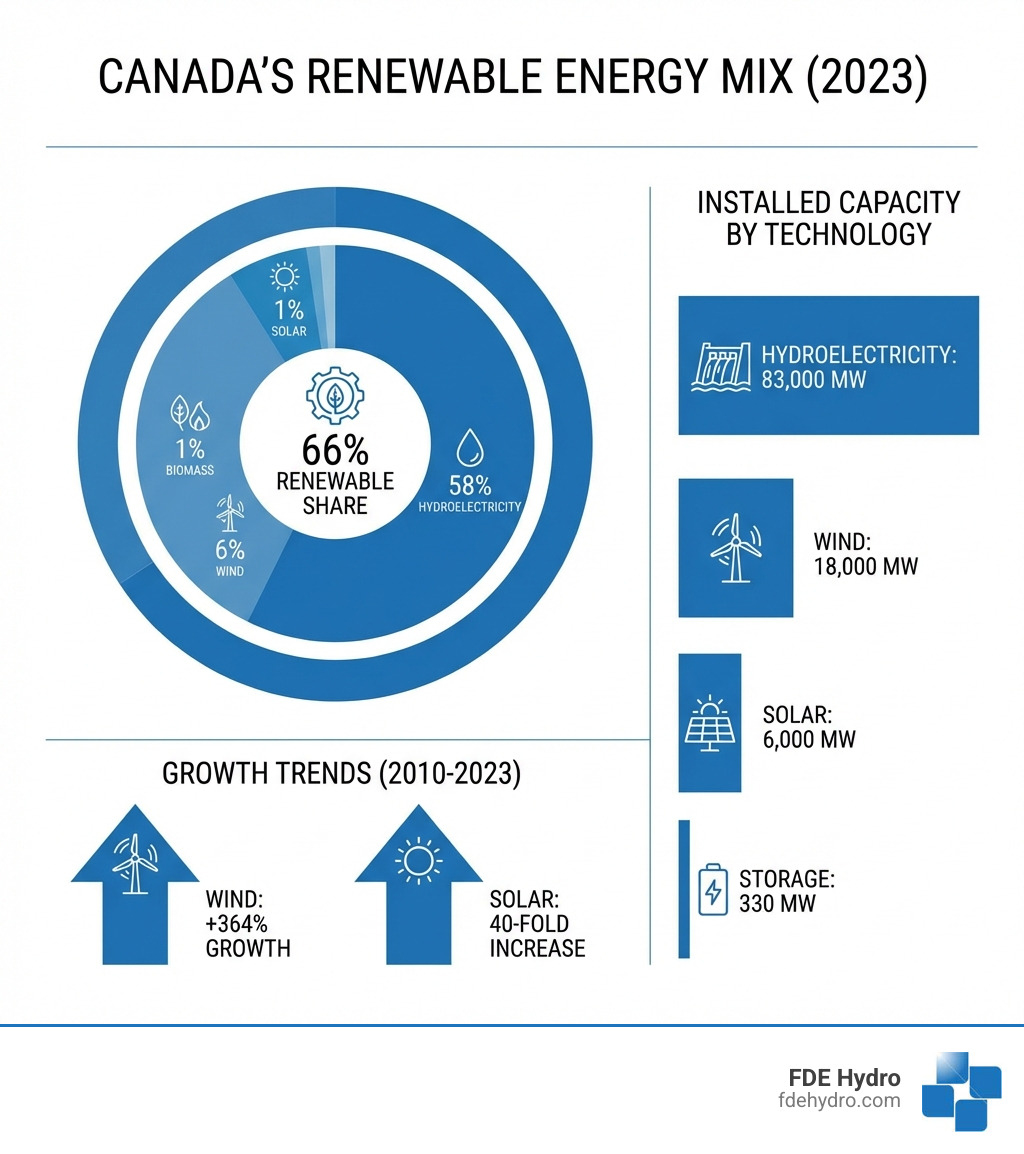
Canada renewable energy powers two-thirds of the nation’s electricity grid, making it one of the world’s top producers of clean power. In 2023 alone, renewable sources generated 411 terawatt-hours (TWh) of the country’s 620 TWh total electricity production.
Quick Facts: Canada Renewable Energy Overview
- Total Renewable Share: 66% of electricity generation (2023)
- Dominant Source: Hydroelectricity (58% of national generation)
- Rapid Growth: Wind generation up 364%, solar up 40-fold (2010-2023)
- Installed Capacity: Over 24 GW of wind, solar, and storage combined
- Global Rankings: 4th in hydropower production, 9th in wind capacity
- Climate Target: Net-zero emissions by 2050
Canada’s renewable energy landscape is dominated by hydroelectric power, which has been the backbone of the grid for decades. But the story doesn’t end there. Wind and solar capacity has grown by 46% in just five years (2019-2024), with nearly 5 GW of new wind, 2.6 GW of new solar, and 200 MW of energy storage added during this period.
The country’s vast geography and diverse resources give it a unique advantage. From massive hydro installations in Quebec and British Columbia to wind farms across Alberta’s prairies and solar projects in Ontario, Canada is changing how it generates and stores power.
This change isn’t just about environmental goals. The environmental and clean technology sector now contributes $70.5 billion to Canada’s economy and employs over 430,000 workers, with wages averaging 22% higher than the national average.
I’m Bill French Sr., founder and CEO of FDE Hydro, and I’ve spent decades working on innovative solutions for Canada renewable energy infrastructure, including developing modular hydropower technologies that reduce costs and construction timelines. In 2015, I was selected by the U.S. Department of Energy to help define next-generation hydropower solutions, work that directly applies to Canada’s ongoing grid modernization.
This guide breaks down everything you need to know about Canada’s renewable energy sector: where the power comes from, how it’s stored, who’s building it, what policies drive it, and where it’s headed as the country works toward its 2050 net-zero target.
The Current State of Canada Renewable Energy
Canada renewable energy is experiencing dynamic growth. From 2019-2024, total installed capacity for wind, solar, and energy storage surged 46% to over 24 GW. This expansion includes over 18 GW of wind, 5+ GW of solar, and 330 MW of energy storage, highlighting Canada’s commitment to diversifying its energy mix.
While newer technologies are gaining ground, hydroelectricity remains the powerhouse of Canada renewable energy, accounting for 58% of national generation in 2023. That year, Canada generated 620 terawatt-hours (TWh) of electricity, with 411 TWh (66%) from renewables, making it the fourth-largest global producer of renewable electricity.
The growth in wind and solar has been particularly impressive. Between 2010 and 2023, wind generation soared 364% to 40.1 TWh, while solar generation increased more than fortyfold to 4.9 TWh. This represents a significant shift in our energy landscape, with wind and solar collectively meeting over 8% of Canada’s electricity demand in 2023.
Strategic planning and innovation are key to managing our energy resources. For more detailed insights, you can explore More info about Energy Resource Development.
Primary Sources and Their Evolution
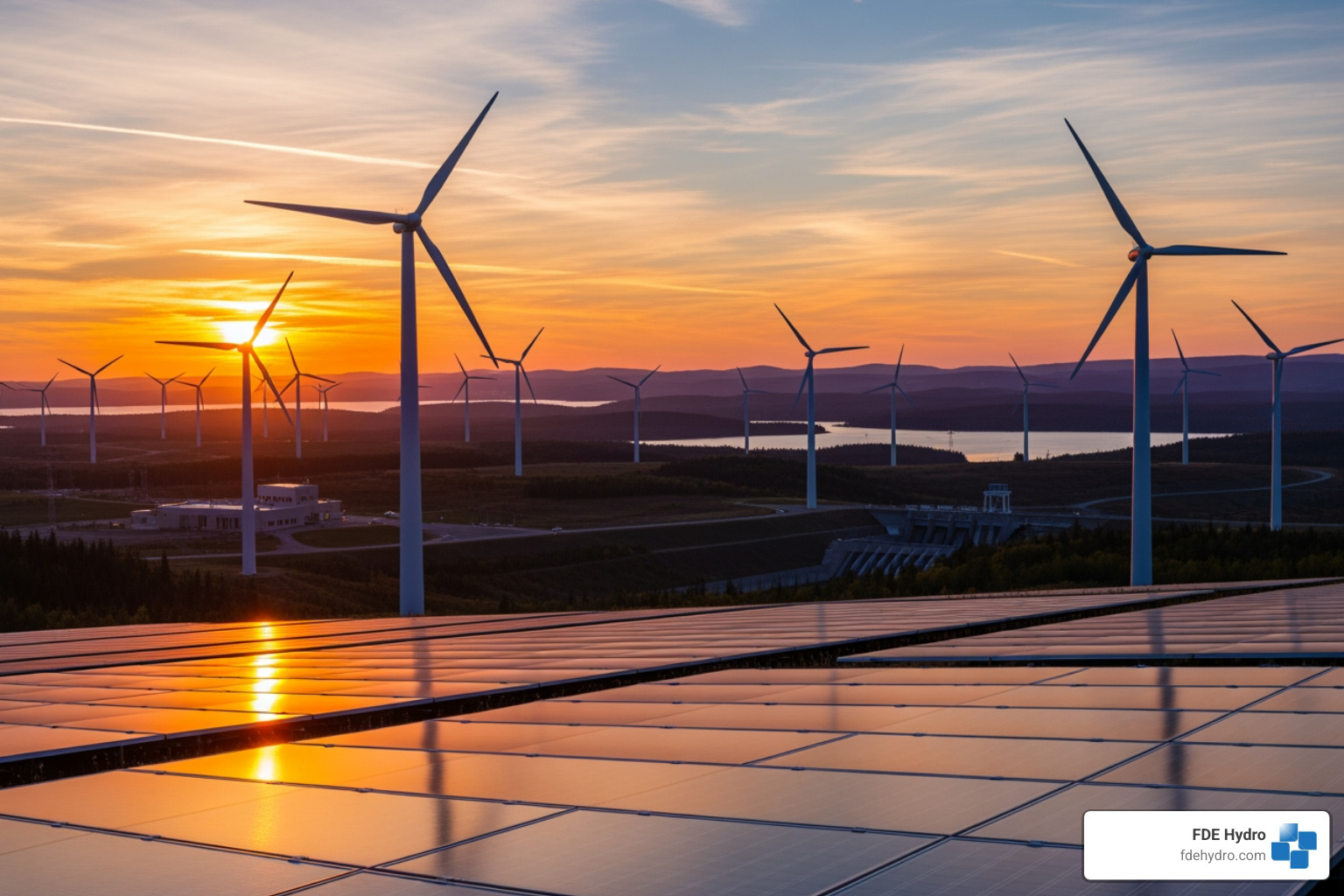
Hydroelectricity is the historical champion of Canada renewable energy. For decades, Canada’s vast rivers have generated clean, reliable power, accounting for 58% of national generation in 2023. Provinces like Quebec, British Columbia, and Manitoba rely heavily on hydro, which powers most of their grids.
However, the past decade saw a dramatic evolution in the energy mix. Wind and solar have become significant contributors, with wind generation growing 364% between 2010 and 2023 to contribute 6% to national generation. Solar, though smaller at 1% of national generation, saw a fortyfold increase in output. This expansion is due to decreasing costs and increasing efficiency.
Biomass also plays a part, accounting for 6% of national generation in 2023 after a 7% increase from 2010. Other renewables like geothermal and tidal remain small contributors. This evolving mix reflects a commitment to Sustainable Energy Production and a more resilient grid.
The Critical Role of Energy Storage
As Canada adopts more variable renewables like wind and solar, energy storage is critical for grid stability. It acts like a giant battery, balancing supply and demand by capturing excess power and releasing it when needed to ensure a reliable supply.
Energy storage capacity grew an explosive 192% from 2019-2024. While current capacity is 330 MW, planned Battery Energy Storage Systems (BESS) additions before 2030 could increase it tenfold. These 4-hour BESS units are excellent for short-duration grid support.
Beyond batteries, pumped storage hydropower (PSH) offers longer-duration storage. PSH pumps water uphill when power is cheap and releases it through turbines to generate power when demand is high. However, PSH deployment is geographically constrained. Canada has one Compressed Air Energy Storage (CAES) facility in Goderich, Ontario (1.75 MW).
Hybrid projects are also on the rise, with 65 MW of solar-plus-storage in operation (130 MW under construction) and 20 MW of wind-plus-storage operational. These integrated solutions are key to a cleaner, more stable grid.
Deep Dive into Canada’s Key Renewable Sources
The journey toward a greener grid is often paved with technological advancements and, crucially, significant cost reductions. We’ve seen this play out globally, and Canada renewable energy is directly benefiting. Since 2009, the cost of solar energy has plummeted by an astonishing 83%, making it an increasingly competitive option. Similarly, wind energy costs have declined by 65% over the same period. These dramatic reductions have made renewables the cheapest source of new electricity generation in many parts of the world, including Canada.
This cost-effectiveness, combined with environmental benefits, is why we’re seeing such a rapid expansion of wind and solar across the country. Understanding these underlying economic trends helps us appreciate the scale and speed of the transition. To explore which renewable energy resource truly offers the most bang for the buck, you might be interested in What Renewable Energy Resource Is The Most Efficient?.
Hydroelectric Power: The Backbone of Canada’s Grid
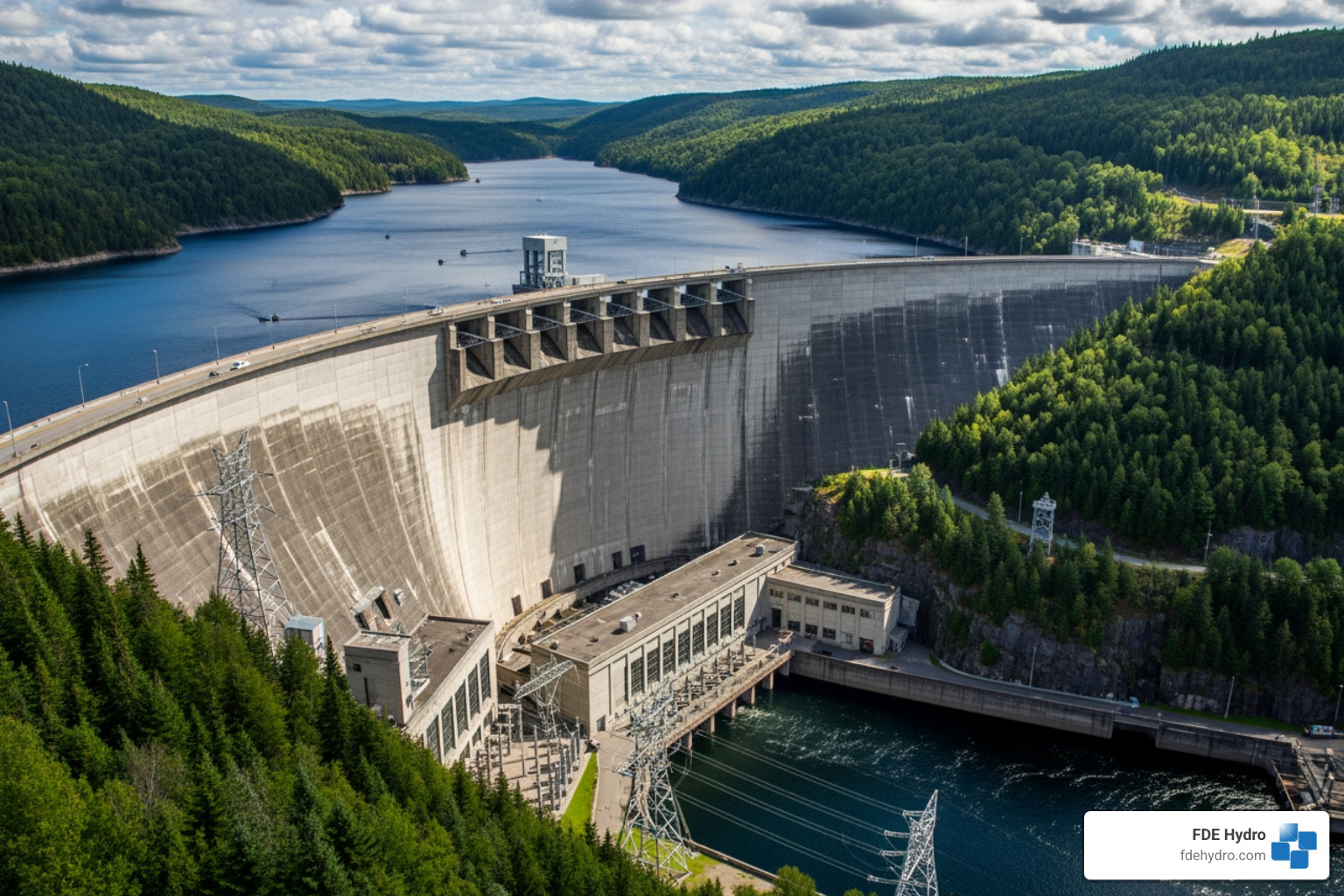
When we talk about Canada renewable energy, hydroelectric power inevitably takes center stage. It’s not just a part of our energy mix; it’s the very backbone of our electricity grid. In 2023, hydroelectricity accounted for a colossal 58% of our national electricity generation. This incredible capacity places Canada as the fourth-largest global producer of hydropower by capacity, a ranking we’ve held since at least 2021.
Our installed hydroelectric capacity is immense, reaching over 83,000 MW in 2024. This isn’t just a historical legacy; it’s an active and vital part of our present. Provinces like Quebec, British Columbia, Manitoba, and Newfoundland and Labrador rely heavily on hydro, often generating over 90% of their electricity from this source. Quebec, in particular, is a powerhouse, producing roughly half of all of Canada’s hydroelectric power. We have massive projects like Site C in British Columbia, Muskrat Falls in Labrador, Keeyask in Manitoba, and La Romaine 4 in Quebec, all contributing significantly to our clean energy supply.
While remarkably reliable, hydroelectric generation can be sensitive to environmental factors. For instance, in 2023, we saw a 9% (37 TWh) drop in hydroelectric generation compared to the previous year, primarily due to drought conditions. This highlights the importance of managing water resources carefully and diversifying our renewable portfolio.
At FDE Hydro, we recognize the critical role of Hydroelectric Power Generation and are dedicated to innovating within this sector. Our patented modular precast concrete technology is designed to make building and retrofitting hydroelectric dams more efficient and cost-effective, ensuring this vital resource continues to power Canada for generations. However, we also understand the need to address the Hydropower Environmental Impact to ensure sustainable development.
The Growth of Wind and Solar in Canada’s Renewable Energy Mix
While hydroelectricity remains our steadfast foundation, the growth of wind and solar power has been nothing short of spectacular, adding dynamic new layers to Canada renewable energy. As of 2024, we boast over 18 GW of wind capacity from 341 projects across the country, positioning us as the 9th largest wind power producer globally. Solar power, both utility-scale and on-site, has also expanded significantly, with over 4 GW of utility-scale capacity and more than 1 GW of on-site solar from 217 major projects and nearly 96,000 individual installations. This places us 24th in the world for installed solar capacity.
This rapid expansion isn’t uniform across the country, with certain provinces taking the lead. Alberta, for example, has experienced a remarkable renewable energy boom. Its abundant wind and solar resources, coupled with a flexible electricity system, have attracted significant investment. This surge is not only diversifying Alberta’s energy mix but also creating substantial economic opportunities, with projections suggesting it could power 4,500 jobs. Even oil companies in Alberta are investing in renewable energy to offset their emissions, showcasing a broader industry shift.
Ontario also holds an established leadership position, particularly in its early adoption of wind and solar power. The province led Canada in both capacities and famously phased out coal power in 2014, demonstrating a clear commitment to clean energy. While its Green Energy Act faced some controversies and was eventually scrapped, it undeniably kickstarted much of the province’s renewable development.
British Columbia is also making strides, with BC Hydro committing to a C$6 billion investment in wind farms, including nine new projects that will significantly improve the province’s grid capacity. Even Saskatchewan, traditionally reliant on fossil fuels, has seen plans to double its wind power generation and develop more solar projects.
These developments highlight the increasing maturity and competitiveness of wind and solar technologies, making them integral components of our expanding Clean Energy Infrastructure.
Policy, Economy, and People: The Drivers of Change
The rapid evolution of Canada renewable energy isn’t happening in a vacuum; it’s driven by a complex interplay of policy, economic incentives, and the collective efforts of people across various sectors. From federal mandates to provincial initiatives and grassroots community involvement, these factors are shaping our transition to a low-carbon future.
The authority to legislate and implement policies on renewable energy in Canada is shared among federal, provincial, and even municipal governments. This multi-level governance can be both a strength and a challenge. The federal government often sets national climate goals, such as reaching net-zero emissions by 2050, and implements broad mechanisms like carbon pricing and clean electricity regulations. These policies create a framework and incentives for provinces and industry to invest in renewables. For instance, the Federal Budget 2025 has been seen as setting a clear path for Canada’s clean energy competitiveness.
However, provinces hold significant control over their own electricity markets and natural resources, leading to diverse approaches and priorities. While the federal government can influence provincial energy policies, provinces have the final say on many aspects of electricity generation and distribution. Municipalities also play a role through zoning regulations and construction permits, while Indigenous communities are increasingly recognized as primary authorities on their lands.
This intricate web of governance, coupled with national climate targets and evolving regulations, creates the environment in which our renewable energy sector operates and thrives.
Economic Impacts and Job Creation
The growth of Canada renewable energy isn’t just an environmental success story; it’s a significant economic engine and a major creator of jobs. The Environmental and Clean Technology (ECT) sector in Canada is a powerhouse, contributing substantially to our national economy. In 2019, the value of the Canadian ECT products sector alone reached an impressive $70.5 billion. This sector’s growth rate has been remarkable, outpacing Canada’s overall economy by one-third between 2010 and 2017.
This booming sector translates directly into employment opportunities. By June 2020, the ECT sector employed a staggering 430,500 workers across Canada. Even in 2019, there were 339,000 ECT jobs, representing 1.7% of all jobs in the country. What’s even more compelling is the quality of these jobs: over 90% are full-time, and they offer attractive compensation. In 2019, the average annual wage in the ECT sector was $77,144, significantly higher than the national average of $63,490. This demonstrates that investing in clean energy is investing in well-paying, stable employment for Canadians.
The skills required for these roles are diverse, ranging from engineering and manufacturing to installation and maintenance. A substantial portion of ECT workers hold college or university degrees, highlighting the high-tech nature of the industry. This economic vibrancy underscores the importance of continued investment in Green Energy Construction Complete Guide and related fields. For a more detailed look at the workforce, you can refer to the Portrait of environmental and clean technology jobs in Canada, 2019.
Indigenous Communities: Key Partners in the Green Transition
Indigenous communities are playing an increasingly integral role in the development and expansion of Canada renewable energy. We recognize that these communities are not just stakeholders; they are often primary authorities on their traditional lands and reserves, and their involvement is crucial for the success and sustainability of any project. Meaningful consultation and equitable partnerships are essential for forging respectful and productive relationships.
Many Indigenous communities are actively leading the charge in developing renewable energy projects, often driven by a desire for energy independence, economic opportunity, and environmental stewardship. For instance, Whitesand First Nation in Ontario is developing a new renewable power station that uses organic wood pellets, showcasing innovative bioenergy solutions. Similarly, Cat Lake First Nations have entered into an agreement to install solar power, with the community holding a significant 51% ownership stake in the company. In British Columbia, First Nations often hold a 51% ownership in most new wind farm projects, exemplifying a model of shared prosperity and control.
One of the most significant contributions of Indigenous-led renewable projects is in reducing reliance on diesel fuel in remote communities. Many northern and isolated communities currently depend on expensive and polluting diesel generators. Transitioning to local renewable energy sources not only cuts emissions but also provides energy security, economic benefits, and healthier living environments. This transition is a powerful example of how Indigenous leadership is driving positive change across Canada. You can learn more about these initiatives in Spotlight: Bioenergy in Indigenous communities.
Provincial Spotlights and Future Outlook
Achieving Canada’s 2050 net-zero goal hinges on expanding and integrating Canada renewable energy. Planned capacity additions from 2024-2030 are substantial, with an expected 12,102 MW (11.5%) increase led by wind (7,833 MW), solar (3,019 MW), and hydro (1,227 MW). This growth will push the renewable share of total capacity from 69.5% in 2023 to an estimated 72.9% by 2030.
However, realizing these goals has challenges. Significant infrastructure development, like grid modernization and inter-provincial transmission, is needed to handle new renewable energy. Streamlining project permitting and assessments is also critical for timely deployment.
To see how different provinces contribute, we recommend you View the Canadian Renewable Energy Project Map.
| Province/Territory |
Primary Renewable Source |
Key Developments / Capacity (Approx.) |
| Quebec |
Hydroelectricity |
Nearly 100% renewable grid; Half of Canada’s hydro; La Romaine 4 project. |
| Ontario |
Hydro, Wind, Solar |
Significant wind/solar capacity; Phased out coal; Was leader in new capacity. |
| Alberta |
Wind, Solar |
Rapid surge in wind/solar; Increased renewables 66% (2005-2015); Oil companies investing. |
| British Columbia |
Hydroelectricity |
98.4% renewable (2016); 9 new wind farm projects; Site C project. |
| Manitoba |
Hydroelectricity |
Mostly hydro-power; Keeyask project. |
| Saskatchewan |
Wind, Hydro |
Plans to increase wind/solar; Traditionally coal/natural gas. |
| Yukon |
Hydroelectricity |
Mostly hydro; Also diesel/LNG; Biomass for heating. |
| NWT |
Hydro, Wind, Solar PV |
~1/3 renewable; Reducing diesel reliance. |
| Nunavut |
Diesel |
Almost all electricity from diesel; High potential for renewables. |
Provincial Spotlights on Canada’s Renewable Energy Landscape
Each province contributes uniquely to the mosaic of Canada renewable energy.
- Quebec is a global leader, with nearly all its electricity from hydro. It produces about half of Canada’s hydroelectricity.
- Ontario has a diversified grid and was an early leader in wind and solar, having phased out coal in 2014.
- Alberta is a dynamic hub for wind and solar, with excellent resources fueling a surge in generation and attracting major investment.
- British Columbia has a very clean grid (98.4% renewable in 2016), mostly from hydro, and is expanding its wind capacity with a C$6 billion investment from BC Hydro.
- Manitoba relies almost entirely on hydropower, giving it one of North America’s cleanest grids.
- Saskatchewan is diversifying from fossil fuels, with plans to increase wind and solar generation.
- In the north, the Northwest Territories generates about a third of its electricity from renewables, focusing on reducing diesel reliance. The Yukon also relies mainly on hydro. Nunavut remains heavily dependent on diesel, a critical area for future renewable development.
These regional efforts show a nation transitioning its energy infrastructure. For a deeper dive, refer to our Renewable Energy Projects Complete Guide.
Challenges and Opportunities for Expansion
While the trajectory is positive, Canada faces challenges and opportunities on its path to net-zero. A significant challenge is grid modernization and inter-provincial transmission. Integrating variable renewables requires a smarter grid and new transmission lines, a complex and capital-intensive process. Project permitting and environmental assessments can also be time-consuming, requiring careful collaboration to avoid delays.
However, Canada has immense untapped renewable potential. Geothermal energy offers consistent power, and Canada’s first utility-scale geothermal plant opened in Alberta in 2023. Tidal power in the Bay of Fundy holds massive potential, though past projects faced environmental issues from which we can learn. Innovative opportunities like agrivoltaics (combining solar and agriculture) also exist to maximize land use. The Future of Hydropower also holds promise with new technologies. Addressing these challenges while seizing opportunities will be crucial for Canada to realize its full renewable energy potential.
Frequently Asked Questions about Renewable Energy in Canada
What is the main source of renewable energy in Canada?
Hydroelectricity is the dominant source, accounting for approximately 58% of the country’s total electricity generation in 2023. Provinces like Quebec, British Columbia, and Manitoba generate over 90% of their power from hydro, making it the foundational element of Canada renewable energy.
Which Canadian province is the leader in renewable energy?
Quebec is the undisputed leader in total renewable energy generation, primarily due to its massive hydroelectric capacity, which provides nearly 100% clean power to the province. However, Alberta has recently emerged as a leader in new wind and solar project development, showing the fastest growth in these sectors and attracting significant investment, making it a key player in the evolving Canada renewable energy landscape.
How is Canada progressing towards its net-zero 2050 goal?
Canada is making significant progress, with a grid that is already two-thirds renewable. The rapid expansion of wind, solar, and energy storage, supported by federal policies like carbon pricing and clean electricity regulations, are key to this transition. Our total wind, solar, and storage capacity grew 46% in the past five years, and planned additions will further boost renewable capacity by 11.5% by 2030. However, decarbonizing remaining sectors like heavy industry and transportation remains a major challenge that we are actively working to address.
Conclusion
Canada renewable energy stands on a strong foundation, primarily anchored by our abundant hydroelectric resources. This has allowed us to become a global leader, with 66% of our electricity coming from clean sources. But our story is evolving rapidly; wind and solar are emerging as the future growth engines, demonstrating impressive expansion and becoming increasingly cost-effective.
The path to net-zero by 2050 is ambitious, but achievable. It demands continued policy support, robust investment, and relentless innovation across all levels of government, industry, and communities. The economic benefits, including significant job creation and higher wages in the clean technology sector, underscore the wisdom of this transition. Furthermore, the crucial role of Indigenous communities as partners and leaders in project development is vital for equitable and sustainable growth.
At FDE Hydro, we are proud to contribute to this vital transition. Our innovative, patented modular precast concrete technology is designed to modernize and expand hydropower infrastructure in Canada, North America, Brazil, and Europe, reducing construction costs and accelerating project timelines. By enhancing the efficiency and longevity of our hydroelectric assets, we help ensure that the backbone of Canada renewable energy remains strong and adaptable for future generations.
We are committed to powering tomorrow with sustainable solutions. To learn more about advanced hydropower solutions and how we’re making a difference, please visit Learn more about advanced Hydropower solutions.
by Adaptify Support | Jan 12, 2026 | Energy Resource Articles
The Environmental Cost of the Crypto Revolution
Energy efficient crypto refers to digital currencies and blockchain networks that minimize electricity consumption and environmental impact through innovative technologies like Proof-of-Stake consensus mechanisms, renewable energy sources, and optimized mining hardware. Here are the most energy-efficient options:
| Cryptocurrency |
Energy Per Transaction |
Key Technology |
| IOTA |
0.00011 kWh |
Tangle (no mining required) |
| XRP |
0.0079 kWh |
Federated consensus |
| Chia |
0.023 kWh |
Proof of Space and Time |
| Cardano |
0.5 kWh |
Ouroboros Proof-of-Stake |
| Bitcoin (for comparison) |
707 kWh |
Proof-of-Work |
The cryptocurrency revolution has transformed finance, but it’s come with a hidden cost. Bitcoin alone consumes approximately 150 terawatt-hours of electricity annually—more than entire countries like Argentina or Norway. A single crypto transaction can use more energy than powering six American homes for a full day.
The problem isn’t cryptocurrency itself—it’s how we power it.
Traditional Bitcoin mining relies on Proof-of-Work, a process that requires massive computing power to solve complex mathematical problems and secure the network. This energy-intensive approach has put digital currencies at odds with climate goals, generating carbon emissions equivalent to millions of homes and creating mountains of electronic waste from rapidly obsolete mining hardware.
But there’s good news. The crypto industry is evolving rapidly, with innovations ranging from Ethereum’s 99.9% energy reduction after switching to Proof-of-Stake, to mining operations powered entirely by renewable energy sources like hydropower, solar, and wind. Clean energy-powered mining can deliver the same security and transaction processing while dramatically reducing environmental impact.
I’m Bill French Sr., Founder and CEO of FDE Hydro, where we’ve pioneered modular hydropower solutions that can power the next generation of sustainable digital infrastructure, including energy efficient crypto mining operations. After five decades in infrastructure development and participation in the Department of Energy’s Hydro Power Vision task force, I’ve seen how renewable energy can transform energy-intensive industries while benefiting both communities and the environment.
This guide will walk you through the landscape of sustainable cryptocurrency—from understanding why traditional crypto consumes so much energy, to exploring the clean alternatives and innovative solutions making digital assets compatible with a carbon-neutral future.
Easy Energy efficient crypto glossary:
The Problem with Proof-of-Work (PoW)
When we talk about the environmental impact of cryptocurrencies, our attention quickly turns to the Proof-of-Work (PoW) consensus mechanism. This is the engine behind Bitcoin, the first decentralized cryptocurrency, and it’s also the primary reason for its substantial energy footprint.
How PoW Drives Massive Energy Consumption
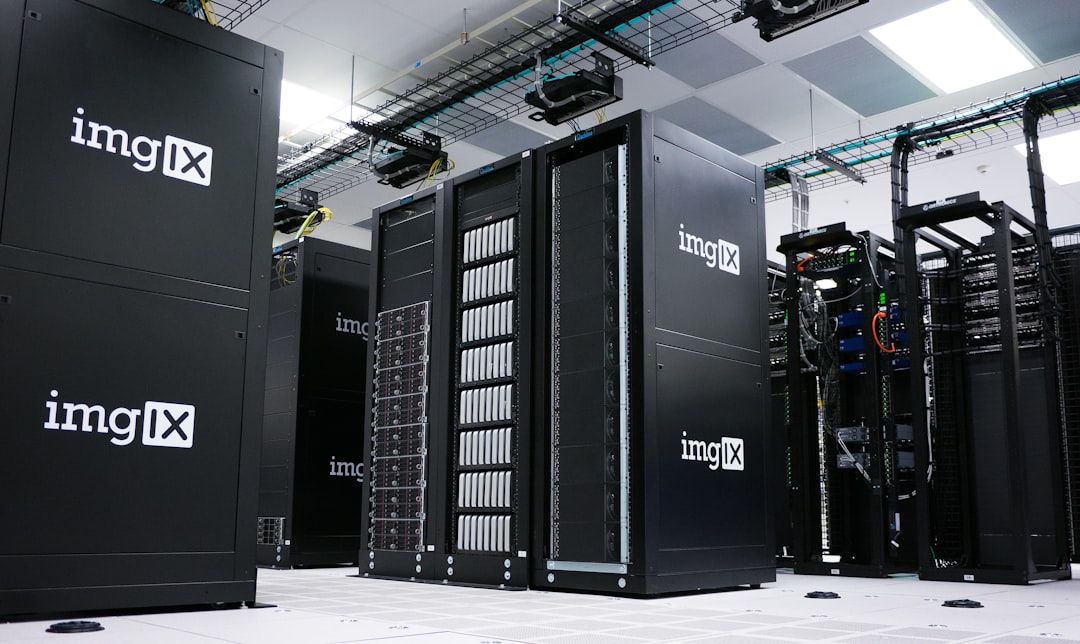
At its core, blockchain technology, the distributed ledger system underpinning most cryptocurrencies, relies on a method to verify and add new transactions to the chain. For PoW, this method is “mining.” Imagine a global competition where thousands of powerful computers, known as miners, race to solve incredibly complex mathematical puzzles. The first one to find the solution gets to add the next block of transactions to the blockchain and is rewarded with newly minted cryptocurrency. This process is how the network is secured and transactions are validated. It’s also where the energy consumption skyrockets.
The difficulty of these puzzles constantly adjusts to ensure new blocks are found at a consistent rate, regardless of how many miners are participating. This means as more miners join the network, the puzzles become harder, demanding even more computational power and, consequently, more electricity. It’s a continuous arms race for processing power.
Bitcoin’s energy usage is particularly notable. It alone uses an estimated 150 terawatt-hours of electricity annually, a figure that rivals the total energy consumption of some small countries. To put it in perspective, a single crypto transaction can consume more energy than powering six houses for a day in the U.S. This insatiable demand for power is largely due to the specialized hardware, called Application-Specific Integrated Circuits (ASICs), designed solely to mine cryptocurrencies. These machines are incredibly powerful but also incredibly energy-hungry.
The pursuit of this computational power drives miners to seek out the cheapest electricity available, which historically has often come from fossil fuel sources. You can learn more about the specifics of this energy demand in our comprehensive guide on Crypto Mining Power Consumption. The Cambridge Centre for Alternative Finance (CCAF) provides real-time data on Bitcoin’s annual energy use, consistently highlighting its immense scale.
The Staggering Environmental Impact
The environmental consequences of this energy-intensive process are severe. First and foremost is the carbon footprint. When electricity is generated from fossil fuels, it releases greenhouse gases into the atmosphere, contributing to climate change. With a global annual energy consumption for the cryptocurrency market exceeding 68 TWh—the equivalent of more than 19 coal-fired power plants operating continuously—the impact is undeniable. This number is projected to grow to 100 TWh annually, further exacerbating the problem.
Beyond emissions, there’s the issue of electronic waste (e-waste). The specialized mining hardware used in PoW becomes obsolete quickly as newer, more efficient models are developed. This rapid turnover leads to a significant amount of electronic waste, often containing hazardous materials, posing another environmental challenge.
The sheer scale of demand also puts a strain on local electricity grids. In the United States, electricity use from cryptocurrency mining has been estimated to range from 0.6% to 2.3% of the total, which is equivalent to the electricity consumption of three million to six million homes. This can stress grid infrastructure, especially in areas with limited power supply, and potentially drive up energy costs for local residents and businesses. While some mining operations are now looking to use renewable energy, historically, the reliance on fossil fuels has been a major concern, particularly in regions like China, where 60% of Bitcoin mining energy was once derived from coal.
The Solution: Clean Energy-Powered Crypto Mining
The good news is that the crypto world isn’t standing still. We, at FDE Hydro, firmly believe that the industry can—and must—transition towards more sustainable practices. The solution lies in using clean energy and innovating the very infrastructure that supports digital assets.
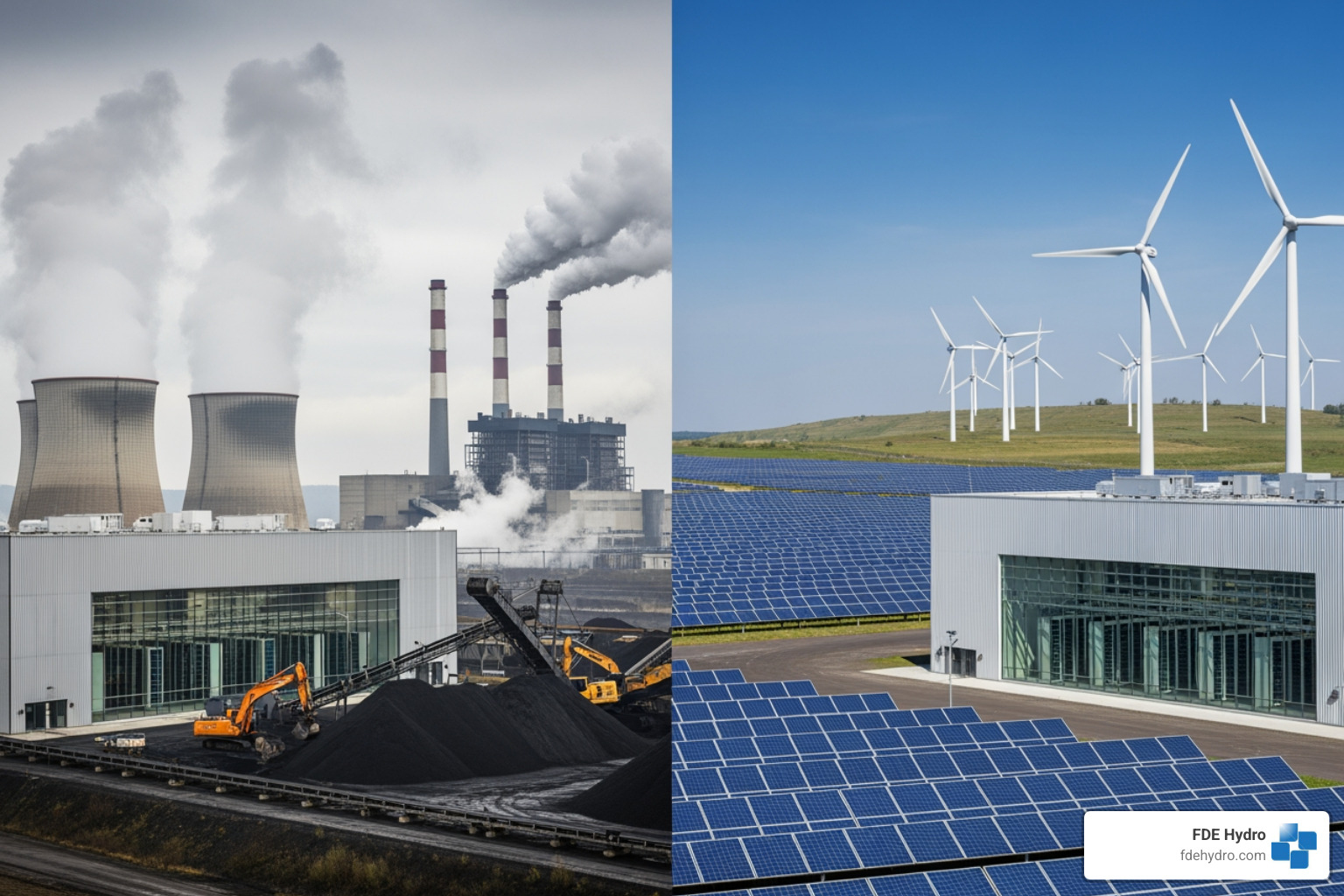
The Role of Renewable Energy in Crypto
The shift to renewable energy sources like hydropower, wind, and solar is paramount for creating truly energy efficient crypto. These sources offer a pathway to drastically reduce the carbon footprint associated with mining and transaction validation. Imagine mining operations powered by the consistent flow of rivers, the steady gust of wind across plains, or the abundant warmth of the sun. This isn’t a pipe dream; it’s a growing reality.
At FDE Hydro, we’re at the forefront of this transition. Our innovative modular precast concrete technology allows for the rapid and cost-effective construction and retrofitting of hydroelectric dams and water control systems across North America, Brazil, and Europe. This means we can provide reliable, clean energy directly to industries that need it, including sustainable digital infrastructure. Hydropower, in particular, offers a stable and predictable energy supply, making it an ideal partner for energy-intensive operations.
By powering digital assets with renewables, we not only minimize environmental harm but also support the growth of a more resilient and decentralized energy grid. This approach is central to building robust Clean Energy Infrastructure for the future. We invite you to Learn how hydropower can power the next generation of digital infrastructure and see how we’re making a difference.
Innovations in Energy-Efficient Crypto Mining
Beyond simply changing the energy source, innovations in hardware and management are also making crypto mining more efficient. We’re seeing the development of more energy-saving mining hardware that can perform computations with less power. This means more hashes per watt, reducing the overall energy demand for securing networks.
Furthermore, AI-driven energy management is playing a transformative role. Artificial intelligence can optimize mining operations in real-time, predicting energy prices, adjusting mining intensity based on grid availability, and even leveraging periods of excess renewable energy generation. This smart management ensures that resources are used as efficiently as possible, turning what was once a rigid, energy-hungry process into a flexible and responsive one. Our work in AI Energy Management focuses on integrating these cutting-edge solutions to improve the sustainability of digital infrastructure.
By combining FDE Hydro’s clean energy solutions with these technological advancements, we’re building a future where digital currencies contribute to a greener planet, rather than detracting from it.
A Closer Look at Energy Efficient Crypto Approaches
As we explore the path to more sustainable cryptocurrency, it’s clear that a multi-faceted approach is needed. It’s not just about one magic bullet, but a combination of strategies that address energy consumption from various angles. Here are the top 5 energy-saving strategies we’re seeing in the crypto space:
- Transitioning to Energy-Efficient Consensus Mechanisms: Moving away from Proof-of-Work (PoW) to methods like Proof-of-Stake (PoS), Proof-of-Space and Time (PoST), or Proof-of-History (PoH) dramatically reduces computational demands. Ethereum’s successful “Merge” to PoS, which cut its energy usage by over 99%, is a prime example of this strategy in action.
- Utilizing Clean Energy-Powered Mining: Sourcing electricity for mining from renewable energy like hydropower, solar, and wind directly reduces the carbon footprint, even for PoW operations.
- Deploying Energy-Efficient Mining Hardware: Investing in the latest generation of ASICs and GPUs that offer higher hash rates per watt significantly lowers power consumption for the same output.
- Implementing AI and Smart Grid Integration: Using AI to optimize mining operations, respond to grid demand, and efficiently consume intermittent renewable energy.
- Engaging in Carbon Offsetting and Credits: Actively purchasing carbon credits or contributing to environmental projects to neutralize unavoidable emissions.
Clean Energy-Powered Mining
This is where we, at FDE Hydro, truly shine. Powering mining operations with renewables like hydropower, solar, and wind drastically reduces their carbon footprint. Instead of contributing to greenhouse gas emissions, these operations can become part of the solution. For instance, imagine a data center in Canada or New York using our modular hydropower solutions to generate its own clean electricity. This not only makes the mining operation sustainable but also contributes to the local grid’s stability. Our clean energy solutions for digital infrastructure are designed to make this a reality, leveraging abundant natural resources in regions like Brazil and the Pacific Northwest of the United States.
Energy-Efficient Mining Hardware
The continuous evolution of mining hardware is another critical component. Modern, efficient ASICs and GPUs are engineered to perform more computations with less power. This translates to a lower power consumption per hash, reducing the overall energy demand of the network. Furthermore, the focus on efficiency can also reduce e-waste over time, as hardware becomes less quickly obsolete if its core efficiency remains competitive.
AI and Smart Grid Integration
Artificial intelligence is not just for predicting market trends; it’s also a powerful tool for optimizing energy use in crypto mining. AI can manage mining rigs to operate more efficiently, adjusting their activity based on real-time energy prices and grid demand. This capability allows mining operations to act as “flexible loads,” consuming power when there’s an abundance of renewable energy (e.g., a windy day for wind farms) and reducing consumption during peak demand periods. This not only makes the mining process more sustainable but also helps stabilize local electricity grids in regions like California or Kansas. Our AI Energy Management solutions are designed precisely for this purpose.
Carbon Offsetting and Carbon Credits
For emissions that cannot yet be eliminated, carbon offsetting and carbon credits provide a mechanism to mitigate environmental impact. Miners can invest in projects that remove carbon from the atmosphere or prevent future emissions. For example, the Solana Foundation has been actively purchasing blockchain-based carbon offsets, supporting initiatives like tree planting. They are even experimenting with biodiversity credits to preserve ecologically sensitive land. While not a substitute for reducing emissions directly, offsets can play a role in a comprehensive sustainability strategy.
Community and Grid Support
Responsible crypto mining, especially when powered by renewables, can offer significant benefits to local communities and electricity grids. Mining operations can provide a consistent demand for renewable energy, making new renewable projects more financially viable. They can also act as a flexible load, helping grid operators balance supply and demand, which is crucial for integrating intermittent renewable sources like solar and wind. In times of grid stress, like a heatwave in Texas, Bitcoin miners have demonstrated the ability to reduce their power consumption, supporting grid stability. This shows how miners, when strategically located and managed, can become valuable partners in energy infrastructure development. We believe in Sustainable Infrastructure Development that benefits everyone.
[TABLE] Comparing Energy Consumption Per Transaction
Let’s look at how various cryptocurrencies stack up in terms of energy efficiency, measured in Kilowatt-hours (KWh) per transaction. This table highlights the stark difference between traditional PoW giants and their more energy efficient crypto counterparts.
| Cryptocurrency |
KWh consumed per transaction |
| Bitcoin (BTC) |
707 |
| Ethereum (ETH) (PoW era) |
62.56 |
| Litecoin |
18.522 |
| Bitcoin Cash |
18.957 |
| Dogecoin |
0.12 |
| Cardano |
0.5479 |
| Chia |
0.023 |
| XRP |
0.0079 |
| IOTA |
0.00011 |
| Solana |
~0.000000719 (719 kilojoules) |
Note: Ethereum’s energy consumption per transaction has drastically reduced since its transition to Proof-of-Stake, now comparable to or even less than some of the most efficient cryptos.
As you can see, the difference is astronomical. While a single Bitcoin transaction consumes enough energy to power a home for nearly a month, an IOTA transaction barely sips energy. Even a Solana transaction uses less energy than a single Google search. This data clearly illustrates the potential for energy efficient crypto to revolutionize digital finance without compromising our planet.
The Future of Green Crypto: Benefits, Risks, and Innovations
The journey toward truly energy efficient crypto is dynamic, filled with exciting benefits, inherent risks, and continuous innovation. As we look ahead, we see a future where digital assets are not just powerful financial tools but also forces for environmental good.
Benefits and Market Adoption
The benefits of adopting green cryptocurrencies are manifold, extending beyond just environmental sustainability.
- Environmental Sustainability: This is the most obvious win. By reducing energy consumption and carbon emissions, green crypto aligns with global climate goals, making digital finance a responsible participant in our shared future.
- Lower Transaction Fees and Improved Scalability: Many energy-efficient consensus mechanisms, particularly Proof-of-Stake variants, are inherently more scalable and can process transactions faster and with lower fees than PoW systems. This makes them more practical for everyday use.
- Attracting ESG Investors: As environmental, social, and governance (ESG) factors become increasingly important in investment decisions, green cryptocurrencies are ready to attract a new wave of conscientious investors. Academic research shows that investors evaluate the electricity consumption impact on markets, with a credible commitment to sustainable practices, like Ethereum’s transition to PoS, potentially reducing volatility and increasing adoption. Our AI Energy Management solutions can further improve the appeal to ESG-focused capital. The academic paper “Sustainable energy practices and cryptocurrency market behavior” highlights how such practices can influence market dynamics, with Bitcoin’s returns responding significantly to energy consumption changes, while Ethereum’s response is negligible post-PoS.
Risks and Challenges to Overcome
However, the path to a green crypto future isn’t without its problems.
- Security Vulnerabilities of Newer Mechanisms: While PoS and other alternative consensus mechanisms are generally considered secure, some critics argue they may not have the same battle-tested resilience as Bitcoin’s PoW, leading to potential, albeit rare, security concerns.
- Potential for Centralization: A common criticism of PoS is that it might lead to centralization, where a few large token holders could exert undue influence over the network. This goes against the decentralized ethos of cryptocurrency.
- Regulatory Uncertainty: The regulatory landscape for cryptocurrencies is still evolving. Policy uncertainty, particularly regarding energy consumption and environmental impact, can influence market behavior. Europe’s Markets in Crypto Assets (MiCA) regulation, for example, is pushing for greater transparency in energy reporting.
- Media Influence on Market Perception: Media attention can significantly impact how cryptocurrencies are perceived, sometimes overshadowing fundamental developments. Negative narratives around energy consumption can affect market sentiment, regardless of actual efficiency improvements.
The Future of Energy Efficient Crypto
The future of energy efficient crypto is bright and full of innovation. We anticipate several key trends:
- Continued Innovations in Blockchain: New consensus mechanisms and layer-2 solutions will continue to emerge, pushing the boundaries of efficiency and scalability. Projects exploring quantum blockchain miners, for instance, could offer massive energy savings, potentially reducing annual consumption by 126.7 TWh.
- Deeper Integration with Renewable Energy: We foresee more mining operations, particularly in North America, Brazil, and Europe, strategically locating near abundant renewable energy sources. FDE Hydro is actively working to build the Clean Energy Infrastructure needed to support this integration, making hydropower a cornerstone for sustainable digital assets.
- Role in Carbon Credit Markets: Blockchain technology itself can improve the transparency and efficiency of carbon credit markets, helping to track and verify environmental initiatives.
- Policy Developments: Regulations like MiCA will likely drive greater accountability and transparency regarding the environmental impact of cryptocurrencies, further incentivizing the adoption of energy-efficient practices.
The industry is moving towards a model where sustainability is not an afterthought, but a core design principle.
Conclusion: Building a Sustainable Digital Future
The debate between Proof-of-Work and its greener alternatives has highlighted a critical juncture for the cryptocurrency industry. While PoW has proven robust in securing networks, its environmental footprint is unsustainable in the long run. The emergence and adoption of energy efficient crypto solutions, particularly those leveraging Proof-of-Stake and powered by renewable energy, offer a compelling path forward.
Choosing sustainable options isn’t just an ethical decision; it’s increasingly a smart economic one. These greener cryptocurrencies promise lower operational costs, improved scalability, and greater appeal to a growing segment of environmentally conscious investors.
The role of renewable energy in powering the future of finance cannot be overstated. At FDE Hydro, we are committed to this vision. Our innovative modular hydropower technology provides a scalable, cost-effective way to build Sustainable Energy Production for digital infrastructure. By using the power of water, we are contributing to robust Clean Energy Infrastructure that supports the evolution of energy efficient crypto mining operations across our regions of operation in the United States, Canada, Brazil, and Europe.
We believe that a truly decentralized and inclusive financial system must also be environmentally responsible. Join us in building a sustainable digital future. Learn how hydropower can power the next generation of digital infrastructure and be part of the solution.
by Adaptify Support | Jan 8, 2026 | Energy Resource Articles
Why Green Energy Construction is Critical for Our Future
Green energy construction is the foundation of our clean energy transition. It encompasses the design, planning, and building of infrastructure that generates power from renewable sources—solar, wind, hydropower, and biomass. If you’re searching for green energy construction services, you need partners who can deliver:
- Solar installations (utility-scale farms and rooftop systems)
- Wind energy projects (onshore and offshore turbine construction)
- Hydropower facilities (dams, run-of-river systems, and pumped storage)
- Biomass and geothermal plants (sustainable heating and power generation)
The urgency couldn’t be clearer. Buildings alone account for 18% of Canada’s greenhouse gas emissions, with construction materials adding another 28 million tonnes annually. Traditional construction methods—relying on fossil fuels and carbon-intensive materials—are incompatible with our climate goals.
Yet this challenge represents an unprecedented economic opportunity. Canada’s green buildings industry already employs 460,000 workers, with projections showing growth to 2 million job years by 2050. The construction sector is changing from a major emissions contributor into a driver of sustainable prosperity.
The transition isn’t just about replacing energy sources. It’s about reimagining how we build—from modular construction techniques that reduce waste and timelines, to innovative materials that slash embodied carbon, to smart systems that optimize energy use throughout a building’s lifecycle.
For project managers and infrastructure leaders, the stakes are high. Conventional construction approaches bring escalating costs, extended timelines, and mounting financial risk. The solution lies in proven, innovative construction methodologies that deliver renewable energy projects faster, more affordably, and with greater certainty.
I’m Bill French Sr., Founder and CEO of FDE Hydro™, where we’ve spent decades advancing green energy construction through patented modular solutions for hydropower and water infrastructure. My experience leading major civil construction projects—from airport taxiways to innovative bridge systems—has shown me that the path forward requires both proven expertise and bold innovation.
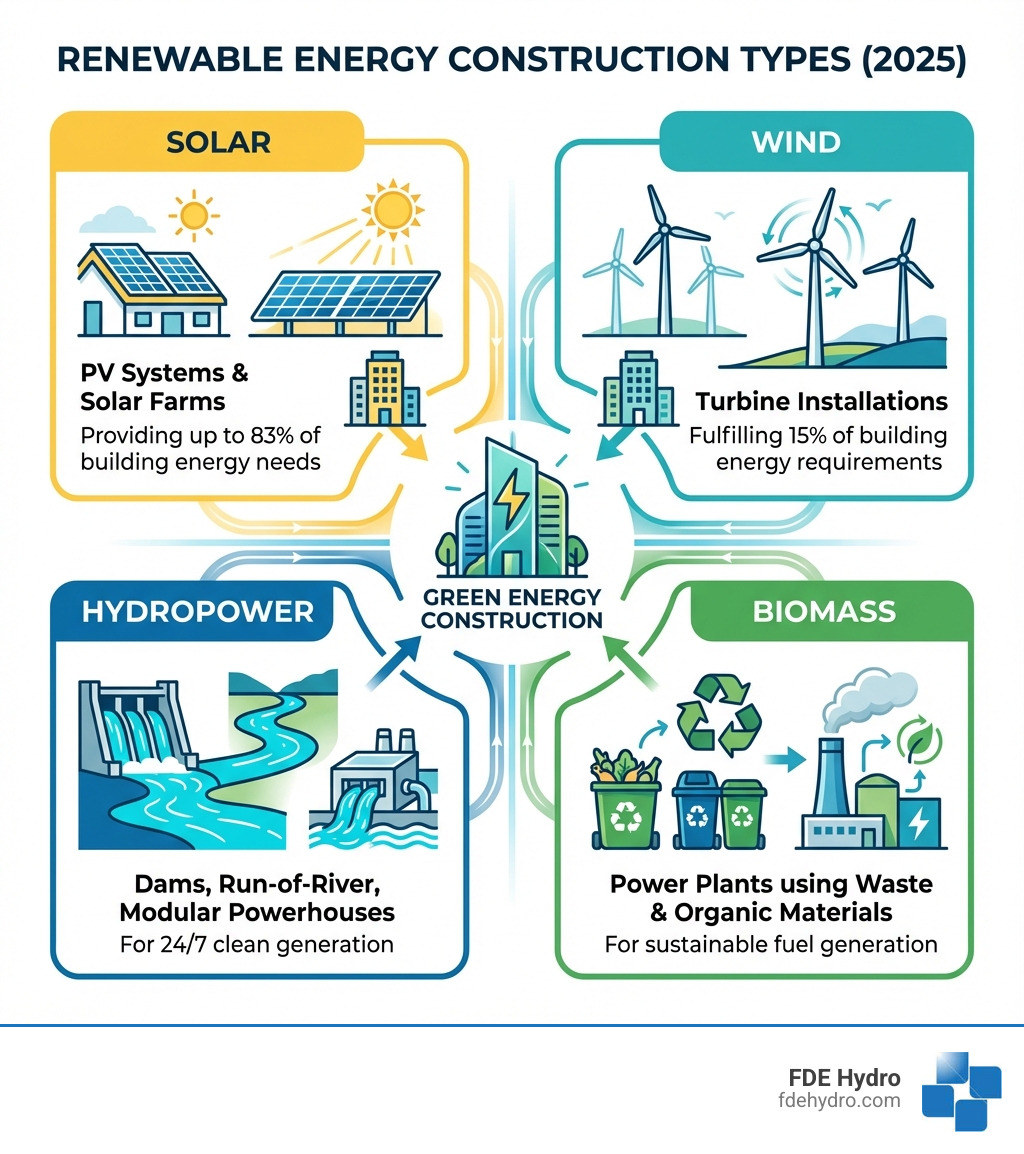
Green energy construction vocab explained:
The Spectrum of Renewable Energy Construction Projects
When we talk about green energy construction, we’re discussing a diverse landscape of projects, each with unique requirements and benefits. Our expertise spans various renewable energy types, focusing on sustainable and efficient development.
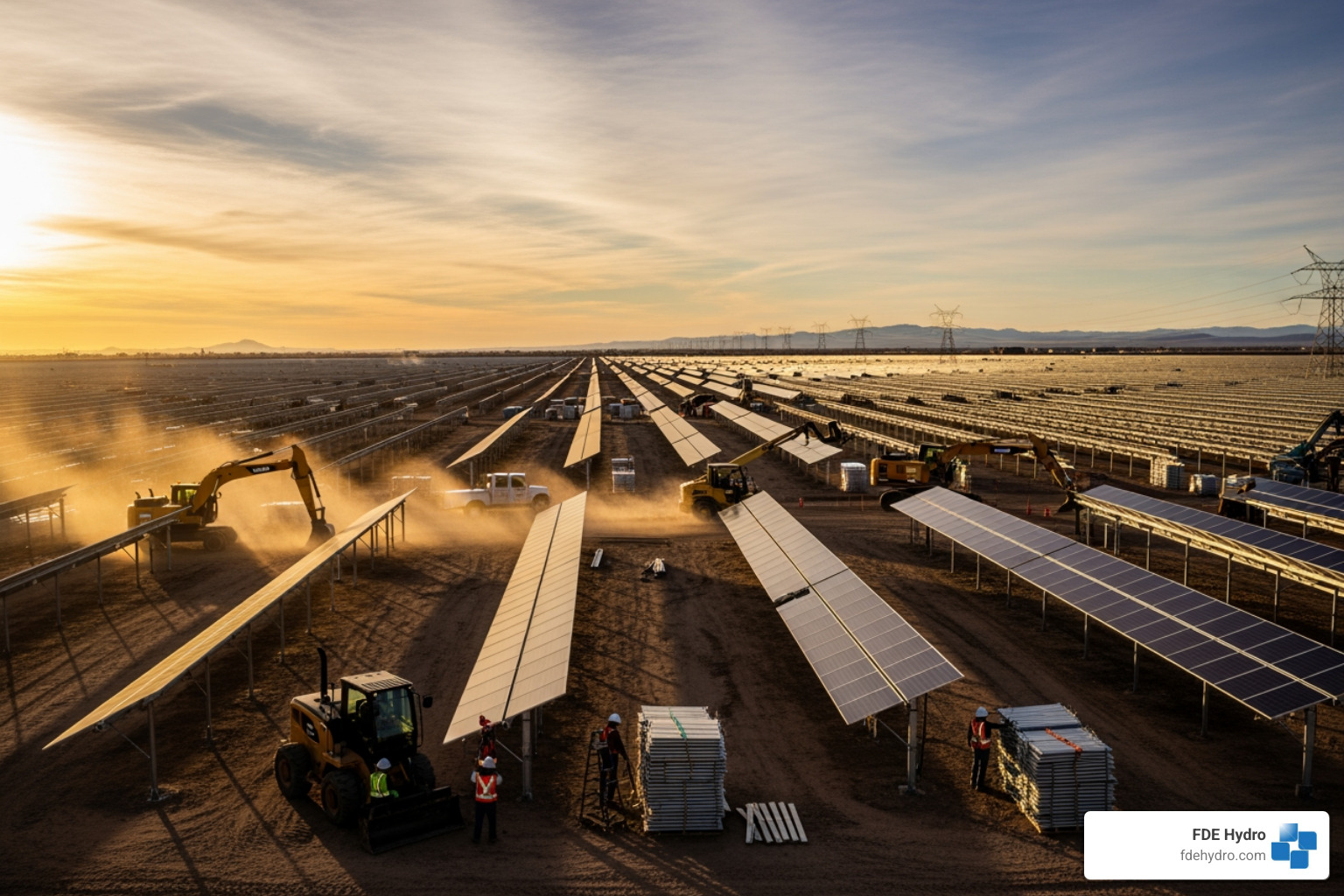
Solar Power Construction
Solar energy is a leading force in the clean energy transition, and its construction varies significantly depending on scale.
- Utility-scale solar farms involve vast arrays of photovoltaic (PV) panels spread across large areas, often requiring extensive civil planning, site preparation, and grid interconnection. These projects are designed to feed electricity directly into the power grid, serving thousands of homes and businesses.
- Rooftop solar installations are smaller, localized systems typically mounted on residential, commercial, or agricultural buildings. These systems offer immediate energy cost savings and can contribute to a building’s energy independence.
The integration of solar energy into buildings can significantly lift their renewable contribution, with some studies showing solar energy can fulfill up to 83% of a building’s energy requirements. For businesses and homeowners, these systems not only reduce operational costs but also lock in electricity rates, providing predictability in energy budgeting. Our team, along with partners like Green Energy Construction & Consulting (GECC), has over 15 years of expertise in solar energy solutions, having installed over 100 MW of solar systems. We understand the intricacies of these projects, from design to commissioning. To learn more about how these projects fit into the broader energy landscape, explore our insights on Clean Energy Infrastructure.
Wind Energy Construction
Wind energy harnesses the kinetic power of wind to generate electricity, making it another cornerstone of green energy construction.
- Onshore wind farms consist of multiple wind turbines erected on land, typically in areas with consistent high winds. These projects involve complex logistics for transporting massive turbine components and constructing robust foundations.
- Offshore wind turbines are built in coastal waters, where winds are often stronger and more consistent. While more challenging to construct, they offer significant power generation potential and less visual impact on populated areas.
Constructing wind energy projects demands meticulous logistical planning, resource distribution, and specialized mechanical and electrical expertise. Companies with deep experience in this field have completed thousands of wind turbine installations. For instance, some leading construction firms have more than 1,000 wind turbine installations under their belt. Integrating wind energy into buildings can fulfill about 15% of a building’s energy requirements. The scale of these projects requires robust construction capabilities and an unwavering commitment to safety and efficiency. Find more about how these projects contribute to a sustainable future by visiting our page on Sustainable Power Generation.
Hydropower Construction
As FDE Hydro’s core expertise, hydropower represents a reliable and continuous source of renewable energy. Our innovative approach to green energy construction in this sector sets us apart.
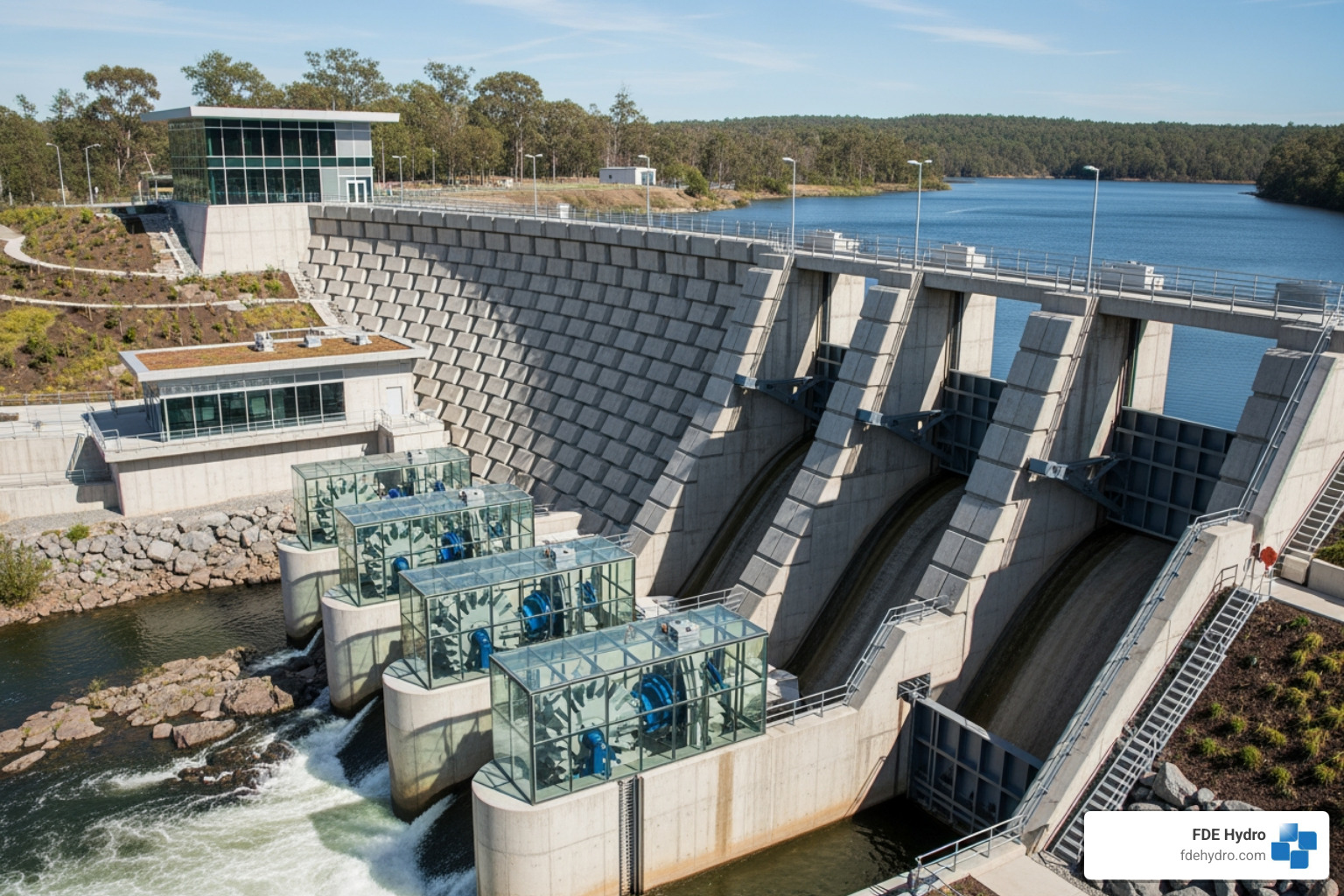
- Hydroelectric dams are large-scale projects that create reservoirs to control water flow and generate electricity. This involves significant civil engineering, often in challenging terrains.
- Run-of-river projects divert a portion of a river’s flow through a powerhouse and return it downstream, minimizing environmental impact compared to large dams.
- Pumped storage hydropower facilities store energy by pumping water uphill to a reservoir when electricity is cheap and releasing it to generate power when demand is high, acting as a giant battery for the grid.
Our patented modular precast concrete technology, often referred to as the “French Dam,” revolutionizes hydropower construction. This approach significantly reduces construction costs and time for building and retrofitting hydroelectric dams and water control systems across North America, Brazil, and Europe. This innovation allows for rapid installment of module precast civil infrastructure, akin to the efficiency seen in rapid bridge replacement systems.
We specialize in enhancing Modular Construction Techniques to deliver projects that are not only more efficient but also more resilient. Our work extends to dam rehabilitation, ensuring existing infrastructure can continue to serve its purpose sustainably. We focus on upgrading dams, spillways, and gates, and maintaining powerhouses and turbines. Explore our commitment to advancing Hydropower Innovation and how we’re building the future of water control structures.
Biomass and Geothermal Construction
Beyond solar, wind, and hydro, biomass and geothermal also play crucial roles in diversified green energy construction.
- Biomass power plants generate electricity or heat by burning organic materials like municipal solid waste, agricultural residues, or wood byproducts from timber operations. This sustainable fuel generation helps manage waste while producing energy. The production, transport, and demolition of construction materials used in public infrastructure account for approximately 8 million tonnes of greenhouse gas emissions annually. Utilizing biomass can help offset this.
- Geothermal heating systems tap into the Earth’s internal heat to provide heating and cooling for buildings. These systems are highly efficient and offer a constant, non-intermittent energy source, independent of climate or time of day. They operate quietly, enhancing building comfort and health.
The construction of these facilities involves specialized process equipment installation and careful consideration of resource availability and environmental impact. For biomass, this includes managing the supply chain for organic fuels, and for geothermal, it involves drilling and installing ground-source heat pumps.
Why Invest in Green Energy Construction? A Multifaceted Approach
Investing in green energy construction isn’t just an environmental choice; it’s a strategic decision with profound economic, environmental, and security benefits for businesses, homeowners, and entire nations.
Economic and Financial Advantages
The economic ripple effects of green energy construction are substantial.
- Job Creation: The sector is a powerful engine for employment. Canada’s green buildings industry already employs about 460,000 workers. The green retrofit sector alone can expect to see job growth of 777,000 to 2 million direct job years between now and 2050. This means hundreds of thousands of new jobs in engineering, manufacturing, installation, and maintenance across our target regions of North America, Brazil, and Europe.
- Long-term Savings: For businesses and homeowners, transitioning to green energy means taking control of escalating energy costs. The average annual increase of electricity pricing has been between 3-4% over the last 20 years, with recent spikes as much as 10%. Investing in renewable energy systems, such as solar, offers a hedge against this volatility, leading to predictable and often lower utility bills over the system’s lifespan.
- Increased Property Value: Homes with solar panels sell for 4.1% more, which translates to a significant additional value for homeowners. This makes green energy installations not just an operational saving but also a tangible asset.
- Financial Incentives: Governments actively promote green energy adoption through various programs. In the U.S., businesses can benefit from Federal Investment Tax Credits for Businesses and Accelerated Depreciation. Residential installations also qualify for Federal Investment Tax Credits for Residential, and agricultural operations can leverage Federal REAP Grants. These incentives significantly offset initial investment costs, making green energy more accessible and appealing.
These financial benefits underscore the growing importance of Sustainable Energy Production in our economies.
Environmental Superiority
The environmental advantages of choosing green energy construction over traditional methods are profound and urgent.
- Greenhouse Gas Reduction: Buildings are a major contributor to climate change. In Canada, buildings account for 18% of the country’s emissions, including electricity-related emissions. Over 96% of direct operational building emissions come from space and water heating, largely from fossil fuels. Furthermore, the production, transport, and demolition of construction materials for private construction generate approximately 28 million tonnes of greenhouse gas emissions annually. Green energy construction directly counters this by utilizing renewable sources that produce zero or minimal operational emissions.
- Reduced Air Pollution: The burning of fossil fuels for energy is a significant source of air pollution, contributing to millions of deaths globally each year. By shifting to clean energy, we drastically reduce the release of harmful pollutants, leading to healthier communities and ecosystems.
- Water Resource Preservation: Many traditional energy production methods are water-intensive. Green energy solutions, particularly well-designed hydropower and solar, can often minimize water usage or integrate water management practices that preserve this vital resource.
- Addressing Embodied Carbon vs. Operational Carbon: It’s crucial to consider both “operational carbon” (emissions from heating, cooling, and electricity during a building’s use) and “embodied carbon” (emissions generated during the manufacture, transport, and construction of building materials, along with end-of-life emissions). Green energy construction aims to reduce both. Our work with modular precast concrete, for example, can contribute to lower embodied carbon by optimizing material use and reducing waste.
Our commitment to Sustainable Infrastructure Development is driven by these critical environmental imperatives.
Bolstering Energy Independence and Security
Investing in green energy construction is a powerful step towards greater energy independence and security for nations and communities.
- Resilient Grid: Decentralized renewable energy sources, like solar arrays and small hydropower plants, can make the grid more resilient to disruptions. If one part of the system goes down, others can continue to operate. Hydropower, in particular, is a guardian of the grid, offering flexibility and rapid response to demand fluctuations.
- Reduced Fossil Fuel Reliance: By using abundant domestic renewable resources, countries can lessen their dependence on volatile global fossil fuel markets, protecting economies from price shocks and supply chain disruptions. This shift also improves national security by reducing reliance on foreign energy sources.
- Stable Energy Costs: Once constructed, renewable energy projects have minimal ongoing fuel costs, unlike fossil fuel plants that are subject to fluctuating commodity prices. This leads to more stable and predictable energy costs for consumers and industries.
We believe that a diversified portfolio of renewable energy sources, including the robust and reliable power of hydro, is essential for a secure energy future. Learn more about why hydropower is a cornerstone of energy stability in our article, 4 Reasons Why Hydropower is the Guardian of the Grid.
Navigating the Landscape: Innovations, Challenges, and Policy
The landscape of green energy construction is dynamic, shaped by continuous innovation, persistent challenges, and evolving government policies. Understanding these elements is key to successful project development.
The Role of Innovation in Construction Practices
Innovation is at the heart of advancing green energy construction, allowing us to build more efficiently, sustainably, and affordably.
- Modular Precast Technology: Our patented modular precast concrete technology, “French Dam,” is a prime example of how innovation transforms construction. By manufacturing dam components off-site in controlled environments, we significantly reduce on-site construction time, labor costs, and environmental impact. This approach boosts quality control and accelerates project delivery, critical for the rapid deployment of hydropower infrastructure in North America, Brazil, and Europe.
- Advanced Materials: The industry is increasingly adopting low-carbon construction materials, such as low-carbon concrete and sustainable wood products. These materials reduce the “embodied carbon” of buildings—the greenhouse gas emissions associated with their production, transport, and assembly. Canada, for instance, is uniquely positioned to supply the world with such materials.
- Energy Storage Systems: As renewable energy sources like solar and wind are intermittent, advanced energy storage systems (e.g., large-scale batteries, pumped hydro storage) are crucial for ensuring a stable and reliable power supply. The integration of these systems into construction projects is becoming standard practice.
- Smart Grids: Innovations in digital technology are leading to the development of smart grids, which use AI-Driven Development and AI Energy Management to optimize energy distribution, manage demand, and integrate diverse renewable sources seamlessly. This includes utilizing machine learning models to predict energy consumption with high accuracy and optimizing renewable energy system design and performance.
These technological advancements are not just theoretical; they are actively impacting construction practices, making projects faster, smarter, and more sustainable.
Overcoming Challenges in Green Energy Construction
While the opportunities in green energy construction are vast, we also face significant challenges that require strategic solutions.
- High Initial Costs: Renewable energy projects often have higher upfront capital costs compared to traditional fossil fuel projects. This can be a barrier for some investors and developers. However, long-term operational savings and government incentives often make these investments highly attractive over the project’s lifespan.
- Skilled Labor Demand: The rapid growth of the green energy sector creates a substantial demand for a skilled workforce. For example, RBC estimates that by 2030, Canada will need 45% more HVAC tradespeople and 55% more electricians to meet the demands of green building and electrification. This necessitates robust workforce development programs. The U.S. Department of Energy (DOE) is actively Supporting a Green Buildings Workforce to address this gap, focusing on training and career pathways.
- Intermittency Solutions: Solar and wind power are intermittent, meaning their output fluctuates with weather conditions. Overcoming this requires advanced energy storage solutions, hybrid renewable energy systems, and intelligent grid management to ensure a consistent power supply.
- Grid Integration: Connecting new, often decentralized, renewable energy projects to existing grid infrastructure can be complex, involving technical challenges and regulatory problems. Effective project management is crucial to steer these complexities, ensuring smooth interconnection and reliable operation.
- Retrofit Pace: For existing buildings, the pace of retrofits is a major concern. Historical data shows it could take 140 years to retrofit all residential buildings and 70 years for all commercial floor area at the current rate. This highlights the need for accelerated, efficient retrofit strategies.
We are committed to developing innovative solutions that help overcome these challenges, ensuring that green energy construction projects are not only technically feasible but also economically viable and seamlessly integrated into our communities.
Government Policies and Incentives as Catalysts
Government policies and incentives play a pivotal role in accelerating the growth and adoption of green energy construction. These frameworks create a supportive environment for investment and innovation.
- Investment Tax Credits (ITC): In the U.S., the Investment Tax Credit (ITC) offers significant financial incentives for solar and other renewable energy projects, reducing the upfront cost for developers and homeowners. Businesses can learn more about Federal Investment Tax Credits for Businesses.
- Carbon Pricing and Standards: Implementing carbon pricing mechanisms and renewable portfolio standards (RPS) creates market demand for clean energy. These policies incentivize developers to choose renewable sources and encourage utilities to incorporate more green energy into their portfolios.
- Comprehensive Strategies: Countries like Canada have launched ambitious initiatives like the Canada Green Buildings Strategy. This strategy aims to accelerate retrofits, build green and affordable from the start, and shape the buildings sector of the future. It includes programs like the Canada Greener Homes Grant, the Deep Retrofit Accelerator Initiative, and the Green and Inclusive Community Buildings Program, all designed to support the transition to net-zero and resilient buildings.
- “Buy Clean” Policies: Governments are increasingly implementing “Buy Clean” policies, leveraging procurement power to promote the use of low or net-zero-carbon construction materials. This stimulates demand for sustainable products and supports domestic manufacturing.
These policies, coupled with significant investments, are crucial for driving the necessary change in the construction sector. They provide the financial impetus and regulatory clarity needed for green energy construction to thrive.
Frequently Asked Questions about Green Energy Construction
We often encounter common questions about green energy construction. Here are some clear answers to help you steer this exciting field.
What are the primary types of renewable energy construction?
The main types of renewable energy construction we engage in, and that are changing the energy landscape, include:
- Solar Energy Construction: This involves building utility-scale solar farms, installing rooftop solar panels on residential, commercial, and agricultural properties, and integrating photovoltaic (PV) systems into building designs.
- Wind Energy Construction: This encompasses the development of onshore and offshore wind farms, including the complex process of turbine installation and the necessary logistical planning.
- Hydropower Construction: Our specialty, this includes the construction and modernization of hydroelectric dams, run-of-river projects, and pumped storage facilities, along with essential water control structures. We also focus on dam rehabilitation and retrofitting.
- Biomass and Geothermal Construction: This involves building biomass power plants that use organic waste for energy generation, and installing geothermal heating and cooling systems that tap into the Earth’s natural heat.
How does renewable energy construction contribute to economic growth?
Renewable energy construction is a powerful driver of economic growth in several ways:
- Job Creation: It generates hundreds of thousands of jobs across various sectors, including manufacturing, engineering, project management, and on-site construction. In Canada alone, the green buildings industry already employs about 460,000 workers, with projections indicating potential growth to 2 million direct job years by 2050.
- Long-term Savings: For businesses and homeowners, investing in renewable energy leads to significant long-term savings on energy bills, freeing up capital for other investments or expenditures.
- Increased Property Value: Properties with green energy installations, such as solar panels, often see an increase in market value, providing a tangible return on investment.
- Local Investment: Projects often involve local suppliers and services, stimulating regional economies and fostering innovation within the supply chain.
What makes a construction partner good for a green energy project?
Selecting the right partner for a green energy construction project is crucial for its success. A good partner will possess several key qualities:
- Proven Expertise: They should have deep, demonstrated experience in the specific renewable technology relevant to your project (e.g., solar, wind, or, in our case, hydropower). This includes technical knowledge and a track record of successful installations.
- Robust Safety Record: Given the complexity and scale of these projects, an unwavering commitment to safety and a zero-injury culture is paramount.
- Experience with Complex Logistics: Green energy construction often involves transporting oversized components, managing remote sites, and coordinating intricate schedules. A partner with strong logistical planning and resource distribution capabilities is essential.
- Grid Interconnection Expertise: Understanding the technical and regulatory requirements for connecting renewable energy systems to the existing power grid is vital for smooth project commissioning.
- Transparent Project Management: Look for a partner who offers clear communication, transparent reporting, and a collaborative approach from preconstruction through commissioning.
- Innovative Solutions: A partner who accepts innovation, such as our modular precast concrete technology for hydropower, can offer cost-effective, time-saving, and more sustainable construction methods.
At FDE Hydro, we pride ourselves on embodying these qualities, offering expert solutions built on decades of experience and a commitment to advancing the field of green energy construction.
Conclusion: Building a Sustainable Tomorrow
The journey towards a sustainable future is undeniably paved with green energy construction. From the vast solar farms basking under the sun in California to the towering wind turbines capturing gusts across the plains of Kansas, and the resilient hydropower facilities using the flow of rivers in New York and Brazil, we are actively reshaping our energy landscape.
The future outlook for the green energy construction sector is not just optimistic; it’s essential. With global commitments to net-zero emissions by 2050, the demand for renewable energy infrastructure will only accelerate. This transition requires significant investment—the Pembina Institute estimates that decarbonizing Canada’s buildings sector alone will require more than $400 billion over the next 30 years in capital investment.
This isn’t merely about building; it’s about innovating, collaborating, and deploying smart, efficient, and sustainable solutions at an unprecedented scale. The integration of advanced technologies, the development of low-carbon materials, and the cultivation of a skilled workforce are all critical components of this future.
At FDE Hydro, we are proud to be at the forefront of this change, particularly in advancing hydropower through our patented modular solutions. We believe that reliable, clean energy is not a luxury but a fundamental right and a necessity for a thriving planet.
As we look ahead, the importance of expertise, a commitment to innovation, and a collaborative spirit in green energy construction cannot be overstated. We are building not just power plants and infrastructure, but a more resilient, prosperous, and sustainable tomorrow for everyone.
To learn more about our innovative hydropower solutions and how we can partner with you on your next green energy construction project, please Contact us to learn more about our innovative hydropower solutions. We are ready to help you contribute to The Future of Hydropower.
by Bill French Sr. | Dec 29, 2025 | Energy Resource Articles
Why Construction Costs Are Soaring—And What You Can Do About It
Reduce construction costs without sacrificing quality—that’s the challenge facing every project manager today. Here’s how to get started:
- Strategic Planning: Apply value engineering during design to eliminate unnecessary expenses.
- Innovative Methods: Use prefabrication and modular construction to cut labor costs by 20-40%.
- Smart Sourcing: Buy materials in bulk and source locally to reduce transportation expenses.
- Technology Integration: Implement BIM and construction management software to prevent costly errors.
- Waste Reduction: Minimize material waste through careful planning and reuse strategies.
- Risk Management: Establish contingency funds and clear contracts to avoid budget overruns.
The construction industry faces unprecedented pressure from rising material prices and labor shortages. With material and labor costs representing over 90% of project expenses, profitability is squeezed across every sector. Yet, cost overruns aren’t inevitable. The primary obstacle is often mismanagement and lack of supervision, not a lack of tools. Strategic approaches can deliver substantial savings: 20-30% for residential projects, 10-20% for infrastructure, and 25-35% for industrial construction.
This guide provides a comprehensive blueprint for savings across the project lifecycle. You’ll find proven strategies for delivering on-time, on-budget results, even in challenging economic conditions. The key is to understand your costs and implement strategic controls at each phase. Whether for a small residential build or a multi-million dollar infrastructure project, the fundamentals are the same: plan carefully, build efficiently, and manage relentlessly.
I’m Bill French Sr., founder and CEO of FDE Hydro. With five decades in heavy civil construction and hydropower, I’ve pioneered methods to reduce construction costs using innovative modular approaches. My experience leading over $200M in annual projects has taught me that the smartest savings come from working better, not cheaper.
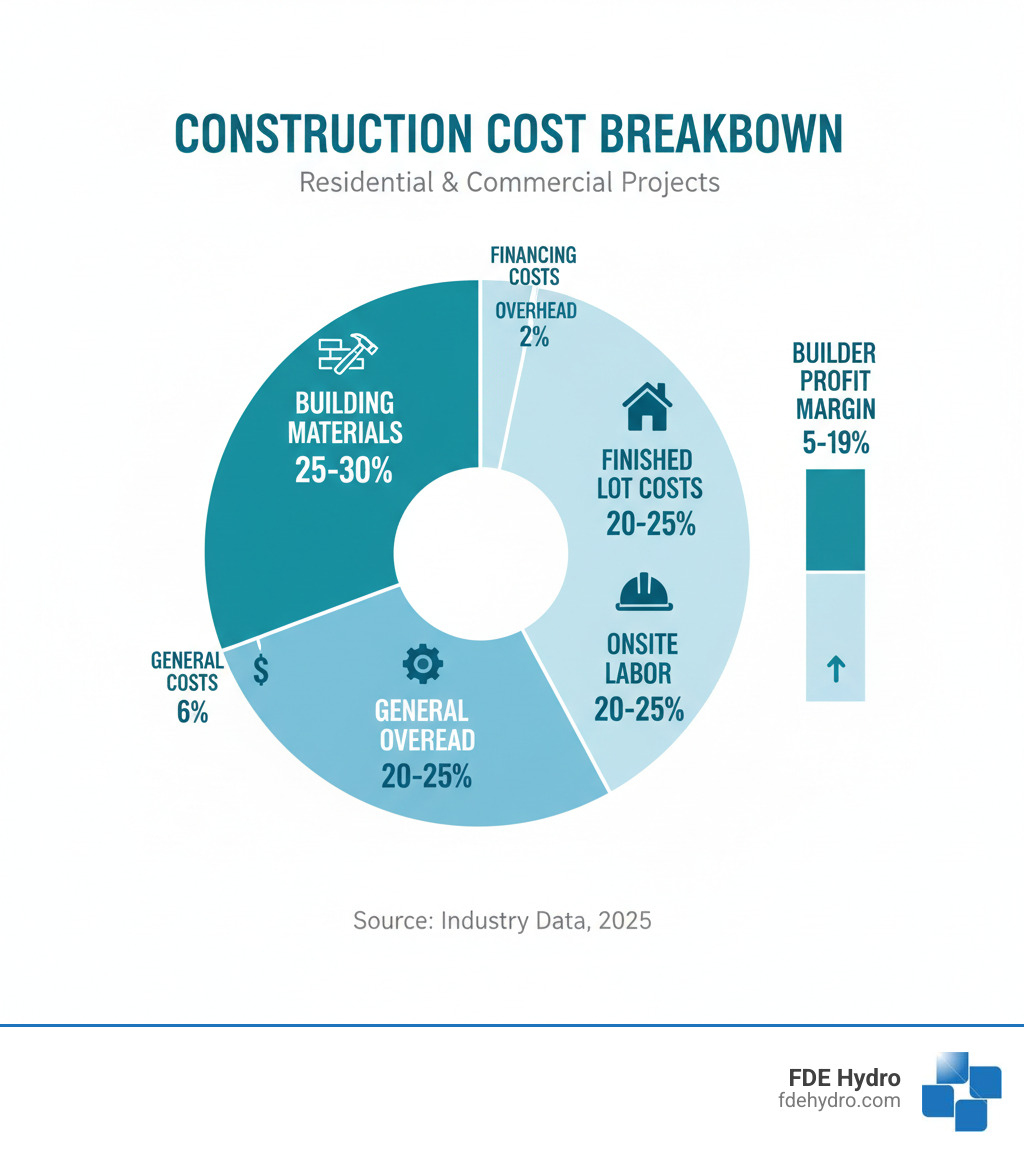
Essential reduce construction costs terms:
Strategic Planning and Design: The Foundation of Cost Savings
The journey to reduce construction costs begins long before the first shovel hits the ground—it starts in the planning and design phase. Smart decisions here have the biggest impact on your bottom line, preventing costly rework later. It’s much cheaper to fix a problem on paper than to rebuild on-site. That’s why we start with a comprehensive cost breakdown structure (CBS)—a detailed outline of every expense. This financial roadmap provides clarity on where to spend and save. We also consider our Means and Methods early, selecting the most efficient construction techniques for the job.
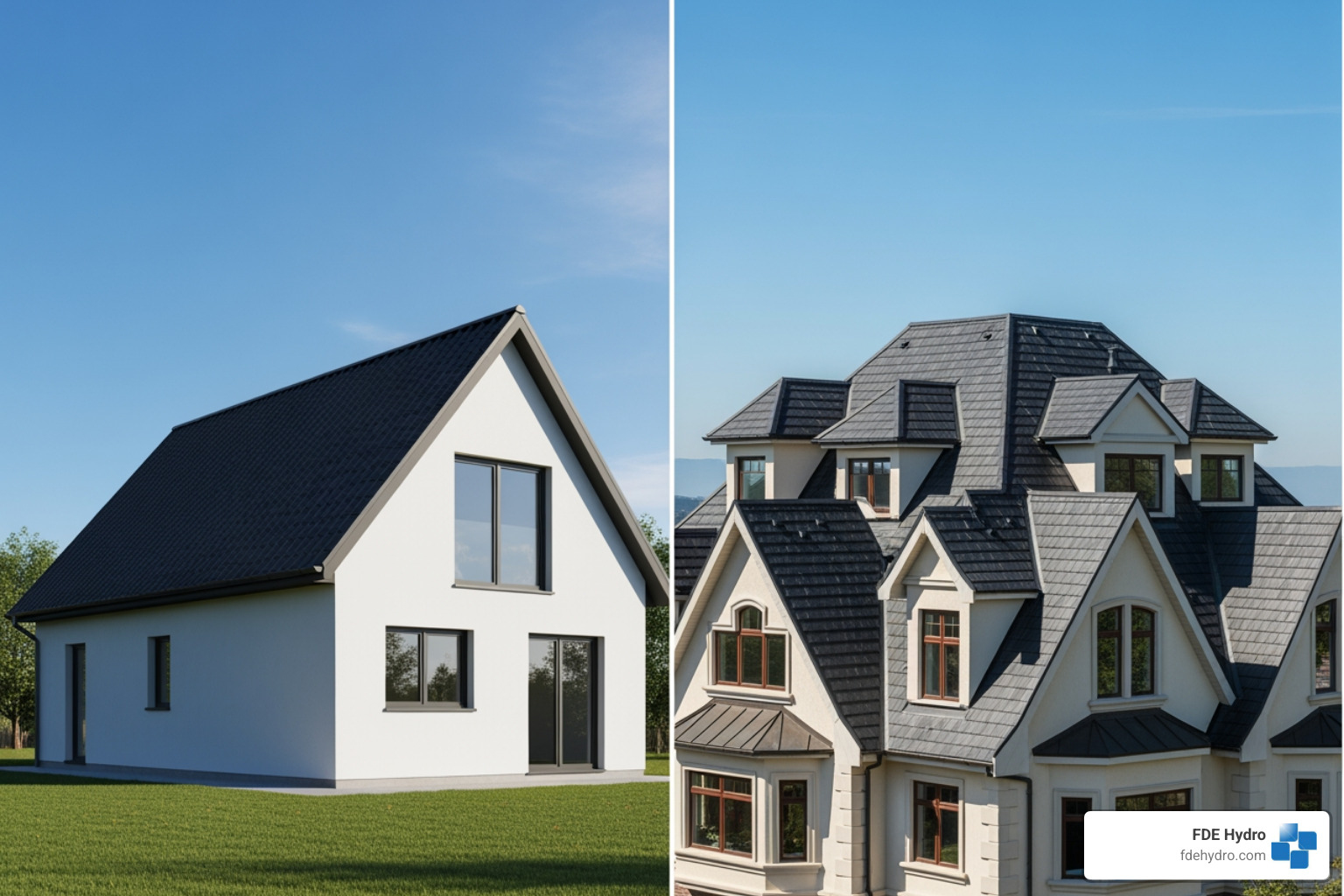
How Value Engineering Helps Reduce Construction Costs
Value engineering isn’t about cutting corners; it’s about maximizing value at minimum cost without compromising quality. The process involves critically analyzing every design element and material. For each component, we ask: “Is this the most efficient way to achieve our goal?”
Life-cycle cost analysis is a key part of this. We look beyond the upfront price to consider long-term expenses like maintenance and energy use. High-performance insulation might cost more initially but saves thousands in energy bills over the building’s lifespan.
Space optimization is another powerful tool. Efficient layouts can reduce overall square footage without sacrificing functionality. Every square foot eliminated saves on materials, labor, and future utility costs. For kitchens and bathrooms—the most expensive rooms per square foot—consider phased upgrades. Install cost-effective fixtures initially and plan to upgrade later. For example, rough in the plumbing for a jetted tub but install a standard one first. The upgrade becomes a simple swap without structural changes.
Smart Design Choices for a Leaner Budget
Early design decisions have ripple effects throughout the project. Here are the choices that make the biggest difference:
- Define wants versus needs: Honestly separate the must-haves from the nice-to-haves to prioritize spending where it truly matters.
- Choose stock vs. custom designs: Modifying an existing stock plan offers personalization while saving substantially on architectural fees compared to a fully custom design.
- Reduce square footage: A smaller footprint is the most direct way to reduce construction costs, as it means less material, labor, and a shorter timeline.
- Build upward, not outward: A two-story design is more cost-effective than a sprawling single-story home of the same size because it minimizes foundation and roof expenses relative to the living area.
- Simplify roof systems: A simple roofline is far more economical than a complex one with multiple gables and valleys, requiring fewer materials and less specialized labor.
- Use open-plan layouts: Reducing interior walls and doors saves on materials and labor while making spaces feel larger and more flexible.
- Select finishes wisely: Using drywall for ceilings costs about half as much as pine paneling. These choices add up quickly.
- Use expensive materials strategically: For specialty homes, use expensive finishes like logs or stone as accents rather than covering entire surfaces. This provides visual interest without the high price tag.
Smart design doesn’t feel like a compromise; it feels like intelligent planning that delivers a beautiful, functional project without unnecessary expense.
Innovative Materials and Methods to Reduce Construction Costs
The materials you choose and the methods you employ can transform your project’s bottom line. We’ve spent decades exploring innovative approaches that cut costs and deliver better, faster results.
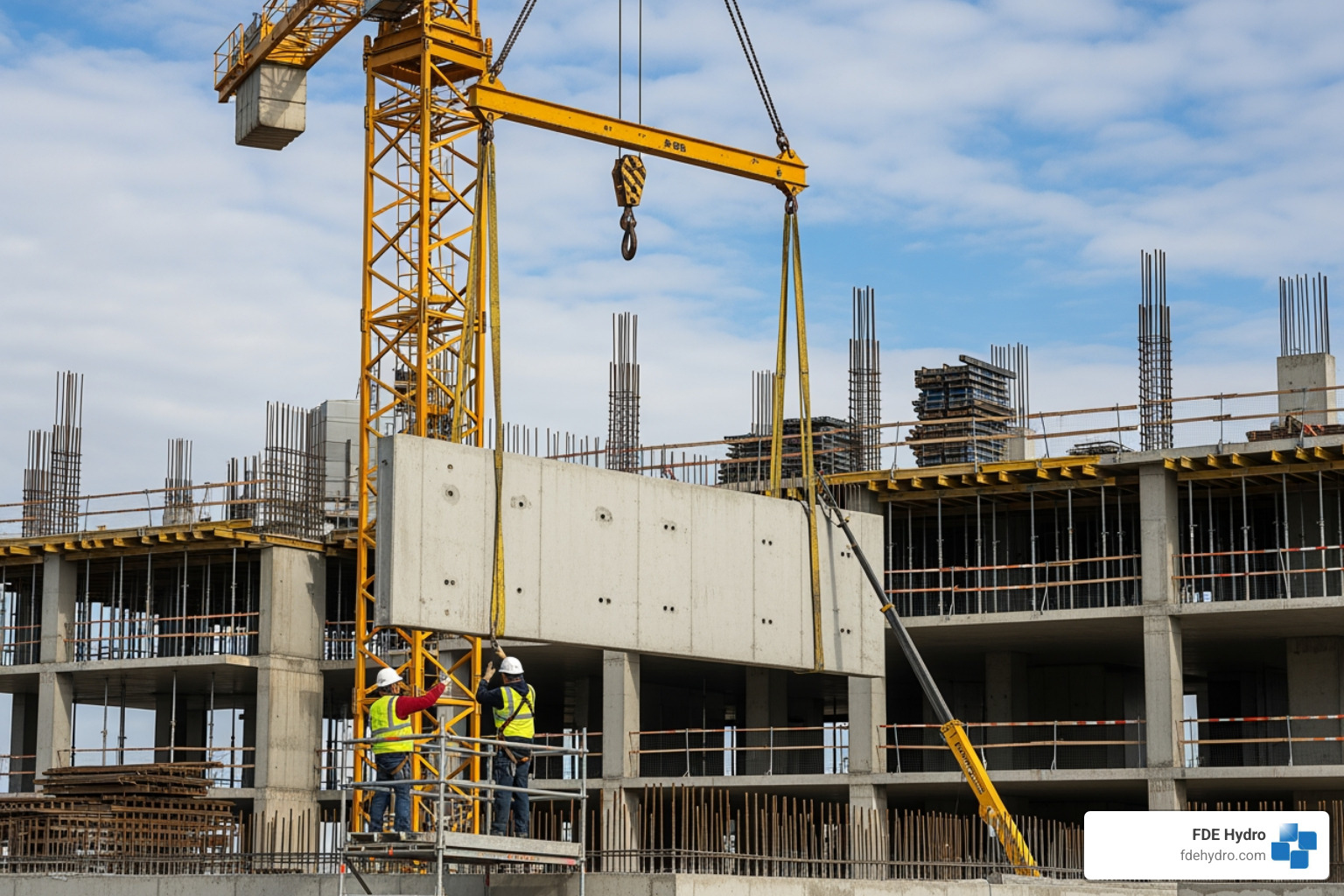
The Power of Prefabrication and Off-Site Building
Prefabrication and modular construction involve manufacturing building components in a factory and assembling them on-site. This approach has revolutionized building in North America, Brazil, and Europe, offering substantial benefits:
- Reduced on-site labor: Factory workflows are streamlined and unaffected by weather, directly lowering labor costs.
- Minimized material waste: Controlled environments allow for precise cuts and material optimization, drastically reducing waste compared to traditional sites.
- Faster project completion: Components are manufactured while site preparation occurs, shaving months off schedules. At FDE Hydro, our proprietary “French Dam” modular technology exemplifies this speed, allowing projects to generate revenue sooner. Learn more about our Modular Construction Techniques.
- Improved quality control: Factory conditions allow for consistent inspections and adherence to standards, resulting in fewer defects.
The durability and energy efficiency of precast concrete panels are exceptional. A 6.5″ concrete wall offers a fire-resistance rating of four hours or more. These panels can integrate multiple layers (finishes, insulation, structure) into one system, while their thermal mass helps regulate indoor temperatures, lowering long-term energy costs.
Our research shows Why Precast Costs Less. In our projects, modular precast concrete eliminates labor-intensive processes and waste, delivering transformative savings that help clients reduce construction costs.
Strategic Sourcing for Materials and Equipment
Smart procurement is about finding the best value, not just the lowest price. This means balancing cost with quality and reliability.
- Build strong supplier relationships: Long-term partnerships with reputable suppliers can lead to better pricing, volume discounts, and flexible payment terms.
- Negotiate bulk purchase discounts: Accurate forecasting allows for buying in volume, which yields significant per-unit savings on large-scale projects.
- Source materials locally: This reduces transportation costs and leverages local suppliers’ knowledge of regional codes and logistics. For projects requiring Rapid Installment of Module Precast Civil Infrastructure, local sourcing is essential.
- Use just-in-time (JIT) delivery: Materials arrive precisely when needed, minimizing on-site storage, damage, and theft. JIT requires meticulous planning but is a powerful tool to reduce construction costs.
Optimizing On-Site Operations and Labor Management
Even with great planning, what happens on the job site can make or break your budget. Inefficient operations or poor labor management can derail a project, but small improvements here can yield dramatic results to reduce construction costs.
Labor costs can consume 40% of a construction project’s budget, so managing this expense is essential. Start by hiring skilled workers. Experienced tradespeople command higher rates but work faster, make fewer mistakes, and produce higher quality results, which ultimately lowers costs by reducing rework and delays.
Better scheduling is another game-changer. Coordinating trades effectively minimizes downtime and keeps the project moving. We also invest in training and development. A well-trained workforce is safer and more efficient, and safety training alone prevents costly accidents.
How Technology Can Reduce Construction Costs
Technology gives craftspeople better tools to work smarter. Here’s how it helps:
- Building Information Modeling (BIM) creates a detailed 3D digital model of the project. This allows for “clash detection,” identifying problems like a pipe running through a beam before construction begins. Fixing issues with a mouse click instead of a jackhammer prevents costly rework and keeps schedules on track.
- Construction management software provides real-time visibility into project costs, schedules, and subcontractors. Kingston Homes, for example, achieved a 15% cost reduction using such software. It allows managers to address budget issues immediately, not at the end of the month.
- Drones are invaluable for fast, accurate site surveys and progress monitoring. They can also conduct safety inspections in hard-to-reach areas, reducing risk.
- Automation and robotics are increasingly used for repetitive tasks like rebar-tying, performing them faster and with more consistent quality than manual methods.
Controlling Scope Creep and Change Orders
Change orders are budget killers. A seemingly “little change” can cascade through a project, causing rework, schedule delays, and increased subcontractor costs.
Our first defense is developing clear contracts that outline every project aspect, including a process for handling changes. Ambiguity invites uncontrolled costs.
We also implement a formal change management process. Every request is documented, evaluated for its cost and schedule impact, and formally approved by all stakeholders before implementation. This ensures everyone understands the financial implications.
Maintaining clear communication with stakeholders prevents many change orders by surfacing potential issues early. Finally, avoiding last-minute design changes after construction begins is critical. The cost of changes multiplies exponentially once work is underway. Get the design right before the first pour to reduce construction costs dramatically.
Navigating Financials, Risks, and Regulations
To reduce construction costs, you must understand financial realities, manage risks, and steer regulations. These factors can make or break your bottom line.
Proactive Risk and Financial Management
Every project has risks; how you manage them determines success. Many wonder about acting as their own general contractor to save on the builder’s 4.8% to 18.9% profit margin. However, this is risky. Subcontractors often charge homeowners more, you lack the purchasing power of a professional builder, and insurance premiums are higher. The cost of inexperience and mistakes can quickly erase any potential savings.
Contingency funds are essential. We build a 5-10% cushion into our budgets for surprises like material surcharges or unexpected site conditions. This prevents delays while scrambling for funds.
Building strong relationships with lenders secures favorable financing terms, which can significantly reduce construction costs over a project’s life. A single percentage point difference on a multi-million dollar project is substantial. Finally, adequate insurance is a necessary upfront cost that protects against catastrophic financial losses.
How Regulations and Competition Impact the Bottom Line
The regulatory environment and market competition directly influence construction costs. We’ve seen this across North America and Brazil.
Restrictive Project Labour Agreements (PLAs) can dramatically inflate costs by limiting competition. In Ontario, Canada, a PLA is projected to add $168 million to $525 million to the cost of a new hospital because fewer companies could bid on the work.
Conversely, open competition drives down prices. The Region of Waterloo in Canada saved $24 million in two years after opening tenders to all qualified companies, seeing a 14% drop in average bid prices. The City of Hamilton estimated savings up to 21%. As one report notes, Increased competition is critical to counter rising construction prices.
Skilled trades training program rigidity also presents a challenge. When certification depends on hours worked rather than skill, it creates labor shortages. Reforming the system to recognize skills at every stage would expand the labor pool, address shortages, and ultimately reduce construction costs.
Frequently Asked Questions about Reducing Construction Costs
What is the most effective way to lower construction costs?
The most powerful way to reduce construction costs is through meticulous pre-construction planning and design. Decisions made during this phase—simplifying a roofline, reducing square footage, or applying value engineering—have the largest downstream effect on material and labor costs. Projects that invest time and expertise upfront consistently come in on budget.
Can I save money by acting as my own general contractor?
While it’s tempting to save the builder’s profit margin (which can be 4.8% to 18.9%), the risks often outweigh the reward. Subcontractors may charge you more than a professional builder who provides repeat business. You’ll lack a builder’s purchasing power for materials and have to buy or rent specialty tools for a single job.
Furthermore, insurance companies view individual builders as a higher risk, leading to higher premiums. The cost of mistakes due to inexperience can quickly eliminate any supposed savings. Unless you have significant construction experience, hiring a professional is usually the smarter financial choice.
How does technology like BIM help reduce costs?
Building Information Modeling (BIM) saves money by creating a detailed 3D digital model of your project, allowing you to catch problems before they become expensive. The key feature is clash detection. This lets you see where elements conflict—like a plumbing line running through a structural beam—and fix the issue digitally during the design phase.
Resolving these conflicts on a screen instead of on-site with jackhammers prevents costly rework, material waste, and schedule delays. In my experience with large-scale infrastructure, BIM is invaluable for ensuring modular components fit together precisely, which is critical for staying on budget and on schedule.
Conclusion
The path to reduce construction costs isn’t about taking shortcuts; it’s about building smarter. We’ve walked through the essential strategies that deliver exceptional value, starting with strategic planning and design, where your most powerful cost-saving decisions are made.
Next is the power of innovation—embracing prefabrication, modular construction, and smart sourcing to slash costs and timelines. On-site efficiency and management preserve those savings through technology like BIM and vigilant scope control. Finally, understanding the financial and regulatory landscape protects your bottom line from unexpected hits.
The construction industry faces challenges, but obstacles can be overcome. Data shows that systematic strategies can yield savings of 10-35% depending on the sector. The key is a commitment to planning, innovation, and excellence in execution.
At FDE Hydro, we’ve built our reputation on this philosophy. Our innovative modular precast concrete technology, the “French Dam,” is designed to lower expenses and accelerate project timelines in the energy and water sectors across North America, Brazil, and Europe. We’ve spent five decades proving that the smartest way to reduce construction costs is to work better, not cheaper.
The future of construction belongs to those who accept these principles. Every project is an opportunity to prove that quality, efficiency, and cost-effectiveness can coexist.
Ready to see how modular innovation can transform your next project? Learn more about controlling Hydropower Project Costs with FDE Hydro’s cutting-edge solutions.

