by Bill French Sr. | Dec 30, 2025 | Hydropower Articles
Why Hydroelectric Power Solutions Are Critical to Our Energy Future
Hydroelectric power solutions are a proven, reliable method for generating clean electricity. By converting the kinetic energy of water into power, these systems provide over 15% of the world’s electricity with the lowest lifecycle carbon footprint of any energy source. From massive storage dams to run-of-river plants, hydroelectric solutions offer a unique combination of renewable generation, grid stability, and large-scale energy storage.
Key Hydroelectric Power Solutions:
- Storage (Impoundment) Systems – Large dams with reservoirs for on-demand power generation
- Run-of-River Plants – Minimal environmental impact, continuous generation from natural flow
- Pumped Storage Hydropower – Grid-scale energy storage providing 96% of US utility-scale storage capacity
- Small and Micro-Hydro – Decentralized, community-scale installations for localized power
- Hybrid Systems – Integration with solar, wind, and battery storage for optimized performance
The global hydropower sector is at a critical juncture. By 2030, 40% of all hydropower plants worldwide will be at least 40 years old, creating an urgent need for modernization. Traditional development has been constrained by high capital costs, long construction timelines (5-10 years), and significant environmental concerns.
“The industrial revolution was powered by water; water, wind and sun together will power the sustainable growth of the future.” This vision is becoming reality as the industry adopts new technologies that reduce construction time and costs while minimizing environmental disruption.
I’m Bill French Sr., Founder and CEO of FDE Hydro™, where I’ve pioneered patented modular precast construction technology. After five decades in civil construction, I founded FDE Hydro™ to address the industry’s most pressing challenges with faster, more cost-effective approaches to delivering hydroelectric power solutions.
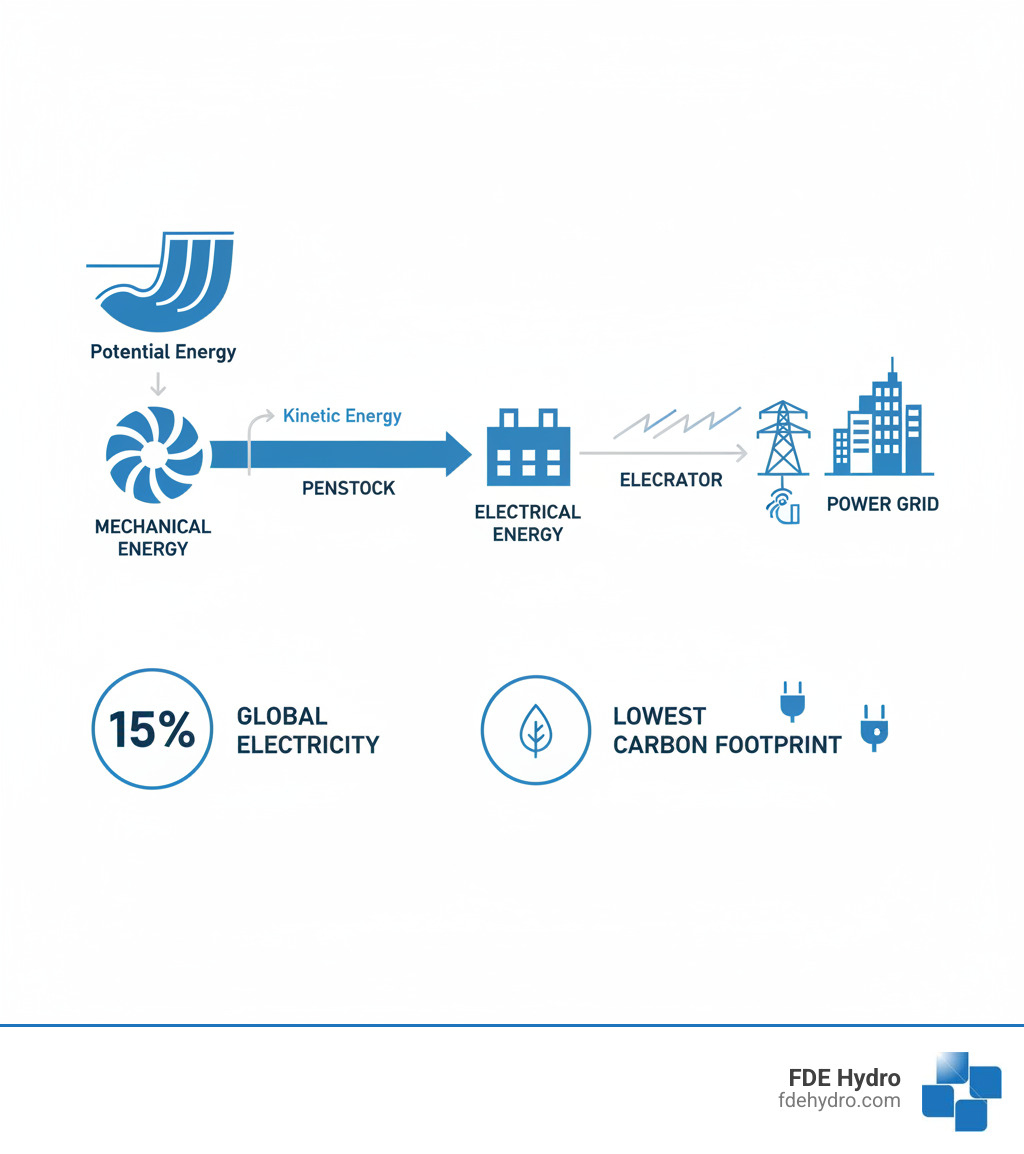
Must-know hydroelectric power solutions terms:
A Guide to Hydroelectric Plant Types
Hydropower plants vary to match their environment and energy needs. Understanding the differences is key, as each type offers unique strengths—from large-scale energy storage to steady baseline power. At FDE Hydro™, our modular construction expertise makes all types of hydroelectric power solutions faster to build, more affordable, and gentler on the environment across our projects in North America, Brazil, and Europe.
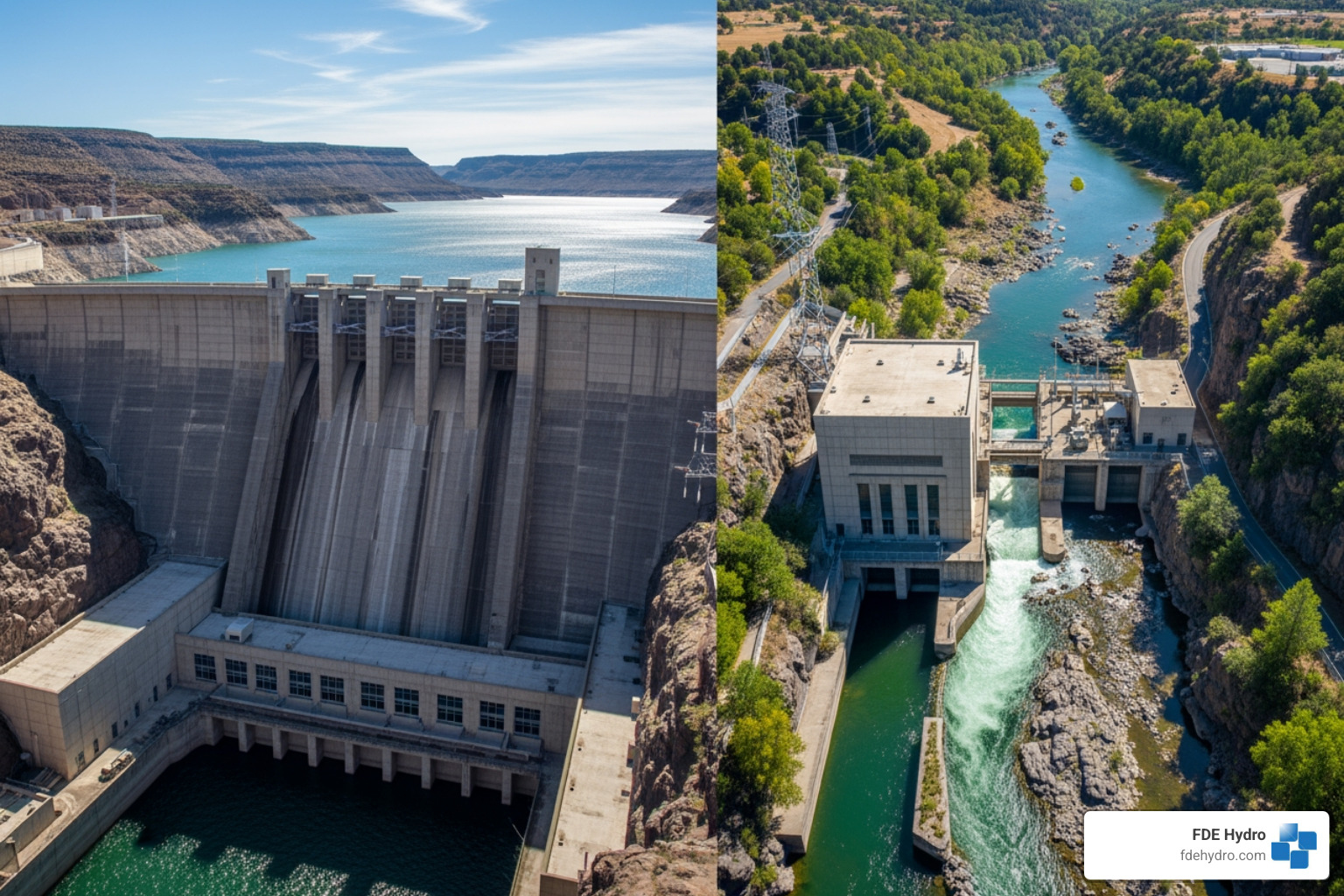
Storage (Impoundment) Hydropower
Storage hydropower plants, like the Hoover Dam, use massive dams to create reservoirs. This stored water represents potential energy, enabling valuable on-demand power generation. Operators can release water through turbines within minutes to meet demand spikes, making these plants perfect for peak load supply. Hydropower provides over 24 GW of firm capacity in the U.S., much of it from storage plants that can store energy for days or even months.
For more information on these foundational structures, explore our resources on Dams.
Run-of-River Hydropower
Run-of-river plants work with a river’s natural flow instead of blocking it with a large dam. They divert some water through a powerhouse and return it downstream. This minimal impoundment approach reduces the environmental footprint, avoiding large-scale flooding and ecosystem disruption. These plants provide continuous electricity for baseline power, often with lower transmission losses, making them a viable clean energy solution where large dams are not feasible.
Find how we’re advancing these types of facilities at New Hydro Facilities.
Pumped Storage Hydropower (PSH)
Pumped storage hydropower (PSH) acts as the world’s water battery. It uses two reservoirs at different elevations. When power is cheap and plentiful, water is pumped to the upper reservoir. When demand is high, the water is released back down through turbines to generate electricity. This makes PSH the top solution for grid-scale energy storage, providing an astounding 96% of all utility-scale energy storage in the United States. PSH plants can ramp up in minutes, making them essential for balancing the grid and backing up intermittent renewables like wind and solar.
Learn more about this vital technology on our Pumped Storage Hydropower page.
Small and Micro-Hydro Solutions
Small hydropower plants (typically up to 30 megawatts) fit where large dams cannot, such as in municipal water systems or irrigation canals. These small and micro-hydro solutions provide decentralized power for remote communities or industrial facilities, delivering community-scale benefits. They are affordable, often paying for themselves in a few years, and are ideal for low-head applications. Our modular construction techniques are particularly effective for these projects, allowing for quick, cost-effective deployment.
Explore the potential of community-scale projects through the Drawdown® Explorer on small hydro.
The Core Technology Behind Hydroelectric Power Solutions
Every hydroelectric plant converts water’s natural power into electricity using several core technologies working in harmony. At FDE Hydro™, we advance these technologies to ensure our hydroelectric power solutions deliver exceptional performance and reliability.
Turbines and Generators
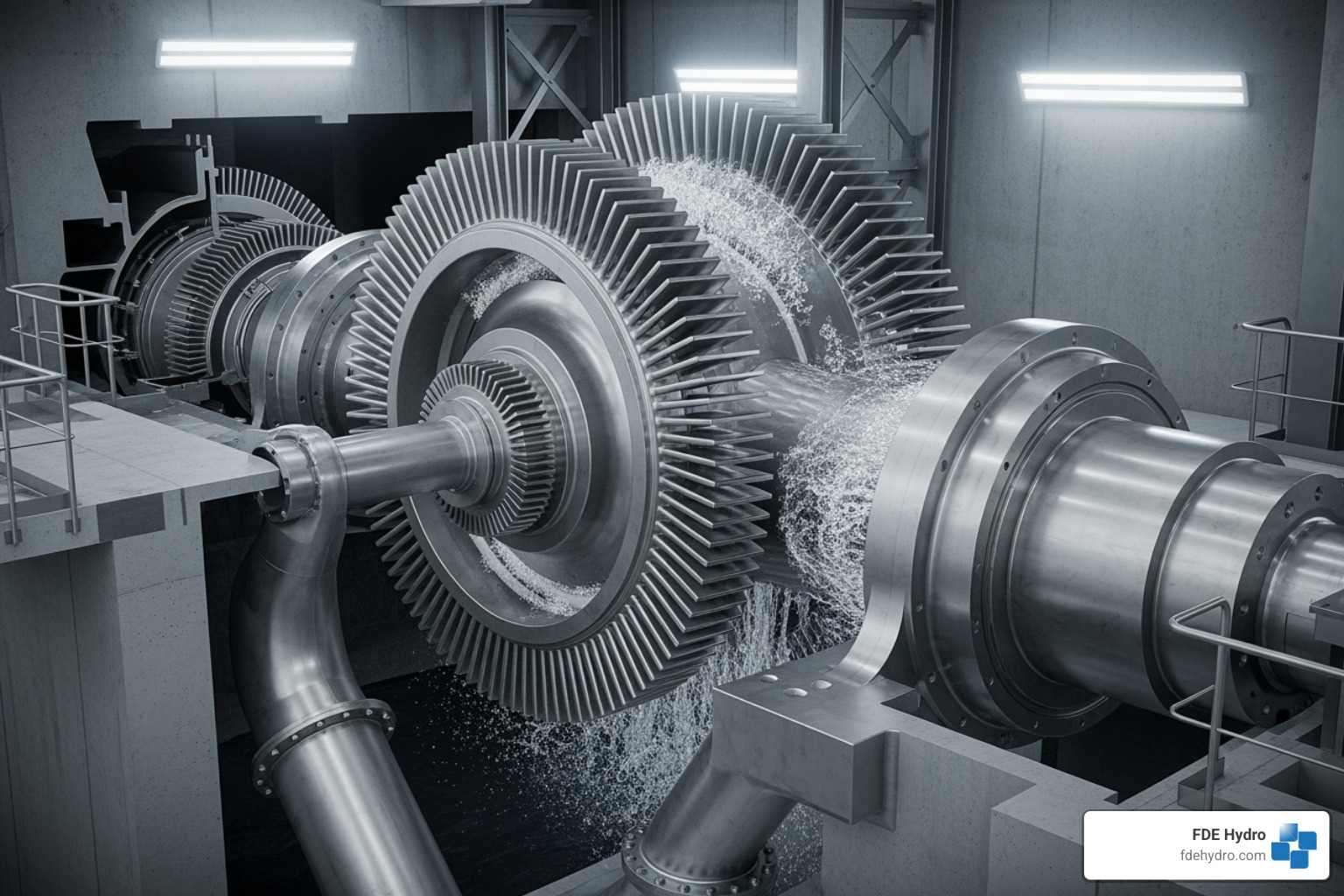
Water strikes turbine blades, causing them to spin at high speed. The turbine choice depends on the site’s head (water fall distance) and flow rate.
- Pelton turbines are for high-head, low-flow sites.
- Francis turbines, the most common type, suit medium head and flow conditions.
- Kaplan turbines are ideal for low-head, high-flow environments, with adjustable blades for efficiency.
The turbine spins a connected generator, which uses electromagnetic induction to convert this mechanical rotation into AC electricity for the grid. Our comprehensive Hydroelectric Dam Components: The Ultimate Guide explores these components in greater detail.
Dams and Water Control Infrastructure
The infrastructure managing water flow is as critical as the turbines for successful hydroelectric power solutions.
- Penstocks are massive pipes that channel water to the turbines under high pressure.
- Spillways act as safety valves, releasing excess water during floods to prevent the dam from overtopping.
- Gates provide operators with precise control over water movement into penstocks and spillways.
Proper management of these components ensures safe, efficient operation. Our approach to Water Control Infrastructure Guide 2025 reflects our commitment to building reliable systems.
Digitalization and Automation
Digital technology has made modern hydropower plants smarter and more responsive.
- Smart plant operation uses advanced control systems for real-time monitoring of performance, water levels, and equipment status.
- Predictive maintenance uses sensor data to identify potential issues before they cause downtime, reducing costs and extending equipment life.
- Digital twin technology creates virtual models for testing and optimizing operations without affecting the physical plant.
These digital tools, including centralized IoT monitoring, build a more resilient and efficient energy infrastructure. We integrate these technologies into all our projects, believing they are essential to the future of Hydropower Innovation.
Hydropower’s Role as the Guardian of the Modern Grid
The electrical grid requires a constant balance between power supply and fluctuating demand. With intermittent renewables like solar and wind, this is a major challenge. Hydroelectric power solutions are key to solving this puzzle and ensuring grid stability.
Ensuring Grid Stability and Flexibility
Hydropower provides firm capacity—reliable power that’s available on demand, unlike weather-dependent solar and wind. The U.S. has over 24 GW of firm hydropower capacity. Hydropower’s real superpower is its speed; plants can respond to grid changes in minutes. For example, pumped storage can ramp up to 400 MW in less than 60 seconds. This rapid response makes hydropower the perfect backup for intermittent renewables, seamlessly filling gaps when the sun isn’t shining or the wind isn’t blowing. This flexibility makes it the guardian of the grid, a role we explore at 4 Reasons Why Hydropower is the Guardian of the Grid.
A Cornerstone of the Renewable Energy Mix
In North America, hydroelectric power solutions are a renewable energy heavyweight, accounting for 27.37% of U.S. utility-scale renewable generation and 5.86% of total U.S. generation. Hydropower’s longevity is remarkable; facilities routinely operate for 65-85 years, far longer than solar or wind assets, making them multi-generational sources of clean energy. Canada, the world’s second-largest hydropower producer, exemplifies its importance. This proven reliability makes hydropower a trusted foundation for Sustainable Power Generation.
Beyond Electricity: Co-Benefits
Beyond electricity, many hydroelectric power solutions offer significant co-benefits. Dams provide critical flood control by storing excess water, while their reservoirs supply reliable water for agricultural irrigation and municipal drinking water. These man-made lakes also create recreational opportunities like boating and fishing, which boost local economies. This multi-purpose nature makes hydropower an integrated water management solution, and at FDE Hydro™, we consider all these benefits when designing our projects.
Navigating the Economics and Environmental Landscape
Understanding the economics and environmental impact of hydroelectric power solutions is crucial. While there are significant upfront costs, they are balanced by decades of low-cost, clean energy. At FDE Hydro™, our innovative approaches make these projects more economically accessible while reducing their environmental footprint.
The Economic Case for Hydropower
The primary financial hurdle for hydropower is its high initial investment. However, once operational, the economics are highly favorable. Operational costs are remarkably low because the fuel—water—is free, and facilities are built to last 65 to 85 years with modest maintenance. This results in stable energy prices and a strong long-term return on investment. Modernization can further boost efficiency by up to 7% and output by as much as 50%, with quick payback. As we explain in Financing Long-Term Hydropower Requires Mitigating Risks Prior to ROI, our modular approach helps reduce upfront costs and financial risks. For a full breakdown, see our Hydropower Project Costs guide.
Key Environmental Considerations and Mitigations
While hydropower has the lowest lifecycle carbon footprint of any energy source, address its environmental impacts.
- Fish migration can be disrupted, but modern solutions like fish ladders and bypass channels provide safe passage.
- Water quality can be affected by changes in flow and temperature. We design facilities to maintain healthy environmental flows to support downstream ecosystems.
- Sediment management is also key, as dams can trap sediment. We use techniques like sediment flushing and bypasses to maintain natural river processes.
At FDE Hydro™, our commitment to Sustainable Water Infrastructure means we design hydroelectric power solutions that generate clean energy while protecting the rivers that make it possible.
The Next Wave: Innovations in Hydropower
The hydropower industry is in the middle of an exciting change, with innovations fundamentally altering how we build and operate hydroelectric power solutions. At FDE Hydro™, we are actively driving this evolution with technologies that make hydropower faster, more affordable, and more sustainable.
Modernizing Aging Infrastructure
By 2030, 40% of all hydropower plants worldwide will be at least 40 years old, presenting a major opportunity. Modernizing these plants can dramatically improve efficiency by up to 7% and increase peak output by up to 50%. These upgrades extend a facility’s life, making it perform like new. Refurbishing existing plants is often more sustainable and economical than building from scratch, which is why we focus on Aging Infrastructure Being Replaced With Next-Generation Civil Solutions.
The Future of Hydroelectric Power Solutions: Modular Construction
FDE Hydro™ is leading the charge with our patented modular precast concrete technology—the “French Dam.” Traditional dam construction takes 5-10 years. Our approach flips this model by manufacturing large, precision-engineered modules off-site for rapid on-site installation. This means faster construction and substantial cost savings. Shorter construction periods also mean less environmental disruption. Our Modular Construction Techniques offer a superior alternative, as documented in Why Precast Costs Less.
Advancements in Research and Hybrid Systems
The future of hydropower lies in creating smarter, integrated energy systems. Researchers are exploring innovative combinations like floating solar panels on reservoirs to maximize generation from a single site. Battery storage hybrids pair hydropower’s bulk energy with the instantaneous response of batteries for optimal grid support. Meanwhile, national labs like the National Renewable Energy Laboratory continue to advance research in materials, turbines, and environmental strategies, ensuring the Future of Hydropower remains at the cutting edge.
Conclusion: Powering a Sustainable Future with Water
Hydropower is a proven, evolving force for clean energy. It provides 15% of the world’s electricity with the lowest lifecycle carbon footprint and acts as the guardian of the grid by providing best stability and flexibility. The fact that 40% of global plants will be over 40 years old by 2030 is not a crisis, but a transformative opportunity to reimagine how we build and maintain these facilities.
At FDE Hydro™, our patented modular precast concrete technology addresses this challenge. Traditional construction takes 5-10 years; our method of manufacturing modules off-site for rapid assembly delivers projects faster, more affordably, and with less environmental disruption across North America, Brazil, and Europe.
The future of hydroelectric power solutions combines the technology’s 65-85 year lifespan with innovations like floating solar integration, battery storage hybrids, and digital twin technology. At FDE Hydro™, we are committed to using water’s potential efficiently and responsibly. The future is efficient, rapidly deployable, and powered by water.
Ready to be part of this change? Explore next-generation dam technologies and find how we’re building tomorrow’s energy infrastructure today.
by Bill French Sr. | Dec 16, 2025 | Hydropower Articles
Why Hydropower Innovation Case Studies Matter More Than Ever
Hydropower innovation case studies reveal how the renewable energy sector is changing to meet dual demands: generating more clean electricity while protecting river ecosystems. Here’s what you need to know:
Key Innovation Areas:
- Modernization of aging plants – Nearly 40% of global hydropower facilities are over 40 years old and need upgrades
- Fish-friendly turbines – New designs achieve 98%+ survival rates while maintaining efficiency
- Retrofitting existing infrastructure – Reusing dams, canals, and weirs cuts costs by 20-30%
- Digital twins and AI – Real-time monitoring improves efficiency by 1.2% and prevents failures
- Community-centered development – Projects like Tina River create 440+ local jobs while reducing CO2 by 49,500 tonnes annually
The global hydropower fleet faces a critical moment. With investment declining to $50 billion in 2023 (down from previous years) and generation decreasing by over 100 TWh, the industry must innovate or risk falling behind solar and wind. Yet hydropower remains essential—it provides more than 90% of global energy storage capacity and offers best grid stability.
The challenge isn’t just technical. Hydropower projects must balance decarbonization goals with ecosystem protection, satisfy local communities, and deliver returns despite long development timelines. Traditional construction methods—slow, expensive, and environmentally disruptive—no longer meet these demands.
That’s where innovation makes the difference. From modular construction that cuts installation time from 9 years to 6 to turbines that let fish pass safely through, these case studies show practical solutions that work today.
I’m Bill French Sr., Founder and CEO of FDE Hydro, where I’ve spent years developing modular precast concrete solutions that reduce both construction time and environmental impact for hydropower projects. Through analyzing hydropower innovation case studies from Europe to the Pacific Islands, I’ve seen how the right technologies can transform project economics while protecting the rivers we depend on.
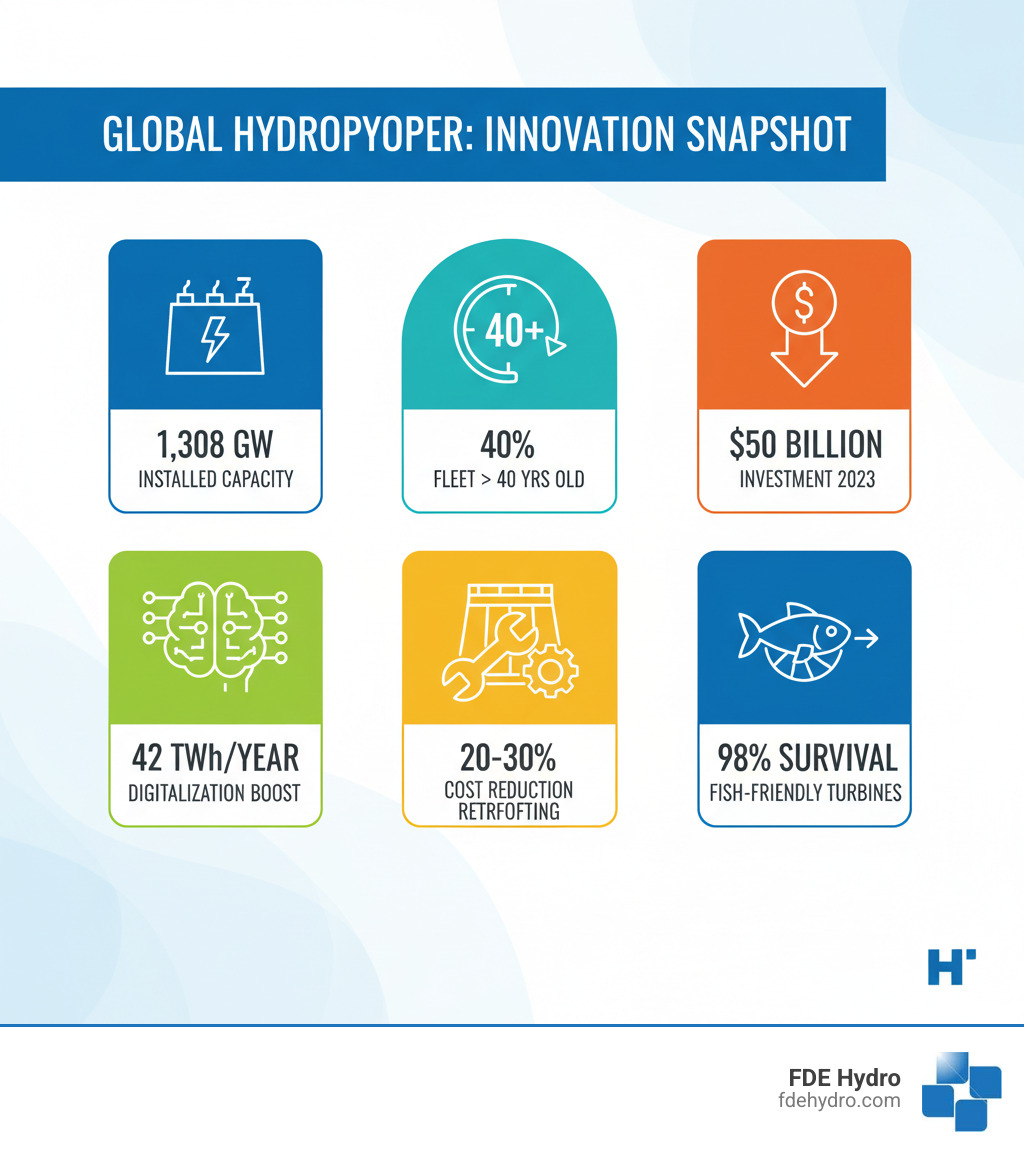
Terms related to hydropower innovation case studies:
The Dual Challenge: Modernizing an Aging Fleet While Protecting Ecosystems
Hydropower faces a dual challenge: modernizing its aging infrastructure to meet growing clean energy demands while protecting the river ecosystems it impacts.
The aging infrastructure problem is significant. Nearly 40% of the global hydropower fleet (476 GW) is over 40 years old, with many plants in North America and Europe now facing reduced efficiency, higher maintenance, and outdated environmental protections. Modernization is essential for reliable, sustainable energy.
This challenge is compounded by declining investment, which fell to around USD 50 billion in 2023. This is concerning given hydropower’s unique role in providing grid stability and flexibility. Pumped storage alone offers over 90% of the energy storage in the EU, balancing intermittent renewables like solar and wind. Without investment in modernization, this vital grid stability is at risk.
Environmentally, traditional hydropower can alter river flows, harm aquatic life, and block fish migration. Climate change exacerbates these issues with erratic rainfall affecting water availability and production. However, these challenges are driving innovation.
For example, digitalization can improve efficiency by 1.2%, potentially adding 42 TWh to global production annually. Retrofitting existing non-powered dams and upgrading facilities offers even greater promise, cutting costs by up to 277 €/kW and reducing investment periods from nine years to six by reusing existing infrastructure.
Modernization gains are substantial, with potential generation increases of 8.4% in Europe and 8.8% in the U.S. from upgrades alone. These retrofits also improve a plant’s flexibility to support grids with high solar and wind penetration. Furthermore, upgrading facilities improves their multipurpose benefits, such as irrigation, flood management, and potable water supply. Addressing these challenges requires new technologies, construction practices, and policies to secure hydropower’s role in a clean energy future.
Pioneering Hydropower Innovation Case Studies
The future of clean energy isn’t just about building new—it’s about building better. Around the world, we’re seeing hydropower innovation case studies that prove we can meet our climate goals while protecting the rivers and ecosystems we depend on. These projects show what’s possible when innovation meets determination.
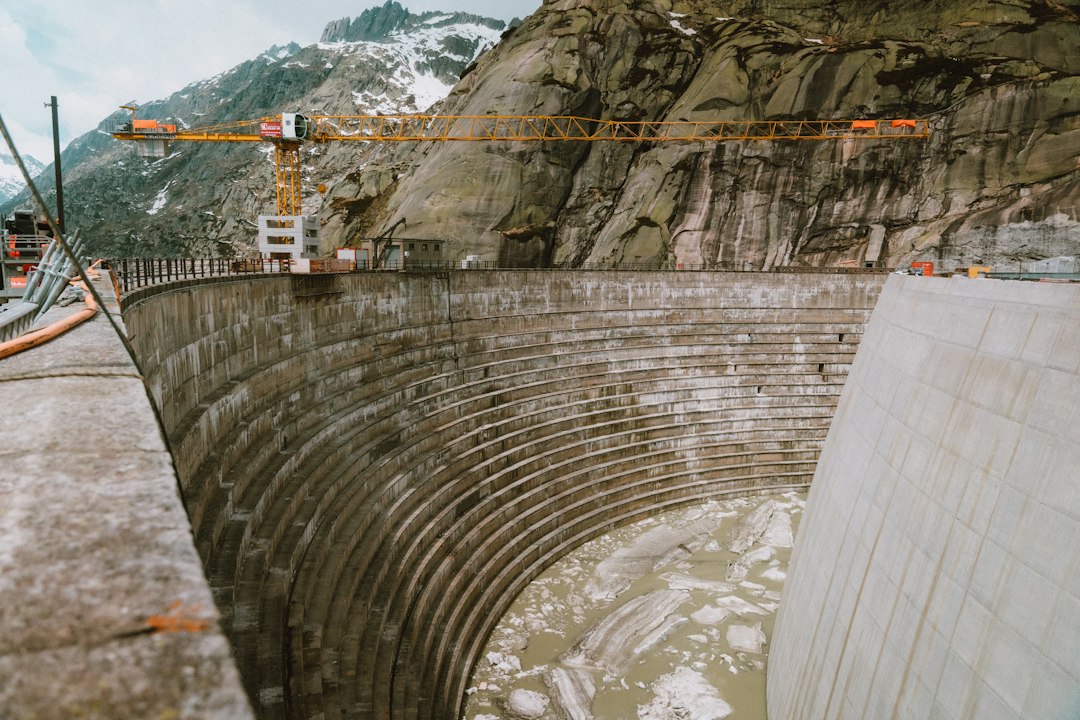
Case Study: The Tina River Project – A Model for Sustainable Development
The Tina River Hydropower Project in the Solomon Islands is a global blueprint for sustainable development. Previously reliant on expensive imported diesel, the nation’s capital now receives 68% of its electricity from this clean energy source. The project reduced diesel dependence from 97% to 30% and cuts CO2 emissions by 49,500 tonnes annually.
What makes the project a standout case study is its focus on community. It created 440 local jobs and established a landowner royalty scheme benefiting over 4,000 people, turning them into partners in success. Financially, it was the nation’s first large-scale public-private partnership, securing a USD 240 million package from a consortium including the World Bank and Green Climate Fund. This model, using concessional financing and risk insurance, demonstrates how to de-risk projects in challenging markets and aligns with The Solomon Islands’ development strategy.
Greening the Flow: Ecologically-Improved Turbines and Operations
For decades, hydropower dams that generated clean electricity could harm river ecosystems. That’s changing fast.
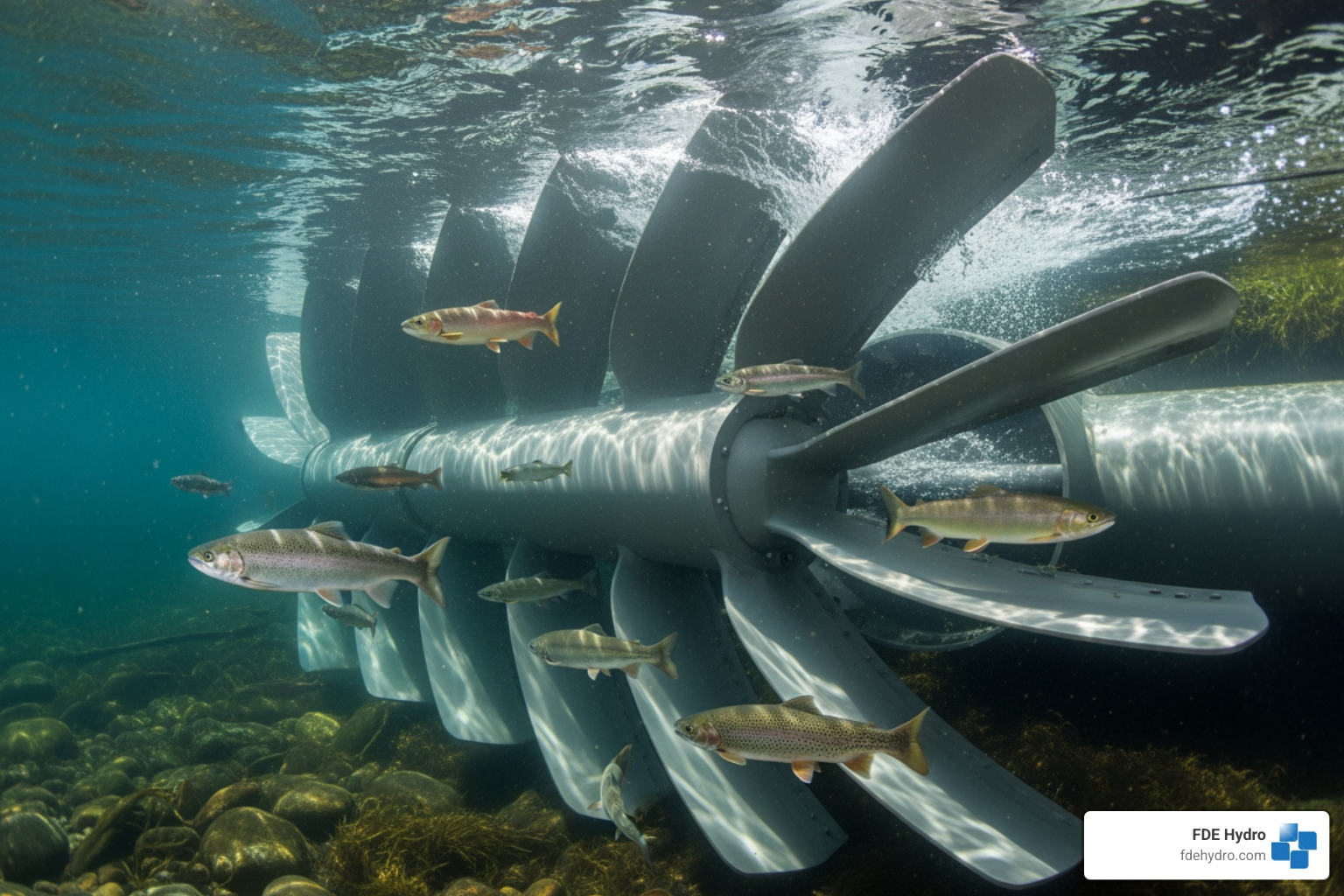
The development of ecologically improved turbines is a major advance. At the Ice Harbor Lock and Dam in Washington State, modifications achieved over 98% fish survival rates. Technologies like the Minimum Gap Runner, Alden turbine, and DIVE turbine are engineered to minimize blade strikes and pressure injuries. Other innovations include water-lubricated bearings, which eliminate the risk of oil contamination.
Another critical innovation addresses hydropeaking—rapid water flow fluctuations. In Bolzano, Italy, a plant installed demodulation reservoirs to release water gradually, dramatically improving river conditions. Smarter management of environmental flows and the use of low head hydropower converters are also opening up new, previously unusable sites like weirs and irrigation canals, often at a lower cost (less than 5,000 €/kW).
Open uping Hidden Potential: Hydropower Innovation Case Studies in Existing Infrastructure
What if the best hydropower opportunities lie not in new dams, but in using what we already have? Tens of thousands of non-powered dams, weirs, and canals exist across North America and Europe. Retrofitting these for power generation is an enormous, economically smart, and environmentally responsible opportunity.
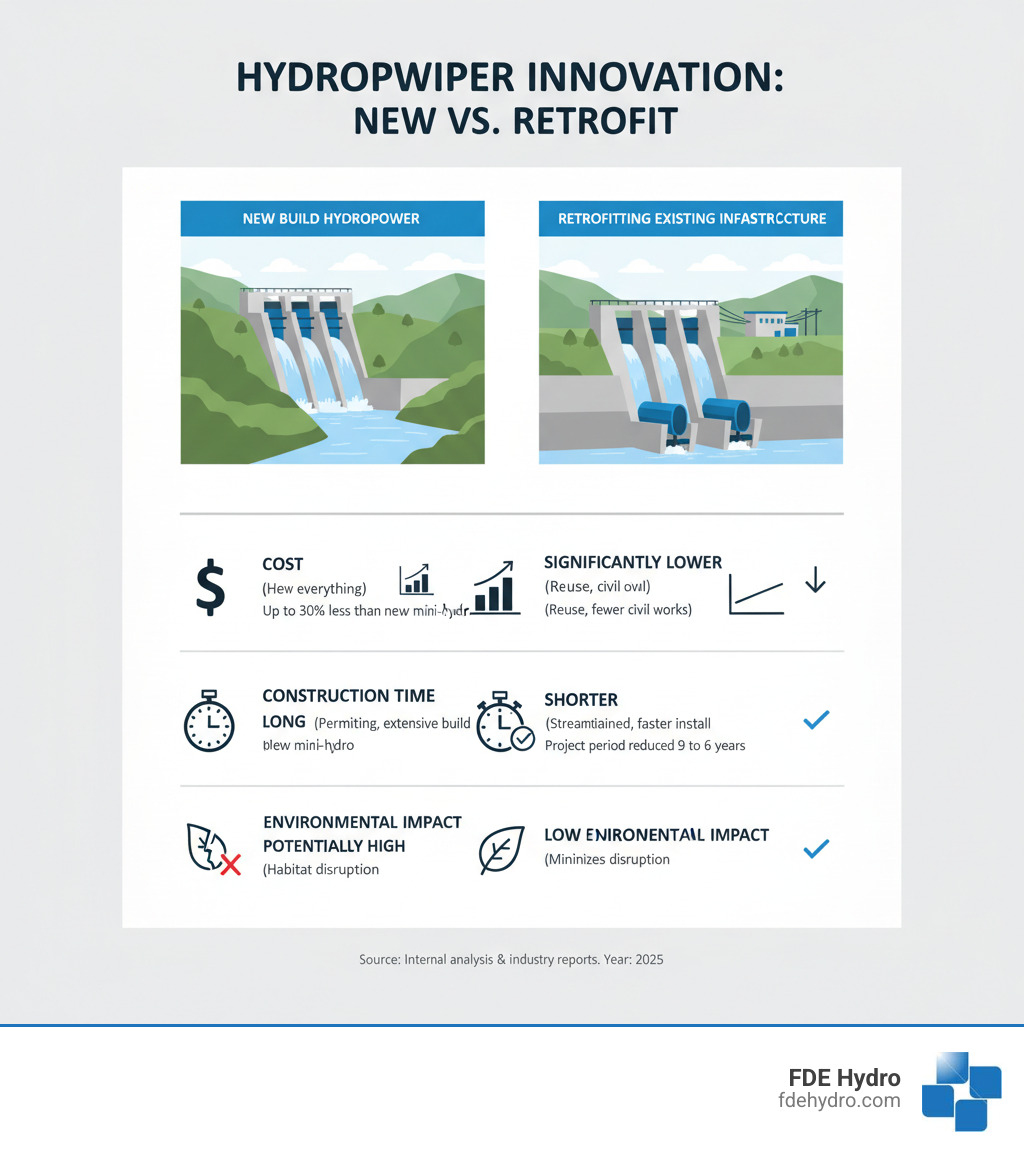
The advantages are substantial. Reusing existing infrastructure can save approximately 277 €/kW, and the investment period can shrink from nine years to six. The environmental footprint is minimal, with no new river fragmentation. Permitting is also typically faster.
The potential is vast: in the U.S., an analysis of 54,000 non-powered dams has already led to dozens of projects. Modernizing existing hydropower plants is another key opportunity, with the potential to boost generation by 8.4% in Europe and 8.8% in the U.S. This is where modular precast concrete technology, like the systems developed at FDE Hydro, makes a significant impact. Our approach minimizes on-site construction, making it ideal for open uping the hidden potential in existing infrastructure across North America, Brazil, and Europe.
The Digital Wave: Changing Hydropower with Technology
If you’ve ever wondered what the future of hydropower looks like, it’s happening right now—and it’s digital. We’re living through a remarkable change where hydropower innovation case studies increasingly showcase smart grids, advanced data analytics, and artificial intelligence working alongside traditional turbines and generators. This isn’t science fiction; it’s the practical reality reshaping how we generate clean, reliable electricity.
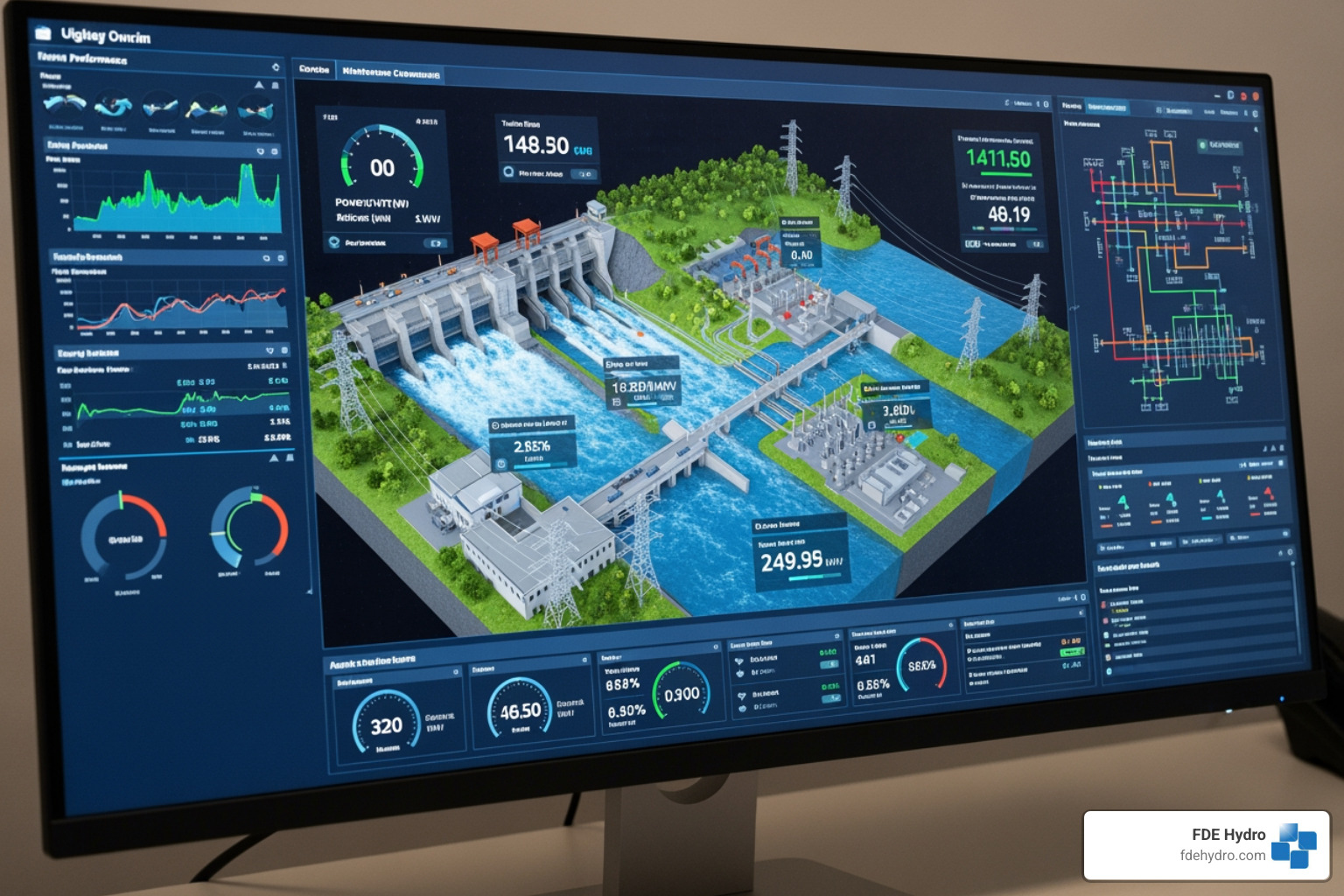
This digital revolution is critical for keeping hydropower competitive. Smart grids allow plants to respond dynamically to electricity demands, while predictive maintenance uses AI to anticipate equipment failures, scheduling repairs before they cause outages. Organizations like the IEA Hydropower Technology Collaboration Programme help accelerate the adoption of these technologies by sharing innovations globally.
How Digitalization is Changing Hydropower Operations and Maintenance
Digitalization can improve overall efficiency by 1.2%. While that may not sound earth-shattering, for large-scale facilities it translates into significant additional clean energy. An Italian plant, for example, used data-driven software to increase annual production by exactly 1.2%.
Real-time monitoring systems are now the eyes and ears of modern plants, giving operators immediate insights that prevent problems. The most fascinating development is the “digital twin”—a virtual model of a physical plant that receives real-time sensor data. At the La Bâtiaz power plant in Switzerland, a digital twin has monitored penstock fatigue since 2014. It revealed that certain grid services could increase fatigue wear tenfold, allowing operators to adjust strategies to balance grid support with equipment longevity. This fatigue monitoring is crucial for aging infrastructure.
The shift to predictive maintenance is another practical benefit, minimizing outages and reducing costs. At FDE Hydro, we see how this digital change complements our modular precast concrete technology. Combining rapid construction with smart operational systems creates facilities that are built faster and perform better from day one.
The Role of Policy and International Collaboration in Driving Innovation
Innovation requires supportive policies and international collaboration. Behind every successful hydropower innovation case study are frameworks that allow new ideas to grow. International financial institutions like the World Bank, the International Finance Corporation (IFC), and the Asian Development Bank (ADB) play a key role by de-risking ambitious projects, making them attractive to private investors.
National development strategies provide long-term vision, while regional agreements like Europe’s “Guiding Principles on Sustainable Hydropower Development in the Danube Basin” harmonize standards for environmental protection. Organizations like the IEA Hydropower Technology Collaboration Programme are vital for accelerating progress by sharing knowledge across borders. Key policy recommendations include streamlining regulations, creating market mechanisms that fairly compensate hydropower for its grid services, and supporting modernization. These efforts create the environment where technological innovations can thrive.
Frequently Asked Questions about Hydropower Innovation
How does innovation make hydropower more environmentally friendly?
Modern innovation is fundamentally changing hydropower’s relationship with river ecosystems. Key improvements include:
- New Turbine Designs: Technologies like the Minimum Gap Runner and Alden turbine are designed to be ‘fish-friendly,’ achieving over 98% fish survival rates at some sites by minimizing blade strikes and pressure changes.
- Oil-Free Systems: Water-lubricated bearings and other oil-free components eliminate the risk of petroleum leaks, protecting water quality.
- Advanced Operations: To mitigate hydropeaking (rapid flow changes that harm habitats), plants like the S. Antonio facility in Italy use demodulation reservoirs to release water gradually, restoring more natural river conditions.
- Better Sediment Management: New approaches, including continuous de-sedimentation systems, help restore the natural transport of sediment, which is vital for downstream ecosystems.
Can we add hydropower to dams that don’t currently produce power?
Yes, and this is one of the most exciting opportunities in renewable energy right now! Thousands of non-powered dams (NPDs) exist in the U.S. and Europe, built for flood control or irrigation. Adding power generation to these structures, a practice known as retrofitting, leverages existing infrastructure and avoids the environmental impact of building new dams.
The economics are compelling. Reusing existing pipes and reservoirs can save approximately 277 €/kW, and installing low head converters can cost less than 5000 €/kW, making previously uneconomical sites viable. Studies have identified significant potential, with dozens of projects already operational or in development in the US and Europe. Modular technologies, like FDE Hydro’s precast concrete solutions, are ideal for these retrofits, accelerating timelines and making projects more cost-effective.
What is a “digital twin” in hydropower?
A digital twin is a virtual, real-time replica of a physical hydropower plant. It receives a constant stream of data from sensors on the actual equipment, monitoring everything from pressure and vibration to structural stress. Its primary uses are:
- Predictive Maintenance: By analyzing data patterns, the digital twin can predict potential equipment failures before they happen. This allows maintenance to be scheduled proactively, avoiding costly outages and extending equipment life.
- Performance Optimization: The twin can run simulations to identify inefficiencies, helping to optimize operations and increase energy output, often by more than 1%.
- Structural Health Monitoring: For aging components like penstocks, a digital twin provides continuous fatigue monitoring. For example, the Hydro-Clone twin at Switzerland’s La Bâtiaz plant helped operators understand how different operations affected component wear, allowing them to adjust strategies to prolong the plant’s life.
A digital twin gives you unprecedented visibility into your plant’s health and performance. It’s like having an expert constantly watching, analyzing, and advising—helping you maximize reliability, efficiency, and longevity throughout your facility’s operational life.
Conclusion: Powering a Sustainable Future with Innovative Hydropower
We’ve journeyed through some remarkable hydropower innovation case studies together, and I hope you’ve seen what I’ve witnessed firsthand: this industry is at an exciting turning point. We’re not just maintaining the status quo—we’re reimagining what hydropower can be in the 21st century.
The path forward is becoming clearer. Sustainability isn’t a constraint; it’s an opportunity. Innovations from fish-friendly turbines to digital twins prove that protecting ecosystems and generating clean energy can be achieved together.
We’re sitting on hidden treasure. Across North America, Brazil, and Europe, thousands of existing structures—non-powered dams, irrigation canals, old weirs—are waiting to be transformed into clean energy sources. The cost savings are real: 277 €/kW by reusing irrigation infrastructure, installation costs under 5000 €/kW for low head converters. These represent practical, achievable projects that can move forward today without the environmental disruption of new construction.
Technology is reshaping everything we thought we knew about operations. Digitalization is adding 1.2% efficiency improvements that translate into millions of additional kilowatt-hours annually. For an aging fleet where 40% of plants are over 40 years old, this digital revolution couldn’t come at a better time.
None of this happens in isolation. The Tina River Project showed us how international collaboration, innovative financing, and community engagement can transform energy systems. The World Bank, IFC, and ADB aren’t just funding projects—they’re de-risking innovation and making sustainable development possible.
Here at FDE Hydro, we’re working every day to be part of this solution. Our modular precast concrete technology—what we call the “French Dam”—was born from recognizing these exact challenges. When construction timelines drop from nine years to six, when costs decrease by 20-30%, when environmental disruption is minimized—that’s when hydropower becomes accessible for more communities.
The future of hydropower is about intelligence, integration, and respect for the systems we work within. The innovations we’ve explored prove that belief is justified. We can power our modern world while protecting the natural world.
That’s the sustainable future these hydropower innovation case studies are building, project by project, innovation by innovation. And we’re proud to be part of it.
To learn more about how we’re changing hydropower development, visit our page on hydropower.
by Bill French Sr. | Dec 8, 2025 | Hydropower Articles
Why Understanding Hydropower’s Environmental Trade-Offs Matters
The hydropower environmental impact encompasses a complex set of ecological and social effects. While hydropower provides renewable energy without direct air pollution, it fundamentally alters river ecosystems through habitat fragmentation, disrupts aquatic life, and can release significant greenhouse gases from reservoirs—particularly in tropical regions where emissions may exceed 0.5 pounds of CO2 equivalent per kilowatt-hour.
Key Environmental Impacts of Hydropower:
- Ecosystem Disruption: Dams fragment rivers, trap sediments, and alter natural flow patterns.
- Aquatic Life: Fish populations suffer from blocked migration (93% collapse in Europe since 1970) and turbine mortality (5-30% in conventional designs).
- Land Use: Reservoir creation floods habitats and can displace communities, with 28% of planned European projects in protected areas.
- Greenhouse Gases: Decomposing vegetation releases methane and CO2, with emissions varying widely by location (0.01-0.5+ lbs CO2e/kWh).
- Climate Vulnerability: Droughts reduce generation capacity and intensify environmental stress.
Hydropower faces a critical inflection point. As the world transitions from fossil fuels, it remains the largest source of renewable electricity. Yet, its “clean energy” label masks significant environmental consequences that vary dramatically by project design, location, and scale.
The conversation is no longer about whether hydropower is simply “good” or “bad.” Instead, we must understand which types of projects cause what kinds of impacts, and how modern engineering can minimize ecological harm.
This tension is acute for large projects. Over 60% of the world’s long rivers are fragmented by dams, and thousands more are proposed in biodiversity hotspots. In Europe, a million barriers contribute to a 93% decline in migratory fish populations since 1970. Meanwhile, climate change threatens hydropower itself through droughts and altered precipitation.
Fortunately, we can evolve. Emerging technologies—from fish-friendly turbines that reduce mortality to below 2% to run-of-river designs that avoid massive reservoirs—show a better path. Strategic site selection, thoughtful design, and optimized operations can dramatically reduce environmental harm.
As Bill French Sr., founder and CEO of FDE Hydro, I’ve spent decades in heavy civil construction before focusing on modular hydropower solutions that minimize hydropower environmental impact. My work with the Department of Energy’s Water Power Technology Office has reinforced that the future of hydropower depends on balancing clean energy with genuine environmental responsibility.
This guide explores hydropower’s full environmental spectrum—from ecosystem disruption to greenhouse gas emissions—and the practical solutions that can make it truly sustainable. It provides the knowledge needed to make informed decisions that serve both energy needs and environmental health.
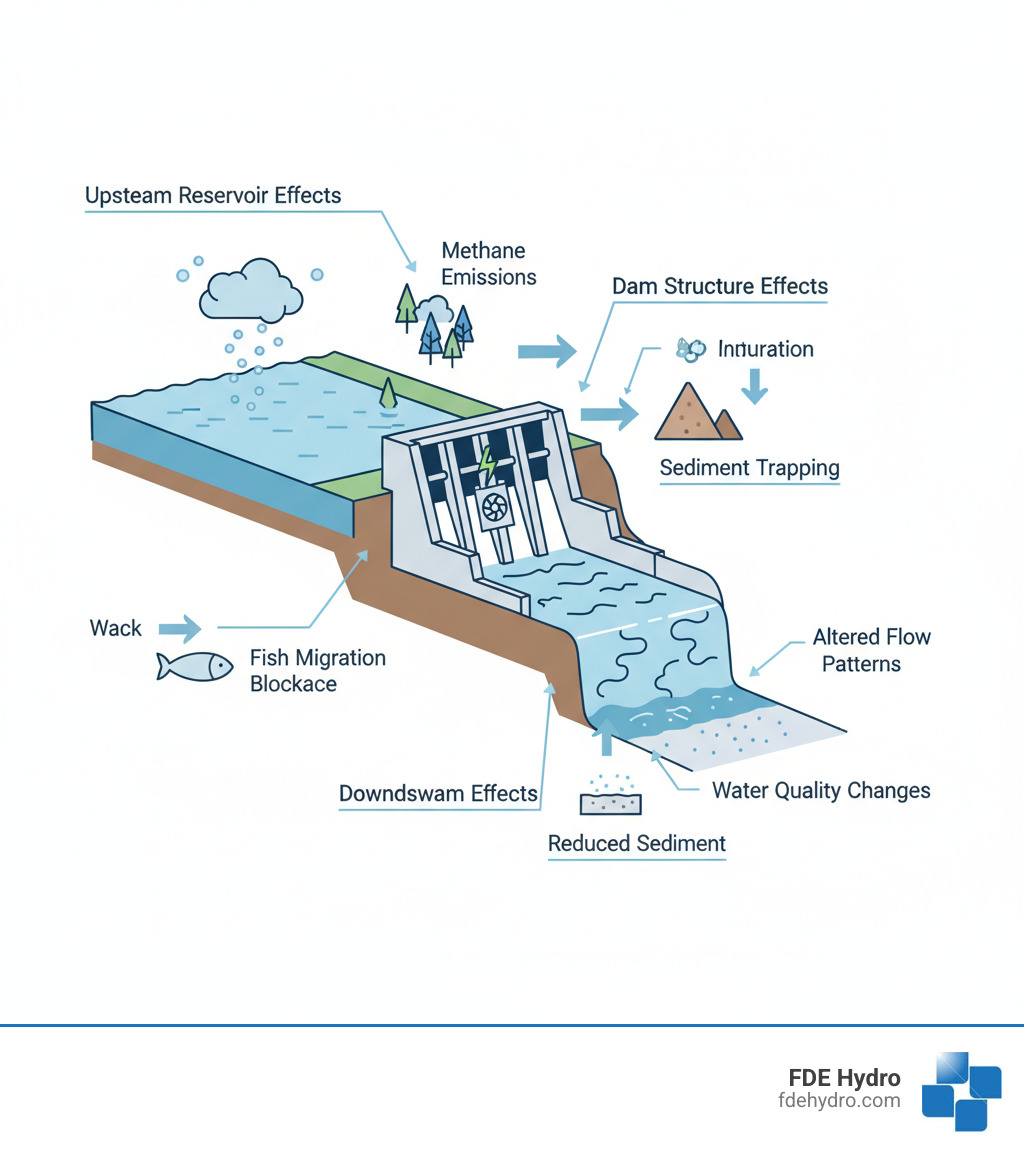
Building a hydropower dam places a massive barrier across a river, fundamentally disrupting its natural state. Rivers are dynamic, interconnected systems, and dams reshape the entire landscape, both upstream and downstream. The hydropower environmental impact on river ecosystems begins with this fragmentation.
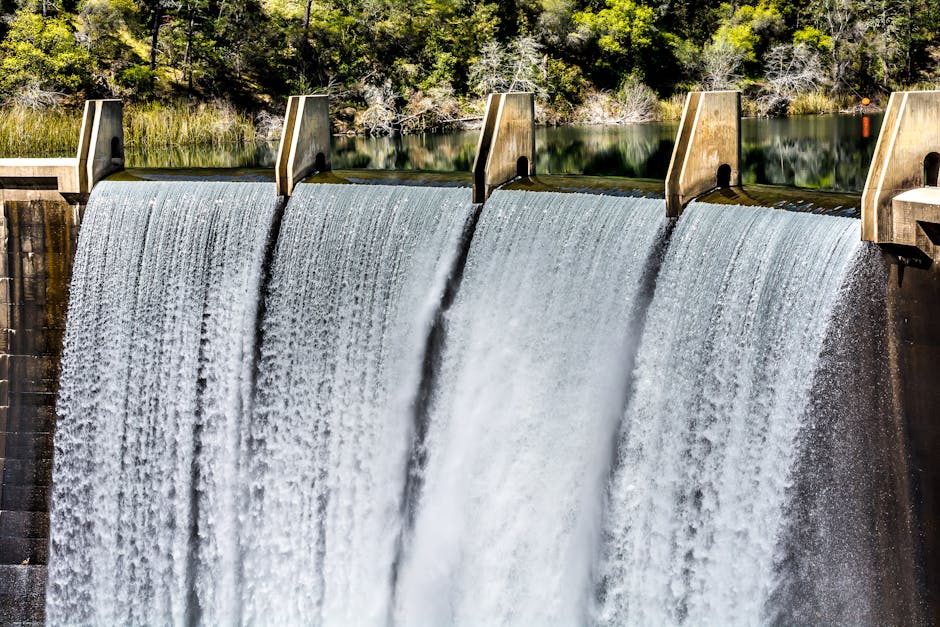
Upstream, a flowing river becomes a still-water reservoir, favoring lake-dwelling species over native river species. Downstream, the river’s natural ebb and flow are replaced by intermittent releases controlled by energy demands, altering water temperature and flow patterns.
One of the most significant impacts is sediment trapping. Dams block the natural transport of sand, silt, and organic matter that nourishes downstream deltas, beaches, and floodplains. Sediment accumulates behind the dam, reducing reservoir capacity, while downstream areas starve, leading to eroded riverbanks and disappearing coastal wetlands.
How Dams and Reservoirs Affect Aquatic Life
For many aquatic species, dams are an existential threat. They interrupt ancient migration routes for spawning and feeding. The statistics are sobering: in Europe, freshwater migratory fish populations have collapsed by 93% since 1970, with dams being a major cause. Globally, over 60% of long rivers are fragmented, devastating species like salmon and sturgeon whose populations collapse when access to spawning grounds is blocked.
Beyond blockage, the turbines themselves are dangerous. Fish pulled through the massive spinning blades face mortality rates from 5% to 30% in conventional designs due to pressure changes and physical strikes. For a river with multiple dams, these mortality rates compound, decimating populations over time.
Water quality changes add another layer of stress. Deep reservoirs stratify by temperature, and the oxygen-poor bottom layers become zones of decomposition. When dams release this cold, oxygen-depleted water, it can suffocate downstream organisms adapted to warmer, oxygen-rich conditions. These temperature shifts disrupt fish growth, insect life cycles, and entire food webs. Nutrient cycles are also disrupted, which can trigger harmful algal blooms that further deplete oxygen.
The Land Use and Social Hydropower Environmental Impact
Large reservoir projects can transform landscapes on a massive scale, flooding forests, farmland, and entire ecosystems. The Balbina dam in Brazil, for example, flooded 2,360 square kilometers to generate just 250 MW of power—a stark contrast to efficient run-of-river plants that might use a fraction of that land.
The hydropower environmental impact extends to human communities. Large dams often require displacing towns, forcing people from their homes, farmland, and ancestral lands. While our work at FDE Hydro focuses on North America, Brazil, and Europe, the human costs of large dam projects have been documented globally, with some projects displacing tens of thousands of people. Cultural heritage sites can vanish beneath the water, a loss that cannot be easily quantified.
Most concerning is the conflict between hydropower and conservation. In Europe, 28% of all planned hydropower projects are in protected areas—zones designated to preserve critical biodiversity. This tension between renewable energy goals and environmental protection is a central challenge for the industry today.
The Climate Question: Unpacking Hydropower’s Greenhouse Gas Emissions
Hydropower’s “clean energy” reputation is being re-examined through a life-cycle emissions analysis. While construction emissions are minimal over a dam’s long lifespan, the real issue is the greenhouse gases that can bubble up from the reservoir itself. This comprehensive view has sparked a debate about whether all hydropower deserves its clean energy label.
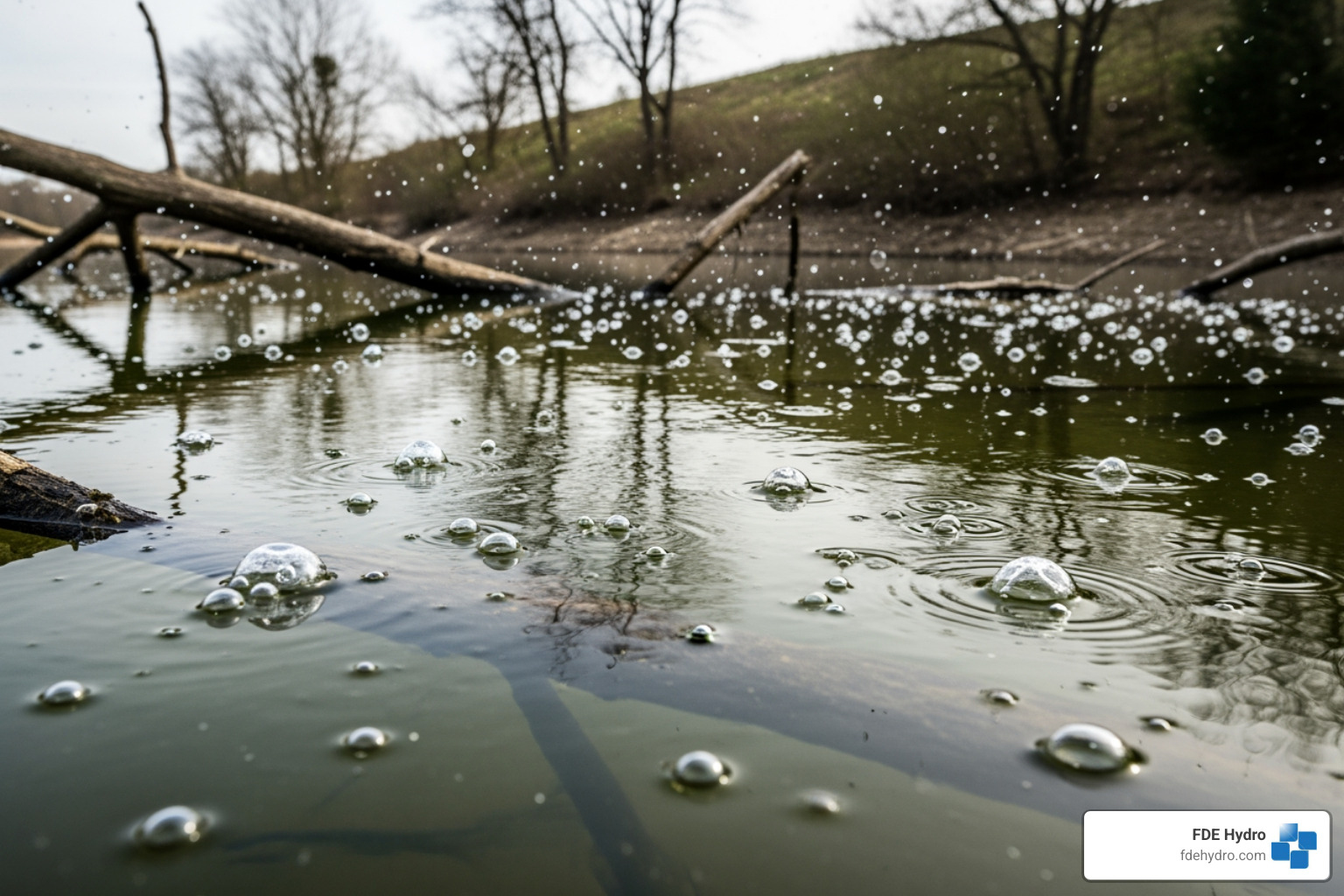
The surprise came when scientists measured what happens after a reservoir fills. The issue has gained enough attention that researchers are even working on projects to extract dam methane, turning a climate problem into an energy opportunity.
Methane and CO2: The Reservoir Emission Factor
When a valley is flooded, the submerged vegetation and soil decompose. In the oxygen-poor environment at the bottom of a reservoir, this anaerobic decomposition produces both carbon dioxide and methane. Methane is a potent greenhouse gas, trapping heat far more effectively than CO2 in the short term. When it bubbles to the surface, it releases a powerful climate-warming gas not typically associated with hydropower.
The amount of gas released varies dramatically by location. Tropical reservoirs are the biggest concern. Warm temperatures accelerate decomposition, and abundant organic matter creates conditions for high emissions. Life-cycle emissions from hydropower in tropical areas can exceed 0.5 pounds of CO2 equivalent per kilowatt-hour.
Temperate reservoirs in cooler climates generally produce fewer emissions due to slower decomposition and less organic matter. Emissions are highest in the first few years after flooding and typically decline over time.
Comparing Hydropower’s Life-Cycle Emissions to Other Energy Sources
When comparing the full life-cycle greenhouse gas emissions, the context of a hydropower project becomes clear.
| Energy Source |
Life-Cycle CO2 Equivalent (lbs/kWh) |
| Hydropower (small run-of-river) |
0.01 – 0.03 |
| Hydropower (large, semi-arid) |
~0.06 |
| Hydropower (tropical/peatlands) |
>0.5 |
| Natural Gas |
0.6 – 2.0 |
| Coal |
1.4 – 3.6 |
Small run-of-river plants have one of the lowest carbon footprints of any energy source, with emissions as low as 0.01 lbs CO2e/kWh. Large hydro in semi-arid regions also performs well, far better than fossil fuels like natural gas (0.6-2.0 lbs/kWh) and coal (1.4-3.6 lbs/kWh).
However, tropical projects with emissions exceeding 0.5 lbs/kWh begin to approach the impact of natural gas. This means a poorly sited hydropower project could have a larger climate impact than a fossil fuel plant.
This doesn’t mean hydropower is bad—it means location matters enormously. A run-of-river project in a mountain stream has a completely different climate profile than a massive reservoir flooding a tropical rainforest. At FDE Hydro, we focus on innovative approaches like modular precast concrete technology that enable smaller impoundments and run-of-river designs, significantly reducing greenhouse gas emissions.
The takeaway is that hydropower’s climate impact is a spectrum. With thoughtful site selection and modern design, it can be one of the lowest-carbon energy sources available. But assuming it’s always “clean” can lead to poor decisions.
A Global Perspective: Hydropower Challenges and Climate Risks
The global boom in dam construction has transformed the world’s rivers, and the cumulative hydropower environmental impact is forcing us to rethink how we plan new projects. When multiple dams are built on the same river, fragmentation accumulates, sediment transport is disrupted, and water quality changes cascade downstream, especially in biodiversity hotspots.
The European Hydropower Dilemma
Europe’s rivers are the most fragmented on the planet, with at least one million barriers contributing to a catastrophic 93% collapse of migratory fish populations since 1970. In response, the WWF and other groups have published a manifesto calling for a halt to new hydropower, arguing that Europe’s potential has been fully harnessed.
The concern is heightened by the proliferation of small hydropower projects. Over 90% of all hydropower plants in Europe are small (under 10 MW), but their collective impact on river fragmentation is devastating—a death by a thousand cuts.
The conflict with conservation is stark: 28% of planned hydropower projects in Europe (33% within the EU) are located in protected areas. This creates a dilemma between pursuing renewable energy targets and honoring environmental commitments.
From my perspective at FDE Hydro, working across North America, Brazil, and Europe, the solution is not to abandon hydropower but to be smarter about it. Our focus on modular, efficient designs allows for more selective project siting, reducing environmental disruption.
The Threat of Climate Change to Hydropower Sustainability
Ironically, the climate change that hydropower helps mitigate now threatens hydropower itself. Hydropower depends on consistent water flow, which is becoming increasingly uncertain due to altered precipitation and prolonged droughts.
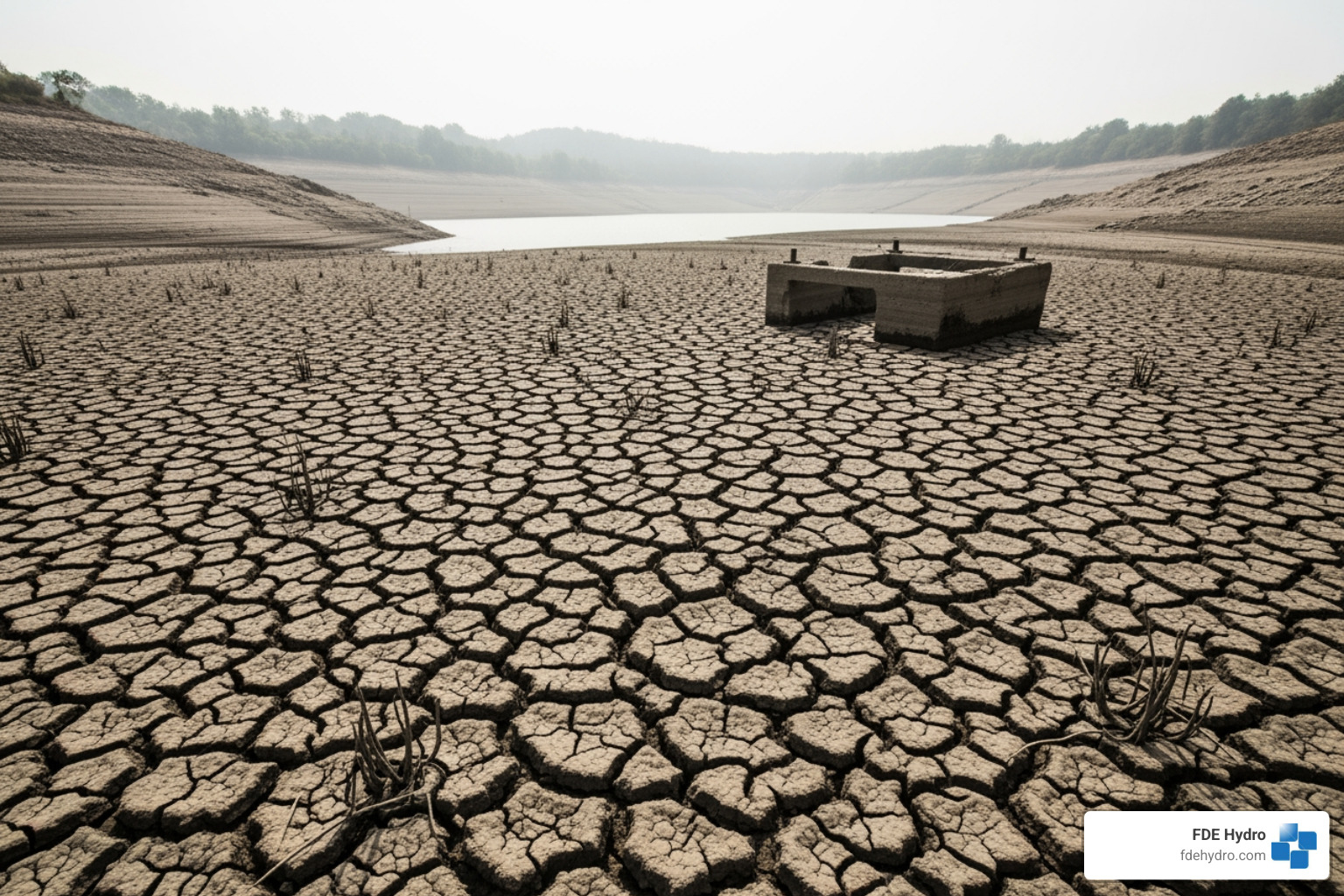
The U.S. Southwest is a sobering example, where a 22-year megadrought has dramatically lowered water levels in Lake Mead and Lake Powell, severely reducing generation at facilities like the Hoover Dam. When reservoir levels drop, so does power output.
This creates a troubling feedback loop. Reduced water flow means less electricity, making hydropower less reliable. Environmentally, lower water levels lead to higher water temperatures and reduced dissolved oxygen, further stressing aquatic ecosystems. These altered seasonal patterns are not temporary blips; they are fundamental shifts that make it harder to operate facilities in an ecologically responsible way.
Working in places like Kansas and California, I’ve seen how critical resilient and adaptable hydropower solutions are. Climate change demands that we design systems capable of functioning across a wider range of conditions. Acknowledging these vulnerabilities is essential for ensuring hydropower’s long-term sustainability.
The Path to Sustainable Hydropower: Mitigation and Innovation
The challenges of hydropower environmental impact are significant, but we are not stuck with the old ways of doing things. The future of hydropower depends on balancing energy needs with ecological preservation, and innovation is making that balance achievable.
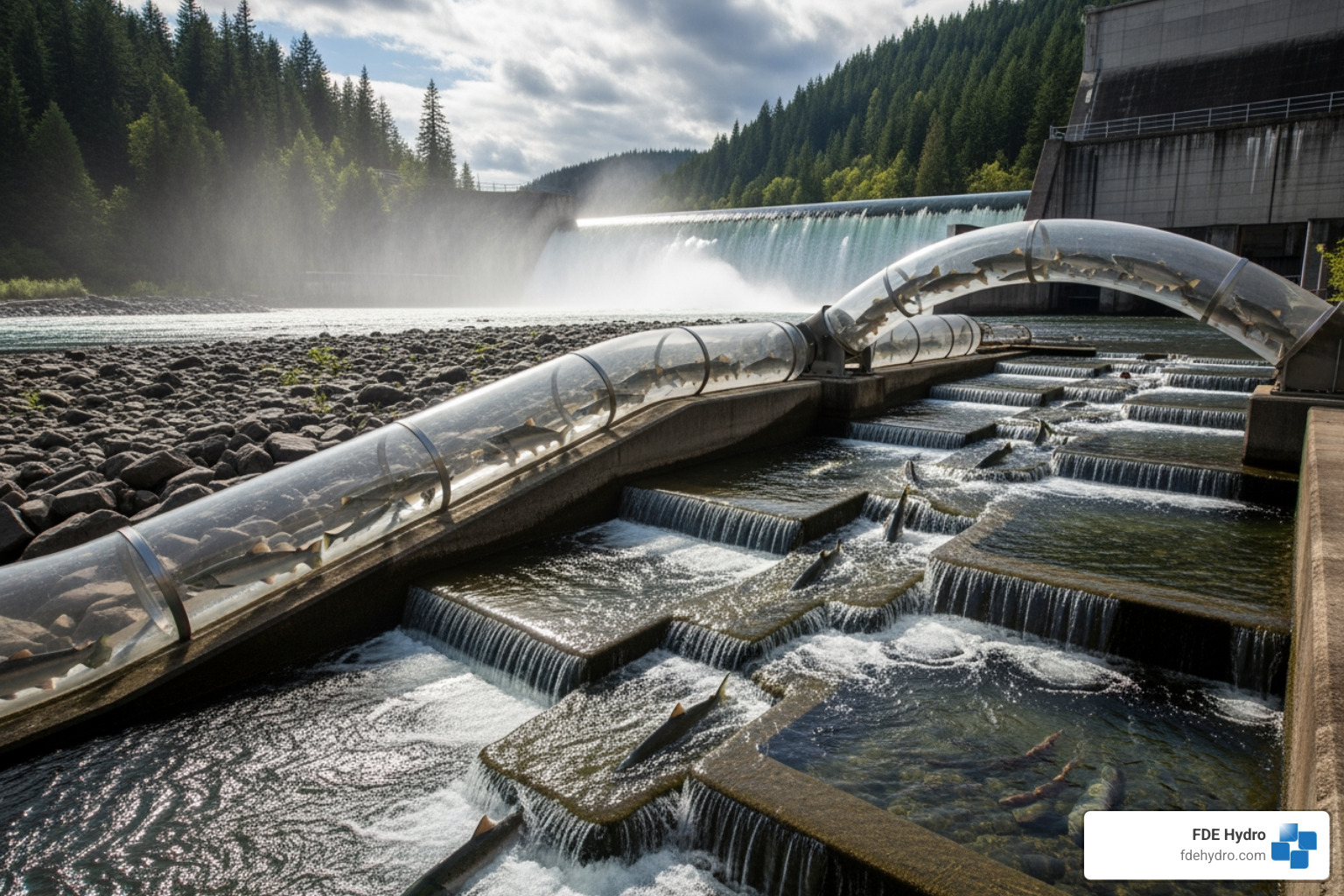
Smart engineering and modern technology can dramatically reduce hydropower’s footprint. At FDE Hydro, our modular precast concrete technology—the “French Dam”—allows for more flexible siting and faster construction. Initiatives like the U.S. Department of Energy’s Hydropower Technology Development program are also pioneering solutions being implemented in North America, Brazil, and Europe.
Large Dams vs. Run-of-River: A Key Distinction for Hydropower Environmental Impact
The type of facility is critical. Large dams with reservoirs provide consistent power and flood control but come at a high environmental cost: massive land use, river fragmentation, blocked sediment, and, in the tropics, significant methane emissions. In contrast, run-of-river projects divert a portion of the river’s flow, maintaining more of its natural character. Their footprint is tiny by comparison—a 10 MW plant might use just 2.5 acres—and their emissions are among the lowest of any energy source (0.01-0.03 lbs CO2e/kWh). While their power generation fluctuates with river flow, run-of-river designs generally offer a significantly lower environmental impact.
Technological Solutions for Mitigating the Hydropower Environmental Impact
Innovation is providing powerful tools to address key environmental concerns:
- Fish-friendly turbines: New advanced designs prioritize smoother water passage and slower blade speeds, aiming to reduce fish mortality from over 15% in conventional turbines to 2% or less.
- Advanced fish passage systems: Beyond simple ladders, solutions now include trap-and-haul systems, elevators like the one at Safe Harbor Dam, and even pressurized “salmon cannons” to help migratory species bypass obstacles.
- Sediment management: Techniques like sluicing during high flows or constructing bypass tunnels help move vital sediment downstream, maintaining habitats and reservoir capacity.
- Environmental flow simulation: Operational models can mimic a river’s natural rhythms, controlling water releases to support downstream ecosystems and aquatic life.
The Importance of Strategic Siting, Design, and Operation
Technology is most effective as part of a comprehensive strategy. The most sustainable projects combine smart planning, design, and operation from the start.
Strategic site selection is paramount. Using system-scale planning to avoid sensitive ecosystems and critical migratory corridors prevents irreversible damage. This is often paired with retrofitting existing dams with modern technology, which is more efficient than new construction. Finally, adaptive operational adjustments using real-time data and AI can optimize water releases for ecological health. In some cases, dam removal of outdated structures is the best solution for restoring a river.
Our modular precast concrete technology at FDE Hydro supports this strategy by offering more flexibility in siting and design. The path forward is about making smarter choices: choosing the right technology for the right location and operating facilities in ways that respect ecological needs. These are the foundations of truly sustainable hydropower.
Conclusion
The hydropower environmental impact is complex. It offers valuable renewable energy but can fragment rivers, harm fish, and even release greenhouse gases. The question is not whether these impacts exist, but how we address them. Fortunately, we are not stuck with the methods of the past. Modern solutions—from fish-friendly turbines and run-of-river designs to strategic site selection—are making sustainable hydropower achievable.
The future of hydropower depends on our willingness to accept these innovations and evaluate each project on its own merits. A tropical reservoir and a small run-of-river plant have vastly different ecological footprints.
At FDE Hydro, we’ve built our approach around this principle. Our patented modular precast concrete technology—the “French Dam”—enables faster, more cost-effective, and responsible construction and retrofitting of hydropower infrastructure across North America, Brazil, and Europe. Our designs prioritize flexibility, allowing projects to adapt to their specific ecological contexts and minimize disruption.
My decades in heavy civil construction and work with the Department of Energy’s Water Power Technology Office have shown me that we don’t have to choose between energy and the environment. With innovation, strategic planning, and a commitment to stewardship, we can design systems where both can thrive.
The technology and knowledge exist. It is up to us to apply them with wisdom and care.
Learn more about our innovative water control systems
by Bill French Sr. | Dec 2, 2025 | Hydropower Articles
What is Hydroelectric Power Generation?
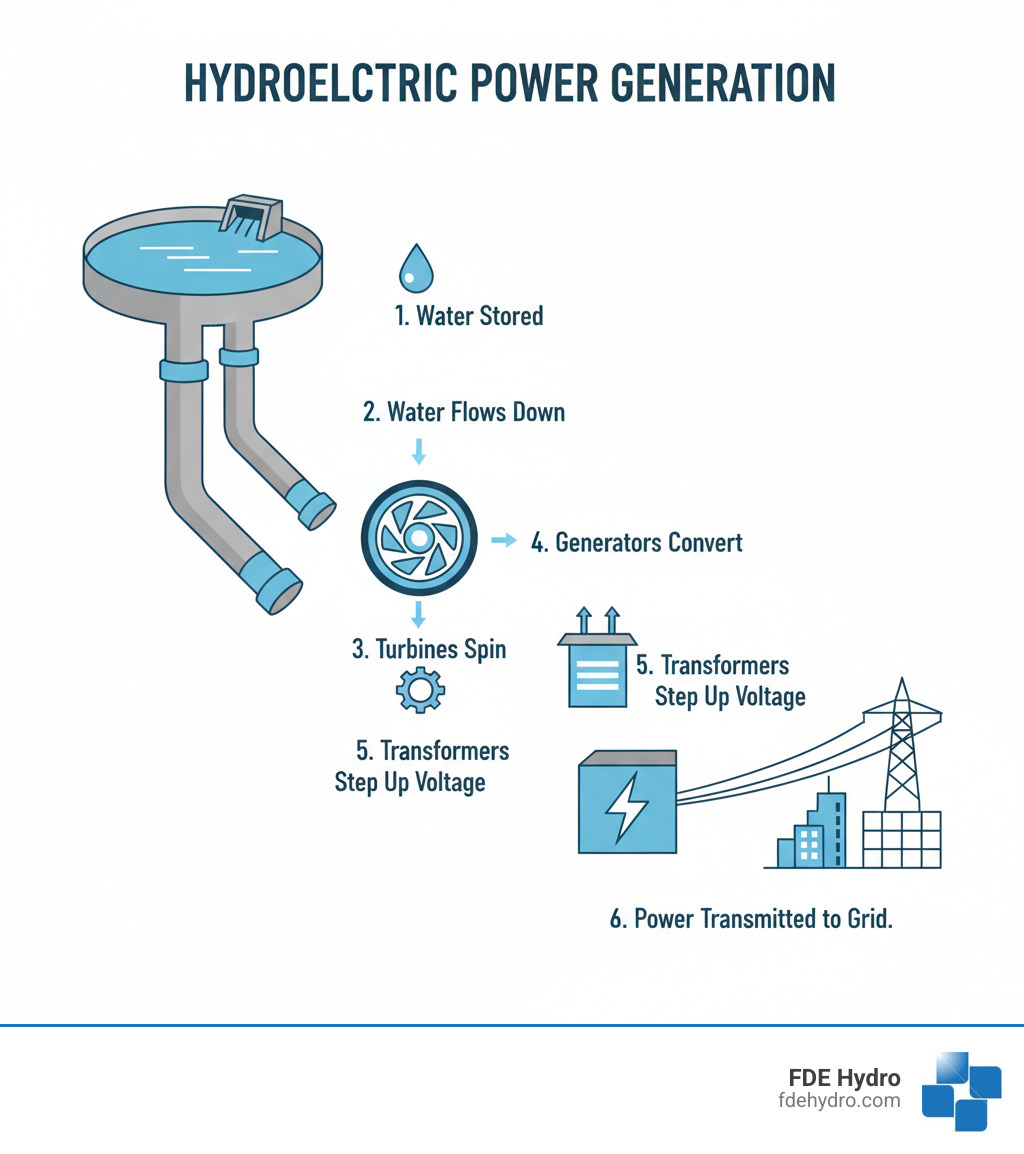
Hydroelectric power generation is the process of producing electricity by using the energy of flowing or falling water. Here’s how it works:
- Water is stored behind a dam in a reservoir at a higher elevation
- Water flows down through large pipes called penstocks, building pressure
- The moving water spins turbines connected to generators
- Generators convert the mechanical energy into electrical energy
- Electricity flows through transformers and power lines to homes and businesses
Hydropower is a renewable energy source because it relies on the water cycle—evaporation, precipitation, and runoff—which constantly replenishes the water supply. Unlike fossil fuels, it produces no direct carbon emissions during operation.
For over two thousand years, humans have harnessed water power, from ancient Greek waterwheels grinding grain to today’s massive dams generating electricity for millions. Hydropower now supplies 15% of the world’s electricity and represents the largest source of renewable energy globally, with nearly 1,400 GW of installed capacity as of 2021.
The appeal is straightforward: water flows predictably, hydropower plants can ramp up or down quickly to meet demand, and once built, they operate with minimal fuel costs for 65 to 85 years. Yet hydropower also presents challenges—high upfront construction costs, long development timelines, and environmental impacts that require careful management.
I’m Bill French, founder and CEO of FDE Hydro, and I’ve spent the past decade developing modular construction solutions for hydroelectric power generation after leading major civil construction projects for five decades. In 2015, I was selected by the Department of Energy to help define the strategic roadmap for next-generation hydropower solutions in the United States.
The Mechanics of Hydroelectric Power Generation
Hydroelectric power generation is really just physics doing what it does best—converting one form of energy into another. It starts with water sitting peacefully in a reservoir, high above the power plant. That water has what scientists call potential energy, which is just a fancy way of saying it has stored energy because of its height.
When we release that water, gravity pulls it downward, and all that potential energy transforms into kinetic energy—the energy of motion. The water picks up speed as it rushes down through massive pipes. Our job is to capture that moving energy and turn it into electricity.
Think of it like this: imagine holding a bowling ball at the top of a staircase. It’s not doing anything yet, but it has the potential to do a lot. Drop it, and gravity takes over, converting that potential into motion. The higher the staircase and the heavier the ball, the more energy you get. That’s exactly how hydropower works, except we’re talking about millions of gallons of water falling from great heights.
This is why geography matters so much. A river dropping sharply through mountains? Perfect for hydropower. A gently meandering river across the plains of Kansas? Not so much. We need what engineers call “head”—the vertical distance the water falls—and plenty of water flow to make hydroelectric power generation work efficiently.
For a deeper look at these fundamentals, the Department of Energy has an excellent resource on How Hydropower Works.
What are the main components of a hydroelectric power plant?
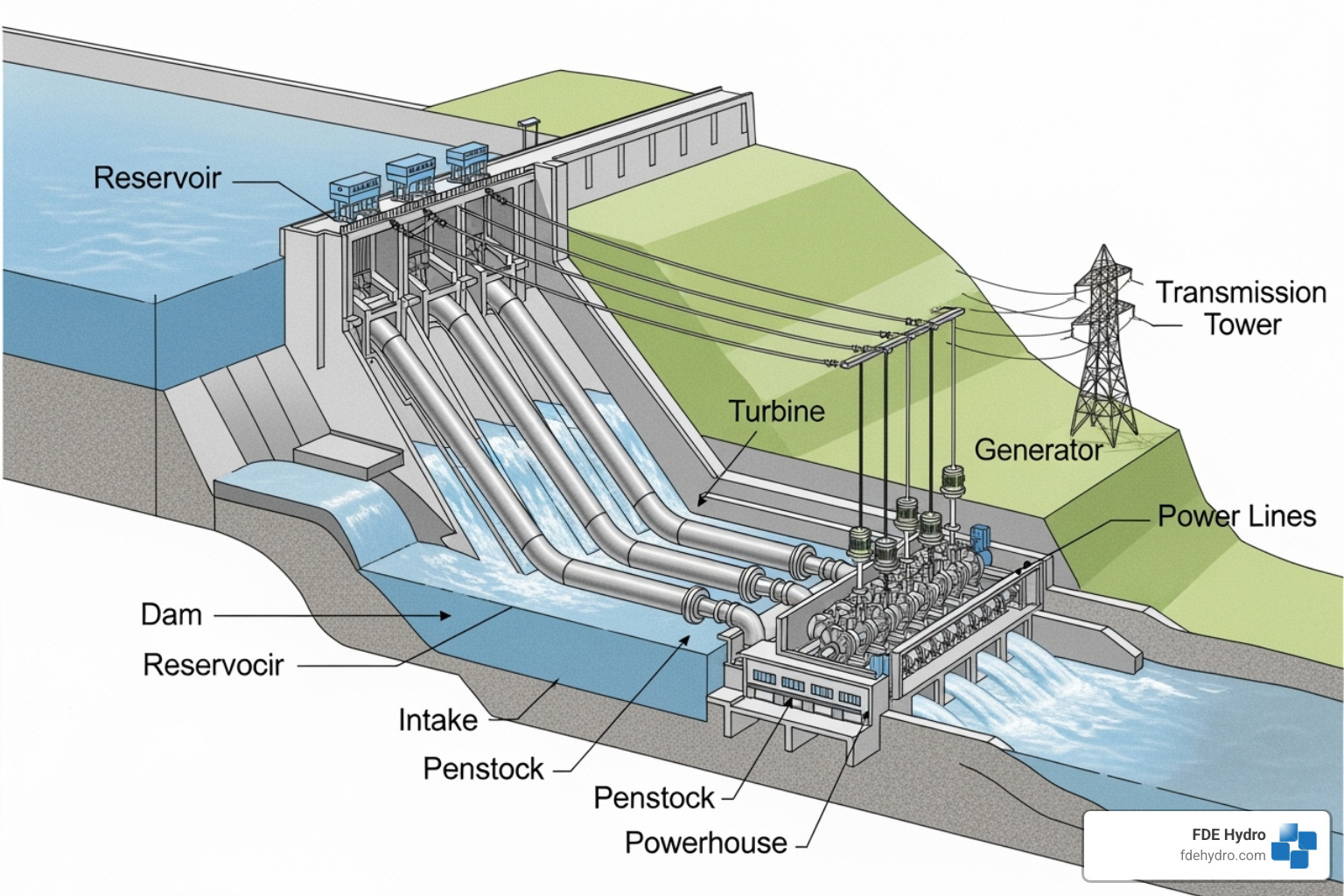
A hydroelectric power plant is like a well-orchestrated machine, with each part playing a specific role in turning water into watts. Let’s walk through these components as water would experience them on its journey to becoming electricity.
Everything begins with the dam—the massive barrier stretching across a river valley. These structures can be enormous concrete monuments like the Hoover Dam, or smaller diversion weirs, but they all serve the same purpose: holding back water and creating the elevation difference we need.
Behind the dam sits the reservoir, which is essentially a giant battery made of water. This artificial lake stores tremendous amounts of water—up to 1,500 terawatt-hours of potential electrical energy when you add up all the conventional hydropower reservoirs worldwide. Beyond power generation, these reservoirs often provide flood control, drinking water, and recreation opportunities.
When it’s time to generate electricity, water enters through the intake, a carefully designed gate structure that controls how much water flows into the system. From there, it rushes into the penstock—those enormous steel or concrete pipes you might have seen running down the face of a dam. These penstocks channel the water at high pressure toward the power plant below.
At the bottom, the pressurized water slams into the turbine, a precisely engineered wheel with curved blades. The water’s force spins the turbine at high speed, and this is where we finally convert water’s kinetic energy into mechanical rotation. Different turbine designs—Francis, Pelton, and Kaplan are the main types—work best under different conditions of water flow and head.
The spinning turbine connects directly to a generator through a shaft. This is where mechanical energy becomes electrical energy through a process we’ll explain in just a moment. The electricity comes out at a relatively low voltage, so transformers step it up to the high voltages needed for efficient long-distance transmission through power lines to homes and businesses.
Finally, the water that’s done its job flows away through the tailrace, a channel that returns it to the river downstream. The water continues on its natural journey, ready to be used again as the water cycle continues.
How do turbines and generators create electricity?
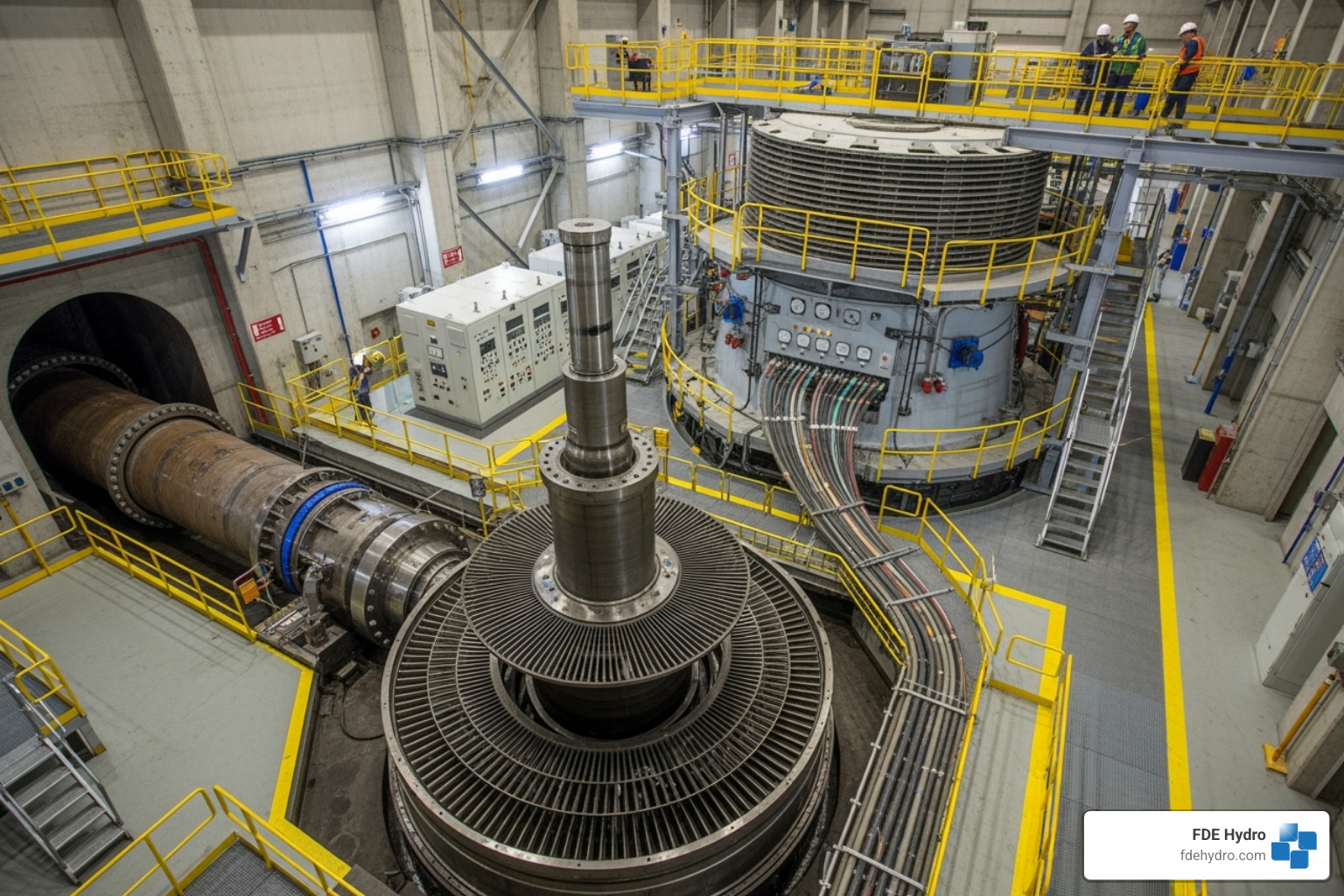
Here’s where water’s journey reaches its climax. When that high-pressure water hits the turbine blades, it strikes with tremendous force—enough to spin multi-ton turbines at hundreds of revolutions per minute. Each blade is carefully shaped to extract the maximum energy from the flowing water.
The turbine connects by a shaft to the generator, and this is where Michael Faraday’s findy from the 1830s comes into play. Faraday figured out that moving a magnet near a wire creates an electric current in that wire. It’s called electromagnetic induction, and it’s the principle behind every generator in the world.
Inside a hydroelectric generator, powerful electromagnets are mounted on a spinning part called the rotor. As the turbine spins, it rotates these magnets past coils of copper wire arranged in the stationary outer shell—the stator. The moving magnetic field induces an alternating current (AC) in those copper coils, and that’s our electricity.
It’s remarkably neat when you think about it. Water falls, spins a wheel, rotates some magnets past some wire, and suddenly you’ve got the power to run a city. The U.S. Geological Survey – Hydroelectric Power: How it Works offers a detailed explanation if you want to dig deeper into the science.
What is Pumped Storage Hydroelectricity?
Not all hydroelectric power generation involves a river flowing through a dam. Some of the most valuable hydropower facilities actually pump water uphill—which sounds backwards until you understand what they’re really doing.
Pumped storage hydroelectricity works like a giant rechargeable battery, except it uses water and gravity instead of chemicals. These systems have two reservoirs at different elevations—one up high, one down low. During times when electricity is cheap and abundant (like 2 AM when everyone’s asleep, or midday when solar panels are cranking out more power than anyone needs), the facility uses that excess electricity to pump water from the lower reservoir to the upper one.
That water sitting in the upper reservoir is now stored energy, just waiting to be released. When electricity demand spikes—say, when everyone comes home on a hot summer evening and turns on their air conditioners—the plant releases that stored water. It rushes downhill through penstocks, spins turbines, and generates electricity within minutes.
This ability to respond instantly makes pumped storage hydroelectricity incredibly valuable for grid stability. In fact, pumped storage provides 96% of all utility-scale energy storage in the United States. When wind suddenly dies down or clouds pass over solar farms, pumped storage facilities can fill the gap before anyone notices a flicker in their lights.
Yes, these facilities use more electricity pumping water uphill than they generate on the way down—they’re net energy consumers. But that’s missing the point. Their real value is in storing energy when it’s abundant and releasing it when it’s desperately needed. They’re the grid’s insurance policy, keeping everything stable and allowing us to integrate more intermittent renewable sources like wind and solar.
Learn more about this critical technology on our Pumped Storage Hydropower page.
The Advantages and Disadvantages of Hydropower
When we consider hydroelectric power generation, it’s important to approach it with a balanced perspective. Like any large-scale energy technology, it comes with a unique set of advantages that make it an invaluable part of our energy mix, as well as disadvantages and environmental trade-offs that demand careful consideration and ongoing innovation.
| Advantages |
Disadvantages |
| Renewable & Clean: Produces no direct air pollution and relies on the natural water cycle. |
High Initial Cost: Building large dams requires a massive upfront investment and long development timelines. |
| Low Operating Costs & Long Lifespan: Once built, plants can operate for 65-85 years or more with minimal fuel and maintenance costs. |
Environmental Impact: Dams can alter river ecosystems, block fish migration, and change water temperature and sediment flow. |
| Grid Flexibility & Reliability: Hydropower can be ramped up or down in minutes, providing essential stability to the power grid. |
Human Displacement: The creation of large reservoirs can require relocating entire communities. |
| Multiple Benefits: Reservoirs can provide flood control, a reliable water supply for irrigation and cities, and recreational opportunities. |
Greenhouse Gas Emissions: Decomposing organic matter in reservoirs can release methane, a potent greenhouse gas. |
by Bill French Sr. | Nov 27, 2025 | Hydropower Articles
Why Hydropower Advancements Innovations 2025 Matter Now More Than Ever
Hydropower advancements innovations 2025 are reshaping the world’s oldest renewable energy source into a modern, flexible, and environmentally responsible cornerstone of the clean energy transition. As variable renewables like solar and wind grow rapidly, hydropower’s ability to provide baseload power, grid stability, and massive energy storage becomes increasingly critical.
Key 2025 Hydropower Innovations:
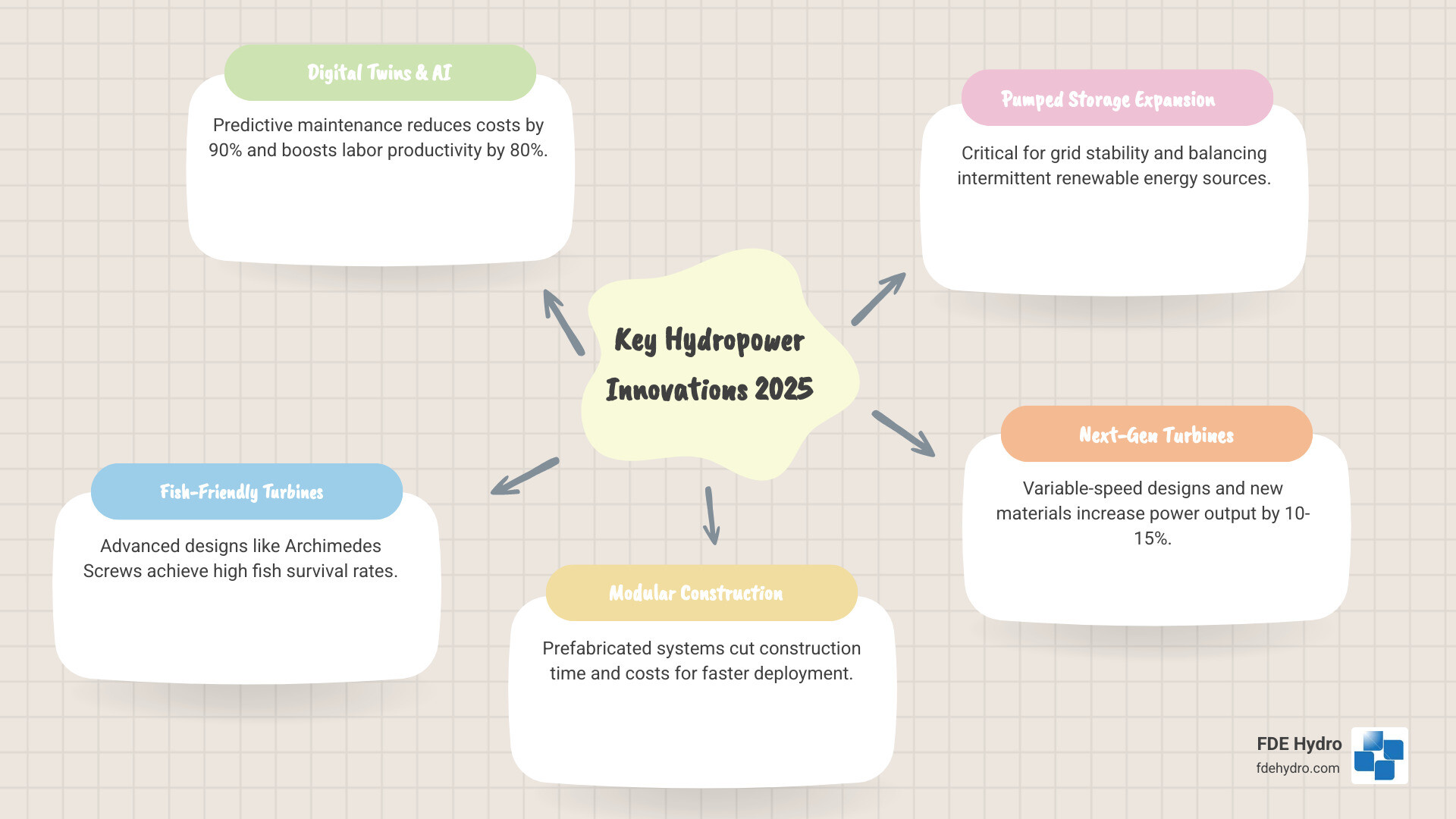
- Digital Twins and AI – Predictive maintenance reducing corrective costs by 90% and boosting labor productivity by 80%
- Fish-Friendly Turbines – Archimedes Screw and advanced runner designs achieving 100% fish survival rates
- Modular Construction – Prefabricated systems cutting construction time and costs while enabling small-scale deployment
- Pumped Storage Expansion – PSH capacity growing 5% globally to 189 GW, with pipelines exceeding 600 GW
- Marine and Hydrokinetic Systems – Zero-head tidal and river current technologies opening new water resources
- Performance Analytics – Real-time monitoring and numerical cloning optimizing efficiency and reliability
- Variable-Speed Turbines – Permanent magnet generators and composite materials increasing output by 10-15%
The urgency is clear: hydropower must grow from 80 GW to nearly 150 GW in the U.S. by 2050 to meet climate goals. Yet many plants are over 60 years old, and traditional construction methods are too slow and expensive. The gap between current development pipelines (500+ GW globally) and what’s needed (an additional 600-850 GW by 2050) demands faster, smarter solutions.
As Malcolm Turnbull noted in the 2025 World Hydropower Outlook: “Markets alone won’t deliver what is needed. Continued momentum will require bold policy action, including reforms to reward hydropower’s multiple benefits, and faster permitting. The only resource we lack is time.”
I’m Bill French, founder and CEO of FDE Hydro™, where we’ve pioneered modular civil construction solutions—including the patented “French Dam”—specifically designed to accelerate delivery of hydropower advancements innovations 2025 while reducing costs and environmental impacts. After five decades building infrastructure and serving on the DOE’s Hydro Power Vision Technology Task Force, I’ve seen how modular approaches can transform an industry constrained by conventional methods.
The Digital Dam: AI and Data Analytics in Hydropower
The future of hydropower isn’t just about water and concrete anymore. It’s also about the thousands of data points streaming from sensors every second, the algorithms predicting tomorrow’s problems today, and the virtual models that let us test ideas without risk. This digital change is one of the most exciting hydropower advancements innovations 2025 has brought to our industry.
Think about it this way: we’ve been moving water through turbines for over a century. We’re pretty good at that part. But now we’re learning to make those systems smarter, more efficient, and far more reliable by letting computers do what they do best—spot patterns humans might miss and predict what’s coming next.
Optimizing Operations with Predictive Analytics
Here’s something that would have seemed like science fiction just a decade ago: knowing exactly when a bearing will fail three weeks before it happens. That’s predictive maintenance in action, and it’s changing how we run hydropower plants.
Instead of waiting for something to break or doing maintenance “just because it’s been six months,” we’re using AI to tell us exactly when equipment needs attention. Sensors continuously monitor vibration, temperature, pressure, and dozens of other variables. Machine learning algorithms analyze this data and flag potential issues before they become problems.
The results are honestly remarkable. One comprehensive study found that implementing advanced analytics and continuous monitoring for predictive maintenance led to a 90% decrease in corrective maintenance costs and an 80% increase in labor productivity. That’s not a typo—ninety percent fewer emergency repairs because we caught issues early. The International Energy Agency has highlighted how digital technologies are changing hydropower operations worldwide, making them more efficient and reliable than ever before.
AI-powered forecasting goes beyond just equipment health, too. Self-learning algorithms can now predict water inflow patterns and electricity price fluctuations, letting operators create optimal dispatch plans. This means generating power when it’s most valuable and most needed for the grid. Satellite radar systems are even tracking dam conditions from space, identifying potential structural concerns before they require site visits.
This integration of artificial intelligence and data analytics represents a fundamental shift in how we operate facilities. Instead of reacting to problems, we’re preventing them. Instead of guessing when to run turbines, we’re optimizing every hour based on real-time data and sophisticated predictions.
The Rise of Digital Twins and Advanced Simulations
Digital twins might sound futuristic, but they’re becoming standard tools for modern hydropower operations. Think of a digital twin as a complete virtual replica of your physical facility—a living, breathing model that mirrors exactly what’s happening in the real world.
These aren’t just static 3D renderings. They’re dynamic simulations fed by real-time sensor data, allowing us to test scenarios, stress-test designs, and plan maintenance without touching the actual equipment. Want to know what happens if you increase flow by 20% during a heat wave? Run it in the digital twin first.
IoT platforms are creating comprehensive views of every machine in a facility, tracking performance, predicting maintenance needs, and even suggesting operational improvements. This technology is invaluable whether you’re designing a new dam, planning a major retrofit, or optimizing daily operations at an existing plant.
The really exciting part? We’re moving toward what some experts call “AI dam designers”—systems that can optimize designs for both efficiency and environmental impact. These tools can model countless design variations, finding solutions that human engineers might never consider. They can dynamically reconstruct facilities, simulate different operational scenarios, and analyze outcomes with incredible precision.
At FDE Hydro, we’re embracing these digital tools in our modular construction approach. For more on how we’re integrating advanced technology into dam development, check out our insights on AI-Driven Development.
The combination of digital twins, predictive analytics, and AI-powered optimization isn’t just making hydropower more efficient—it’s making it smarter, more responsive, and better equipped to play its crucial role in the clean energy transition.
Greener Hydro: Innovations for Environmental Sustainability
For too long, hydropower has faced criticism regarding its environmental impact, particularly on aquatic life. However, hydropower advancements innovations 2025 are heavily focused on mitigating these concerns, leading to a new era of “greener hydro” that prioritizes ecological balance alongside energy generation. We’re committed to proving that hydropower can be both powerful and protective of our precious ecosystems.
Fish-Friendly Turbine Designs
The impact of turbines on migrating fish has been a major challenge. But innovative designs are changing the game. The Archimedes Screw Turbine (AST), for instance, has demonstrated a remarkable 100% survival rate for migrating fish in projects like the Hanover Pond Dam in Meriden, Connecticut. These turbines operate at slower speeds with wider openings, creating a gentler passage for aquatic life.
Another breakthrough is the Restoration Hydro turbine (RHT), which integrates advanced runner blade designs to eliminate the need for costly screens and ensures high survival rates for juvenile fish. The Freedom Falls Project in Maine, for example, has shown estimated 100% 48-hour survival with less than 3% injury for juvenile alewives. Beyond turbines, nature-like fishways, such as the one implemented at the Oswegatchie River Project in New York, are proving highly effective, allowing over 2,000 fish from 14 species to pass safely within just five days of installation. These solutions are crucial for maintaining river connectivity and biodiversity.
Aeration and Water Quality Improvements
Maintaining optimal water quality, especially dissolved oxygen levels, is vital for aquatic ecosystems downstream of hydropower facilities. Innovations in turbine aeration systems and advanced reservoir management techniques are helping us achieve this. Some projects even use solar-powered aerators to actively maintain water health, ensuring that the water released from our facilities supports thriving aquatic life. This focus on water quality is part of a broader commitment to sustainable water management, a topic we explore further in The Biggest Untapped Solution to Climate Change is in the Water.
Powering the Future: Key Hydropower Advancements Innovations 2025
The U.S. has an ambitious goal: grow our hydropower capacity from 80 GW to nearly 150 GW by 2050. That’s almost doubling what we have now. The challenge? Many of our existing plants were built when your grandparents were young—some are over a century old. We can’t just patch them up and hope for the best. We need smarter, faster, more cost-effective solutions.
This is where hydropower advancements innovations 2025 really shine. We’re not just talking about incremental improvements; we’re talking about game-changing technologies that make hydropower more efficient, more affordable, and more adaptable to modern grid demands.
Next-Generation Turbines: Efficiency and Hydropower Innovations 2025
Think of turbines as the heart of a hydropower plant. The more efficiently they convert water flow into electricity, the more power we generate from the same resource. New variable-speed turbines can adjust to fluctuating water flows, capturing energy that older fixed-speed designs would miss.
Permanent magnet generators (PMGs) are revolutionizing this space. They’re smaller and lighter than conventional generators, yet they deliver higher power output—even at low speeds. This makes them perfect for both upgrading existing plants and building new ones. Advanced composite materials and additive manufacturing (yes, 3D printing for turbines!) are creating components that are lighter, stronger, and more durable.
The result? These innovations can boost power generation capacity by 10-15% at existing facilities. That’s like adding new capacity without building new dams. The U.S. Department of Energy has identified advanced manufacturing as a critical opportunity for hydropower, and we’re seeing that potential realized right now. To understand more about how this power source works, visit our Hydropower page.
Modular Hydropower: The Key to Scalability
Here’s the hard truth: building dams the traditional way is slow and expensive. It can take years just to get through permitting, then more years for construction. When you’re trying to double your hydropower capacity in 25 years, that timeline just doesn’t work.
Modular construction is changing everything. Instead of building everything on-site from scratch, we use standardized, precast components that can be manufactured in controlled factory settings and assembled quickly in the field. It’s like the difference between building a house stick by stick versus assembling a prefabricated home.
Our patented “French Dam” technology takes this approach to heart. We use modular precast concrete structures to build and retrofit hydroelectric facilities, dramatically cutting both construction time and costs. This isn’t just theory—we’ve proven it works in North America, Brazil, and Europe. Learn more about our Modular Construction Techniques and see how our Prototype of Modular Precast French Dam Completed is setting new standards.
The beauty of modular systems goes beyond speed. They’re perfect for electrifying non-powered dams—structures that already exist but don’t generate power. The U.S. has thousands of these. They’re also ideal for canal and conduit projects, opening up vast untapped potential for small-scale hydropower generation. We believe this approach is essential for Reinvigorating Hydropower across the country.
Tapping New Waters: Marine and Hydrokinetic (MHK) Innovations 2025
Not all water power comes from dams. Marine and hydrokinetic technology captures energy from ocean currents, tides, waves, and even free-flowing rivers—no dam required. This opens up entirely new locations for renewable energy generation, especially in coastal areas and rivers where traditional hydropower isn’t practical.
River current systems are particularly exciting because they can generate electricity from flowing water with minimal environmental impact. Some designs operate just below the water surface and can even self-submerge during floods, protecting both the equipment and the ecosystem. Tidal power harnesses the predictable rhythm of ocean tides, providing reliable renewable energy for coastal communities.
These zero-head technologies (systems that don’t need a significant water height difference) are perfect for decentralized energy generation. They can power remote communities, island grids, or supplement existing power systems without the infrastructure requirements of traditional hydropower. As we look toward a more distributed, resilient energy grid, MHK innovations represent a crucial piece of the puzzle for hydropower advancements innovations 2025.
The Water Battery: Energy Storage and Grid Flexibility
Think of pumped-storage hydropower as a giant rechargeable batteryexcept instead of lithium and chemicals, it uses water and gravity. As solar panels go dark at sunset and wind turbines slow on calm days, the grid desperately needs something to fill the gaps. That’s where hydropower’s energy storage capabilities become absolutely critical.
PSH provides the largest form of energy storage in power grids worldwide, with 179 GW installed globally as of 2023. But here’s the exciting part: PSH capacity is growing rapidly, hitting 189 GW with development pipelines exceeding 600 GW. These aren’t just numbersthey represent the infrastructure that will keep our lights on as we transition to a cleaner energy future.
The beauty of PSH is simple: when we have excess renewable energy (like midday solar), we pump water uphill to a reservoir. When demand spikes or the sun sets, we release that water through turbines to generate power exactly when it’s needed. It’s energy storage at a scale that batteries alone simply can’t match yet.
The Evolution of Pumped Storage Hydropower (PSH)
PSH technology isn’t standing still. The latest hydropower advancements innovations 2025 are making these systems smarter, faster, and more flexible than ever before.
Variable-speed PSH represents a major leap forward. Unlike traditional fixed-speed systems, these plants can adjust their pumping and generating rates in real-time, responding to grid needs within seconds. This flexibility is invaluable for balancing the moment-to-moment fluctuations that come with wind and solar power.
Ternary units and closed-loop systems are also gaining traction. Closed-loop PSH doesn’t rely on river flowsinstead, it circulates water between two reservoirs, dramatically reducing environmental impacts on aquatic ecosystems. This makes permitting easier and opens up more potential sites.
One of the most innovative developments involves repurposing abandoned underground mines for PSH. These existing cavities offer high heads (vertical drops) perfect for energy storage, and they’re already excavatedno need to flood valleys or build massive above-ground reservoirs. The mines become productive assets again, storing energy in closed-loop systems that use gravity and water to balance the grid.
Another breakthrough uses high-density fluids instead of plain water, allowing PSH plants to operate on lower hills rather than requiring mountain heights. This innovation slashes construction costs and expands the number of viable PSH sites dramatically. Suddenly, regions that couldn’t consider PSH before have options.
These advancements are essential for supporting clean energy systems and ensuring grid stability as we add more renewables. For a deeper dive into how this technology works, visit our dedicated Pumped Storage Hydropower page.
Hybrid Energy Systems
The smartest grids don’t rely on just one technologythey combine the best features of multiple sources. That’s the thinking behind hydro-battery hybrid systems, which pair PSH’s massive long-duration storage with the lightning-fast response of grid-scale batteries.
PSH excels at storing enormous amounts of energy for hours or even days. Batteries, on the other hand, can respond in milliseconds to provide frequency regulation and stabilize voltage. Together, they create a powerful combination that offers superior grid reliability and ancillary services that neither could provide alone.
We’re also seeing more co-location of hydropower with solar and wind farms. This makes tremendous sense: the same transmission lines that carry hydropower can also handle solar and wind energy, and the hydropower can smooth out their variability. When the wind dies down or clouds roll in, hydropower steps up instantly. When renewables are producing more than the grid needs, PSH stores that excess energy for later.
These hybrid systems maximize the strengths of each energy source while minimizing their weaknesses. They ensure a more resilient, flexible grid that can handle the complexities of a renewable-dominated future. As we continue integrating variable renewables, these hybrid approaches will become not just helpful, but essential for maintaining the reliable power we all depend on.
Frequently Asked Questions about Hydropower Innovation
What is the biggest challenge facing the hydropower industry?
If I’m being honest, we’re facing a perfect storm of challenges. The most pressing issue is simply aging infrastructure. Walk into many hydropower facilities today, and you’ll find equipment that’s been running for 60, 70, even 100 years. These plants were engineering marvels when they were built, but they weren’t designed to last forever. Outdated machinery doesn’t just underperform; it creates real risks of costly, unexpected failures.
Beyond the physical infrastructure, we’re navigating a maze of complex regulatory problems. Permitting processes can drag on for years, and while environmental protections are absolutely necessary, the approval timelines often don’t reflect the urgency of our climate goals. There’s also a public perception challenge—many people still associate hydropower with the massive environmental disruptions of decades past, not realizing how much the technology and our approach have evolved.
Then there’s the economic reality: high upfront capital costs make new projects difficult to finance, especially when traditional construction methods are slow and expensive. Add supply chain complications into the mix, and you can see why expansion has been sluggish. The good news? Hydropower advancements innovations 2025 are directly tackling these barriers through modular construction, digital optimization, and more environmentally sensitive designs. It’s not an easy road, but the path forward is becoming clearer.
How do new technologies make hydropower more cost-effective?
The economics of hydropower are being transformed from multiple angles, and it’s genuinely exciting to watch. Modular construction is probably the most dramatic game-changer. At FDE Hydro, we’ve seen how using standardized, precast components can slash both construction time and labor costs. What used to take years can now happen in months. Less time on-site means lower costs, plain and simple.
Digitalization is the other major cost-cutter. When you can predict equipment failures before they happen, you avoid the astronomical costs of emergency repairs and unplanned downtime. We’re seeing plants reduce their corrective maintenance costs by 90% and boost labor productivity by 80% through AI-driven predictive maintenance and performance analytics. That’s not incremental improvement; that’s revolutionary.
And here’s something that often gets overlooked: efficiency upgrades to existing facilities. Next-generation turbines with advanced materials and variable-speed technology can increase power output by 10-15% from the same amount of water. That means more revenue from assets you already own, without the expense of building something new. When you combine faster construction, lower maintenance costs, and higher output, suddenly hydropower projects that didn’t pencil out before become economically viable.
What are the societal benefits of advancing hydropower?
This is where I get passionate, because hydropower’s benefits ripple far beyond the electricity meter. At the most fundamental level, hydropower provides increased grid reliability. While solar panels go dark at night and wind turbines stop when the air is still, hydropower delivers steady, dependable baseload power. Even better, it can ramp up or down quickly to balance those intermittent sources, preventing blackouts and keeping the lights on for everyone.
The climate impact is enormous. Hydropower is a zero-carbon energy source, meaning every megawatt-hour we generate is a megawatt-hour that doesn’t come from fossil fuels. As we race toward climate goals, that matters more every single day.
There’s also a significant economic benefit through job creation. Building, operating, and maintaining hydropower facilities creates good-paying jobs in manufacturing, engineering, construction, and operations. These aren’t jobs that can be outsourced; they’re rooted in local communities and support local economies.
But here’s something people don’t always realize: modern hydropower isn’t just about electricity. It’s about comprehensive water management. The same infrastructure that generates power also helps control floods, provides water for irrigation during droughts, and creates recreational opportunities like fishing and boating. When we advance hydropower with fish-friendly designs and improved water quality measures, we’re not just generating clean energy—we’re protecting and enhancing entire river ecosystems for future generations. That’s the kind of multi-benefit infrastructure our world desperately needs.
Conclusion
We’re living through a remarkable moment in hydropower history. The hydropower advancements innovations 2025 we’ve explored in this article represent far more than technical upgrades—they’re fundamentally reshaping how we think about this time-tested renewable energy source.
The digital revolution is making our plants smarter and more efficient, with AI and digital twins catching problems before they happen and optimizing every drop of water that flows through our turbines. Environmental innovations are proving that we can generate clean power while protecting the fish and ecosystems that share our rivers. Modular construction is breaking down the time and cost barriers that have held back expansion for too long.
Perhaps most exciting is hydropower’s emerging role as the backbone of our renewable energy future. As pumped storage capacity expands and hybrid systems combine the best of multiple technologies, hydropower is becoming the “water battery” that makes solar and wind power truly reliable. This isn’t just about keeping the lights on—it’s about building a stable, resilient grid that can support our transition to net-zero emissions.
The path forward is clear, but the clock is ticking. We need to grow capacity dramatically by 2050, and traditional construction methods simply aren’t fast enough. That’s why we at FDE Hydro have dedicated ourselves to pioneering modular civil construction solutions that accelerate delivery while reducing costs and environmental impacts. Our patented “French Dam” technology is specifically designed to help the industry meet this moment.
After five decades in this industry and serving on the DOE’s Hydro Power Vision Technology Task Force, I’ve never been more optimistic about hydropower’s future. The innovations are here. The technology works. Now it’s about scaling these solutions quickly enough to meet the challenge ahead. We believe that by embracing these advancements—from digitalization to sustainability to modularity—we can open up hydropower’s full potential and secure a cleaner, more resilient energy future for our children and grandchildren.
More info about our innovative modular dam technology
by Bill French Sr. | Nov 25, 2025 | Hydropower Articles
Why Effective Water Control Solutions Matter More Than Ever
Water control solutions are the engineered systems, equipment, and technologies that manage, regulate, and protect water resources across municipal, industrial, agricultural, and hydropower applications. Here’s what you need to know:
Core Solution Categories:
- Physical Equipment – Sluice gates, control valves, pumps, spillways, and backflow preventers that physically direct water flow
- Automation & Monitoring – SCADA systems, smart meters, IoT sensors, and cloud-based platforms that optimize operations
- Flood Management – Flow attenuation devices, temporary barriers, levee protection systems, and stormwater control
- Irrigation Systems – Weather-based controllers, soil moisture sensors, and precision delivery systems that conserve water
- System Integration – Custom-engineered solutions that combine multiple components for turnkey performance
Whether you’re managing aging infrastructure, facing regulatory compliance pressures, or seeking to reduce non-revenue water loss, the right combination of these solutions can dramatically improve efficiency while cutting costs.
The challenge facing water utilities and hydropower operators today is unprecedented. Climate change is intensifying flood risks while simultaneously creating water scarcity. Infrastructure built decades ago struggles under modern demands. Innovative water control solutions now allow maintenance and repair of potable water, wastewater, and industrial systems without shutdown—helping reduce costs, mitigate risks, and keep projects on schedule.
The stakes are high. Poor water control leads to catastrophic flooding, wasted resources, and compromised public safety. Yet many organizations still rely on outdated, piecemeal approaches rather than integrated systems engineered to work together.
I’m Bill French Sr., Founder and CEO of FDE Hydro™, where we focus on delivering modular civil construction solutions to the hydropower industry, including our patented “French Dam” technology. Over five decades in heavy civil construction and site development have shown me how the right water control solutions transform project economics, timelines, and risk profiles—lessons I now apply to next-generation hydropower infrastructure.
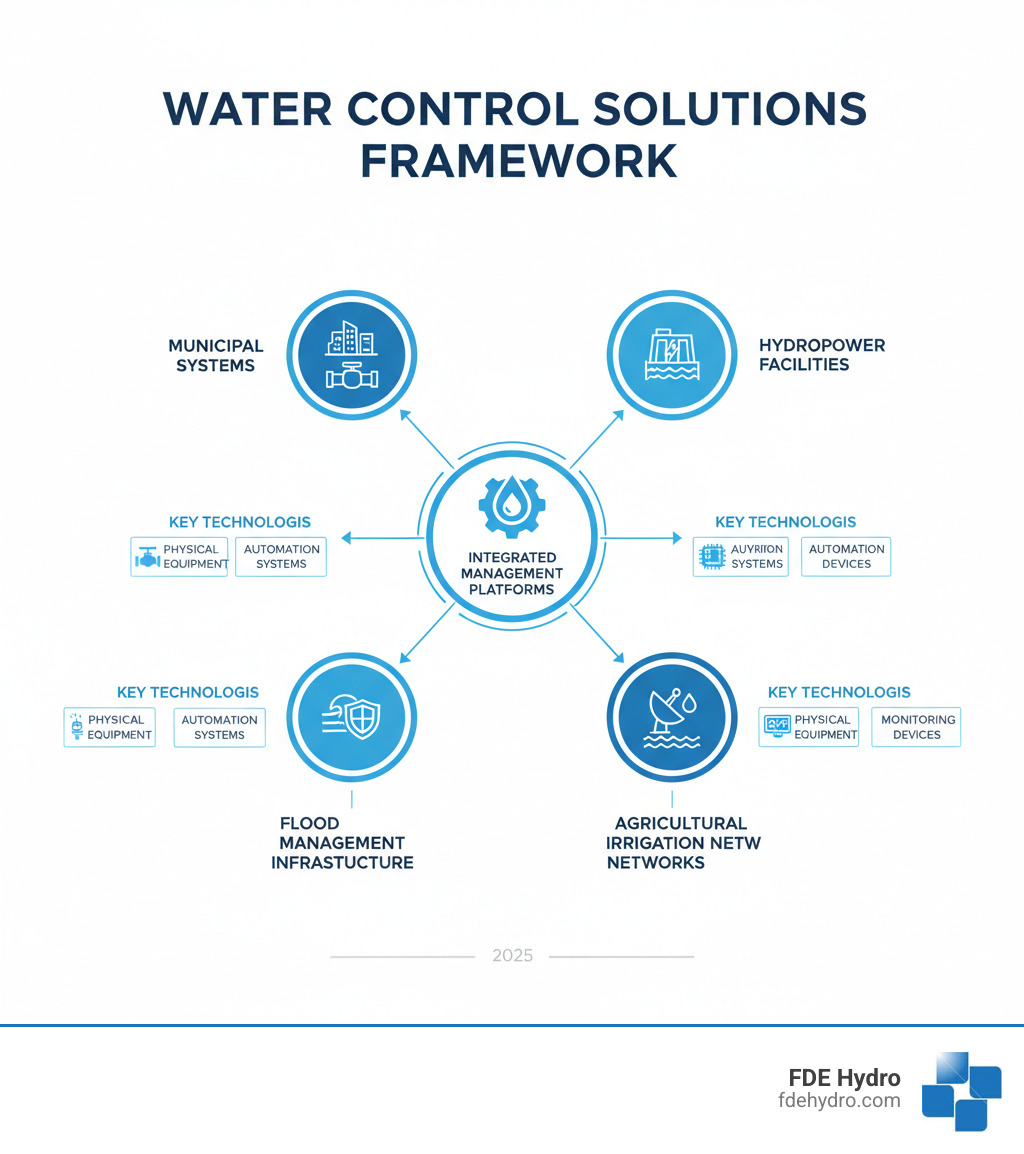
The Modern Water Management Challenge
Managing water has never been easy, but today’s challenges are on another level. Water utilities, dam operators, and resource managers are juggling more problems than ever before, and the consequences of getting it wrong have never been higher.
Beneath major cities in North America, Brazil, and Europe lies a hidden crisis. Much of the infrastructure—pipes, pumps, and valves—is aging. This aging infrastructure isn’t an abstract concern; it’s a system literally leaking money through burst mains, failing valves, and wasted treated water before it ever reaches a tap.
This leads to the painful reality of non-revenue water loss. For many water utilities, 20-30% of their product simply vanishes between production and delivery. Every gallon lost was pumped, treated, and paid for—but never billed.
Meanwhile, water demand keeps climbing due to growing populations and expanding industries. The math is brutal: aging systems designed for smaller populations are now serving millions more people than originally planned.
Then there’s climate change, which has thrown the old playbooks out the window. One year brings devastating floods; the next, crippling drought. As experts have observed, climate change and urban growth have created an environment where flooding is more frequent and damaging. Your water control solutions need to handle these extremes, often in the same season.
Regulatory compliance adds another layer of complexity. Environmental standards for cleaner water and safer discharges continue to evolve, requiring investment in new technology and processes, often when budgets are already stretched thin.
Many utilities also face workforce challenges. Experienced operators are retiring, taking decades of institutional knowledge with them. Maintenance is often deferred due to a lack of staff or funds, creating a vicious cycle where aging infrastructure deteriorates faster because it can’t be maintained.
This perfect storm of challenges demands a different approach. We need integrated strategies that address these problems holistically, building systems that will serve communities for generations to come.
More info about Sustainable Infrastructure Development
The good news? Modern water control solutions are smarter, more efficient, and more adaptable than ever before. The question isn’t whether we can solve these challenges—it’s whether we’ll accept the innovations that make solutions possible.
A Roundup of Essential Water Control Solutions
Given the complexities we’ve discussed, there’s no one-size-fits-all answer to water management. Instead, we rely on a comprehensive toolkit of water control solutions, from robust physical equipment to custom-engineered systems. The goal is always integrated performance—ensuring every component works seamlessly to manage, conserve, and protect our most vital resource.
Think of it like building a house: you need a solid foundation and quality materials, but you also need everything to work together. Water management is no different.
More info about Water Control Structures
Foundational Control Equipment
At the heart of any effective water management system lies foundational equipment designed to physically control water flow. These are the workhorses that ensure water goes where it’s needed, when it’s needed.
Sluice gates are large valves that control water flow in open channels or pipes, common in irrigation, flood control, and water treatment. Whether manual or automated, they provide precise control over water levels and flow, making them essential for isolating sections for maintenance or directing flow.
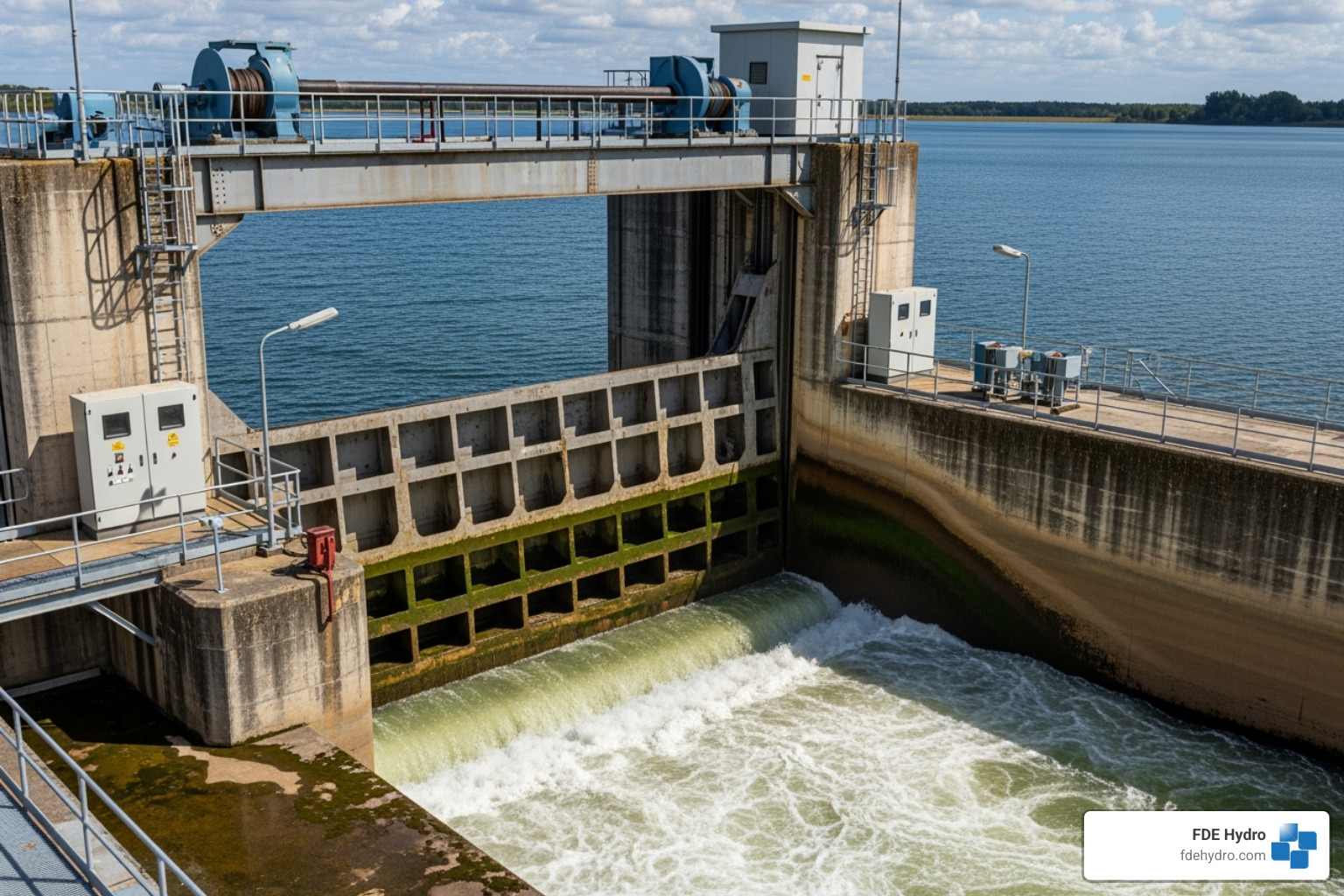
Control valves are more sophisticated than gates, regulating both pressure and flow within closed pipe systems. Ranging from basic manual to advanced automated models, the right valve prevents pressure surges, optimizes flow, and saves significant water and energy.
Pumps are the muscle of any water system, moving water from reservoirs, delivering it to users, or removing floodwaters. Modern pumps are designed for challenging conditions like high flow rates and contaminated water.
Spillways act as safety valves for dams and reservoirs. They provide a controlled release of water during high levels, preventing dangerous overtopping that could destroy the main structure.
Spillways
Backflow preventers are critical for public health, stopping contaminated water from flowing backward into potable water supplies. Failure can put entire communities at risk.
Strainers protect sensitive equipment by removing debris from pipelines. This small investment prevents costly damage and downtime to pumps, valves, and control systems.
Custom-Engineered Water Control Solutions
While foundational equipment is the backbone, the true power of modern water management lies in custom-engineered water control solutions. These systems are designed to address unique site-specific challenges, providing efficiency and reliability that off-the-shelf components cannot match.
Every site is different, with unique geology, water chemistry, and operational requirements. A solution that works in one location may be completely wrong for another, which is why custom design is so critical.
At FDE Hydro, we’re pioneering innovative, patented modular precast concrete technology—our “French Dam”—for building and retrofitting hydroelectric dams and other water control systems. This approach significantly reduces construction costs and time, allowing for rapid deployment of critical infrastructure custom to specific site conditions. Instead of spending years building a dam on-site, we can fabricate modules in controlled factory conditions and assemble them quickly in the field.
Dams
Custom-engineered solutions shine in specialized applications like water treatment plants, where precise control over flow and chemistry is essential. Industrial systems may require equipment that handles corrosive chemicals or extreme temperatures. Potable water systems demand designs that meet strict health standards, while wastewater management needs solutions that can handle solids and variable flow.
The beauty of custom engineering is that it considers the entire project lifecycle—from design and fabrication to installation and commissioning. This holistic approach ensures your solution is a fully integrated, high-performing system built specifically for your needs.
The Digital Wave: Smart Technologies in Water Management
The digital revolution is fundamentally changing how we manage water. The old days of manual adjustments and clipboard inspections are giving way to intelligent systems that can think, predict, and optimize.
These smart water control solutions are about bringing real intelligence to our water infrastructure. Automation and control solutions help utility managers do more with limited resources, ensure compliance, control costs, and achieve best-in-class operational performance. When facing budget constraints and an aging workforce, this kind of efficiency multiplier becomes essential, not optional.
What’s particularly exciting is that we’re moving beyond simple automation to systems that learn from their environment and adapt accordingly. These aren’t just automated—they’re intelligent.
Leveraging Data and Connectivity
The real magic happens when we connect everything and let the data tell us what’s happening. Think of it as giving your water system a nervous system and a brain.
Smart metering has revolutionized how utilities understand consumption. Instead of monthly estimates, real-time data can identify leaks within hours and help customers understand their own water habits.
IoT sensors are the eyes and ears of modern water networks. Deployed throughout the system, they constantly monitor pressure, flow rates, water quality, and equipment performance, catching issues that human operators might miss.
Cloud-based solutions then take all this data and make it accessible from anywhere. For example, farmers can manage an entire irrigation system from a phone, eliminating trips to remote fields. This remote accessibility is transformative for response times and operational efficiency.

When you combine all this data with modern analytics, you get decision intelligence. It’s about changing raw numbers into actionable insights. Imagine a system that alerts you to a pump showing early signs of failure weeks before it breaks down, allowing you to schedule maintenance at a convenient time. Or an irrigation controller that automatically adjusts schedules based on weather data, saving water and money.
This is the power of predictive maintenance and intelligent automation working together. We’re not just reacting to problems anymore; we’re preventing them.
If you’re curious about how other utilities are leveraging data to transform their operations, this webinar offers some excellent insights and real-world examples:
Webinar: Maximizing Performance by Making Your Data Work for You
Integrated Systems vs. Individual Components
Here’s where many organizations stumble. They try to piece smart technology together from different vendors and platforms, which often leads to incompatibility issues and suboptimal performance.
A key piece of wisdom is often ignored: if you need it to perform as a system, make sure it’s engineered as a system. The most effective approach is an integrated, single-source solution for monitoring, controls, and automation, with everything designed to work together from day one.
The difference between integrated water control solutions and cobbled-together components is significant. With an integrated system, you get turnkey simplicity—one point of contact for support. With individual components, you’re juggling multiple vendors, and when problems arise, finger-pointing can ensue.
Performance optimization is another huge advantage. When a system is engineered as a whole, every component is designed to complement the others, and performance levels can be guaranteed. A mix-and-match approach is essentially an experiment with your critical infrastructure.
Maintenance becomes dramatically simpler with integrated systems. You’re not trying to figure out which of five different components is causing an issue or maintaining expertise on multiple platforms. Modern predictive capabilities often tell you what needs attention before it becomes urgent.
Then there’s the question of cost of ownership. While integrated solutions might have a higher upfront price tag, the total cost over the system’s lifetime is typically much lower when you factor in reduced troubleshooting, fewer integration headaches, and better reliability. Time-tested reliability and quality pay dividends year after year.
At FDE Hydro, we’ve seen how integrated approaches transform project outcomes. Our modular systems aren’t just about the physical structures—they’re about ensuring every component works seamlessly with the others, from initial design through decades of operation. That’s the future of water management: intelligent, integrated, and built to last.
Specialized Applications: From Floodplains to Farmlands
The beauty of modern water control solutions is their versatility. The same principles that protect a city from flooding can be adapted to help a farmer maximize crop yields. Each application has its own challenges, but they all share a common need for reliable systems designed with sector-specific needs and public safety in mind.
Flood Control and Mitigation
When floodwaters rise, every minute counts. Effective flood risk management is about protecting families, preserving livelihoods, and maintaining critical infrastructure. As we’ve discussed, climate change and urban growth have made flooding more frequent and damaging, which means our civil engineering projects must be smarter and more resilient.
The tools for flood control are diverse. At the large-scale end, our modular dam technology provides rapid deployment for major infrastructure. On the precision side, specialized devices offer sophisticated flow attenuation, slowing and holding water during storms to protect downstream communities. This is complemented by powerful flood water pumps designed for the high flow and low head demands of flood pumping stations, helping remove excess water quickly.
But flood fighting isn’t always about permanent structures. It’s also about rapid response. The California Department of Water Resources works to “prevent, reduce, and mitigate the risk of damages associated with flooding” through both engineered solutions and hands-on techniques. Their comprehensive guidance covers everything from proper sandbagging methods and temporary levee construction to deploying specialized temporary barrier systems and implementing wavewash protection along vulnerable shorelines. This combination of sophisticated engineering and time-tested field methods creates a robust defense.
More info about Dam Rehabilitation & Encapsulation
For those interested in practical flood fighting techniques, this resource is invaluable:
Flood Fighting Methods 2024
Efficient Irrigation and Agricultural Water Control Solutions
If flood control is about managing too much water, agricultural irrigation is about making the most of what you have. In farming, water control solutions directly translate to food security and economic survival. The goal is to deliver the right amount of water at the right time, without waste.
Modern irrigation has come a long way from flooding fields. Today’s systems combine precision delivery methods like drip irrigation and pivot systems with intelligent control technologies. Advanced irrigation solutions incorporate smart metering, automation, air valves, and control valves—all working together to save water and energy while improving crop yields.
The real game-changers are the sensors and controllers that constantly monitor conditions. Soil moisture sensors embedded in the ground provide real-time feedback, and controllers can be programmed to shut off irrigation systems when the ground is already wet, preventing wasteful overwatering.
Weather-based controllers take this intelligence a step further by integrating local weather data, automatically adjusting watering schedules. Rain sensors detect rainfall and prevent the system from running unnecessarily.

These precision systems also enable better nutrient management, allowing farmers to deliver fertilizers exactly where and when they’re needed, reducing waste and environmental impact. Delivering complete system solutions for irrigation flow control is key, focusing on a lower cost of ownership through reliability and quality. This holistic approach ensures that every drop of water counts, contributing to both the farmer’s bottom line and environmental stewardship.
Blueprint for Success: System Design, Safety, and Maintenance
Effective water control solutions require a lifecycle commitment, from initial concept through decades of operation. We see every project as a journey from the first sketches to commissioning and every day after that.
Key Design and Implementation Considerations
Great water management systems are born from careful planning and thoughtful engineering that respects both the power of water and the unique character of every site.
Every location is different, from Brazil to North America or Europe. We always begin with a thorough site-specific analysis of local hydrology, soil conditions, and environmental factors to ensure the design is appropriate.
Before breaking ground, we run sophisticated hydraulic modeling simulations. These models show us how water will behave in our proposed system, helping us optimize performance. It’s much cheaper to adjust a computer model than to redesign a partially built structure.
The materials we choose matter enormously. We select components based on durability, corrosion resistance, and compatibility with local water chemistry. Our modular precast concrete technology exemplifies this approach. These factory-built modules arrive on-site ready to install, dramatically cutting construction time and costs while maintaining the highest quality standards. Their modular nature also means systems can adapt as needs change.
Modular Construction Techniques
Quality assurance runs through everything we do. Working to ISO 9001 standards and adhering to stringent international requirements isn’t just about checking boxes. It’s about ensuring every system we build will perform reliably for decades.
More info about our Means and Methods
Maintenance, Support, and Safety
A well-designed system is only as good as its ongoing care. The real test of any water control solution comes years into its operation.
Operational support means being there when our clients need us. Remote monitoring keeps us connected to system performance, and expert technical assistance is just a call away. This ongoing partnership ensures systems keep working.
Regular maintenance schedules prevent small issues from becoming big problems. Predictive maintenance, powered by smart sensors, takes this further. The system tells us when a component needs attention, often weeks before failure would occur.
Innovative approaches now make it possible to perform major repairs without shutting down the system. This capability is crucial for municipalities and industries that cannot afford downtime, as it reduces costs, minimizes disruption, and keeps essential services running.
Safety is never an afterthought. When working with the power of moving water, comprehensive safety protocols protect workers and communities. From training to rigorous monitoring, we build safety into every project phase.
Flood fighting operations demand special attention to safety. Essential safety gear includes:
- Personal Flotation Devices (PFDs)
- Hard hats
- Heavy-duty waterproof gloves
- Waterproof boots
- Safety glasses or goggles
- Rain gear
- First aid kits
- Reflective vests
- Communication devices
- Whistles
- Headlamps or flashlights
These aren’t just items on a checklist; they are lifesaving tools that ensure everyone goes home safe.
Conclusion
Looking back at everything we’ve covered about water control solutions, I’m genuinely optimistic about where we’re headed. Yes, the challenges are real—aging infrastructure, climate uncertainty, growing demand—but the innovation happening in this space is remarkable.
We’ve journeyed from the foundational workhorses like sluice gates and pumps to the sophisticated world of smart sensors and cloud-based systems. We’ve seen how custom-engineered approaches outperform cobbled-together components, and how solutions must be carefully custom whether we’re protecting a neighborhood from floods or helping a farmer conserve every precious drop.
What strikes me most after five decades in this industry is how far we’ve come, and how much potential still lies ahead. At FDE Hydro, we’re passionate about pushing that frontier forward. Our modular construction approach isn’t just about building faster or cheaper—though those certainly matter. It’s about creating infrastructure that’s resilient, adaptable, and ready for whatever challenges tomorrow brings.
The truth is, water control solutions aren’t just technical problems to solve. They’re about safeguarding communities, feeding families, powering homes, and protecting our planet. When we talk about meticulous design, rigorous safety protocols, and predictive maintenance, we’re really talking about responsibility—to the people who depend on these systems and to future generations who will inherit them.
The biggest untapped solution to climate change is indeed in the water. By embracing advanced, integrated water control solutions—from robust physical structures to smart digital overlays—we can build a more resilient and sustainable future for our most precious resource. It’s not just possible; it’s happening right now.
The Biggest Untapped Solution to Climate Change is in the Water
If you’re curious about how these innovative approaches are revolutionizing the industry, I encourage you to explore more about hydropower and water infrastructure. The future of water management is here, and it’s more exciting than ever.

