

Why Eco Hydropower Mining Centers Are Redefining Crypto Infrastructure
Eco hydropower mining centers are cryptocurrency mining facilities powered entirely — or primarily — by hydroelectric energy, operating independently from fossil-fuel-based power grids.
Here’s what makes them stand out at a glance:
| Feature | Eco Hydropower Mining Centers |
|---|---|
| Energy source | River-fed hydroelectric power |
| Carbon emissions | Near zero |
| Energy cost | As low as 1.6–2.6 Euro cents per kWh |
| Uptime reliability | Up to 98% runtime |
| Grid dependency | Minimal or none |
| Scale | From 5 MW rural sites to gigawatt-scale national programs |
Bitcoin mining is under pressure. Electricity prices are climbing. Environmental scrutiny is intensifying. And the traditional grid — still roughly 75% fossil-fueled in many regions — is struggling to keep up with the energy demands of large-scale mining operations.
That pressure is forcing a shift. A significant one.
Nations, corporations, and independent operators are turning to hydropower as the foundation for next-generation mining infrastructure. Bhutan has mined over 13,000 Bitcoin using 100% hydropower, with reserves now valued at over $1.4 billion — nearly 40% of the country’s GDP. Norway’s hydro-powered data centers run on electricity that costs a fraction of what miners pay in the United States. Paraguay is monetizing surplus energy from the Itaipu Dam to power large-scale mining operations with zero emissions.
The pattern is clear: where water flows reliably, profitable and sustainable mining follows.
I’m Bill French, Sr., Founder and CEO of FDE Hydro™ and a decades-long leader in heavy civil and hydropower construction — including selection by the U.S. Department of Energy to help define next-generation hydropower solutions for Congress. My work developing modular hydropower infrastructure puts me at the center of the conversation around scalable, cost-effective eco hydropower mining centers. In this guide, I’ll walk you through exactly how these facilities work, what makes them profitable, and how modern modular construction is making them more accessible than ever.

Common eco hydropower mining centers vocab:
The Rise of Eco Hydropower Mining Centers
The traditional mining model is broken. Relying on a public grid means being at the mercy of price volatility, peak-demand surcharges, and the high carbon footprint of fossil fuels. Eco hydropower mining centers offer a way out. By sourcing energy directly from moving water, we can bypass the inefficiencies and emissions of the aging electrical grid.
Hydropower is unique among renewables because it provides a “baseload” — a constant, steady flow of electricity that matches the 24/7 appetite of ASIC miners. Unlike solar, which sleeps at night, or wind, which dies down without warning, a well-managed hydro site keeps the hash rate steady. This transition toward carbon-free energy isn’t just a PR move; it’s an optimization strategy. By utilizing surplus power that would otherwise be wasted (curtailed) during periods of low demand, miners can secure the lowest possible energy rates while helping to stabilize the broader energy ecosystem.
Learn more about the transition to eco friendly crypto mining.
Operational Advantages of Eco Hydropower Mining Centers
The most significant advantage of hydro-powered mining is reliability. In our experience, high-quality hydroelectric dams can achieve a 98% proven runtime. When you are running thousands of machines, every minute of downtime is lost revenue.
Because hydropower offers a stable baseload, it eliminates the need for massive battery arrays that solar-only setups require. This stability also protects sensitive hardware from the power surges and brownouts often associated with stressed public grids. Furthermore, many of these centers are located in cooler climates or near cold water sources, which naturally lowers the energy needed for cooling — a major overhead cost in traditional data centers.
Explore the mechanics of hydroelectric-power-generation to see why it is the gold standard for uptime.
Global Expansion of Eco Hydropower Mining Centers
We are seeing a massive geographic shift toward regions with untapped or surplus water power. In Paraguay, the enormous Itaipu Dam generates far more electricity than the country consumes. Miners are stepping in to monetize this surplus, transforming “trapped” energy into digital assets.
In the United States, we are seeing a trend of retrofitting older dams. In Wisconsin, historic 1920s-era dams are being revitalized to host hundreds of mining rigs. These sites often have “black-start” capabilities, meaning they can jump-start the local grid during a blackout, making them essential pieces of infrastructure beyond just crypto. From the mountains of Ethiopia to the rivers of New York and Canada, the demand for sustainable data-center-energy-resource options is driving a hydro-mining boom.
Global Success Stories: From Bhutan to the Nordics
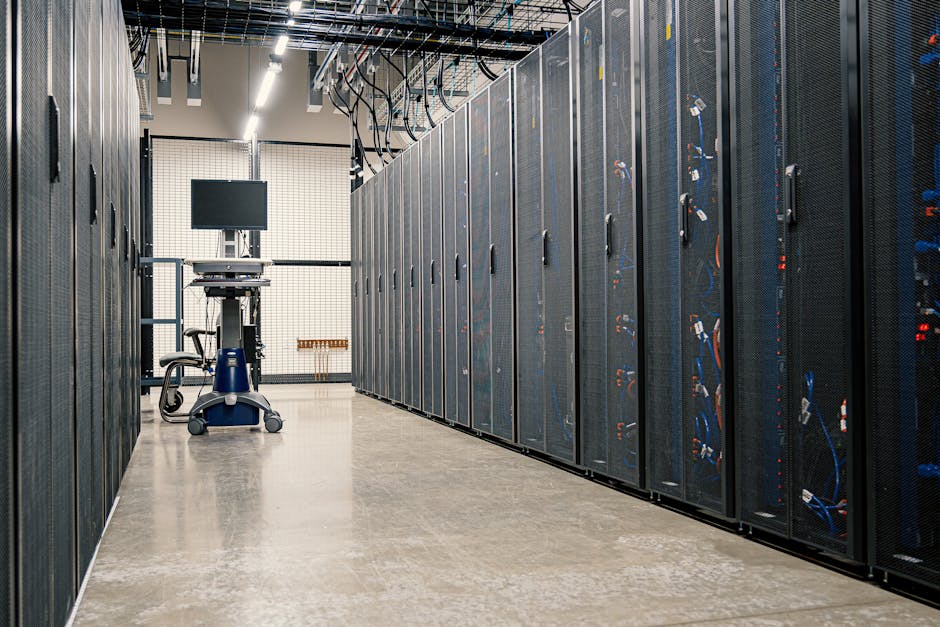
Success isn’t just theoretical; it’s happening right now at a massive scale. Take the Lefdal Mine Datacenter Case Study as a prime example. Located in a deep Norwegian mine, this facility uses 98.5% hydroelectric power and seawater for cooling, achieving zero CO2 emissions and a incredibly low Power Usage Effectiveness (PUE) rating.
The Bhutan Model: National Prosperity Through Water
Bhutan has become the poster child for government-led hydro-mining. With a current hydropower capacity of 3.5 GW and a roadmap to reach 15 GW in the next decade, this Himalayan nation is using its rivers to fund its future.
By mining over 13,000 Bitcoin, the government has generated enough revenue to fund public sector wages for two years following the pandemic’s hit to tourism. Their model is simple: use 100% renewable energy to stay carbon-negative while diversifying the economy away from agriculture and tourism. It’s a win-win that provides high-tech jobs for local youth while proving that national reserves can be built on “green” coins.
Nordic Efficiency: Cold Climates and Low Costs
In Northern Europe, particularly Norway and Finland, the combination of abundant water and a cold climate creates the perfect environment for eco hydropower mining centers. Electricity costs here can be as low as 1.6 Euro cents per kWh — a fraction of the cost in Germany or the UK.
These facilities don’t just take from the environment; they give back. Many Nordic centers are pioneering waste heat reuse, where the hot air from the servers is piped into local greenhouses or used to dry wood and seaweed, creating secondary industries and local jobs. Statistics from Hydropower in Europe show that Norway produces nearly twice as much renewable energy as any other Nordic country, making it a fortress for sustainable computing.
Technical Blueprint for Off-Grid Systems
Setting up a hydropower mining site is a major engineering feat, but it’s becoming more streamlined. Traditionally, building a dam was a decade-long project with astronomical costs. At FDE Hydro™, we’ve changed that with our French Dam technology — a modular precast concrete system that allows us to build or retrofit water control systems in a fraction of the time.
Step-by-Step Setup Requirements
- Location Selection & Water Rights: You need a site with consistent “head” (vertical drop) and flow. Securing legal water rights and environmental permits is the first and most critical step.
- Turbine & Infrastructure Installation: Choosing the right turbine (Kaplan, Francis, or Pelton) depends on the river’s characteristics. This must be integrated with high-speed communication (often satellite in remote areas) and energy storage for emergency shutdowns.
- Mining Hardware Integration: Deploying energy-efficient ASICs is key. You want machines that maximize hash rate per watt to ensure the highest energy-efficient-crypto output.
- Remote Monitoring: Off-grid sites are often remote. Robust remote monitoring for both the dam’s structural health and the miners’ performance is non-negotiable.
Overcoming Operational Challenges
Hydropower isn’t without its hurdles. Seasonal flow variations can mean less power during dry summers or frozen winters. We solve this by implementing hybrid systems — often using solar as a backup — or by sizing the mining fleet to the “minimum guaranteed flow” of the river.
Maintenance logistics in remote areas can also be tricky. Having 24/7 onsite staff or local technicians is vital. However, the reward for overcoming these challenges is a “black-start” capable facility that provides the most stable power profile in the renewable world.
Economic and Environmental ROI
Is it worth the investment? The data says yes. While the upfront capital expenditure (CAPEX) for hydro is higher than solar, the operational expenditure (OPEX) is significantly lower over time because the “fuel” (water) is free and the equipment lasts for decades.
| Metric | Hydropower | Solar | Wind |
|---|---|---|---|
| Typical Runtime | 90-98% | 20-30% | 30-45% |
| Lifespan | 50+ Years | 20-25 Years | 20-25 Years |
| Cost per kWh | $0.02 – $0.05 | $0.03 – $0.07 | $0.04 – $0.08 |
| Baseload Capability | Excellent | None (requires batteries) | Poor |
With current Bitcoin prices and efficient hardware, many eco hydropower mining centers see a payback period of 18 to 24 months. After that, you are essentially mining at zero energy cost, minus maintenance. This is a massive advantage for cost effective crypto mining.
Sustainability and Social Impact
Beyond the balance sheet, the environmental impact is profound. We are seeing facilities achieve a zero Water Usage Effectiveness (WUE) rating by using closed-loop cooling or non-evaporative seawater systems.
The social impact is equally impressive. In places like Kyrgyzstan, miners are not just consumers; they are investors. They help fund the construction of small hydropower plants (HPPs) that provide electricity to local villages that previously suffered from blackouts. This “dual-use” infrastructure helps meet ESG (Environmental, Social, and Governance) goals, making the mining operation more attractive to institutional investors.
Read more about crypto mining sustainability.
Profitability Analysis
The real secret to profitability in hydro-mining is the monetization of surplus energy. During the monsoon season or spring runoff, dams often produce more power than the grid can handle. Instead of “spilling” this water (wasting the potential energy), miners can scale up their operations to capture every kilowatt. This reduces transmission losses and provides a flexible load that can be turned off in seconds if the local community needs the power back during a peak period. This flexibility makes miners a “preferred customer” for utility companies.
Frequently Asked Questions
How does hydropower mining differ from traditional grid-powered mining?
Traditional mining relies on a mix of energy sources, often including coal and gas, and is subject to grid price spikes. Eco hydropower mining centers are often off-grid or “behind-the-meter,” meaning they source 100% renewable energy directly from the source. This provides lower costs, zero carbon emissions, and total independence from grid volatility.
Is hydropower mining profitable for small-scale operators?
Yes, particularly with modular solutions. While gigawatt-scale projects make the news, 5 MW to 10 MW “micro-hydro” sites are incredibly efficient for smaller groups. By using precast modular dam technology, the construction time is slashed, allowing small operators to get their rigs hashing and reach ROI much faster.
What role does hydropower play in grid stabilization?
Bitcoin miners act as a “first-class” flexible load. Because they can be throttled or shut down almost instantly, they allow hydro plants to run at maximum efficiency 24/7. When the grid experiences a surge in demand (like a heatwave), miners can power down, instantly freeing up megawatts of renewable energy for homes and hospitals.
Conclusion
The future of cryptocurrency is liquid. As the world moves toward a mandatory green standard, eco hydropower mining centers provide the only viable path for high-intensity computing that aligns with global climate goals.
At FDE Hydro™, we believe that the energy transition shouldn’t be a burden — it should be an opportunity. Our patented modular precast concrete technology, the French Dam, is designed to make these sustainable dreams a reality. By reducing the time and cost required to build or retrofit hydroelectric sites, we are helping miners in North America, Brazil, and Europe unlock the “Liquid Gold” flowing through their backyard.
Whether you are a national government looking to diversify your GDP or a private operator seeking energy independence, the message is clear: the most stable, profitable, and sustainable way to mine is with the power of water.
