

The World Is Wasting 60% of Its Energy — Here’s Why That Has to Change
Renewable energy efficiency is the measure of how much useful energy we actually get out of the energy we produce — and right now, the global average is shockingly low.
Quick answer: Key renewable energy efficiency metrics at a glance
| Metric | What It Measures | Why It Matters |
|---|---|---|
| Energy intensity | Energy used per unit of GDP | Lower = more efficient economy |
| LCOE | Cost per kWh of electricity generated | Lower = cheaper clean power |
| Primary energy efficiency | Share of input energy converted to useful output | World average: ~40% |
| Carbon intensity | CO₂ emitted per unit of energy | Lower = cleaner energy mix |
| Capacity factor | Actual vs. maximum possible output | Higher = more reliable generation |
The numbers are stark. The world’s energy system operates at roughly 40% efficiency — meaning nearly 60% of all energy inputs are simply wasted. In the United States, that waste climbs to almost 70%. Meanwhile, between 2010 and 2022, energy efficiency improvements accounted for 82% of global carbon emissions reductions — far outpacing what renewable energy deployment achieved on its own.
This isn’t just a technical problem. It’s the central challenge of the entire energy transition.
To stay on a 1.5°C climate pathway, two things must happen by 2030:
- Triple global renewable power capacity (from 3,382 GW to over 11,000 GW)
- Double the annual rate of energy efficiency improvement (to 4% per year)
Right now, we’re on track for neither. Global efficiency progress in 2025 is estimated at just 1.8% — less than half the required pace.
That gap is exactly why understanding how efficiency and renewables work together is so critical — not just for policymakers, but for anyone building the infrastructure that powers our future.
I’m Bill French, Sr., Founder and CEO of FDE Hydro™, and I’ve spent decades in heavy civil construction and hydropower innovation — including serving on the U.S. Department of Energy’s Hydropower Vision Task Force — developing modular solutions that directly improve renewable energy efficiency at the project level. In this guide, I’ll break down the metrics, the stakes, and the strategies that make efficiency and renewables the ultimate power couple.
Related content about renewable energy efficiency:
Defining the Metrics of Renewable Energy Efficiency
When we talk about renewable energy efficiency, we aren’t just looking at how much sun hits a panel or how much wind spins a turbine. We are looking at the entire journey of an electron from the source to your toaster. To analyze this effectively, we use specific metrics that tell us if our energy system is a lean, green machine or a leaky bucket.
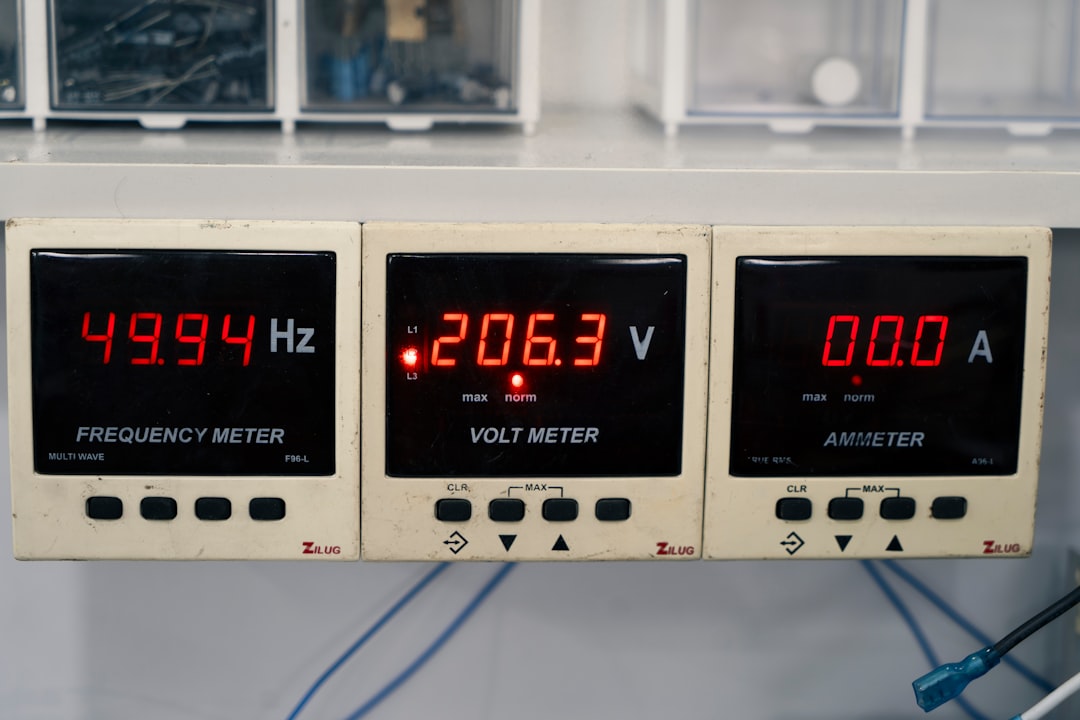
One of the most important concepts is the difference between primary energy and final energy. Primary energy is the raw energy found in nature (like the movement of water in a river), while final energy is what actually reaches the end-user. The gap between them is often filled with “thermal conversion losses”—the heat wasted when burning fossil fuels. This is where renewables have a massive “built-in” efficiency advantage.
Because sources like wind, solar, and hydropower don’t require burning fuel to create steam, they avoid those massive thermal losses. According to IRENA, tripling our renewable capacity is the only way to meet the 1.5°C goal precisely because of this superior system-wide efficiency.
Comparing Costs and Efficiency
Efficiency isn’t just a physics problem; it’s an economic one. We use the Levelized Cost of Energy (LCOE) to measure the average net present cost of electricity generation for a plant over its lifetime.
| Power Source | LCOE (2022 Avg USD/kWh) | Efficiency Notes |
|---|---|---|
| Hydropower | $0.061 | Highly efficient; provides 24/7 baseload and storage. |
| Solar PV | $0.049 | Costs dropped 89% in a decade; 29% cheaper than fossil fuels. |
| Onshore Wind | $0.033 | Costs dropped 70% in a decade; 52% cheaper than fossil fuels. |
| Fossil Fuels | $0.05 – $0.20+ | High waste (60-70%) due to thermal conversion. |
As we explore what renewable energy resource is the most efficient, we see that hydropower stands out because of its ability to offer high capacity factors and long-term reliability that variable sources like wind and solar are still working to match through storage.
The Role of Primary Energy Intensity in Renewable Energy Efficiency
Energy intensity is a key metric for tracking progress under the UN’s Sustainable Development Goals (SDG 7). It measures how much energy a country uses to produce one dollar of economic wealth. If energy intensity is falling, it means we are getting better at sustainable energy production.
Currently, the world is struggling with system losses. In the U.S., nearly 70% of energy is lost before it does any work. Much of this happens at the power plant or during transmission. Research from the Lawrence Berkeley National Laboratory highlights that by focusing on “negawatts”—the energy we don’t have to produce because we’ve become more efficient—we can meet demand without building new, expensive power plants.
How Electrification Enhances Renewable Energy Efficiency
The “secret sauce” of a highly efficient renewable system is electrification. When we switch from a gas-powered car to an electric vehicle (EV), or from a gas boiler to a heat pump, we aren’t just changing the fuel; we are radically improving the efficiency of the machine itself.
An EV is roughly three times more efficient than a gasoline car. A heat pump can be 300% to 400% efficient because it moves heat rather than creating it. By adopting these clean energy solutions, we allow renewables to do more work with less raw power.
5 Reasons Efficiency is the “First Fuel” of the Energy Transition
In the energy world, we often call efficiency the “first fuel.” Why? Because the cleanest, cheapest kilowatt-hour is the one you never have to generate in the first place.
When we combine renewable energy efficiency with aggressive deployment, we create a synergy that is far more powerful than either could be alone. Here are five reasons why efficiency must lead the way as the most cost effective renewable energy strategy.
1. Efficiency is the Cheapest Energy Resource
Building a new power plant—even a cheap solar farm—costs money. But insulating a building or upgrading an industrial motor often pays for itself in just a few years. According to the IEA, efficiency is frequently the least expensive way to meet new energy demand.
In the U.S., energy efficiency has met 67% of the total growth in energy demand since 1950. That is more than any other single resource, including oil, gas, or coal. It’s an “expandable, declining-cost resource” that saves consumers and utilities billions of dollars.
2. Massive Carbon Mitigation Potential
If we want to hit net-zero, we can’t just build our way there with solar panels. Between 2010 and 2022, efficiency improvements were responsible for a staggering 82% of global carbon emissions reductions. While renewables are essential, efficiency does the heavy lifting in the background.
By finding the best renewable energy options available today, we can maximize this mitigation. For example, switching from incandescent bulbs to LEDs reduces primary energy use by 90%. That’s 90% less coal or gas that needs to be burned to keep the lights on.
3. Reducing Global Energy Waste
The sheer amount of energy we throw away is mind-boggling. The United Nations points out that our global energy system is only 40% efficient. In the U.S., where the system is older and more spread out, waste hits 70%.
This waste isn’t just “lost heat”; it’s lost money and unnecessary pollution. Comprehensive energy assessments and technologies like variable speed drives for industrial pumps can slash this waste. By designing systems with wider, straighter pipes and smarter motors, we can reduce the friction that eats up so much of our power.
4. Enhancing Grid Flexibility and Storage
As we add more variable renewables like wind and solar, the grid becomes harder to manage. Efficiency helps by reducing the “peak” demand—the times when everyone turns on their AC at once.
Furthermore, we need hydropower energy storage to act as a giant battery for the grid. Pumped storage hydro is currently the largest form of installed energy storage globally, providing the flexibility needed to balance out the moments when the sun isn’t shining or the wind isn’t blowing.
5. Driving Economic Competitiveness
Efficiency makes businesses more profitable. Industries today produce 20% more value per unit of energy than they did in 2000. For countries in the European Union, efficiency has been a shield against high energy prices and geopolitical instability, avoiding the need for 20% more fossil fuel imports.
Overcoming Barriers to Global Adoption
If efficiency and renewables are so great, why aren’t we doing more? The truth is, there are significant hurdles—from red tape to “vampire” appliances that suck power even when they’re off.
One of the biggest issues is permitting delays. In some regions, it can take nine years to get an offshore wind project approved. We also face a “split incentive” problem: why would a landlord pay for a new, efficient boiler if the tenant is the one paying the energy bill?
To overcome these, we need:
- Streamlined Permitting: Adopting “one-stop shop” models for project approvals.
- Stronger Standards: Implementing Minimum Energy Performance Standards (MEPS) so that only the most efficient appliances can be sold.
- Innovative Financing: Programs like “Pay as You Save” tie the cost of an energy upgrade to the utility meter, not the individual, making it easier for homeowners to invest.
We also need to look beyond the turbine at how we build our infrastructure. At FDE Hydro™, we focus on modular construction to slash the time and cost of hydroelectric projects, making renewable deployment faster and more efficient from day one.
Frequently Asked Questions about Renewable Energy Efficiency
What is the difference between energy efficiency and energy conservation?
It’s a common mix-up! Energy conservation is a behavioral change—like turning down the thermostat and wearing a sweater. You are using less energy by accepting a lower level of service (a colder house).
Energy efficiency, on the other hand, is a technological upgrade. It means using a high-efficiency heat pump and better insulation to keep your house just as warm while using 50% less electricity. You get the same (or better) service with less input. According to the IEA, efficiency is about maintaining quality of life while reducing environmental impact.
Why must energy efficiency improvements double by 2030?
At the COP28 climate summit, the world agreed that we need to double our annual rate of efficiency improvement from roughly 2% to 4%. Why? Because our current pace isn’t enough to offset the growth in global energy demand. As developing nations grow and we electrify transport, our total electricity needs are skyrocketing. If we don’t double our efficiency, we will have to build twice as many wind and solar farms just to keep up, making the hydropower electricity transition much harder and more expensive.
How does hydropower contribute to system-wide efficiency?
Hydropower is the “Swiss Army Knife” of the grid. Unlike wind and solar, it is “dispatchable,” meaning we can turn it on or off in seconds to meet demand. This prevents the need for inefficient fossil fuel “peaker” plants. Additionally, hydroelectric dam efficiency is incredibly high; modern turbines can convert over 90% of the energy in falling water into electricity. By providing long-duration storage and grid stability, hydro makes the entire renewable system more efficient.
Conclusion
The path to a net-zero future isn’t paved with just one technology. It requires the “Ultimate Power Couple”: aggressive renewable deployment and radical energy efficiency. By focusing on renewable energy efficiency, we can stop wasting 60% of our resources and start building a system that is affordable, reliable, and clean.
At FDE Hydro™, we are doing our part by reimagining how energy infrastructure is built. Our patented French Dam technology uses modular precast concrete to build and retrofit dams in North America, Brazil, and Europe. This innovative approach significantly reduces construction costs and time, ensuring that the next generation of hydropower is as efficient as possible.
Whether it’s through integrative design in our buildings or modular innovation in our dams, the goal is the same: more service, less waste, and a healthier planet. It’s time to embrace the power of “negawatts” and get serious about renewable energy solutions.
