

Why NYC Renewable Energy Matters More Than Ever
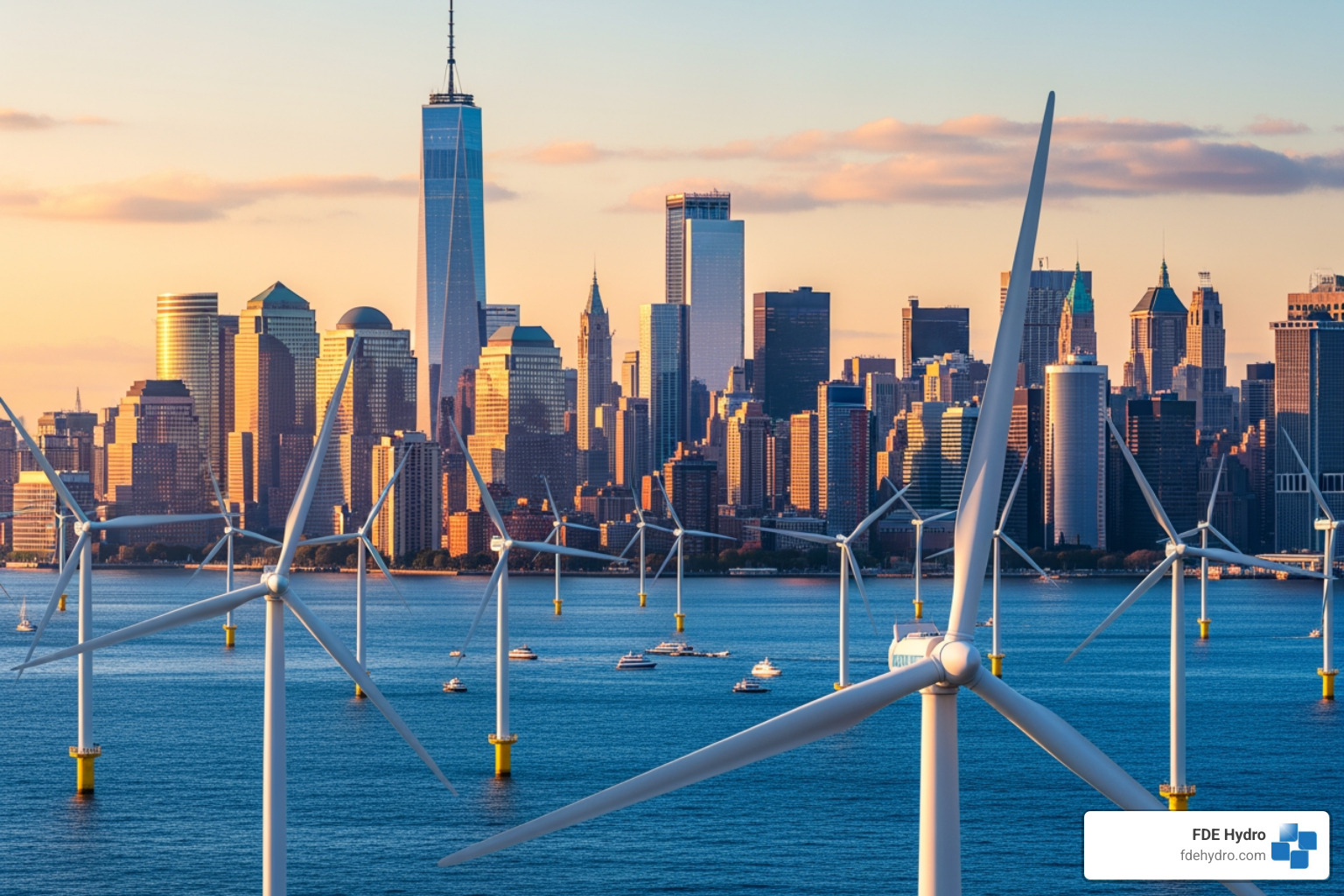
New York City is at a critical juncture, with its energy grid currently relying on nearly 90% fossil fuels. To combat this, the city has set ambitious goals: achieving 100% clean energy by 2040, supported by targets of 1,000 MW of solar power by 2030 and 9,000 MW of offshore wind by 2035. This transition is not just about environmental responsibility; it’s a vital move for public health, economic development, and grid resilience.
The primary challenge is overcoming transmission bottlenecks to bring abundant upstate renewable energy to the city. This requires a coordinated effort in offshore wind development, distributed solar, and, most importantly, modernizing our transmission infrastructure.
As the Founder and CEO of FDE Hydro™, I’ve seen the potential of innovative infrastructure solutions. Our work in modular construction is ready to support the large-scale changes needed to power NYC’s clean energy future.
The Tale of Two Grids: NYC’s Energy Mix vs. New York State
New York presents a tale of two distinct energy grids. While upstate New York boasts a power mix that is nearly 90% emission-free, primarily from hydropower, New York City’s grid is a relic, powered almost entirely by fossil fuels.
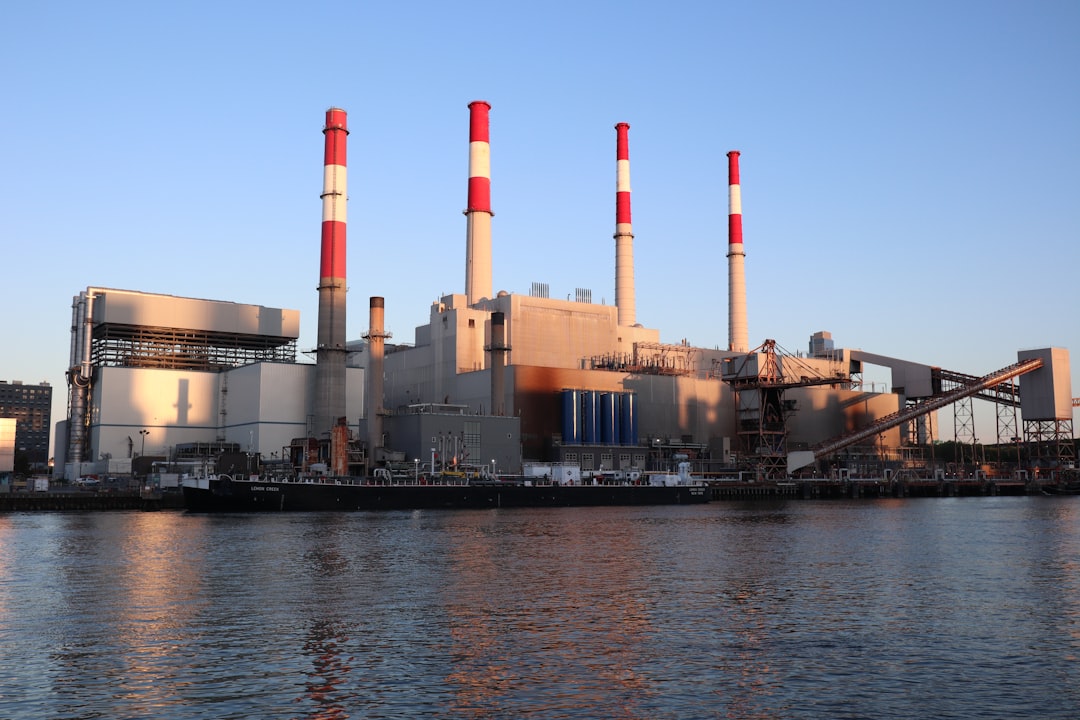
These in-city power plants, often located in dense neighborhoods, contribute to local air pollution and public health issues, making NYC’s grid the dirtiest in the state. In contrast, New York is the third-largest hydropower producer in the nation, with renewables like solar and wind also contributing to a cleaner upstate profile.
The core problem is transmission capacity. Bottlenecks in the existing grid prevent this clean energy from reaching NYC, the state’s largest energy consumer. This disparity highlights the urgent need for robust transmission upgrades to connect the city with the state’s vast renewable resources. For a deeper dive, the New York Independent System Operator (NYISO) Power Trends 2024 report offers detailed insights.
Charting the Course: NYC’s Ambitious Renewable Energy Goals
New York State is actively building a clean energy future, guided by the groundbreaking Climate Leadership and Community Protection Act (Climate Act). This legislation sets some of the nation’s most ambitious goals, including:
- 70% renewable electricity by 2030
- 100% zero-emission grid by 2040
- 100% economy-wide net-zero carbon emissions by 2050
As the state’s largest energy consumer, New York City has established its own aligned targets:
- 100% clean energy by 2040
- 1,000 MW of solar power by 2030 (currently at 572 MW as of 2024)
- 9,000 MW of offshore wind by 2035
These targets are driving a fundamental shift in how the city is powered, spurring investment and innovation. Progress towards these goals is tracked on the New York’s Climate Act Dashboard.
Powering the Five Boroughs: Key Projects Changing NYC Renewable Energy
To bridge the gap between its current energy profile and its ambitious goals, New York is undertaking several large-scale projects. These initiatives are designed to overhaul the city’s energy infrastructure, replacing outdated fossil fuel plants with clean, renewable sources. The strategy is multi-pronged, focusing on three key areas:
- Offshore Wind: Using the powerful winds off the Atlantic coast.
- Distributed Solar: Maximizing solar power generation within the city’s five boroughs.
- Transmission Upgrades: Building new high-voltage lines to bring clean energy from upstate and Canada directly into the city.
These projects represent a significant investment in a sustainable future, promising cleaner air and economic benefits. For a comprehensive look at the projects changing New York’s energy landscape, check out our Renewable Energy Projects Complete Guide.
The Role of Hydropower: A Steady Current in a Sea of Change
While solar and wind power are intermittent, hydropower provides a consistent, reliable source of clean energy. It is the bedrock of New York’s existing renewable portfolio, and its role is set to expand as the state builds out its transmission capacity.
The Unsung Hero of New York’s Grid
New York is already the third-largest producer of hydroelectric power in the United States, thanks to massive facilities like the Robert Moses Niagara Power Plant and the St. Lawrence-FDR Power Project. This existing infrastructure provides a stable, around-the-clock supply of clean energy that is crucial for balancing the variable output of wind and solar.
Modernizing for the Future
As more intermittent renewables come online, the need for reliable, dispatchable power like hydro becomes even more critical. This is where FDE Hydro comes in. Our innovative, modular precast concrete technology is designed to modernize and upgrade existing hydropower facilities, as well as to build new, smaller-scale projects more efficiently and cost-effectively. By improving the performance and lifespan of these assets, we can help ensure that hydropower remains a cornerstone of New York’s clean energy future. Our work is about making sure this foundational renewable resource is ready for the demands of a 21st-century grid.
The Tale of Two Grids: NYC’s Energy Mix vs. New York State
When we talk about New York’s energy landscape, it is truly a tale of two distinct grids. On one hand, we have much of New York State, particularly upstate, which boasts a remarkably clean energy profile. On the other, there is New York City, a busy metropolis with an energy grid that is, quite frankly, a bit of a relic.
NYC’s current energy mix is heavily reliant on fossil fuels. In fact, its power is almost 90 percent fossil fuel-based. This is not because the city lacks ambition, but largely due to the power plants located right in the city, many of which rely on traditional, carbon-intensive fuels. These in-city plants, often found in densely populated areas like Queens and the Bronx, contribute significantly to localized air pollution, impacting public health.
Contrast this with the rest of New York State. Upstate New York’s power mix is approaching 90 percent emission-free, thanks primarily to abundant hydropower resources. New York was the third largest hydropower producer in the nation in 2023, with hydro alone providing 22% of the state’s total generation. When solar, wind, and biomass are included, renewables collectively provided about one-tenth of the state’s total electricity generation in 2023.
So, why is that clean upstate energy not fully powering the city? The main challenge lies in transmission capacity. Significant bottlenecks in the electric grid inhibit the transfer of abundant upstate renewable energy to New York City, the state’s largest load center. NYC consumes nearly one-third of the state’s annual electric demand and remains largely powered by its local, fossil fuel-heavy infrastructure. In 2023, natural gas-fired power plants alone accounted for almost three-fifths of New York’s generating capacity and provided 46% of the state’s electricity net generation.
This stark contrast highlights the urgent need for robust transmission upgrades to connect the city to cleaner power sources available elsewhere in the state. You can explore the state’s energy trends in more detail by reviewing the New York Independent System Operator (NYISO) Power Trends 2024 report.
Charting the Course: NYC’s Ambitious Renewable Energy Goals
New York State, and by extension NYC, is not just talking about a clean energy future; it is actively building it with a clear roadmap of ambitious goals and targets. These targets are largely shaped by the groundbreaking Climate Leadership and Community Protection Act (Climate Act), which serves as the foundational policy for the statewide renewable energy transition.
The Climate Act sets nation-leading goals:
- 70% renewable electricity by 2030
- 100% zero-emission grid by 2040
- 100% economy-wide net-zero carbon emissions by 2050
NYC, as the state’s largest consumer of electricity, plays a pivotal role in achieving these objectives. The city has set its own ambitious targets, aligned with the state’s vision:
- 100% clean energy by 2040
- 1,000 MW of solar power by 2030 (572 MW installed as of 2024)
- 9,000 MW of offshore wind by 2035
These targets represent a fundamental shift in how the city is powered. The Climate Act provides the legal and policy structure that drives investment, incentivizes development, and sets the pace for the transition. Progress is tracked through the New York’s Climate Act Dashboard.
Powering the Five Boroughs: Key Projects Changing NYC Renewable Energy
To bridge this gap and meet its ambitious goals, New York is undertaking several large-scale projects designed to overhaul the city’s energy infrastructure and replace outdated fossil fuel plants with clean, renewable sources. The strategy focuses on three key areas:
- Offshore Wind: Using powerful winds off the Atlantic coast.
- Distributed Solar: Expanding solar power generation within the city’s five boroughs.
- Transmission Upgrades: Building new high-voltage lines to bring clean energy from upstate and Canada directly into the city.
These projects represent a major investment in a sustainable future, promising cleaner air and long-term economic benefits. For a comprehensive look at the projects changing New York’s energy landscape, explore our Renewable Energy Projects Complete Guide.
The Role of Hydropower: A Steady Current in a Sea of Change
While solar and wind power are intermittent, hydropower provides a consistent, reliable source of clean energy. It is the bedrock of New York’s existing renewable portfolio, and its role is set to expand as the state builds out its transmission capacity.
The Unsung Hero of New York’s Grid
New York is already the third-largest producer of hydroelectric power in the United States, thanks to large facilities like the Robert Moses Niagara Power Plant and the St. Lawrence-FDR Power Project. This infrastructure provides a stable supply of clean energy that is crucial for balancing the variable output of wind and solar.
Modernizing for the Future
As more intermittent renewables are integrated into the grid, the need for reliable, dispatchable power like hydro becomes even more critical. FDE Hydro’s modular precast concrete technology is designed to modernize and upgrade existing hydropower facilities and support new, smaller-scale projects more efficiently and cost-effectively. By improving performance and extending asset life, we help ensure that hydropower remains a cornerstone of New York’s clean energy future and is ready for the demands of a modern grid.
The Driving Forces: Policy, Investment, and Key Players
New York’s ambitious energy transition is driven by forward-thinking policy, substantial public and private investment, and the work of key state and city agencies. Together, these forces are accelerating the shift away from fossil fuels and toward a cleaner, more resilient grid.
At the heart of this change are two landmark pieces of legislation: the Climate Leadership and Community Protection Act (Climate Act) and the Build Public Renewables Act (BPRA). These laws provide the framework and mandate for scaling up renewable energy and modernizing transmission.
The Policy Powerhouse: The Climate Act and BPRA
The Climate Leadership and Community Protection Act (Climate Act), signed in 2019, is New York’s foundational climate policy. It legally mandates a 100% zero-emission electricity sector by 2040 and an 85% reduction in economy-wide greenhouse gas emissions by 2050. This act is the primary driver for developing large-scale renewables and transmission upgrades.
Complementing this is the Build Public Renewables Act (BPRA) of 2023. This law empowers the New York Power Authority (NYPA) to build and own new renewable energy projects. The BPRA aims to accelerate renewable development, ensure the use of union labor, and prioritize replacing polluting “peaker” plants in disadvantaged communities, giving the public sector a direct role in building a clean energy future.
The Architects of the Transition: State and City Agencies
Several key agencies are leading New York’s clean energy transition.
- New York State Energy Research and Development Authority (NYSERDA): NYSERDA drives clean energy innovation and deployment. It manages the procurement of large-scale renewable projects, including offshore wind and land-based renewables, and runs programs like NY-Sun to promote solar adoption and energy efficiency.
- New York Power Authority (NYPA): As the nation’s largest state public power organization, NYPA operates major hydroelectric facilities and transmission lines. The Build Public Renewables Act (BPRA) has expanded its role to include developing new, publicly owned renewable generation, as detailed in its Renewable Strategic Plan.
- New York City Mayor’s Office of Climate & Environmental Justice (MOCEJ): MOCEJ leads the city’s efforts to meet NYC’s climate goals, from promoting solar energy to advancing an equitable transition.
These organizations, along with private partners like FDE Hydro, form a collaborative ecosystem. We contribute expertise in modernizing hydropower and developing smart grid solutions, such as AI for Resource Management, to support a more resilient and sustainable energy future.
Challenges and Opportunities on the Road to 2040
New York City’s journey to a 100% clean energy grid presents both significant challenges and substantial opportunities.
Key Challenges:
- Infrastructure Upgrades: The existing grid needs extensive upgrades to handle new renewable energy sources, a complex and costly task in a dense urban environment.
- Cost and Funding: The transition requires large-scale investment while maintaining affordability for consumers.
- Siting and Permitting: Major projects often face lengthy permitting processes and must earn community support.
- Supply Chain and Workforce: A skilled workforce and robust supply chain for renewable components are essential to keep projects on schedule.
Vast Opportunities:
- Economic Growth and Jobs: The transition can create thousands of green jobs in construction, manufacturing, and operations.
- Improved Public Health: Replacing fossil fuel plants, particularly in environmental justice communities, will cut air pollution and improve health outcomes.
- Energy Independence and Resilience: A modernized, decentralized grid powered by local renewables is more secure and resilient to disruptions.
- Technological Innovation: The clean energy push is accelerating advances in energy storage, smart grid technology, and innovative construction methods, where companies like FDE Hydro are helping reshape critical water and energy infrastructure.
The Tale of Two Grids: NYC’s Energy Mix vs. New York State
When we talk about New York’s energy landscape, it is truly a tale of two distinct grids. On one hand, we have much of New York State, particularly upstate, which boasts a remarkably clean energy profile. On the other, there is New York City, a busy metropolis with an energy grid that is, quite frankly, a bit of a relic.
NYC’s current energy mix is heavily reliant on fossil fuels. Its power is almost 90 percent fossil fuel-based. This is largely due to power plants located within the city that rely on traditional, carbon-intensive fuels. These in-city plants, often found in densely populated areas like Queens and the Bronx, contribute significantly to localized air pollution and public health impacts, making NYC’s grid the dirtiest within the state.
Upstate New York tells a different story. Its power mix is approaching 90 percent emission-free, thanks primarily to abundant hydropower resources. New York was the third largest hydropower producer in the nation in 2023, with hydro providing 22% of the state’s total generation. When solar, wind, and biomass are added, renewables collectively supplied about one-tenth of the state’s total electricity generation in 2023. New York generates more power from renewable resources than any other state east of the Mississippi River, producing more hydroelectric power than all but two other states (Washington and California) in 2023.
The question is why all that clean upstate energy is not powering the city. The main challenge lies in transmission capacity. Bottlenecks in the electric grid inhibit the transfer of abundant upstate renewable energy to New York City, the state’s largest load center. While New York State has made great strides in greening its grid, NYC, which consumes nearly one-third of the state’s annual electric demand, remains largely powered by local, fossil fuel-heavy infrastructure. In 2023, natural gas-fired power plants alone accounted for almost three-fifths of New York’s generating capacity and provided 46% of the state’s electricity net generation.
This contrast underscores the urgent need for robust transmission upgrades to connect the city to cleaner power sources available elsewhere in the state. For more detail on these trends, review the New York Independent System Operator (NYISO) Power Trends 2024 report.
Charting the Course: NYC’s Ambitious Renewable Energy Goals
New York State, and by extension NYC, is actively building a clean energy future guided by the Climate Leadership and Community Protection Act (Climate Act), which serves as the foundational policy for the statewide renewable energy transition.
The Climate Act sets nation-leading goals:
- 70% renewable electricity by 2030
- 100% zero-emission grid by 2040
- 100% economy-wide net-zero carbon emissions by 2050
NYC, as the state’s largest consumer of electricity, plays a central role in meeting these objectives and has set aligned targets:
- 100% clean energy by 2040
- 1,000 MW of solar power by 2030 (with 572 MW installed as of 2024)
- 9,000 MW of offshore wind by 2035
These targets reflect a fundamental shift in how the city is powered. The Climate Act provides the overarching legal and policy framework that shapes NYC’s renewable energy strategy, drives investment, and sets timelines. Progress toward these goals can be tracked on the New York’s Climate Act Dashboard.
The Tale of Two Grids: NYC’s Energy Mix vs. New York State
When we talk about New York’s energy landscape, it is truly a tale of two distinct grids. On one hand, we have much of New York State, particularly upstate, which boasts a remarkably clean energy profile. On the other, there is New York City, a busy metropolis with an energy grid that is, quite frankly, a bit of a relic.
NYC’s current energy mix is heavily reliant on fossil fuels. Its power is almost 90 percent fossil fuel-based. This is not due to a lack of ambition, but to the power plants located in the city that rely on carbon-intensive fuels. These in-city plants, often found in densely populated areas like Queens and the Bronx, contribute significantly to localized air pollution and public health concerns, making NYC’s grid the dirtiest within the state.
Upstate New York presents a very different picture. Its power mix is approaching 90 percent emission-free, thanks primarily to hydropower. New York was the third largest hydropower producer in the nation in 2023, with hydro alone providing 22% of the state’s total generation. Including solar, wind, and biomass, renewables collectively provided about one-tenth of the state’s total electricity generation in 2023. New York generates more power from renewable resources than any other state east of the Mississippi River and produces more hydroelectric power than all but two other states (Washington and California).
The key question is why that clean upstate energy does not fully power NYC. The primary issue is transmission capacity. Bottlenecks in the electric grid limit the transfer of abundant upstate renewable energy to New York City, the state’s largest load center. Although New York State has made major strides in cleaning its grid, NYC, which consumes nearly one-third of the state’s annual electric demand, is still largely powered by local, fossil fuel-heavy infrastructure. In 2023, natural gas-fired power plants accounted for almost three-fifths of New York’s generating capacity and supplied 46% of the state’s electricity net generation.
This contrast highlights the urgent need for robust transmission upgrades to connect NYC to cleaner power sources across the state. For a detailed view of these dynamics, consult the New York Independent System Operator (NYISO) Power Trends 2024 report.
Charting the Course: NYC’s Ambitious Renewable Energy Goals
New York State, and by extension NYC, is actively building a clean energy future with a clear roadmap of goals shaped by the Climate Leadership and Community Protection Act (Climate Act), the cornerstone of the statewide renewable transition.
The Climate Act establishes the following targets:
- 70% renewable electricity by 2030
- 100% zero-emission grid by 2040
- 100% economy-wide net-zero carbon emissions by 2050
As the state’s largest electricity consumer, NYC has set its own complementary targets:
- 100% clean energy by 2040
- 1,000 MW of solar power by 2030 (572 MW installed as of 2024)
- 9,000 MW of offshore wind by 2035
These objectives represent a fundamental shift in how the city is powered and how infrastructure is planned and financed. The Climate Act provides the legal framework that guides NYC’s renewable energy strategy and investment decisions. Progress toward these goals can be monitored via the New York’s Climate Act Dashboard.
