

Why Sustainable Energy Development Matters Now
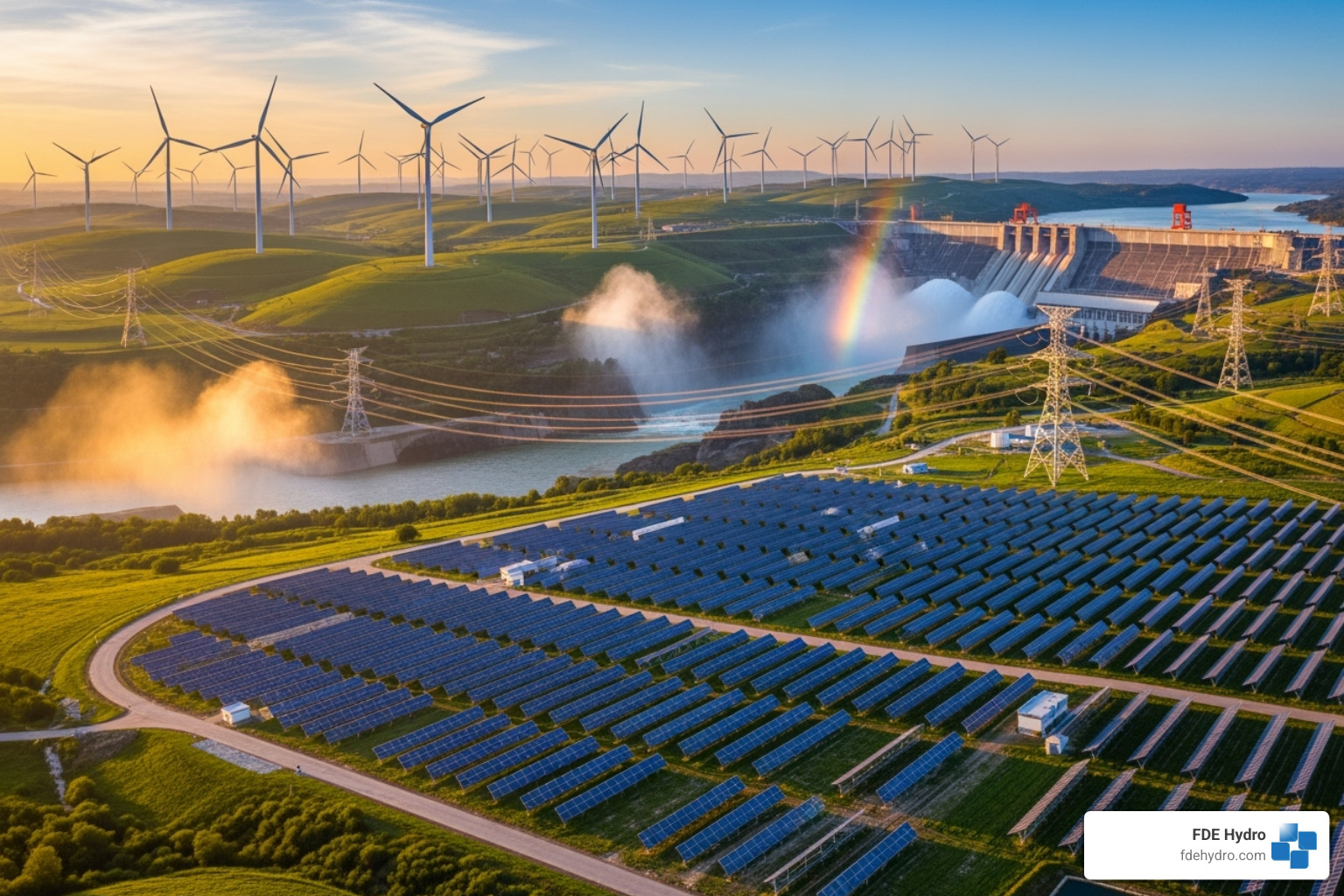
Sustainable energy development is the shift in how we produce, distribute, and consume energy to meet today’s needs without compromising the future. With fossil fuels providing 80% of global energy and the energy sector causing 75% of greenhouse gas emissions, this transition is urgent.
Here’s what sustainable energy development means in practice:
- Universal Access: Ensuring affordable, reliable, and modern energy for all.
- Clean Sources: Transitioning from fossil fuels to renewables like solar, wind, and hydropower.
- Energy Efficiency: Doubling the rate of efficiency improvements by 2030.
- Just Transition: Creating 35 million clean energy jobs while supporting affected communities.
- Climate Action: Reaching net-zero emissions by 2050 to limit global warming to 1.5°C.
The opportunities are significant. While 645 million people may still lack electricity by 2030, renewable energy is now the cheapest option for new power in most countries. Clean energy investments hit $2 trillion in 2024, and for every dollar invested, renewables create three times as many jobs as fossil fuels. This path requires coordinated action across technology, policy, finance, and education.
I’m Bill French, Sr., Founder and CEO of FDE Hydro™, and I’ve spent decades at the intersection of civil construction and clean energy. Through my work with the Department of Energy’s Hydro Power Vision Technology Task Force and developing modular hydropower solutions, I’ve seen how innovation in sustainable energy development can reduce costs, accelerate deployment, and meet the world’s growing energy needs sustainably.
The Global Push for Sustainable Energy: SDGs and Climate Action
Access to energy is a fundamental building block for education, healthcare, and economic opportunity. The United Nations’ Sustainable Development Goal 7 (SDG 7) aims to “ensure access to affordable, reliable, sustainable and modern energy for all,” linking economic growth, social equity, and environmental protection.
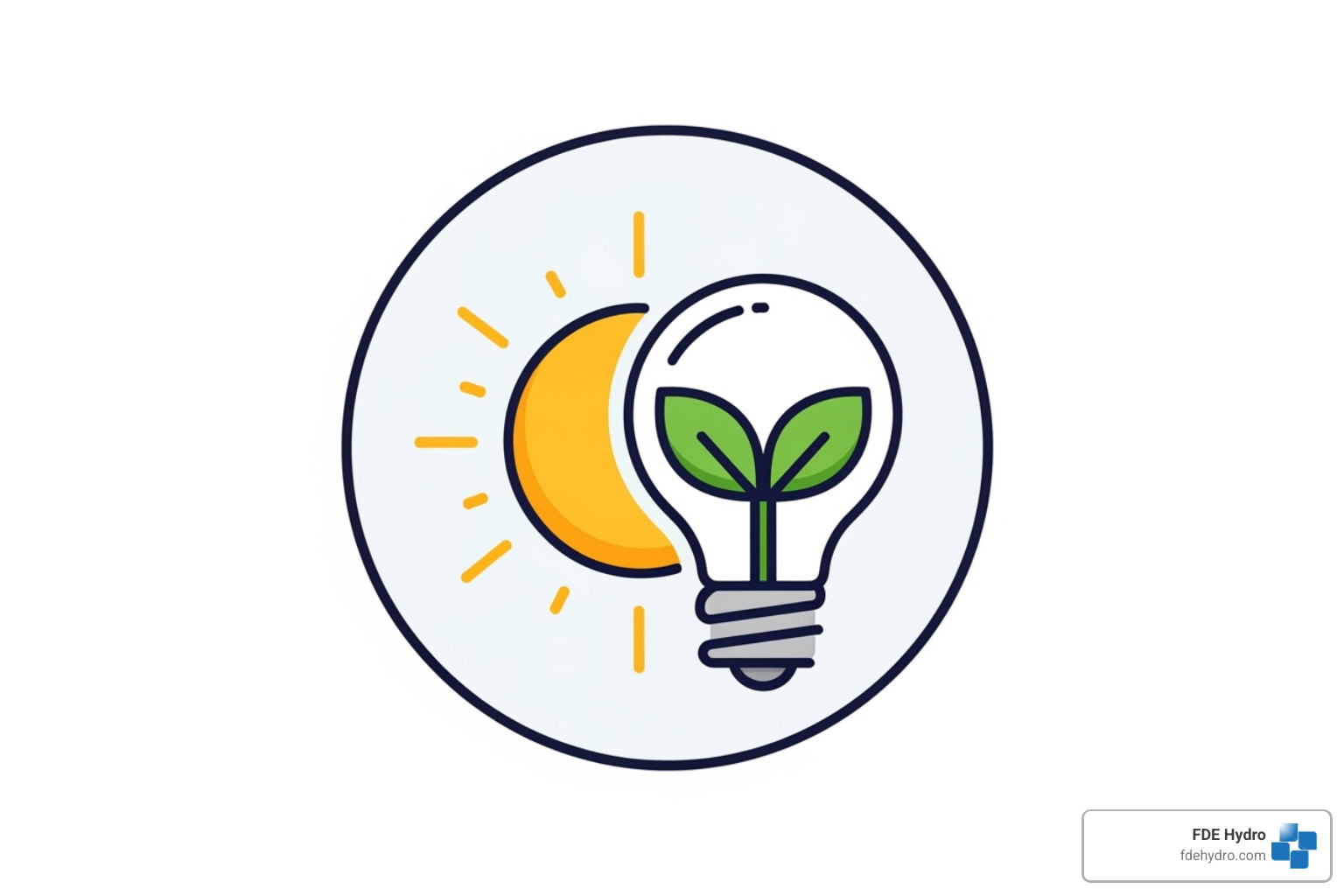
We’ve made progress, with global electricity access rising from 84% in 2010 to 92% in 2023. However, about 645 million people are still projected to lack electricity by 2030, as progress on basic energy access has slowed. The clean cooking challenge is also urgent, with 1.8 billion people expected to still use polluting fuels by 2030, leading to millions of premature deaths from household air pollution, disproportionately affecting women and children.
According to The Sustainable Development Goals Report 2025, we are off track to achieve SDG 7. International financial support for clean energy in developing countries rose to $21.6 billion in 2023, but this is still below what is needed.
This energy access challenge is directly tied to the climate crisis. The Paris Agreement commits nations to limit global warming to 1.5°C, requiring net-zero emissions by 2050. Our current energy system, which relies on fossil fuels for 80 percent of global energy supply, accounts for 75% of greenhouse gas emissions.
The transition to sustainable energy is therefore our best tool for climate mitigation. It involves a fundamental shift to renewables like solar, wind, and hydropower. This move also improves energy security, as 80% of the world’s population lives in countries that import fossil fuels, making them vulnerable to price shocks. Decentralized renewable solutions, like solar home systems and mini-grids, offer a chance for developing nations to leapfrog the fossil fuel era, building modern, resilient energy systems from the ground up. Initiatives like the UNDP’s “Energy Moonshot” aim to accelerate this progress, providing 500 million more people with sustainable energy access by 2025.
Understanding the Sustainable Energy Landscape
The shift to sustainable energy development is driven by compelling economic, health, and social benefits. Renewable energy is now the most affordable source of power for new generation in most countries, with solar and offshore wind being 41% and 53% cheaper than fossil fuels, respectively. This economic advantage is reflected in investment trends: in 2024, clean energy investment reached $2 trillion, far outpacing fossil fuels.
The transition also brings profound co-benefits. By moving away from fossil fuels, we can reduce air pollution, which is associated with 7 million premature deaths every year and costs the global economy $8.1 trillion annually in health damages. Furthermore, the clean energy sector is a major job creator, already employing 35 million people. For every dollar invested, renewables create three times as many jobs as the fossil fuel industry, with a projected net gain of 9 million energy sector jobs by 2030. Finally, embracing local renewable sources improves energy independence, shielding economies from volatile global fuel markets.
Defining Sustainable Energy Development vs. Renewable Energy
It’s common to use “renewable” and “sustainable” interchangeably, but their distinction is crucial for effective policy and investment.
| Feature | Renewable Energy | Sustainable Energy |
|---|---|---|
| Definition | Energy from sources that naturally replenish on a human timescale. | Energy that meets present needs without compromising the ability of future generations to meet theirs. |
| Focus | The source of the energy (e.g., sun, wind, water). | The entire system and its long-term impacts (environmental, social, and economic). |
| Examples | Solar, wind, hydropower, geothermal, biomass. | Responsibly managed renewables, energy efficiency measures, and low-carbon sources with minimal long-term impact. |
| Key Question | Does the source replenish itself? | What are the full lifecycle consequences of this energy choice? |
This distinction highlights that not all renewable energy is automatically sustainable. For example, a poorly planned hydropower dam can harm ecosystems, while a well-designed one can be a cornerstone of sustainability. This nuanced approach, reflected in frameworks like the European Green Deal, pushes us to ask deeper questions and make better long-term decisions.
The Co-Benefits of a Clean Energy Future
The beauty of transitioning to sustainable energy development is that climate mitigation is just the beginning. The ripple effects touch nearly every aspect of how we live, work, and thrive as communities.
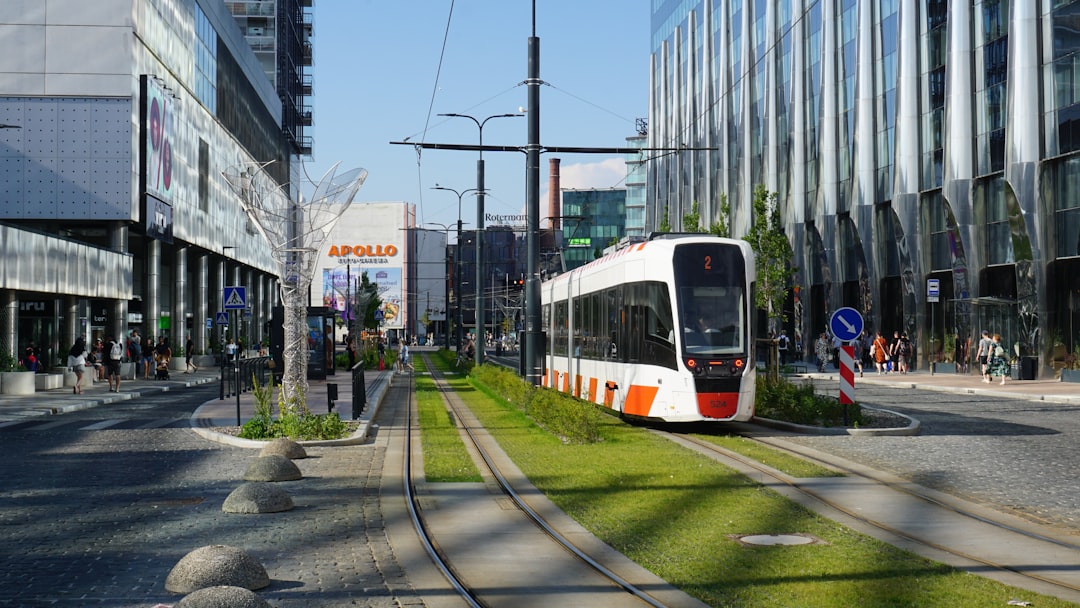
Start with the air we breathe. Right now, about 99% of people worldwide breathe air that exceeds the World Health Organization’s quality limits. When we burn fossil fuels, we release particulate matter, nitrogen oxides, and sulfur dioxide—the stuff that creates smog, triggers asthma attacks, and causes serious respiratory diseases. The human cost is devastating: air pollution is associated with 7 million premature deaths every year. Behind each of those statistics is a person, a family, a community affected by preventable illness.
The economic burden is equally staggering—$8.1 trillion annually in health damage, representing 6.1% of global GDP. Imagine what we could do with those resources if they weren’t tied up treating pollution-related diseases. Clean energy sources that emit little to no air pollutants offer us a way out. Cleaner air means healthier children, fewer hospital visits, more productive workers, and stronger communities.
Energy independence is another powerful benefit that often gets overlooked. Many countries—especially those that import most of their fossil fuels—find themselves vulnerable to volatile global markets and geopolitical tensions. When energy prices spike or supply chains get disrupted, entire economies feel the impact. Renewable energy changes this equation fundamentally. The sun shines everywhere, the wind blows across every continent, and water flows through countless rivers. Africa alone could generate ten times more electricity than it needs by 2040, entirely from renewables. That’s not just energy independence—that’s energy abundance.
For nations that accept this shift, the benefits are immediate: more stable energy costs, reduced reliance on external suppliers, stronger national security, and greater control over their economic future. Communities that were once dependent on imported fuel can now generate their own power, keeping money and jobs local.
The job creation aspect brings this all together. Yes, some fossil fuel jobs will transition, but the net effect is overwhelmingly positive. For every dollar invested in renewable energy, three times as many jobs are created compared to fossil fuels. By 2030, we’re looking at a net gain of 9 million jobs globally in the energy sector. These aren’t just construction jobs that disappear once a project is built—they’re long-term positions in manufacturing, research, development, operations, maintenance, and innovation. They’re careers that support families and build communities, spread across diverse skill levels and regions.
This is what makes sustainable energy development so compelling. We’re not just solving an environmental problem—we’re creating healthier communities, more stable economies, and better opportunities for millions of people. That’s a future worth building.
Key Priorities for Accelerating the Sustainable Energy Transition
To meet the COP28 goals of tripling global renewable energy capacity and doubling energy efficiency by 2030, we must address several key priorities. A just and inclusive transition is paramount, requiring robust retraining programs and economic support for communities historically dependent on fossil fuels.
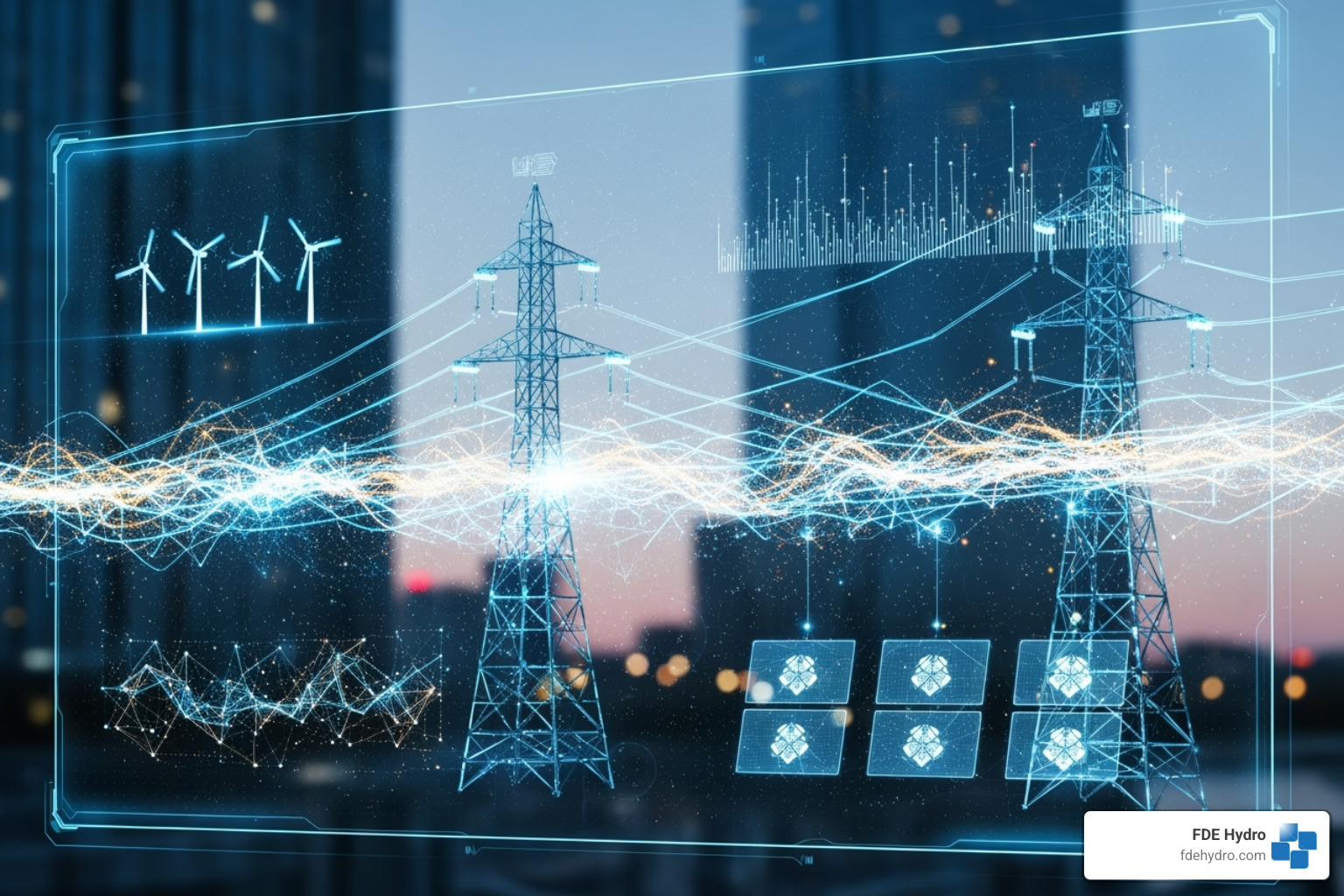
We also face challenges in decarbonizing “hard-to-abate” sectors like aviation, shipping, and heavy industry, where innovations like green hydrogen are needed. As we scale up renewables, the demand for critical minerals like lithium and cobalt will surge, making responsible mining and recycling essential. Furthermore, the intermittent nature of solar and wind requires massive investment in energy storage solutions, from advanced batteries to pumped hydropower, and the development of smart grids to ensure reliability.
Scaling Up Renewables and Improving Energy Efficiency
The good news is that economics are on our side. Renewable energy is the cheapest option for new electricity in most of the world, and the International Renewable Energy Agency projects renewables could supply over 90% of global electricity by 2050. This involves not only building new solar and wind farms but also modernizing existing infrastructure like hydropower. At FDE Hydro, our modular technology makes building new and retrofitting old hydropower facilities faster and more cost-effective.
Equally important is energy efficiency, often called the “first fuel.” Since we currently waste about 60% of the energy we produce, improvements like better insulation in homes and offices, smarter industrial machinery, LED lighting, heat pumps, and electric vehicles can drastically cut demand. This reduces emissions and frees up resources for building new generation capacity.
Creating an Enabling Policy and Financial Environment
Technology alone is not enough; it needs supportive policy and finance. A major barrier is the $7 trillion spent on fossil fuel subsidies in 2022. Phasing these out is critical.
To attract the necessary private capital, especially in developing economies, governments must create a stable investment climate with clear tax incentives, feed-in tariffs, and streamlined permitting processes. Innovative financing models like blended finance, which uses public funds to de-risk projects for private investors, are also essential. The goal is to use public resources strategically to open up the massive pools of private capital needed for the global transition to sustainable energy development.
The Role of Education and Innovation in Sustainable Energy Development
Digital innovation, data, and AI are key accelerators for sustainable energy development. Digitalization can reduce emissions by 20 percent by 2050 by optimizing energy systems, from demand prediction to grid management.
Organizations like the United Nations Development Programme (UNDP) are at the forefront, driving policy and technology shifts. For example, with UNDP support, Uruguay repurposed fossil-fuel subsidies for electric buses, and Mauritius installed a large-scale battery storage system to integrate more renewables. These initiatives show how strategic partnerships and technology can create significant impact.
The Future of Sustainable Energy Development Education
Preparing the next generation of energy leaders requires a new approach to education. Interdisciplinary programs are crucial for providing a holistic understanding of the energy sector’s technical, economic, social, and legal complexities.
The University of Calgary’s Master of Science in Sustainable Energy Development (SEDV) program is a prime example, bringing together faculty from engineering, public policy, Faculty of Law, and other fields. Similarly, Johns Hopkins SAIS offers programs like its MA in Sustainable Energy. These programs connect students with industry professionals and equip them with the critical thinking skills needed to steer the energy transition, training them to be future leaders in energy transition.
Innovations Driving the Energy Transition
The rapid pace of technological innovation is a cornerstone of the energy transition. Here are some key developments:
- Advanced Battery Storage: Crucial for grid stability with intermittent renewables. Innovations in battery chemistry and Pumped Storage Hydropower, a proven technology, are key.
- Green Hydrogen Production: Using renewable electricity to create clean fuel for hard-to-abate sectors like heavy industry and transport.
- Carbon Capture, Utilization, and Storage (CCUS): A technology to capture CO2 emissions from industrial sources, though its cost and scalability are still under debate.
- Small Modular Reactors (SMRs): Smaller, potentially more cost-effective nuclear reactors that offer low-carbon power but still face concerns about waste and safety.
- AI-Powered Grid Management: Using AI to predict demand, optimize generation, and manage smart grids for improved efficiency and reliability.
- Superhot Rock Geothermal Energy: A next-generation technology aiming to open up vast amounts of clean, baseload power from deep geothermal resources.
These innovations, combined with proven technologies like the modernized hydropower infrastructure we build with our Dams, Spillways, and Modular Powerhouses, are building a resilient, low-carbon energy system.
Conclusion
The path to sustainable energy development is both urgent and full of promise. The transition away from fossil fuels is not just an environmental necessity—it is an engine for creating a healthier, more prosperous, and more equitable world.
The goals are clear: tripling renewable capacity and doubling energy efficiency by 2030. Achieving this requires a coordinated effort across technology, policy, finance, and education. The benefits are transformative, including cleaner air, greater energy independence, millions of new jobs, and more stable economies.
Proven renewable technologies like hydropower are essential to this transition. While new innovations are exciting, we must also leverage mature, reliable technologies that can be deployed today. Modernizing existing hydropower infrastructure is a critical, cost-effective way to secure clean, dispatchable power and support the grid as intermittent renewables expand.
At FDE Hydro, we are committed to accelerating this transition. Our innovative modular precast concrete technology dramatically reduces the time and cost of building and retrofitting hydroelectric facilities, including Dams, Spillways, and Modular Powerhouses. By making Hydropower and Pumped Storage Hydropower more accessible and economically viable, we are helping to build the sustainable energy future.
The transition is underway. For More info about innovative hydropower solutions that are making this transition faster and more affordable, I invite you to explore our work.
