

Why Hydropower Matters More Than Ever
New Hydro Facilities are large-scale hydroelectric power plants essential for meeting rising electricity demand and climate goals. Here’s a quick overview:
- Purpose: Generate clean, renewable electricity and provide critical grid stability.
- Scale: Canada plans to invest $55-$70 billion to add 14,500 MW of new capacity.
- Benefits: Zero emissions, long lifespan (50-100+ years), reliable baseload power, and water management.
- Timeline: Major projects typically take 5-15 years from planning to operation.
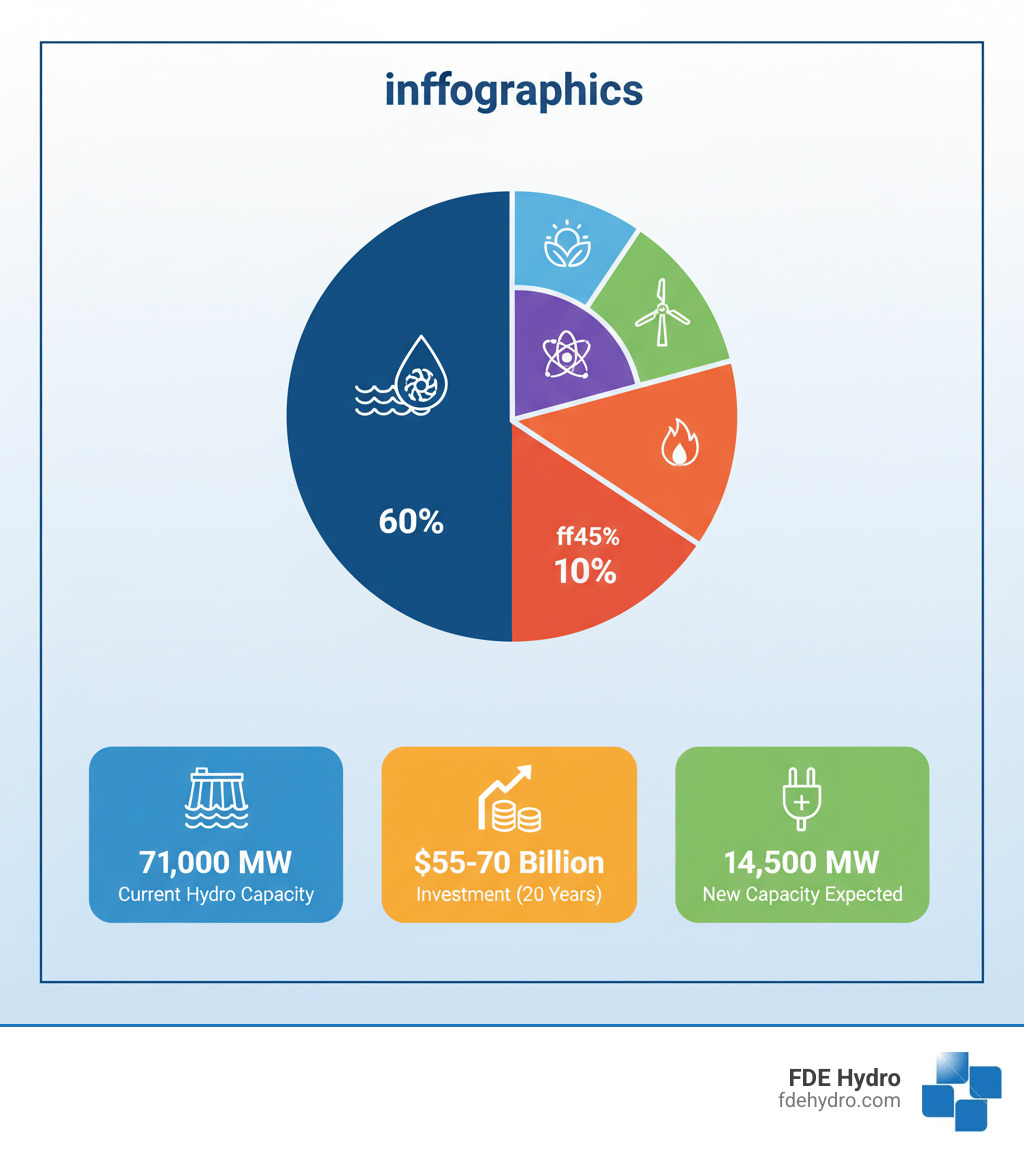
Canada is a hydro superpower, generating 60% of its electricity from waterways—second only to China. With 71,000 MW of installed capacity, our dams have powered the nation for over a century.
But demand is surging. Ontario alone expects a 59% jump by 2050 due to electrification. While wind and solar are vital, they lack the around-the-clock reliability that hydropower provides. This makes building new facilities and modernizing existing ones critical for a clean energy future.
Building new hydro presents challenges like high costs, long timelines, and environmental concerns. Innovation is the key to overcoming them. Modular construction techniques, pumped storage, and retrofitting existing dams can cut costs, accelerate timelines, and reduce environmental impact.
I’m Bill French, Founder and CEO of FDE Hydro™. We’ve pioneered modular solutions like the French Dam to make New Hydro Facilities more viable. With five decades of experience in major infrastructure and work with the U.S. Department of Energy on next-generation hydro, I’ve created this guide to explain the future of hydropower and why it matters.
The Current State of Canadian Hydropower
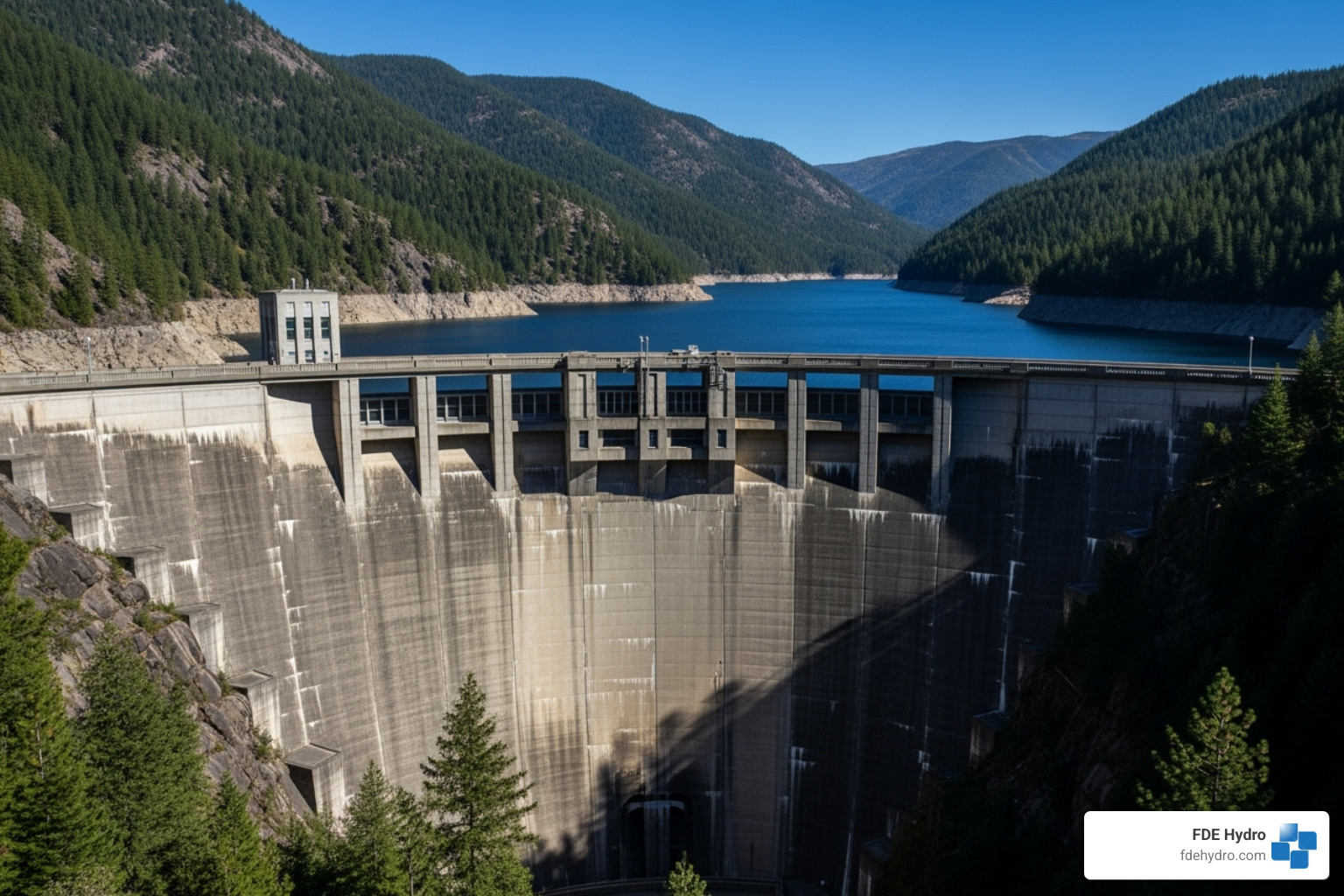
Canada’s electricity system is built on hydropower. As the world’s second-largest producer, we generate 60% of our electricity from rivers and reservoirs. This amounts to 71,000 MW of installed capacity, with provinces like Quebec, British Columbia, Ontario, and Manitoba leading the way for over a century. These facilities are a testament to hydropower’s reliability and renewable nature.
Canada’s Largest Hydro Stations
Canada is home to some of the world’s most impressive hydroelectric facilities. Key examples include:
- James Bay Project (Quebec): One of the world’s largest hydro complexes, combining 11 power stations for a total of 16,527 MW.
- Robert-Bourassa (Quebec): The world’s largest underground generating station, producing 7,722 MW.
- Churchill Falls (Newfoundland and Labrador): A massive underground powerhouse generating 5,428 MW.
- WAC Bennett Dam (British Columbia): A major facility with 2,876 MW of capacity.
- Sir Adam Beck Stations (Ontario): A complex on the Niagara River with a combined capacity of 1,499 MW.
These stations highlight decades of Canadian innovation. For more on how these structures work, you can learn about hydro electric dams.
Ontario’s Hydropower Landscape
Ontario Power Generation operates 66 hydroelectric plants, many of which have been running for nearly a century. The Sir Adam Beck I and II stations are the cornerstones, generating 9% of all electricity in the province.
Crucially, Northern Ontario holds an estimated 4,000 MW of untapped hydropower potential—enough to power roughly 3.5 million homes. This represents a significant opportunity for New Hydro Facilities development, with OPG actively exploring these projects in partnership with Indigenous communities. This combination of proven assets and untapped potential positions Canada for major clean energy growth.
Why We Need New Hydro Facilities
The push for New Hydro Facilities is about securing a sustainable and reliable energy future for Canada. The need is driven by three key factors:
- Climate Goals: Hydropower is a zero-emission electricity source, making it essential for decarbonization and meeting climate targets.
- Electrification: The shift to electric vehicles, heat pumps, and electric industrial processes is causing a massive surge in electricity demand. Ontario alone forecasts a 59 percent increase by 2050, as detailed in Ontario’s electricity demand forecast.
- Grid Stability: Unlike intermittent renewables like wind and solar, hydropower provides reliable, on-demand power. It acts as a stabilizing force, storing energy in reservoirs and adjusting output to match demand, which is crucial for preventing blackouts. This role is explained further in 4 Reasons Why Hydropower is the Guardian of the Grid.
Hydropower vs. Other Renewables
While solar and wind are vital, hydropower offers distinct advantages that make it irreplaceable.
- Cost: Hydropower has high upfront costs but extremely low operating costs and a lifespan of 50-100+ years, often resulting in the lowest long-term cost per megawatt-hour. Solar and wind have lower initial costs but require replacement every 20-30 years.
- Reliability: Hydropower has a high capacity factor (40-90%), meaning it generates power most of the time. Solar (15-25%) and wind (25-40%) are intermittent and less predictable.
- Lifespan: Hydro facilities can operate for over a century with proper maintenance. Solar panels and wind turbines have much shorter lifespans (20-30 years).
- Land Use: While hydro requires reservoirs, they can also provide flood control, water supply, and recreation. Solar and wind farms also require large land areas.
Solar and wind are partners with hydropower. They provide clean energy when available, while hydropower provides the baseload power and grid stability needed to make a renewable grid work 24/7.
The Current State of Canadian Hydropower
Canada is a global hydro superpower, generating 60% of the nation’s electricity from its 71,000 MW of installed capacity. This vast network of New Hydro Facilities and century-old dams, led by provinces like Quebec, British Columbia, and Ontario, forms the backbone of our clean energy system.
Canada’s Largest Hydro Stations
Our country is home to monumental hydroelectric projects that demonstrate the scale and reliability of this technology. Major stations include:
- James Bay Project (Quebec): A massive complex with a combined capacity of 16,527 MW.
- Robert-Bourassa Generating Station (Quebec): The world’s largest underground station, producing 7,722 MW.
- Churchill Falls (Newfoundland and Labrador): Canada’s second-largest facility at 5,428 MW.
- W.A.C. Bennett Dam (British Columbia): A key contributor with 2,876 MW.
- Sir Adam Beck Stations (Ontario): A vital complex generating 1,499 MW.
These facilities are a lasting legacy of Canadian engineering. For more information on the structures that make this possible, you can learn about hydro electric dams.
Ontario’s Hydropower Landscape
Ontario Power Generation (OPG) operates 66 hydro plants, with the Sir Adam Beck I and II stations producing 9% of the province’s electricity. More importantly, Northern Ontario holds an estimated 4,000 MW of untapped potential. OPG is actively exploring these opportunities for New Hydro Facilities in partnership with Indigenous communities, paving the way for the next generation of clean power.
Why We Need New Hydro Facilities
The development of New Hydro Facilities is essential for building a clean and resilient energy future. The need is driven by the convergence of climate goals, widespread electrification, and soaring energy demand.
Meeting national climate targets requires a massive shift to zero-emission energy, a role hydropower has filled for decades. As our economy electrifies—from EVs to industrial processes—demand is set to surge. In Ontario alone, demand is forecast to jump 59 percent by 2050, according to the Ontario’s electricity demand forecast.
This is where hydropower becomes irreplaceable. Unlike intermittent solar and wind, hydro provides grid stability. Water stored in reservoirs acts as a natural battery, allowing operators to generate power on demand. This flexibility makes hydropower the “guardian of the grid,” providing the baseload power needed to balance other renewables. Learn more about this critical role in 4 Reasons Why Hydropower is the Guardian of the Grid.
Hydropower vs. Other Renewables
Hydropower’s unique strengths make it indispensable in a modern renewable energy grid.
- Reliability & Storage: Hydropower provides steady, dispatchable power and inherent energy storage through its reservoirs. Solar and wind are intermittent and require external battery storage, which adds cost and complexity.
- Lifespan & Cost: Hydro facilities can operate for over a century with low running costs, offering excellent long-term value. Solar and wind assets have shorter lifespans (20-30 years) and require replacement.
- Footprint: While hydro reservoirs require land, modernization projects can add capacity to existing facilities without expanding their footprint. Modern designs also include mitigation measures for environmental impacts like fish migration.
The takeaway is that New Hydro Facilities are not competitors to solar and wind but essential partners. They provide the stable foundation that enables a reliable, 100% renewable grid.
Major Projects and Future Developments
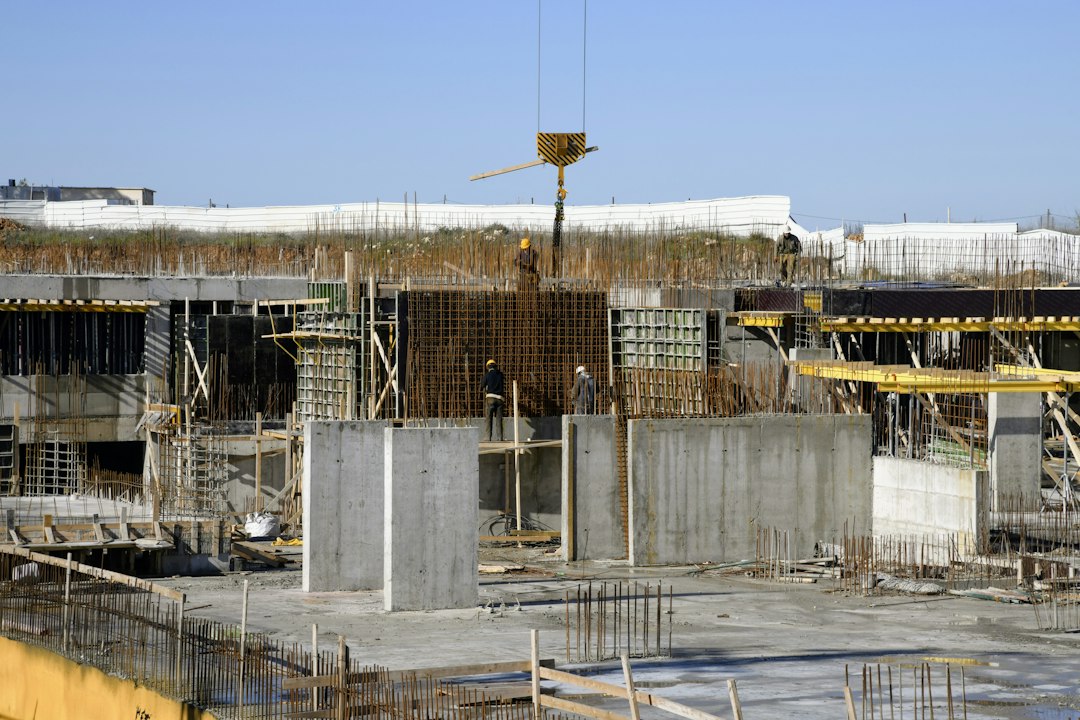
Canada is investing $55 to $70 billion in New Hydro Facilities over the next two decades, aiming to add 14,500 MW of new capacity. This commitment is already translating into major projects across the country.
Spotlight on Key Projects
- BC Hydro’s Site C Project: This 1,100 MW project in British Columbia will power nearly 500,000 homes. After BC Hydro completed filling the Site C reservoir, the first units are now online, with full operation expected by fall 2025.
- Newfoundland’s Bay d’Espoir Expansion: A $1 billion+ investment will add a 150 MW unit to the existing dam, providing new clean power by 2034 to meet growing demand from electrification.
- Ontario’s Northern Development: OPG is exploring the 4,000 MW of untapped potential in Northern Ontario’s rivers. This development is being planned in close partnership with Indigenous communities to ensure responsible and equitable outcomes.
The Role of Modernization and Refurbishment
Alongside new builds, modernizing existing dams is a cost-effective strategy with lower environmental impact. This approach focuses on extending facility lifespans and upgrading turbines and generators.
A prime example is the Sir Adam Beck refurbishment in Ontario. A $1 billion investment will overhaul the station’s generating units, adding 15 years of life to 1,700 MW of capacity. Across North America, such upgrades could add nearly 9,000 MW of new capacity, partly by adding power generation to existing non-powered dams.
This dual strategy of building new and modernizing existing assets is key to a flexible and robust clean energy future. You can learn more about this process in Reinvigorating Hydropower.
Challenges and Innovations in Hydro Development
Building New Hydro Facilities is complex, balancing immense benefits with significant challenges. These massive, long-term projects require careful planning to manage costs, timelines, and impacts. As explained in Financing Long-Term Hydropower Requires Mitigating Risks Prior to ROI, a clear-eyed view is essential.
Key Considerations for Planning New Hydro Facilities
Successful hydro development hinges on addressing several key factors:
- Environmental Impacts: Thorough assessments are needed to manage effects on ecosystems, water quality, and fish migration. Modern designs incorporate fish-friendly turbines and other mitigation strategies.
- Indigenous Partnerships: Meaningful consultation and partnership with Indigenous communities are no longer optional but fundamental to modern project development, ensuring shared benefits and respect for traditional territories.
- High Capital Costs & Long Timelines: Hydro projects require billions in patient capital and can take over a decade to build, demanding stable policy and long-term vision.
- Regulatory Processes: Navigating complex, multi-level government reviews and public consultations adds significant time and cost but is crucial for responsible development.
Innovations in Building New Hydro Facilities
Fortunately, innovation is making New Hydro Facilities faster, more affordable, and more sustainable.
- Pumped Storage Hydropower (PSH): This technology acts like a giant, highly efficient battery. It uses surplus electricity to pump water to an upper reservoir and releases it to generate power when needed, perfectly complementing intermittent renewables like solar and wind. Learn more about Pumped Storage Hydropower.
- Retrofitting Non-Powered Dams: North America has over 90,000 dams, but less than 3% produce power. Adding turbines to existing structures is a low-impact way to generate clean energy without building new reservoirs.
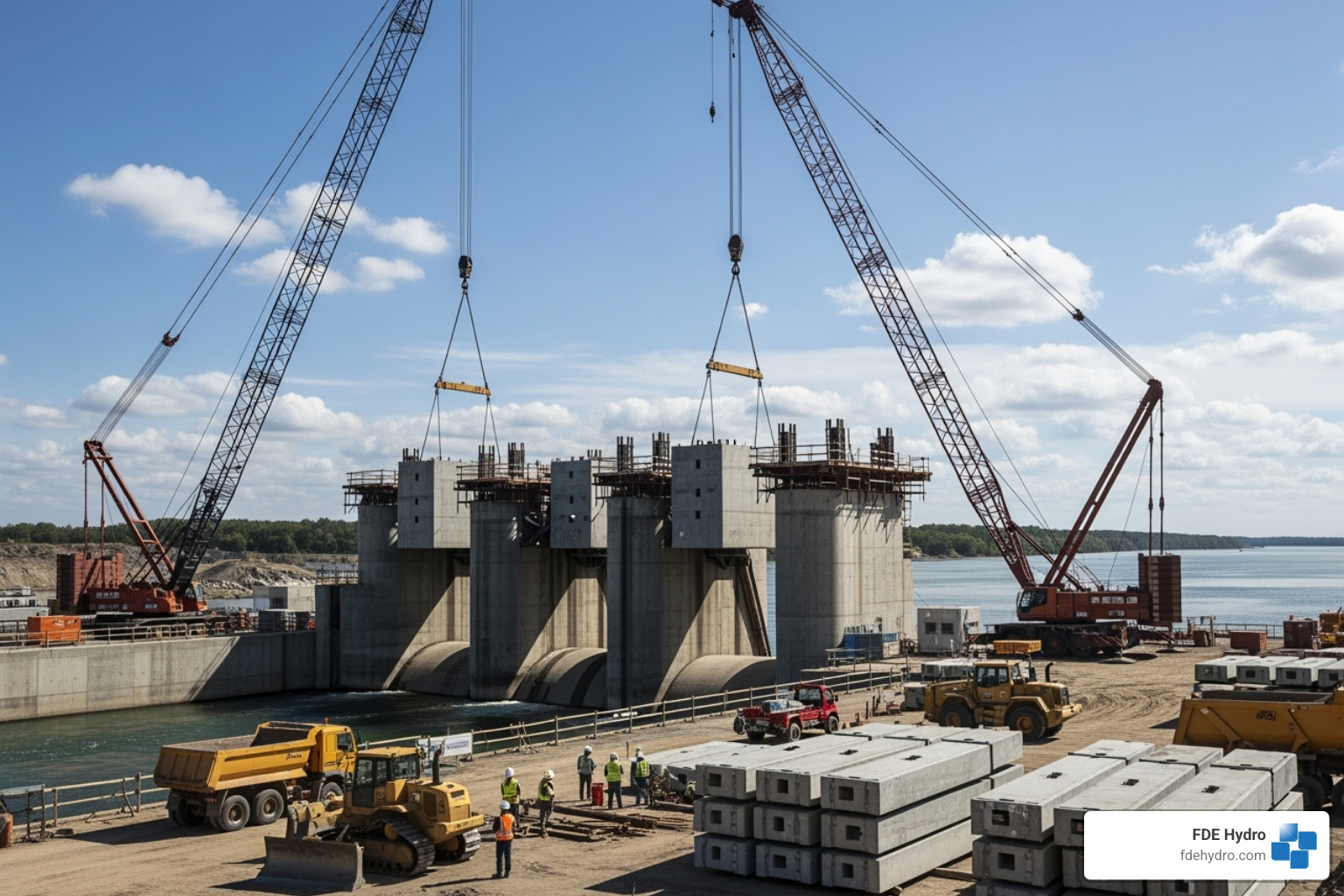
- Modular Precast Technology: At FDE Hydro™, our patented “French Dam” approach uses factory-built concrete modules that are assembled on-site. This dramatically reduces construction time and cost, improving quality control and making more projects economically viable. Explore the benefits of our Modular Construction Techniques.
These innovations are essential for overcoming development challenges, accelerating decarbonization, and delivering affordable clean energy.
Conclusion
Hydropower is the foundation of Canada’s clean energy future. Our status as a global hydro superpower provides a distinct advantage in the race to decarbonize. The path forward is a dual strategy: building essential New Hydro Facilities while modernizing our existing assets.
While challenges like high costs, long timelines, and environmental concerns are real, innovation provides the solution. Pumped storage, retrofitting non-powered dams, and modular construction techniques—like those pioneered at FDE Hydro™—are making hydropower projects faster, more affordable, and more sustainable.
The future of energy is clean, and for Canada, that future flows through water. We are building that future now, ensuring reliable and affordable power for generations to come.
To see how advanced engineering is reshaping the industry, learn more about advanced hydropower solutions.
