

Why Sustainable Power Generation Matters Now More Than Ever
Sustainable power generation is energy produced from sources that meet our current needs without compromising future generations’ ability to meet theirs. It goes beyond just using renewable sources—it considers the full environmental, social, and economic impact of how we produce electricity.
- Renewable Energy refers to energy from naturally replenishing sources like solar, wind, and water.
- Sustainable Energy includes renewable sources but adds criteria like minimal environmental impact, social equity, and long-term economic viability. Essentially, all sustainable energy is renewable, but not all renewable energy is truly sustainable.
The numbers tell a compelling story. Global renewable electricity generation is forecast to climb to over 17,000 terawatt-hours by 2030, an increase of almost 90% from 2023. In 2025, renewables are set to overtake coal-fired generation for the first time in history. This transition is driven by the need to address the climate crisis while ensuring energy security and economic growth.
The challenge is that conventional approaches to power generation often involve high costs and extended timelines. The energy sector needs innovative solutions that can accelerate deployment while reducing capital expenditure.
I’m Bill French Sr., Founder and CEO of FDE Hydro™, where we’ve spent the past decade developing modular solutions for sustainable power generation in the hydropower sector. My five decades in heavy civil construction taught me that the biggest barrier to clean energy isn’t technology—it’s the outdated construction methods that make projects too expensive and time-consuming.
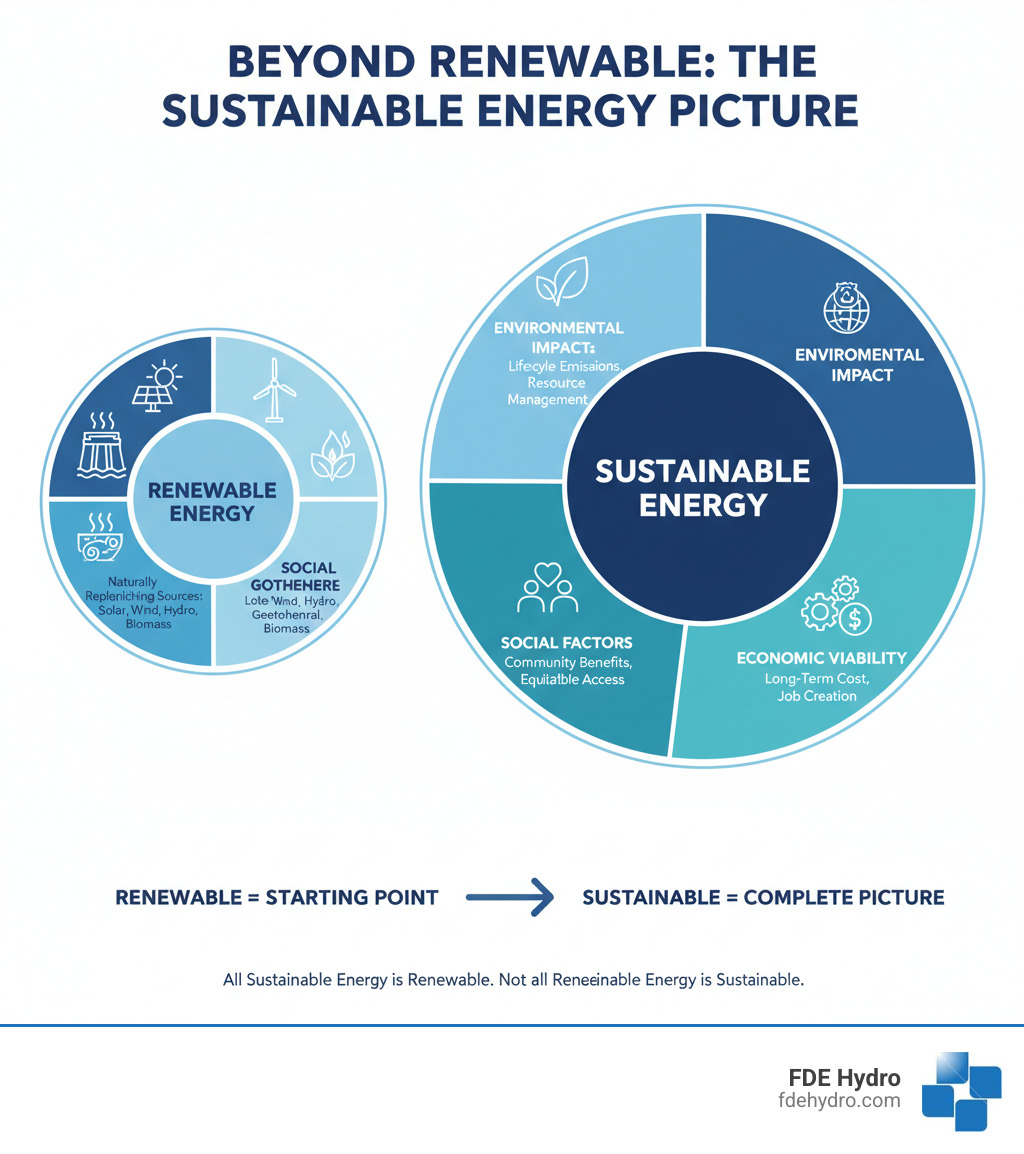
Defining the Terms: Renewable vs. Sustainable Energy
While often used interchangeably, understanding the difference between “renewable” and “sustainable” is key to making smart energy decisions.
Renewable energy is energy derived from natural sources that replenish themselves, like sunlight, wind, and flowing water. These sources are inexhaustible. Our Energy 101 guide breaks down these basics.
Sustainable power generation is a broader concept. It asks if we can produce power today without harming future generations. This requires evaluating the full lifecycle impact across three areas: environmental protection, social equity, and economic viability. A solar panel is renewable, but if its manufacturing involved exploitative labor and created non-recyclable waste, its sustainability is questionable.
What Makes an Energy Source Truly Sustainable?
To be truly sustainable, an energy source must be evaluated on its entire life story. Key factors include:
- Lifecycle emissions: While renewables have far lower emissions than fossil fuels during operation, we must account for emissions from manufacturing, transport, and decommissioning.
- Resource management: Building millions of solar panels or wind turbines requires raw materials. Sustainable practices minimize the environmental cost of extracting and processing these materials.
- Land and water use: Large energy projects can impact habitats, farmland, and water supplies. The environmental impacts of renewable energy sources must be carefully managed, especially in water-scarce regions.
- Social equity: A just transition ensures that projects benefit local communities with jobs and affordable energy, rather than displacing them or concentrating profits elsewhere.
- Economic viability: This includes not just the initial price but also long-term maintenance and grid integration costs. Fortunately, Renewable Power Generation Costs in 2023 show many renewables are now cost-competitive with fossil fuels.
Is All Renewable Energy Sustainable?
Not all renewable energy is automatically sustainable. For example, biomass energy, which burns organic matter, is renewable. However, as the article Up in Smoke: The Biomass Energy Paradox explains, large-scale biomass can lead to deforestation and compete with food crops if not managed carefully.
Large-scale hydropower is another complex case. While it provides clean, reliable power, massive dams can alter ecosystems and displace communities. These impacts can be mitigated with thoughtful design, but they highlight that “renewable” doesn’t mean “problem-free.”
Even solar and wind face challenges. Manufacturing requires materials whose extraction can be damaging, and we need robust recycling programs for panels and turbines at their end-of-life, which is often a lifespan of roughly 30 years for solar panels. The goal is to build a genuinely better energy system, which is the core of sustainable power generation.
The Core Technologies Driving Sustainable Power Generation
The shift to clean energy is powered by a diverse mix of technologies that are becoming more efficient and affordable. Each source brings unique strengths, and understanding how they fit together is key to building a resilient energy future.
Here’s a brief comparison of the main players:
| Energy Source | LCOE (Levelized Cost of Energy) Range (2020) | Capacity Factor | Land Use | Grid Reliability | Key Advantages | Key Challenges |
|---|---|---|---|---|---|---|
| Solar PV | \$0.03 – \$0.06/kWh | 15-25% | High | Intermittent | Low cost, versatile | Intermittency, storage |
| Wind (Onshore) | \$0.03 – \$0.05/kWh | 35-50% | Medium | Intermittent | Low cost, clean | Intermittency, visual impact |
| Hydropower | \$0.02 – \$0.05/kWh | 40-90% | High | Dispatchable | Reliable, flexible | Environmental impact, upfront cost |
| Geothermal | \$0.04 – \$0.07/kWh | 70-90% | Low | Dispatchable | Consistent, low footprint | Geographic limitations, drilling costs |
| Biomass | \$0.05 – \$0.10/kWh | 60-80% | Medium | Dispatchable | Waste-to-energy, dispatchable | Sustainability of feedstock, emissions |
Note: LCOE and capacity factor ranges are approximate and can vary significantly based on project specifics, location, and market conditions.
At FDE Hydro™, we’ve seen how water-based solutions offer unique advantages, which is why we believe The Biggest Untapped Solution to Climate Change is in the Water. Let’s explore each technology.
Solar Power: Using the Sun
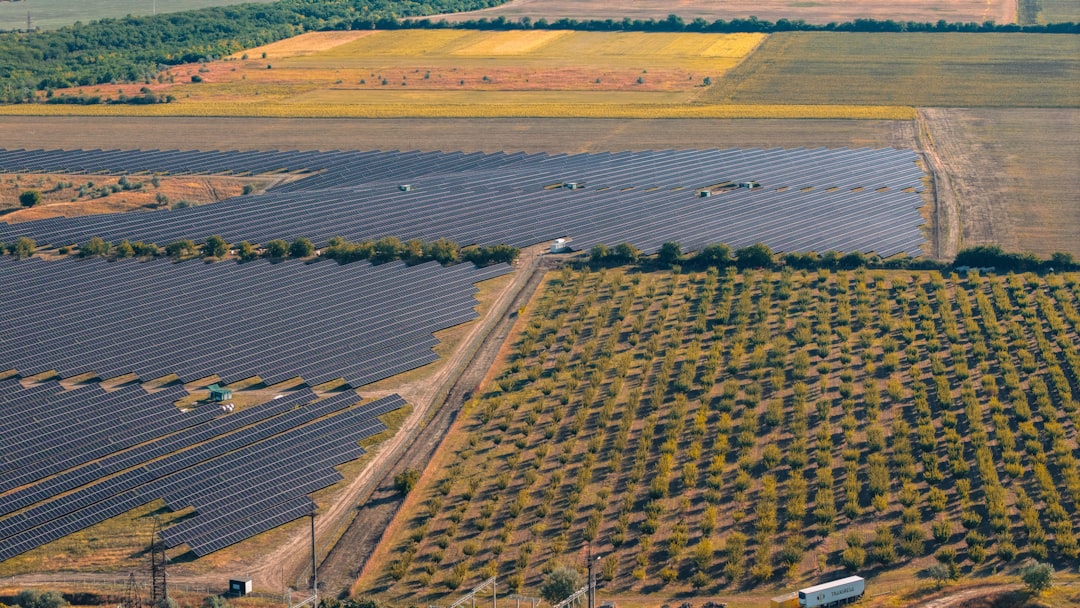
The rate at which solar energy hits the Earth is about 10,000 times greater than all the energy humanity uses. We harness this power mainly through Photovoltaic (PV) panels, which convert sunlight directly to electricity, and Concentrated Solar Power (CSP), which uses mirrors to create heat that drives a turbine. Thanks to plummeting manufacturing costs and a lifespan of roughly 30 years, solar is often the cheapest source of new electricity. Solar PV is projected to become the largest renewable power source globally by 2029.
Wind Power: Capturing the Breeze
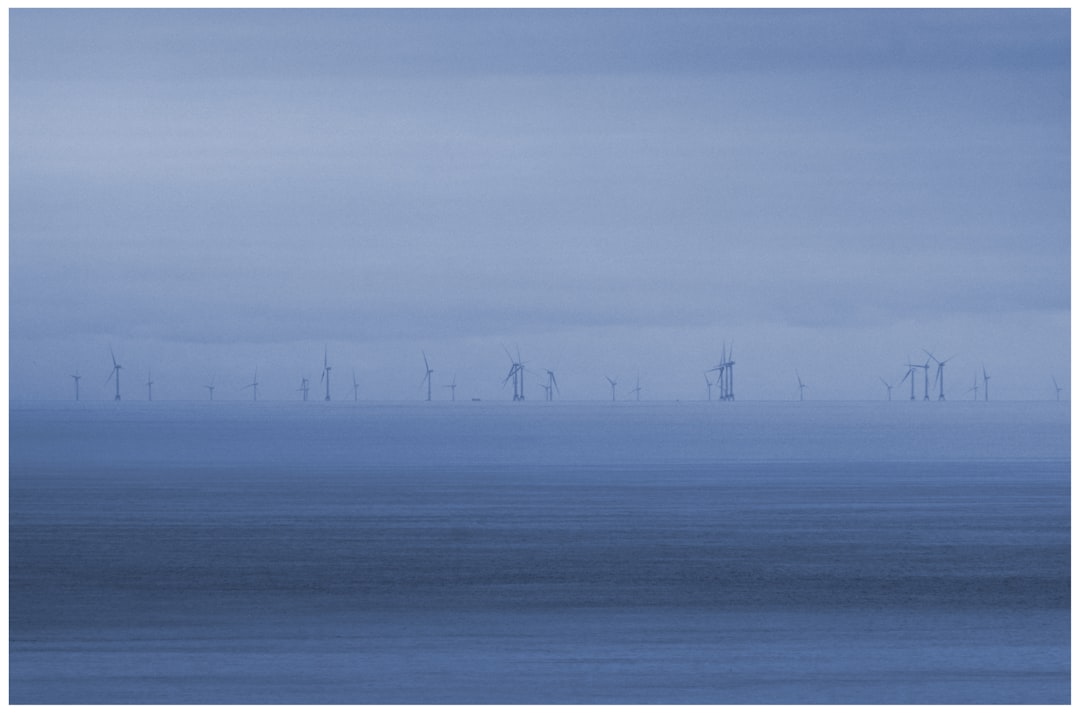
Wind is the fastest-growing source of renewable energy worldwide. Onshore wind farms are cost-effective, while offshore wind farms tap into stronger, more consistent winds. The world’s technical potential for offshore wind power offers tremendous potential, exceeding total global electricity production. While the wind’s intermittency requires grid and storage solutions, it is a cornerstone of our clean energy future, projected to generate 19% of global electricity by 2026.
Hydropower: The Power of Water
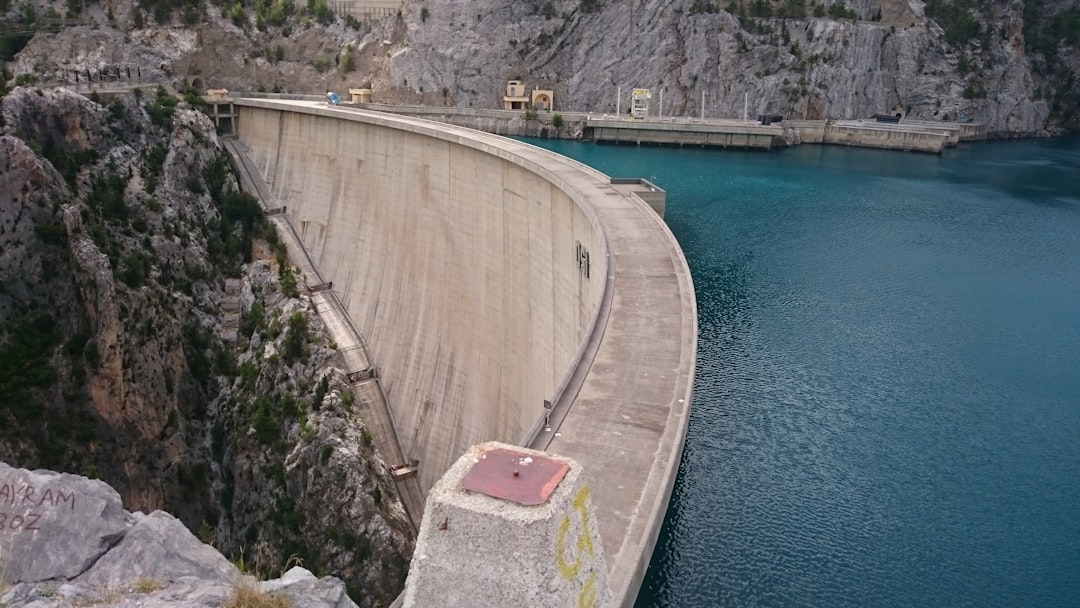
Hydropower is the workhorse of sustainable power generation, converting the energy of flowing water with over 90% efficiency. It is currently the largest single source of renewable electricity globally. Systems include large reservoir dams and smaller run-of-river projects. A key technology is Pumped Storage Hydropower, which acts like a giant battery by pumping water uphill with excess power and releasing it to generate electricity when needed. This makes hydropower a “dispatchable” resource, capable of ramping up or down to match demand, which is why it’s known as the Guardian of the Grid. At FDE Hydro™, our modular “French Dam” technology and Dam Rehabilitation Encapsulation services make hydropower more affordable and faster to deploy.
Geothermal, Biomass, and Ocean Energy
Beyond the big three, other technologies play important roles. Geothermal energy taps the Earth’s internal heat, providing consistent, 24/7 power. It’s a mature technology but is limited to specific geographic locations. Modern biomass systems use organic waste to generate dispatchable power, but sourcing must be managed responsibly to be sustainable. Ocean energy, capturing power from tides and waves, is an emerging frontier with immense theoretical potential that exceeds present human energy needs.
The Global Shift: Benefits, Challenges, and Economics
The global shift toward sustainable power generation is reshaping our world, driven by the need to address climate change and the desire for affordable, reliable energy. Public support is strong, with 82% of Americans favoring more solar and 75% backing more wind power.
Key Benefits of the Clean Energy Transition
The move to sustainable energy offers widespread benefits:
- Environmental: Generating renewable energy creates far lower emissions than fossil fuels, mitigating climate change and improving air and water quality, which leads to better public health.
- Energy Security: Relying on domestic sun, wind, and water reduces vulnerability to geopolitical conflicts and volatile global fuel prices, leading to genuine energy independence.
- Economic: Investment in renewables creates jobs—three times more than fossil fuels—in manufacturing, installation, and maintenance. It also sparks innovation in materials science, grid management, and construction techniques, like our modular approach at FDE Hydro™.
The Economic Case for Sustainable Power Generation
The old narrative of expensive renewables is outdated. Sustainable power generation is now the economical choice. Renewables are cheaper than new fossil fuel plants in most countries, a trend confirmed by the Renewable Power Generation Costs in 2023 report. This has open uped billions in private investment. While Financing Long-Term Hydropower Requires Mitigating Risks Prior to ROI, the favorable economics make it more feasible. Furthermore, clean energy helps avoid the massive hidden costs of fossil fuels, such as healthcare expenses from pollution and economic damage from climate-related disasters.
Overcoming the Problems to Widespread Adoption
This transition is not without its challenges, but they are solvable:
- Grid Modernization: Our existing grid was built for centralized fossil fuel plants. Integrating variable renewables requires significant upgrades, including new transmission lines and smart grid technologies.
- Intermittency: Solar and wind are not always available. This requires advanced energy storage systems like batteries and pumped hydro, along with smart grid management to balance supply and demand.
- Policy and Permitting: Investors need long-term policy stability. Streamlining the permitting process for new projects while maintaining environmental and community protections is a critical bottleneck to address.
- Geography and Community Acceptance: The best renewable resources are often far from cities, requiring new transmission infrastructure. Projects can also face local opposition, making transparent community engagement and benefit-sharing essential for success.
The Future Outlook for Sustainable Power Generation
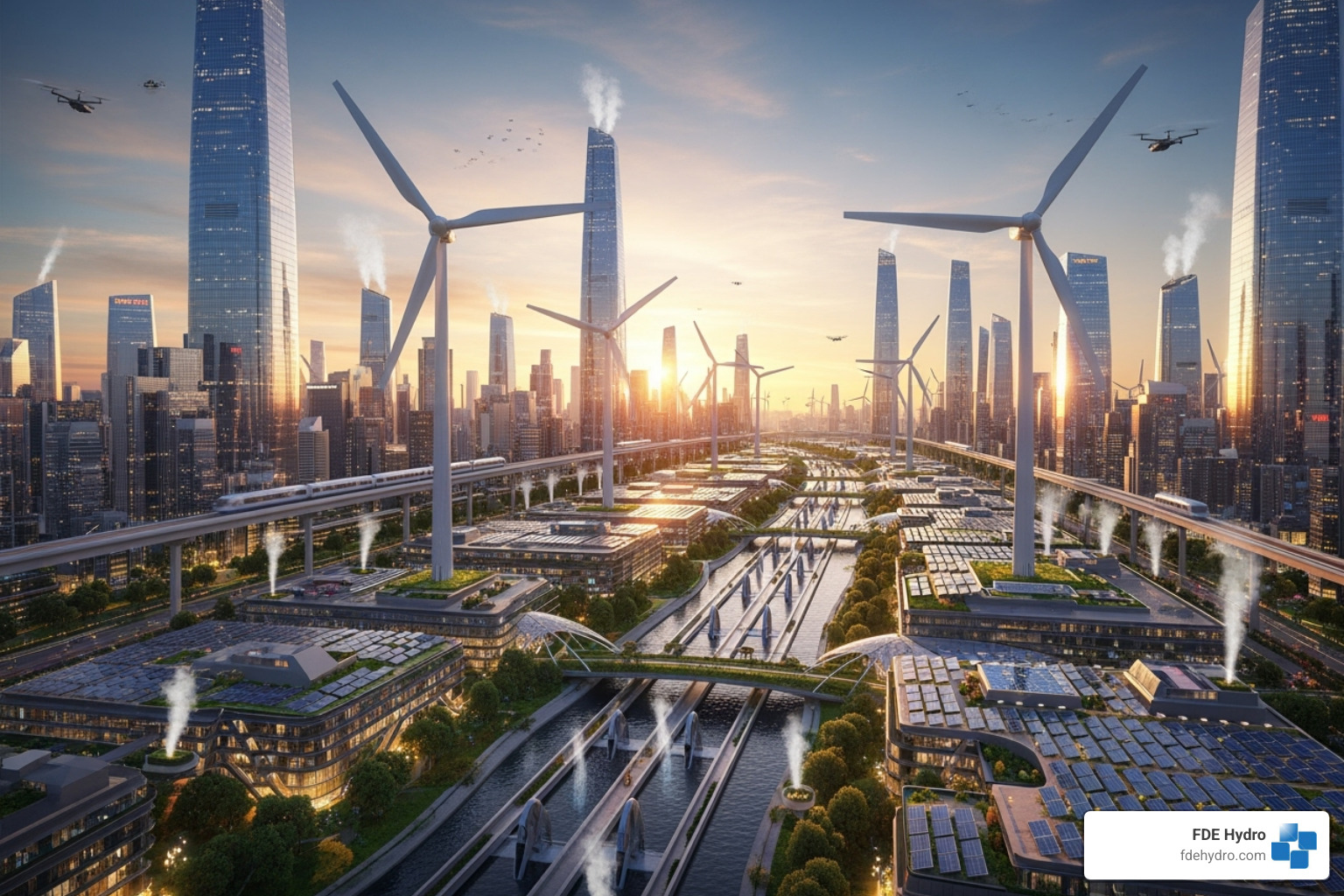
The future of sustainable power generation is arriving faster than many predicted. The momentum is undeniable, with renewables fundamentally changing how we power our world.
The 2024 Renewables Analysis from the International Energy Agency (IEA) projects that global renewable electricity generation will nearly double by 2030. Key milestones are just around the corner:
- 2025: Renewables-based electricity generation is set to overtake coal-fired generation globally.
- 2026: Both wind and solar will individually generate more electricity than all nuclear power plants combined.
- 2029: Solar PV will surpass hydropower to become the largest single renewable power source.
This shift extends beyond the power sector, as documented in the Global Electricity Review 2025. Clean electricity is displacing fossil fuels in transportation, industry, and heating, becoming the primary energy carrier for the entire economy.
Emerging Technologies and Innovations
Innovation is accelerating, moving next-generation technologies from the lab to the field.
- Advanced battery storage is crucial for balancing intermittent renewables. New technologies like solid-state and flow batteries promise longer duration and safer storage.
- Green hydrogen, created using renewable electricity, offers a way to decarbonize hard-to-electrify sectors like heavy industry and shipping.
- Smart grids and microgrids powered by AI are making our energy system more resilient and efficient, enabling the integration of vast amounts of renewable energy.
Even established technologies like hydropower are seeing a renaissance. At FDE Hydro™, our modular “French Dam” technology was named one of the Top 10 Hydro Innovations and New Technologies because it directly addresses the high costs and long timelines of traditional dam construction. By making hydropower projects faster and more affordable, we make them viable in more places.
The Future of Sustainable Power Generation
The question is no longer if renewables will dominate, but how quickly we can complete the transition. The IEA projects that by 2030, the growth in renewable capacity will be enough to meet the combined electricity demand of China and the United States.
Policy is a major driver. The European Green Deal, along with ambitious programs in the US, India, and other nations, are providing the investment and timelines needed for this massive build-out. However, as the report on Pathways to Sustainable Energy makes clear, we must continue to accelerate. This requires streamlined permitting, grid investment, and continued innovation. The momentum is undeniable, and the clean energy future is being built right now.
Conclusion
We are at a turning point in history, where our energy choices will define the world for generations to come. The shift to sustainable power generation is about more than just technology; it’s a holistic approach that balances environmental, social, and economic factors to build a truly resilient future.
We’ve seen that true sustainability requires looking beyond renewable labels to consider the full lifecycle of our energy sources. The good news is that the transition is well underway. Renewables are set to overtake coal in 2025, costs are plummeting, and the clean energy sector is creating jobs, improving public health, and strengthening energy security.
Challenges like grid modernization and energy storage remain, but these are opportunities for innovation. This is where we at FDE Hydro™ come in. For decades, the energy industry has been held back by construction methods that make clean energy projects too slow and expensive. Our patented “French Dam” technology directly solves this problem, dramatically cutting costs and timelines for building and retrofitting hydroelectric infrastructure.
Hydropower is a cornerstone of a sustainable grid, providing the reliable, flexible power and large-scale storage (through Pumped Storage Hydropower) that intermittent renewables need. Our work in Dam Rehabilitation Encapsulation and modular construction is making this vital resource more accessible than ever.
The path forward requires a diverse portfolio of clean energy sources, supported by smart policy and continued innovation, as outlined in the Pathways to Sustainable Energy. It’s about creating a world with clean air, affordable energy, and stable jobs. At FDE Hydro™, we are proud to be building the solutions that make this future possible.
Ready to dive deeper into how innovative hydropower solutions are reshaping our energy future? Learn more about advanced Hydropower solutions and find how we’re building a sustainable future, one dam at a time.
