

Why Water Resources Management is Critical for Our Future
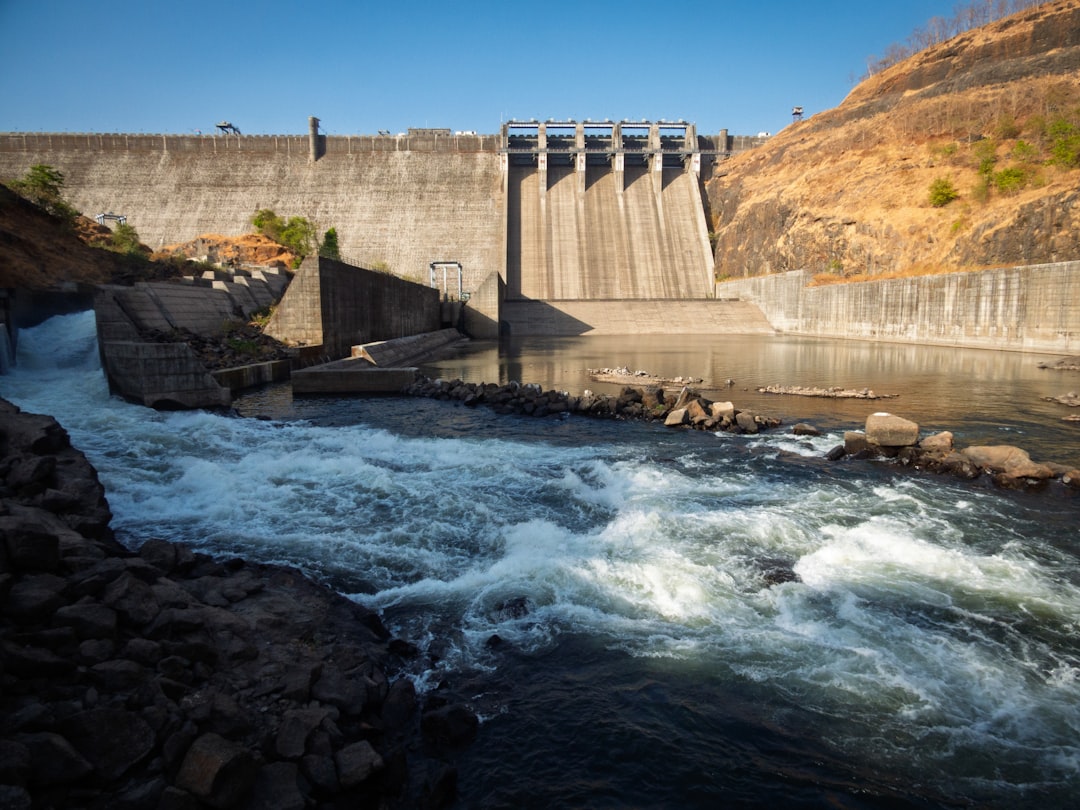
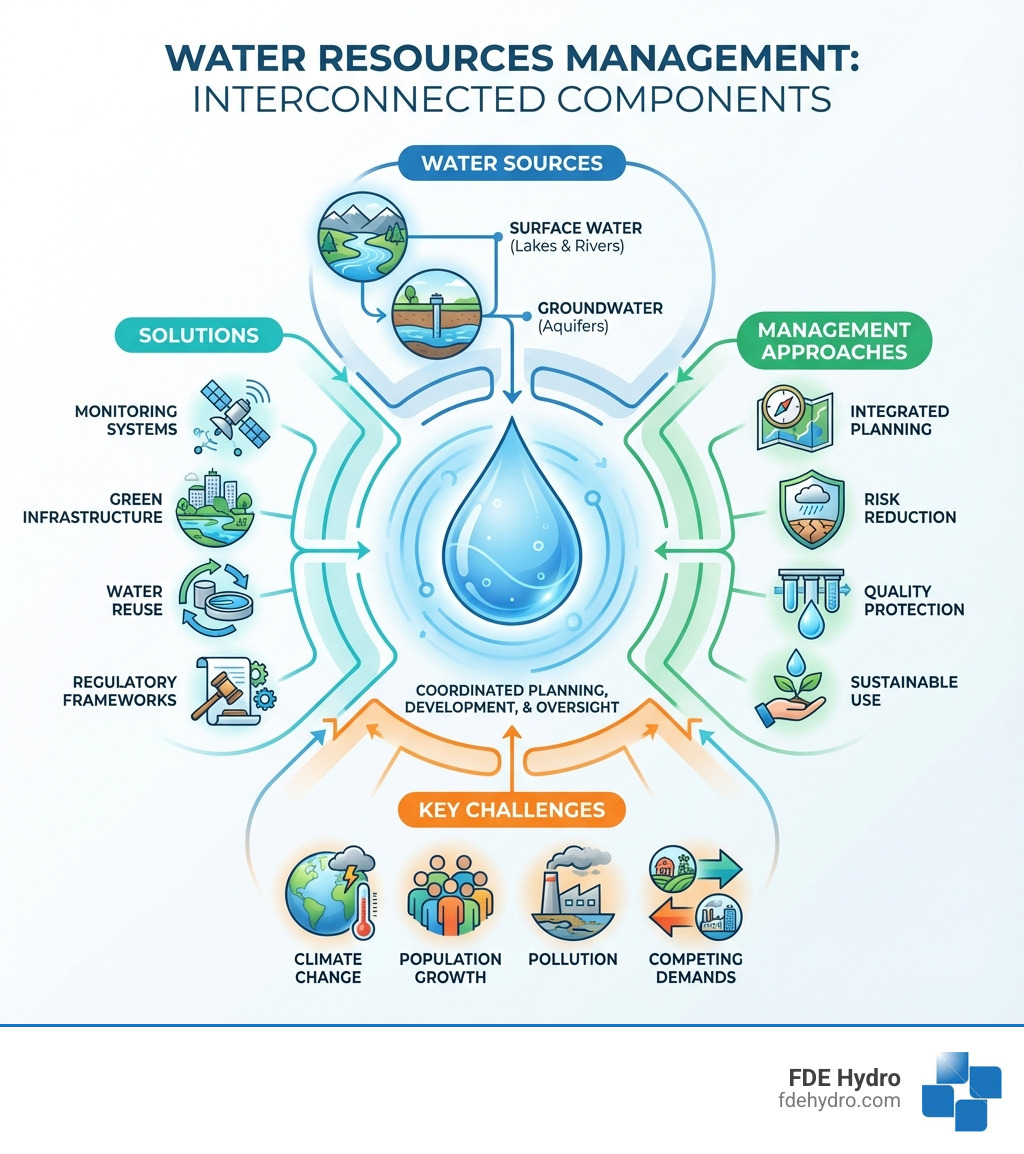
Water resources management is the coordinated planning, development, and oversight of water use and protection to meet current and future human, economic, and environmental needs. At its core, it addresses how we capture, store, distribute, and protect our freshwater supplies while balancing competing demands from agriculture, industry, municipalities, and ecosystems.
Key components of effective water resources management include:
- Integrated Planning – Coordinating surface water and groundwater management across sectors and jurisdictions
- Risk Reduction – Protecting communities from floods and droughts through infrastructure and monitoring
- Quality Protection – Preventing pollution and restoring degraded rivers, lakes, and aquifers
- Sustainable Use – Balancing water extraction with ecosystem needs and long-term availability
- Governance – Establishing clear water rights, regulations, and allocation frameworks
The challenges are urgent and growing. A river carves a landscape over hundreds of years, but a flood can cause devastation in a matter of hours. Climate change is intensifying both extremes—prolonged droughts deplete aquifers and reservoirs, while extreme storms overwhelm aging infrastructure. Agriculture, industry, and growing cities compete for limited supplies. Over 80 percent of large cities already experience “de facto reuse,” where their water supply includes treated wastewater from upstream communities.
Traditional fragmented approaches—where different agencies manage water, land, and ecosystems separately—can no longer meet these interconnected challenges. The shift toward Integrated Water Resources Management (IWRM) recognizes that water is simultaneously an ecosystem component, a natural resource, and a social and economic good. This holistic approach coordinates development across sectors, acknowledges the interdependence of different water uses, and aims for equitable, sustainable outcomes.
I’m Bill French Sr., Founder and CEO of FDE Hydro, where we’ve spent decades developing innovative modular solutions for water resources management in hydropower and civil infrastructure. My experience leading major water control projects—from Boston’s Logan Airport to next-generation hydropower facilities—has shown me that sustainable water management requires both smart policy frameworks and cutting-edge construction technology.
Handy water resources management terms:
A Modern Approach to Water Resources Management: Integration and Sustainability
The journey toward sustainable water resources management is fraught with significant challenges. We face increasing water scarcity due to climate change, escalating demand from a growing global population, and widespread pollution compromising existing supplies. Traditional, fragmented approaches, where water is managed separately by different sectors like agriculture, industry, or municipal supply, often lead to inefficiencies, conflicts, and unsustainable practices. This is where Integrated Water Resources Management (IWRM) steps in as a game-changer.
IWRM addresses these traditional, fragmented approaches by promoting the coordinated development and management of water, land, and related resources. Its core principles recognize water as an integral component of the ecosystem, a natural resource, and a social and economic good. This means considering the interdependence of various water uses—like agricultural irrigation, industrial processes, drinking water supplies, and environmental flows—to achieve equitable socio-economic welfare without compromising the sustainability of vital ecosystems. This holistic view is essential for ensuring that managing one aspect of water doesn’t inadvertently harm another.
At FDE Hydro, our priorities align with these modern principles, focusing on critical areas identified by organizations like the World Bank for reducing water-related risks and managing resources more sustainably. These include:
- Reducing the likelihood and impact of floods and droughts: We must invest in resilient infrastructure and predictive technologies.
- Managing and restoring rivers and aquifers: Protecting these natural systems is fundamental to long-term water security.
- Strengthening ecological outcomes alongside economic productivity: Sustainable development means balancing human needs with environmental health.
We advocate for solutions that incorporate green infrastructure and nature-based approaches alongside traditional grey infrastructure, creating a more robust and adaptable water system. This approach is detailed further in our Water Control Infrastructure Guide 2025.
Reducing Water-Related Risks
Water-related risks, particularly floods and droughts, are among the most devastating consequences of climate change and poor management. To mitigate these, we must prioritize proactive strategies. The World Bank emphasizes strengthening early warning systems, hydrological monitoring, and hazard mapping. These tools provide critical information, allowing communities to prepare and respond more effectively to impending disasters.
For drought management, a proactive approach is crucial. This involves not just reacting to scarcity but anticipating it. Methodologies like the Drought Risk and Resilience Assessment (DRRA), supported by the World Bank, help governments proactively manage drought risks by bringing stakeholders together, targeting actions, optimizing resources, and reducing economic losses. This integrated planning is vital for building Sustainable Water Infrastructure that can withstand climatic extremes.
Restoring and Protecting Water Systems
The health of our water systems is directly tied to the health of our communities and ecosystems. Protecting and restoring degraded water systems is essential for long-term security. This involves safeguarding and regenerating catchments, rivers, and aquifers—the vital sources for our drinking water, agriculture, and industries.
A key strategy here is expanding wastewater treatment and water reuse. When we treat wastewater to appropriate standards, we not only reduce pollution but also create alternative water supplies. As a stark reminder of our water cycle’s interconnectedness, over 80 percent of all large cities that source their water from surface water are subject to some level of de facto reuse, meaning their water supply includes outflow from an upstream system. This highlights the urgent need for advanced wastewater treatment and planned water reuse. Improving water quality and protecting biodiversity are also integral, as healthy aquatic ecosystems are more resilient and provide essential services. Our work in Water Infrastructure Solutions often involves designing systems that contribute to these goals.
Strengthening Governance and Institutions
Effective water resources management hinges on robust governance and strong institutions. This means establishing basin-level governance, where water management decisions are made considering the entire hydrological basin, not just arbitrary political boundaries. Such a framework ensures fair allocation of water, continuous monitoring, and accurate valuation of this precious resource.
We must build institutional capacity at local, national, and transboundary levels, strengthening legal frameworks for managing shared resources and preventing conflicts. Transboundary water cooperation is particularly vital, especially in regions like the Great Lakes or shared river basins in Europe and Brazil. By establishing institutions, legal frameworks, and financing solutions for sustainable joint management, we can transform potential sources of tension into drivers of regional stability and growth. Our Water Control Systems are designed to integrate seamlessly into such governance structures, supporting transparent and effective management.
Technological Solutions for a Water-Secure Future
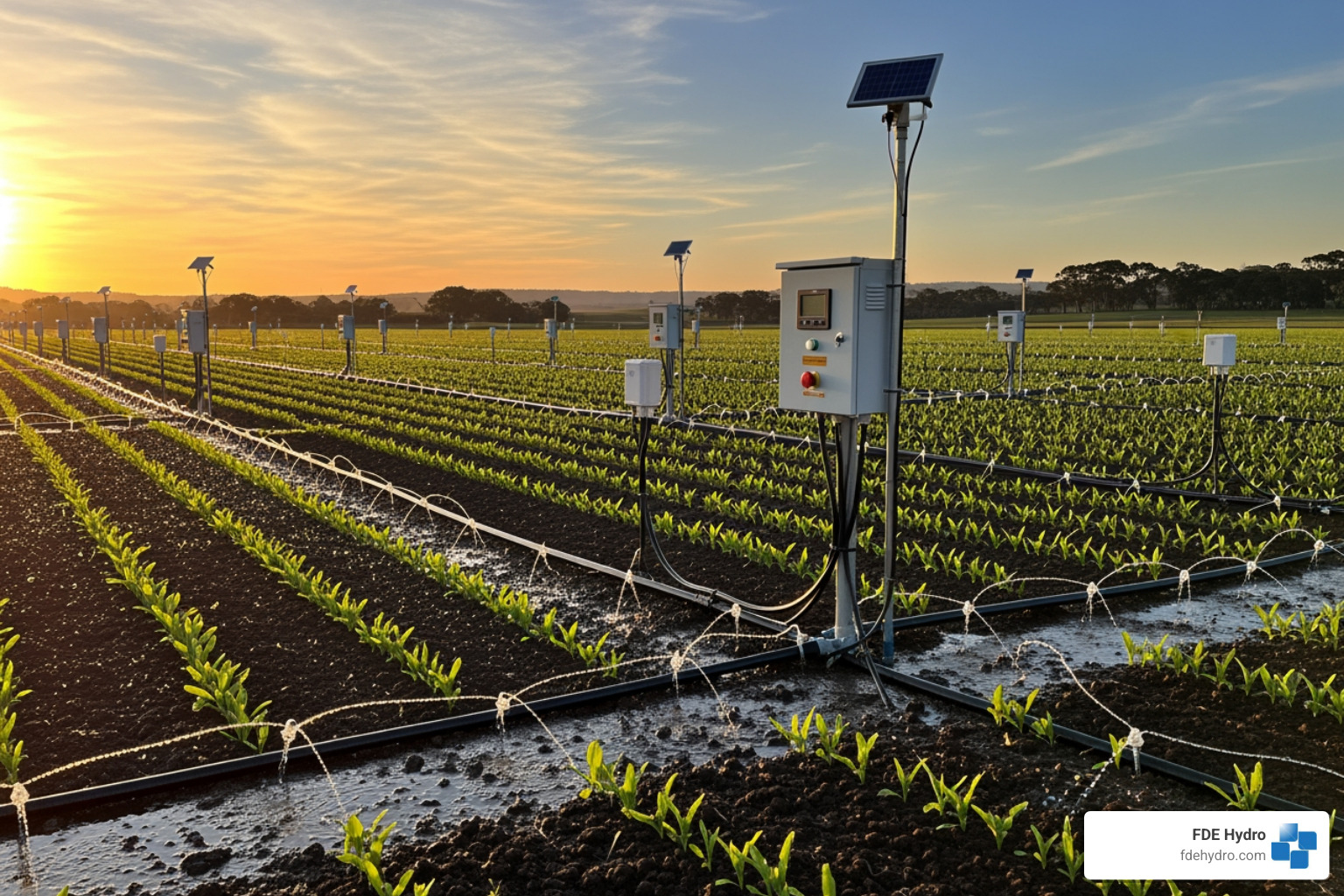
In the face of drought and scarcity, technology offers powerful tools for sustainable water resources management. Demand management, encompassing both water conservation and water efficiency, is a critical starting point. Water conservation aims to reduce water consumption by changing behavior—think shorter showers or xeriscaping. Water efficiency, on the other hand, uses technology to reduce water use without necessarily changing behavior, such as installing low-flush toilets or high-efficiency drip irrigation systems. Both are vital.
At FDE Hydro, we leverage advanced water control technologies to optimize water use. Our smart monitoring and automation systems, often integrated with digital solutions for resource management, allow for precise control and real-time data collection. This enables utilities and industries to manage their water resources with unprecedented accuracy, minimizing waste and maximizing availability. The integration of AI for Resource Management is a rapidly developing field that promises even greater efficiencies.
Water Reuse and Stormwater Capture
Water reuse, including the capture of stormwater, is a cornerstone of sustainable water resources management. It involves treating wastewater or other reclaimed water for various purposes, expanding our available supply. The concept of ‘fit-for-purpose’ treatment is key here; water is treated only to the quality required for its intended use, whether it’s for irrigation, industrial processes, or even indirect potable reuse (recharging aquifers with treated wastewater).
FDE Hydro is involved in developing robust water reuse solutions and smart distribution systems that can effectively transport reclaimed water. Beyond wastewater, stormwater capture plays a crucial role. This involves repurposing runoff that would otherwise contribute to flooding and pollution. Green stormwater infrastructure, such as rain barrels, blue roofs (which retain rainwater), and bioswales, mimics natural hydrology in urban environments, allowing water to infiltrate the ground, reducing runoff, and replenishing local groundwater. These solutions help us manage water sustainably and reduce our reliance on freshwater sources.
Managed Aquifer Recharge (MAR)
Managed Aquifer Recharge (MAR) is a sophisticated technique for replenishing depleted aquifers, which are vital underground water storage units. In areas experiencing groundwater overdraft, MAR actively recharges these aquifers using surface or underground techniques. This can involve diverting water to natural spreading grounds, where it slowly percolates into the ground, or using check dams on ephemeral streams to increase infiltration. More advanced methods include deep-injection wells, which can directly inject water into deeper aquifers.
The benefits of MAR are numerous: it increases water storage, improves water quality through natural filtration (though careful water quality management is needed for injected water), mitigates land subsidence, and helps maintain baseflows in rivers and streams. However, challenges include ensuring the quality of source water, managing potential clogging of recharge sites, and securing sufficient water for recharge, especially during droughts. Our understanding of Managed Aquifer Recharge is continuously evolving, highlighting its importance in our long-term water security strategy.
Policy in Action: Water Management Case Studies
Effective water resources management isn’t just about technology; it’s also deeply rooted in robust policy and regulatory frameworks. We see this in real-world applications across Canada, the United States, Europe, and Brazil, where regional and watershed strategies are being implemented to address specific local and national challenges. These policies provide the structure within which sustainable practices can flourish, as highlighted by resources like Water management – Canada.ca.
Ontario’s Water Quantity Management Program
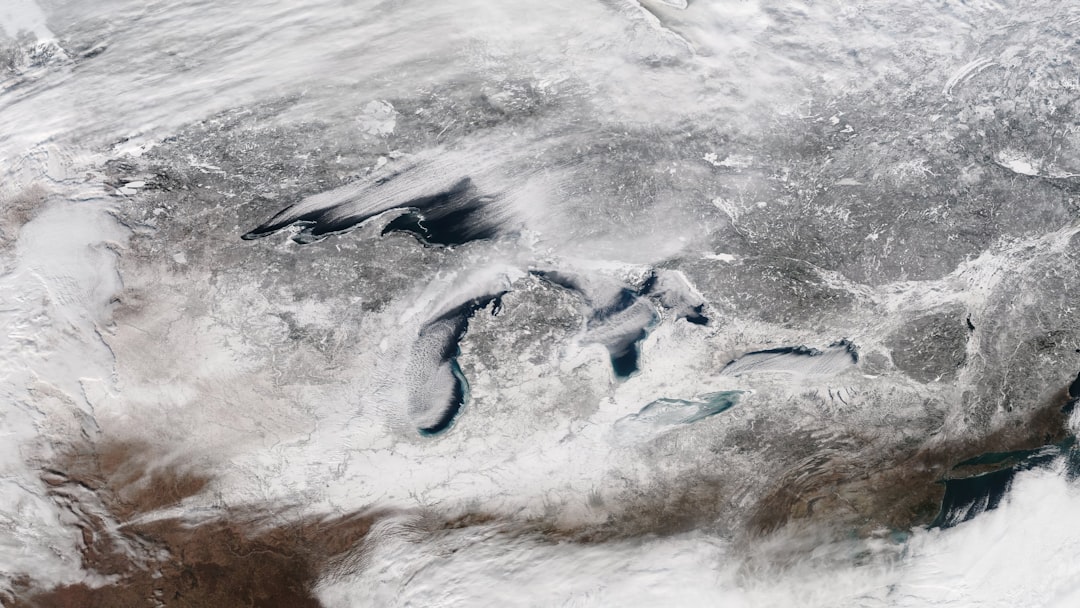
Let’s look at Ontario, Canada, a province blessed with abundant freshwater. Ontario has more than 250,000 lakes, including parts of the Great Lakes, which together contain about one-fifth of the world’s fresh surface water. While seemingly limitless, these resources require careful management. Over 2.5 million people in Ontario rely on groundwater for their drinking water, and up to 70% of the water flowing into rivers and streams, and 40% of the water flowing into the Great Lakes basin, starts as groundwater.
Ontario’s ‘Permit to Take Water’ program is a cornerstone of its water resources management. If you plan to take more than 50,000 litres of water from the environment on any day, you must have a permit. This threshold is surprisingly low; an average backyard pool holds approximately 50,000 litres of water. The application process involves detailed review, public notification, and evaluation to ensure the taking does not harm the environment or other water users.
When examining water takings by sector, the majority by permit holders in Ontario is for industrial purposes and power production (such as nuclear and natural gas power generation facilities), accounting for roughly 91% of total permitted takings. While agriculture and water bottling receive a significant number of permits, the actual volume of water taken is relatively small, with groundwater taken for bottling being significantly less than 1% of the permitted water takings.
Recent improvements to Ontario’s water taking program, implemented as part of its “Made-in-Ontario Environment Plan,” aim to further protect water resources and ensure sustainable use. These improvements, which apply to all permitted water users, include requiring municipal support for new bottled water takings, establishing priorities of water use, and implementing an adaptive approach for managing multiple takings. The purpose is to ensure water resources are protected and used sustainably. Furthermore, Ontario has implemented source protection plans across 38-watershed-based areas, demonstrating a commitment to local, integrated management. You can learn more about these enhancements on the provincial government’s website.
U.S. State-Level Integrated Strategies for Water Resources Management
In the United States, states like California are at the forefront of developing comprehensive strategies for water resources management, especially given recurring droughts and increasing demand.
California’s Water Plan outlines a broad set of ‘Resource Management Strategies’ (RMSes) designed to help local agencies and governments manage their water and related resources. These RMSes are techniques, programs, or policies that vary by region, depending on factors like climate, growth, existing infrastructure, and environmental conditions. The benefits of these strategies aren’t always additive; they can be complementary or even compete for resources, requiring careful planning.
The 2023 updates to California’s Water Plan RMSes emphasize three intersecting themes: addressing climate urgency, strengthening watershed resilience, and achieving equity in water management. These updates reflect the growing understanding that water management must be integrated with broader environmental and social goals. Key strategies include:
- Agricultural and Urban Water Use Efficiency: Promoting permanent efficiency measures rather than just drought-response tactics.
- Conjunctive Water Management: Coordinating the planned use and management of both surface water and groundwater resources to maximize supply reliability.
- Water Supply Augmentation: Exploring options like municipal recycled water and desalination, which is one of the few options to augment California’s water supply.
- Watershed Management: Restoring and sustaining watershed functions to improve water quantity and quality.
These comprehensive strategies demonstrate a commitment to adapting water management to new realities, ensuring resilience for the future.
The Role of Legal and Judicial Frameworks in Water Resources Management
Beyond technological and policy initiatives, judicial decisions play a surprisingly significant role in water resources management, particularly in areas facing drought and scarcity. The legal frameworks surrounding water rights provide the essential certainty needed for long-term planning and investment in sustainable water solutions.
Judicial decisions, through adjudications and court interpretations, establish and clarify water rights. This certainty is crucial because it enables innovative partnerships, water transfers, leases, and exchanges of existing water rights. For example, a landmark 1989 Arizona Supreme Court ruling in ‘Arizona Public Service v. Long’ provided cities with the legal clarity to invest confidently in wastewater reclamation, knowing they had established rights to sell that reclaimed water. Without such legal certainty, the financial risks associated with large-scale water projects become prohibitive, hindering progress toward sustainable management. This interplay between law, technology, and management is explored in depth in resources like How Do Water-Resource Managers Sustainably Manage Water in the Face of Drought and scarcity?.
Frequently Asked Questions about Water Resources Management
What is the difference between water conservation and water efficiency?
While often used interchangeably, water conservation and water efficiency have distinct meanings in the field of water resources management. Water conservation primarily focuses on changing human behavior to reduce water consumption. Examples include taking shorter showers, turning off the tap while brushing teeth, or choosing drought-resistant plants for landscaping (xeriscaping). Water efficiency, on the other hand, involves using technology to reduce water use without necessarily requiring a change in behavior. This includes installing low-flow showerheads, high-efficiency washing machines, or drip irrigation systems that deliver water directly to plant roots. Both strategies are crucial for reducing overall water demand.
What is Integrated Water Resources Management (IWRM)?
Integrated Water Resources Management (IWRM) is a process that promotes the coordinated development and management of water, land, and related resources. Its primary goal is to maximize economic and social welfare in an equitable manner without compromising the sustainability of vital ecosystems. IWRM explicitly addresses traditional, fragmented approaches to water management by recognizing the interdependence of various water uses and stakeholders. It views water as an integral component of the ecosystem, a natural resource, and a social and economic good, advocating for a holistic perspective in all planning and decision-making.
Why is groundwater so important?
Groundwater is an incredibly important, yet often unseen, component of our water resources management. For millions of people, it’s a primary source of drinking water; for example, over 2.5 million people in Ontario, Canada, get their drinking water from groundwater. Beyond direct consumption, groundwater plays a critical role in sustaining surface water bodies: up to 70% of the water flowing into rivers and streams and 40% of the water flowing into the Great Lakes basin start as groundwater. It acts as a natural reservoir, slowly releasing water during dry periods, which is vital for agriculture, maintaining wetlands, and supporting aquatic ecosystems, making it a crucial buffer against drought and scarcity.
Conclusion: Building a Resilient Water Future
As we’ve explored, effective water resources management is a complex but essential endeavor for our future. It requires a multifaceted approach that integrates advanced technologies, sound policy frameworks, and robust governance. From embracing Integrated Water Resources Management (IWRM) to implementing smart water technologies like advanced monitoring, water reuse, and Managed Aquifer Recharge (MAR), we are constantly evolving our strategies to meet the challenges of scarcity, climate change, and growing demand.
The importance of sustainable practices cannot be overstated. As we at FDE Hydro often say, The Biggest Untapped Solution to Climate Change is in the Water. Our innovative, patented modular precast concrete technology, “French Dam,” exemplifies this commitment by significantly reducing construction costs and time for building and retrofitting hydroelectric dams and water control systems in North America, Brazil, and Europe. This allows us to contribute to resilient water infrastructure that not only generates sustainable energy but also improves water management capabilities.
Building a water-secure future requires collective action, continuous innovation, and a deep understanding of our most precious resource. We invite you to be part of this future.
