

Why Hydro Energy Solutions Matter for Modern Infrastructure
Hydro energy solutions are systems and technologies that convert the kinetic energy of flowing or falling water into reliable, clean electricity. These solutions range from traditional dam-based power plants to innovative modular systems and inline generators that can be deployed in pipelines, rivers, and irrigation channels.
Key types of hydro energy solutions include:
- Run-of-River Systems – Generate power from natural river flow without large reservoirs
- Storage Hydropower – Use dams and reservoirs to store water and control power output
- Pumped Storage – Act as giant batteries, storing energy by moving water between reservoirs
- Small-Scale and Inline Systems – Capture energy from existing water infrastructure like pipelines and aqueducts
- Hybrid Solutions – Combine hydropower with solar, wind, or battery storage for improved grid stability
Hydropower currently provides over 15% of the world’s electricity and has the lowest carbon footprint of any energy source over its lifecycle. With 90% operational efficiency, short start-up times of just 3-5 minutes, and the ability to ramp from zero to full output in about one minute, hydropower offers best flexibility for modern grids integrating variable renewable sources.
Yet the industry faces real challenges. By 2030, 40% of global hydro power plants will be at least 40 years old, requiring modernization. Traditional construction methods carry high costs, extended timelines, and significant financial risk. The future belongs to innovative approaches that reduce capital expenditure, accelerate delivery, and minimize environmental impact.
I’m Bill French Sr., Founder and CEO of FDE Hydro, where we’ve pioneered modular precast concrete technology—the “French Dam”—to deliver next-generation hydro energy solutions that cut construction time and costs while benefiting present and future environments. My five decades leading major civil construction projects, combined with participation in the U.S. Department of Energy’s Hydro Power Vision Task Force, have shown me how innovation can transform this essential industry.
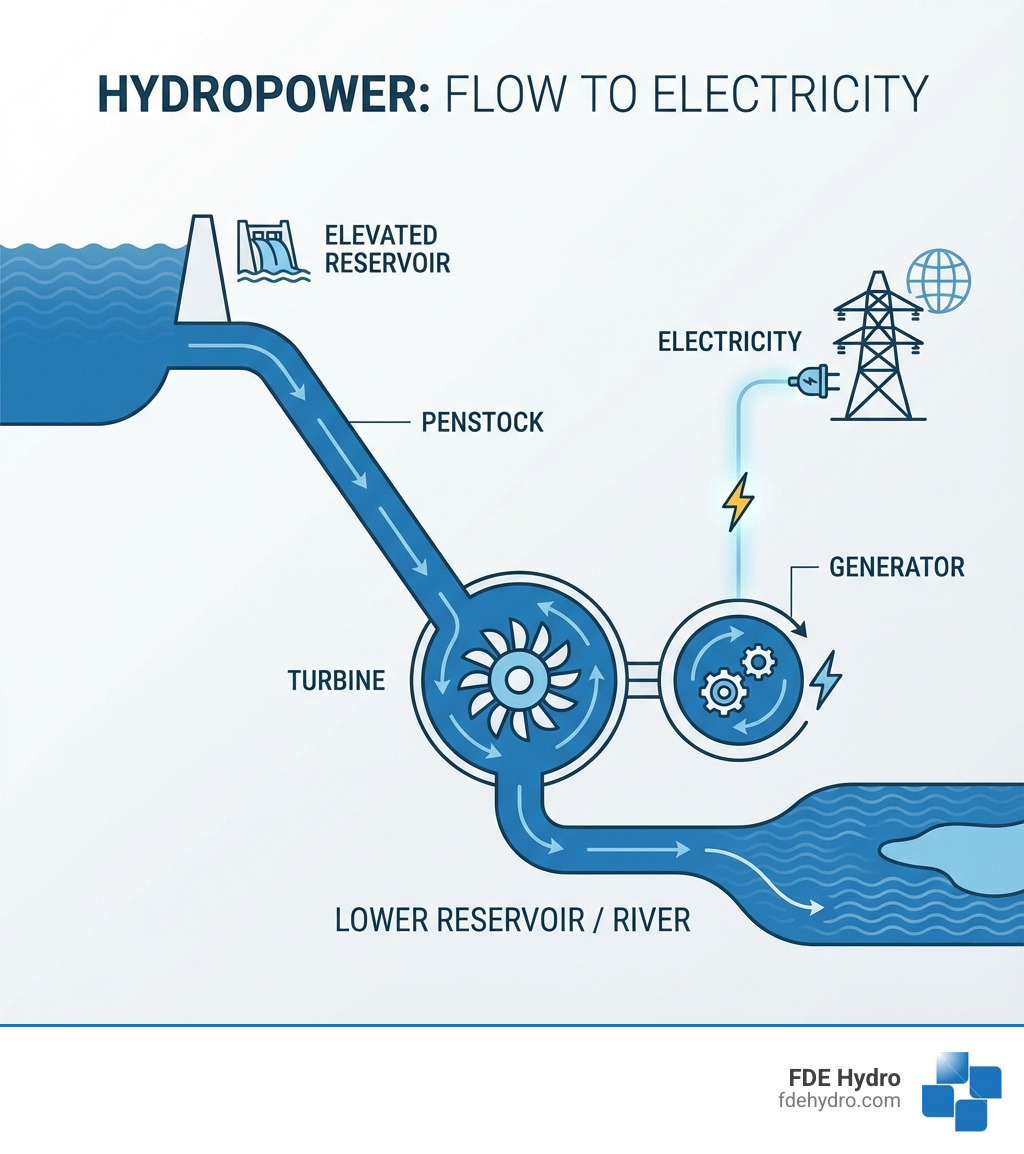
Hydro energy solutions terms explained:
The Best Benefits of Hydropower
When we talk about hydro energy solutions, we’re discussing one of the most reliable and efficient forms of renewable energy available. Hydropower harnesses the natural force of water to generate electricity, offering a multitude of benefits that make it a cornerstone of a sustainable energy future. It’s truly a powerhouse of clean energy, contributing significantly to grid stability and the broader energy transition.
One of the most compelling advantages of hydropower is its incredibly low carbon footprint. In fact, it boasts the lowest carbon footprint over its entire lifecycle compared to any other form of energy. This makes it an eco-friendly choice that helps us combat climate change by emitting minimal amounts of CO2. Beyond environmental benefits, hydropower offers exceptional reliability and flexibility. Our systems can start up and shut down quickly, typically within 3-5 minutes, and can accommodate rapid fluctuations in power load, changing from no load to rated output in about one minute. This dispatchable power capability is crucial for balancing the grid, especially as we integrate more intermittent renewable sources like solar and wind.
We believe that hydropower isn’t just an energy source; it’s a guardian of the grid, offering unparalleled efficiency and resilience. For a deeper dive into why we consider hydropower a guardian, explore our article on 4 Reasons Why Hydropower is the Guardian of the Grid. We often ask, What Renewable Energy Resource is the Most Efficient?? Hydropower consistently ranks among the top, with hydro-turbines and hydro-generators achieving extremely high operation efficiency, often around 90% at maximum capacity.
Why Hydropower is a Pillar of Grid Stability
In the quest for a stable and resilient energy grid, hydropower stands out. Its ability to store energy and respond rapidly to demand fluctuations makes it indispensable, particularly in supporting the integration of other renewables. Pumped storage hydropower, in particular, acts like a giant battery, storing excess energy by pumping water to an upper reservoir and then releasing it to generate power when demand is high. This remarkable flexibility accounts for approximately 95% of all energy storage currently available.
The fast start-up times and quick load fluctuation response of hydro energy solutions mean they can instantly step in when solar panels aren’t generating due to clouds or wind turbines are still on a calm day. This makes them perfect complements to variable renewables, ensuring a steady and reliable power supply. We’re proud to contribute to these robust energy solutions, understanding that a strong grid is essential for our modern world. For more details on this crucial technology, you can read our insights on Pumped Storage Hydropower. Additionally, hydropower plays a vital role in enabling localized, resilient energy systems like a Microgrid, providing consistent power even when disconnected from the main grid.
The Economic and Environmental Edge
From an economic standpoint, hydropower is a remarkably cost-effective and long-term investment. Once built, the operating costs are relatively low, and the fuel—water—is free and renewable. This leads to stable and competitive electricity prices, benefiting both consumers and businesses. We see examples where investments in hydropower facilities can be recovered in surprisingly short periods, sometimes as quickly as five years for a 500 kW system, given favorable conditions. This longevity and low operational expenditure contribute significantly to the overall economic advantages of hydro energy solutions.
Environmentally, the benefits are equally compelling. As we’ve mentioned, hydropower has the lowest carbon footprint over its lifecycle. It generates electricity without burning fossil fuels, thus producing minimal greenhouse gas emissions or pollutants. This makes it an eco-friendly natural energy source that is inherently incorporated into Earth’s natural water cycle. We believe that for true Sustainable Power Generation, hydropower is an essential component. For a comprehensive look at the advantages, explore the Benefits of Hydropower Plant.
How Hydropower Works: Plant Types and Core Technology
Understanding how hydro energy solutions work involves looking at the different types of plants and the core technologies that make them tick. At its heart, hydropower is about converting the potential and kinetic energy of water into electricity. This entire process, from the flow of water to the delivery of power, is often referred to as “water-to-wire” solutions. For a foundational understanding, our Hydropower Basics article offers a great starting point.
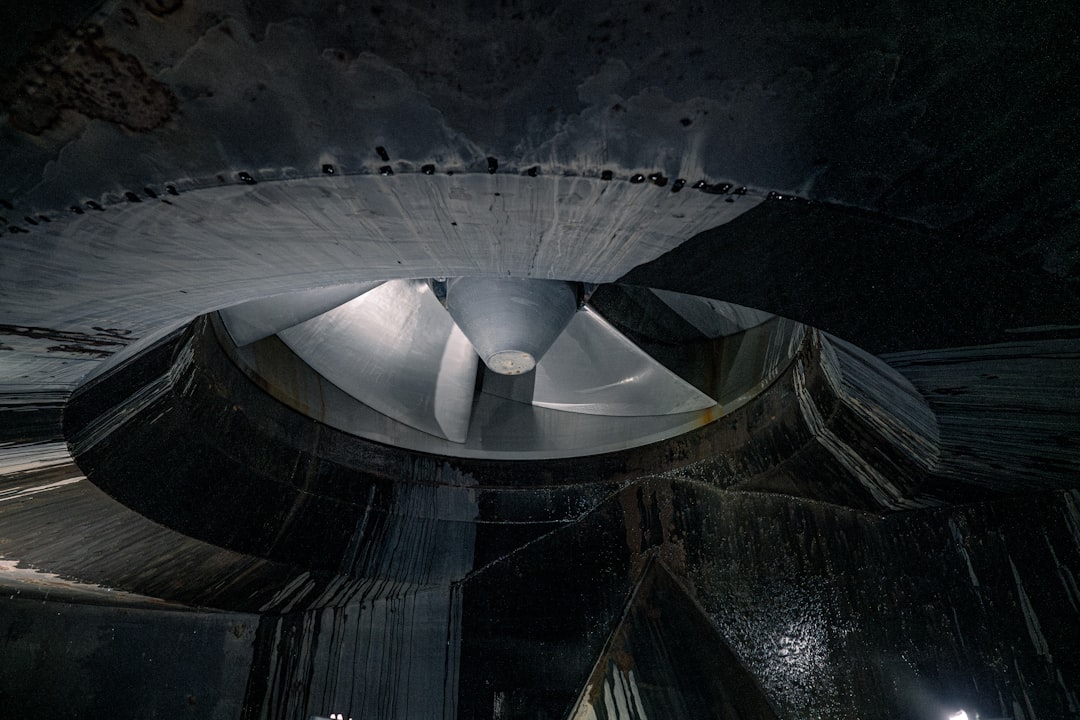
Key Types of Hydropower Plants
The design and application of a hydropower plant depend heavily on the local geography and energy needs. We categorize them primarily into three types:
| Feature | Run-of-River Plants | Storage (Reservoir) Plants | Pumped Storage Plants |
|---|---|---|---|
| Water Flow | Channels natural river flow; minimal or no storage | Uses a dam to create a large reservoir | Two reservoirs (upper & lower) for water cycling |
| Reservoir Size | Small or none | Large | Two distinct reservoirs |
| Environmental Impact | Generally lower impact on water flow | Can alter river ecosystems, but manageable | Can have localized impact, but efficient storage |
| Best Application | Continuous base load power | Peak load, base load, and grid regulation | Grid stability, energy storage, peak load management |
- Run-of-River Plants: These systems divert a portion of a river’s flow through a canal or penstock to a turbine, then return the water to the river downstream. They don’t typically require large dams or reservoirs, minimizing environmental impact on natural water flow. They provide a continuous supply of electricity, ideal for consistent base load power.
- Storage Hydropower Plants: These are what most people envision when thinking of hydropower. They use a dam to create a large reservoir, storing vast amounts of water. This stored water can be released on demand to generate electricity, allowing for adjustable power output to meet fluctuating energy needs. They are highly flexible and can contribute to both base and peak load generation. Our work with Dams is central to these types of solutions.
- Pumped Storage Hydropower Plants: These are essentially large-scale energy storage systems. They feature two reservoirs at different elevations. During periods of low electricity demand (e.g., overnight), surplus power from other sources (like wind or solar) is used to pump water from the lower to the upper reservoir. When electricity demand is high, the water is released from the upper reservoir, flowing through turbines to generate power, much like a conventional storage plant. This makes them invaluable for grid stability and balancing supply and demand.
The Core Components of a Hydropower System
Regardless of the type of plant, certain core technological components are fundamental to all hydro energy solutions:
- Dams and Water Control Structures: For storage and pumped storage plants, dams create the necessary head (vertical distance) for water to fall. For all types, Water Control Structures like gates and spillways manage water flow, ensuring safety and efficiency.
- Penstocks: These are large pipelines or tunnels that carry water from the reservoir or intake to the turbines.
- Turbines: The heart of the power generation process, turbines convert the kinetic energy of flowing water into mechanical energy. Different types are designed for various water heads and flow rates:
- Francis Turbines: The most common type, suitable for medium to high heads and medium flow rates.
- Kaplan Turbines: Ideal for low heads and high flow rates, often used in run-of-river plants.
- Pelton Turbines: Used for very high heads and low flow rates, typically in mountainous regions.
- Bulb Turbines: Similar to Kaplan but with the generator integrated into a sealed bulb-shaped casing directly in the water flow.
- Pump-Turbines: Used in pumped storage plants, these can operate as both a turbine to generate electricity and a pump to move water back uphill.
- Generators: Connected to the turbines, generators convert the mechanical energy from the spinning turbines into electrical energy. Leading manufacturers’ hydro-generators are engineered for high efficiency and reliability.
- Control Systems: These are the brains of the operation, monitoring and regulating the entire hydropower plant. Modern control systems manage water flow, turbine speed, power output, and grid synchronization. They also incorporate advanced features for remote monitoring, predictive maintenance, and integrated control, often allowing for unmanned operation.
- Spillways: Essential safety features that allow excess water to be released from a reservoir without passing through the turbines, preventing dam overtopping during floods.
For a detailed breakdown of these components, our Hydroelectric Dam Components Ultimate Guide provides extensive information. We also offer comprehensive Product solutions & systems for hydropower plants that integrate these critical elements.
The Next Wave: Innovations in Hydro Energy Solutions
The hydropower industry is dynamic, constantly evolving to meet new demands and overcome existing challenges. With a significant portion of global hydro power plants nearing or exceeding 40 years of age by 2030, the need for modernization and innovative hydro energy solutions is more pressing than ever. This era of “reinvigorating hydropower” is marked by remarkable advancements. We are keenly focused on Hydropower Advancements & Innovations 2025 and the broader effort to Reinvigorating Hydropower.
Exploring Modern Hydro Energy Solutions
Digitalization is revolutionizing how we design, operate, and maintain hydropower plants. Advanced control systems now incorporate sophisticated sensors and data analytics, enabling features like predictive maintenance. This means we can anticipate equipment failures before they happen, scheduling maintenance proactively and minimizing downtime. Artificial intelligence (AI) is playing an increasingly critical role, optimizing plant operations for efficiency and grid response. From AI-driven forecasting to automated decision-making, we see the power of AI Energy Management shaping the future.
Beyond digitalization, we’re seeing exciting developments in other areas:
- Hybrid Systems: Integrating hydropower with other renewable sources like solar and wind, often coupled with battery storage, creates more resilient and flexible energy solutions. These hybrid setups can smooth out the intermittency of variable renewables, leveraging hydropower’s dispatchable nature.
- Advanced Materials: While not always visible, the continuous development of more durable, efficient, and environmentally friendly materials for turbines, generators, and civil structures is crucial. These innovations lead to longer asset lifespans and improved performance.
- Small-Scale and Inline Hydro: There’s a growing focus on capturing energy from smaller water flows and existing infrastructure. Inline hydropower generators, for example, can be integrated directly into pipelines, aqueducts, or irrigation channels, delivering power outputs from 4 kW to several megawatts. These modular, containerized solutions offer rapid deployment and minimal civil works, tapping into previously unused energy sources. This approach is particularly promising for distributed generation and reducing energy losses.
- Hydropower Retrofitting: Given the aging infrastructure, the ability to upgrade existing facilities with new turbines, generators, and control systems is vital. Hydropower Retrofitting can significantly extend the operational life of plants, improve efficiency, and increase power output without the need for entirely new construction.
The Future of Hydro Energy Solutions
The future of hydro energy solutions lies in smart, efficient, and sustainable construction methods. We recognize that traditional dam construction can be costly, time-consuming, and carry significant financial risk. That’s why we at FDE Hydro are pioneering the use of modular construction techniques and patented precast concrete technology. Our “French Dam” approach is a prime example of how next-generation civil solutions can dramatically reduce construction time and lower overall costs for building and retrofitting hydroelectric dams and water control systems.
By embracing Modular Construction Techniques, we can fabricate large concrete components off-site in controlled environments, then transport and rapidly assemble them on-site. This not only accelerates project timelines but also improves quality control and reduces environmental disruption at the construction site. This innovative approach is particularly relevant given that Aging Infrastructure Being Replaced With Next Generation Civil Solutions is a global imperative. Our technology is designed to address these challenges head-on, delivering efficient and resilient hydropower infrastructure across North America, Brazil, and Europe.
Balancing Power and Planet: Sustainability and Regional Use
As we develop and operate hydro energy solutions, we recognize the profound responsibility we have to balance power generation with environmental stewardship and community well-being. Hydropower, while clean, must be developed with careful consideration of its impact on aquatic ecosystems and local communities.
Sustainable Development and Operation
Our approach to hydropower development and operation is rooted in sustainability. This includes:
- Environmental Impact Mitigation: We strive to minimize the impact of our projects on local ecosystems. This involves thorough environmental assessments and implementing measures to protect biodiversity.
- Fish Passage Solutions: Ensuring the safe passage of aquatic animals is paramount. In regions like Canada, innovative solutions such as fish ladders or specialized bypass systems are implemented to allow fish like salmon and eels to migrate past dams. For example, a commitment in Rimouski, Quebec, over 25 years ago helped significantly increase the Atlantic salmon population by facilitating their upstream migration. Similarly, hydroelectric plants are designed to protect eel populations during downstream migration. Our work on Aquatic Animal and Recreational Passage highlights these efforts.
- Water Management: Careful management of water levels and flows is essential to maintain river health, support downstream ecosystems, and ensure water quality. This means operating facilities with the utmost respect for rivers as precious natural resources.
- Community Engagement: Collaborating closely with local communities, including Indigenous communities, is a best practice. This ensures that projects are developed with local input and that benefits are shared equitably. A hydroelectric generating facility in Yellow Falls, Ontario, for instance, is a joint undertaking with Indigenous nations, showcasing successful partnerships.
These efforts underscore our commitment to Sustainable Water Infrastructure and mitigating the Hydropower Environmental Impact.
Hydropower’s Global Impact
Hydropower plays a distinct and crucial role in different regions where we operate:
- North America: This continent is a major player in hydropower. In the U.S., hydroelectric power accounts for 18% of the renewable energy mix, providing a stable and reliable power source. Canada is the second-largest producer of hydroelectricity globally, leveraging its vast water resources. Our focus on Hydropower Construction North America reflects the significant potential and ongoing need for modernization in this region.
- Brazil: As a country rich in water resources, Brazil heavily relies on hydropower for its energy needs. Our presence in Brazil allows us to contribute to the nation’s energy security and sustainable development through advanced hydro energy solutions.
- Europe: Many European countries have long histories of hydropower development and are now focused on modernizing existing plants and integrating hydropower more effectively into a highly interconnected grid. We are active in Europe, supporting the green transition and contributing to robust energy infrastructure.
Across these regions, hydro energy solutions are seen as vital for meeting growing electricity demand, enhancing energy independence, and transitioning to a low-carbon economy. We are proud to be part of these Renewable energy and new energy solutions efforts globally.
Conclusion
As we’ve explored, hydro energy solutions are an indispensable part of our global energy landscape, offering a unique blend of reliability, efficiency, and environmental responsibility. From providing over 15% of the world’s electricity with the lowest carbon footprint to acting as the backbone of grid stability through rapid response and energy storage, hydropower’s benefits are clear. Its ability to complement other renewable sources, coupled with its economic advantages of low operating costs and stable prices, positions it as a cornerstone of a sustainable future.
However, the industry faces the challenge of aging infrastructure. This is where innovation becomes paramount. The integration of digitalization, AI, hybrid systems, and small-scale inline generators are paving the way for more intelligent and adaptable hydropower. At FDE Hydro, we are leading this charge with our pioneering modular precast concrete technology—the “French Dam.” Our methods significantly reduce construction time and costs, offering next-generation civil solutions for building and retrofitting hydroelectric dams and water control systems across North America, Brazil, and Europe. We are committed to ensuring that hydropower continues to be a powerful force for clean, sustainable energy.
We invite you to learn more about our innovative approaches and how we are building the future of hydropower. Find our Means and Methods and join us in shaping a more sustainable world.
