

Why Energy Infrastructure Development is Critical to Our Future
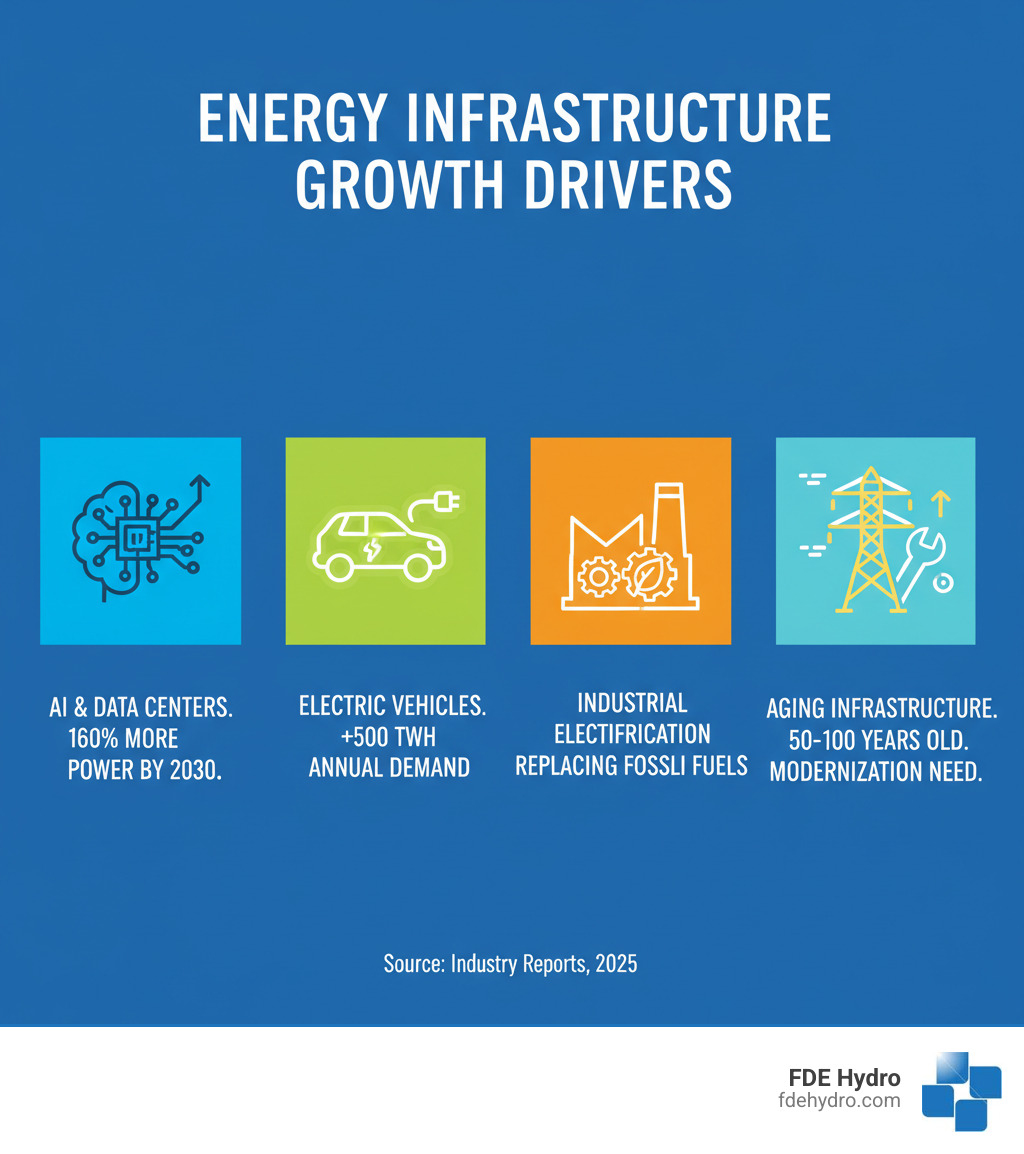
Energy infrastructure development is the foundation of our transition to clean energy and the key to meeting explosive growth in electricity demand from AI, electric vehicles, and industrial electrification. Here’s what you need to know:
Core Components of Modern Energy Infrastructure:
- Renewable Generation – Solar, wind, and hydropower facilities replacing fossil fuels
- Grid Modernization – Smart grids, energy storage, and transmission upgrades enabling clean energy integration
- Flexible Baseload – Pumped storage hydropower and advanced batteries balancing intermittent renewables
- Modular Construction – Precast solutions reducing project timelines and capital costs
The energy landscape is changing rapidly. Global electricity demand is projected to surge, driven by AI data centers, millions of EVs, and industrial electrification. Simultaneously, much of our existing infrastructure—dams, transmission lines, and power plants—is 50 to 100 years old and requires urgent modernization.
This convergence of rising demand and aging systems creates an urgent need for innovative solutions that can be deployed quickly and sustainably.
Traditional construction methods can’t keep pace. With conventional hydropower projects taking 7-10 years to complete, the industry needs a fundamental shift in how we build energy infrastructure.
I’m Bill French Sr., Founder and CEO of FDE Hydro™, where we’ve developed patented modular precast solutions specifically designed to accelerate energy infrastructure development in the hydropower sector. My five decades leading major civil construction projects—from Boston’s Logan Airport to landmark DOT bridge initiatives—taught me that innovation in construction methods is just as critical as innovation in energy technology itself.
The Unprecedented Surge: Why We Need More Energy Infrastructure Now
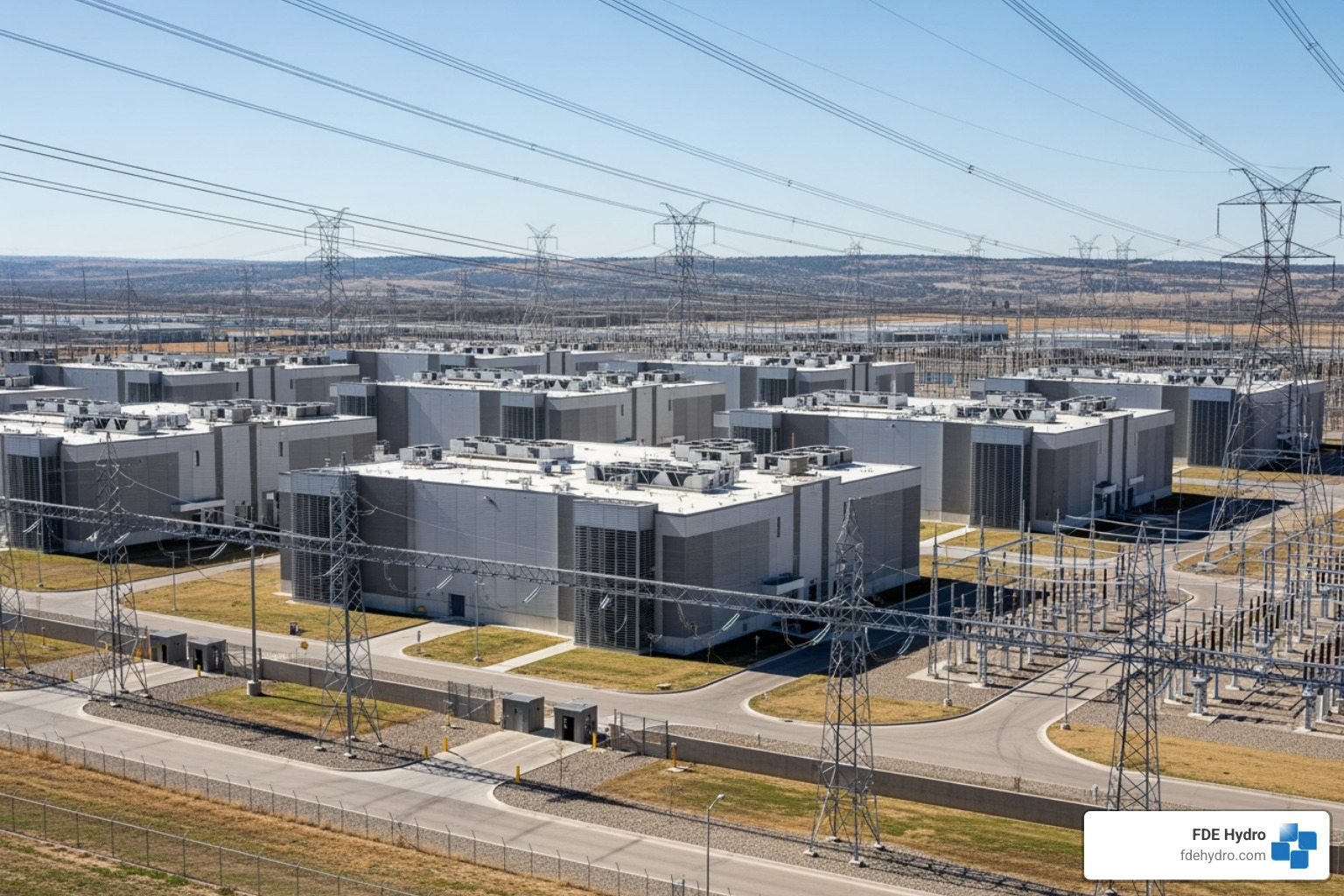
The electricity that powers our lives is facing unprecedented demand, and our current energy infrastructure development isn’t ready. This represents a fundamental shift in how much electricity the world needs and how quickly we need it.
Artificial Intelligence tools are incredibly power-hungry. The massive data centers that house these AI systems are becoming some of the largest electricity consumers on the planet. According to projections, AI and generative AI spending will exceed $631 billion globally by 2028, and that massive investment translates directly into electricity consumption.
The International Energy Agency warns that data centers could consume 160% more power by 2030 compared to 2022. In the United States, these digital warehouses are projected to use 7.5% of total electricity demand by 2030—up from just 2.5% in 2022. Understanding this challenge is why we’ve developed specific solutions, which you can explore on our Data Center Energy Resource page.
Beyond AI, Electric vehicles are changing our power grids. As millions more EVs replace gas-powered cars, they’ll add an estimated 500 TWh of annual electricity demand, a massive shift in energy consumption.
Electrification is spreading everywhere. It’s not just cars. We’re electrifying heating systems, industrial processes, and manufacturing operations that previously ran on fossil fuels. The onshoring movement—bringing manufacturing back to North America and Europe—means more factories requiring more power, right here on our grids.
Then there’s the climate reality we all face. Our net-zero goals mean we’re actively replacing coal plants, gas turbines, and oil refineries with clean electricity. The European Union is experiencing substantial increases in electricity demand as it pursues ambitious climate targets. Every fossil fuel source we retire must be replaced with clean power generation and the infrastructure to deliver it.
This convergence of AI growth, vehicle electrification, industrial change, and climate action creates what experts are calling the energy infrastructure megatrend. It’s not just one sector driving demand—it’s everything, all at once.
The challenge is clear: we need to build decades worth of energy infrastructure in just a few years. Traditional construction methods that take 7-10 years per project simply won’t cut it. We need innovation, speed, and solutions that can scale quickly while remaining sustainable and cost-effective. That’s exactly why modern approaches to building energy infrastructure—like modular precast construction—are becoming essential rather than optional.
The Clean Energy Revolution: Technologies Shaping Our Future

The clean energy revolution isn’t just about generating power differently—it’s about rethinking our entire approach to energy infrastructure development. New technologies must work together to create a sustainable, reliable system. Generating clean energy is only half the battle; we must also modernize its delivery and ensure it’s available when needed.
Without the right infrastructure to distribute and store power from renewables, the effort is wasted. That’s why understanding the fundamentals matters. If you’re looking to grasp the basics of how energy systems work, our Energy 101 guide is a great place to start.
The Rise of Renewables: Solar, Wind, and Water
Solar panels are popping up on rooftops and in massive arrays across deserts. Solar photovoltaic (PV) technology has become remarkably affordable and efficient, converting sunlight directly into electricity with increasingly impressive results. Wind turbines, those graceful giants dotting hillsides and offshore waters, are capturing breezes and changing them into clean power at scales our grandparents could never have imagined.
These technologies are absolutely essential for cutting carbon emissions, but they come with a catch. The sun sets every evening. The wind doesn’t blow on schedule. This intermittency creates a real challenge for our electrical grids, which need consistent, reliable power every second of every day. You can’t just tell a hospital or data center that the lights will come back on when the wind picks up.
Hydropower is the unsung hero of renewable energy. Unlike its renewable cousins, it offers the ability to provide baseload power while remaining completely clean. When you need electricity, you can open the gates and let water flow through turbines. When demand drops, you can reduce the flow. It’s responsive, reliable, and renewable.
Even better, advanced systems like Pumped Storage Hydropower function as nature’s battery. During times when solar and wind are producing more electricity than the grid needs, pumped storage uses that excess power to pump water uphill into a reservoir. When demand spikes or the wind stops blowing, that water flows back down through turbines, generating electricity exactly when it’s needed. This grid integration capability makes hydropower the guardian that keeps our lights on while we transition to renewables. You can learn more about why we’re so passionate about this on our Hydropower page.
Modernizing the Backbone: Smart Grids and Advanced Technologies
Our electrical grids were designed decades ago for a simpler time. Power flowed in one direction: from big central power plants out to homes and businesses. That model worked fine when energy came from a handful of massive coal or nuclear plants, but it’s completely inadequate for today’s diverse, distributed renewable energy landscape.
Smart grids are revolutionizing this outdated system through digitalization. These intelligent networks use sensors, automated controls, and real-time data to monitor and optimize how electricity flows. When a tree falls on a power line during a storm, a smart grid can automatically reroute power around the problem, restoring service in minutes instead of hours. This grid resilience is crucial as extreme weather events become more common.
Battery storage technology is advancing rapidly, allowing us to bank renewable energy for when it’s needed most. Large-scale battery installations can store excess solar power generated at noon and release it during the evening peak. Meanwhile, microgrids are creating self-sufficient energy islands that can operate independently during grid outages, keeping critical facilities like hospitals and emergency services running no matter what. Our work in Microgrid development focuses on making these systems more accessible and efficient.
All these technologies work together to improve efficiency across the entire energy system, reducing waste and ensuring that clean electrons get where they need to go.
The Challenge of Aging Infrastructure and the Need for Modernization
Here’s an uncomfortable truth: while we’re racing to build the energy systems of tomorrow, much of our existing infrastructure is barely holding on. Many of the dams, transmission lines, and water control systems we depend on were built fifty to a hundred years ago. They’ve served us well, but they’re showing their age in concerning ways.
The average dam in the United States has been standing for over half a century. Many are approaching or have exceeded their original design life. This creates serious safety concerns—a failing dam isn’t just an inconvenience, it’s a potential catastrophe. Beyond safety, aging infrastructure is simply inefficient. Outdated equipment wastes energy, and frequent breakdowns lead to costly outages and repairs that drain budgets without actually improving anything.
Retrofitting these aging structures isn’t a simple paint-and-patch job. We’re talking about comprehensive efficiency upgrades that bring decades-old facilities up to modern standards. This includes replacing worn-out components, installing modern control systems, and reinforcing structural elements to handle both current demands and future climate challenges.
The good news? This challenge is driving innovation in how we approach infrastructure projects. We’re developing solutions that don’t just repair what’s broken—they fundamentally improve how we build. Our company has been at the forefront of this change, recognizing that Aging Infrastructure Being Replaced With Next Generation Civil Solutions isn’t just a necessity, it’s an opportunity.
Water control structures are particularly critical. These systems manage everything from flood control to irrigation to power generation. Modernizing them means ensuring they can withstand increasingly severe weather while efficiently managing water resources for multiple purposes. Our work on Water Control Structures focuses on creating resilient, adaptable systems that will serve communities for generations to come.
The path forward requires embracing next-generation solutions that dramatically reduce construction time and costs while delivering superior performance. Traditional methods simply take too long and cost too much. We need approaches that can rapidly deploy improvements across thousands of aging sites before minor problems become major failures.
Overcoming Global Problems in Energy Infrastructure Development
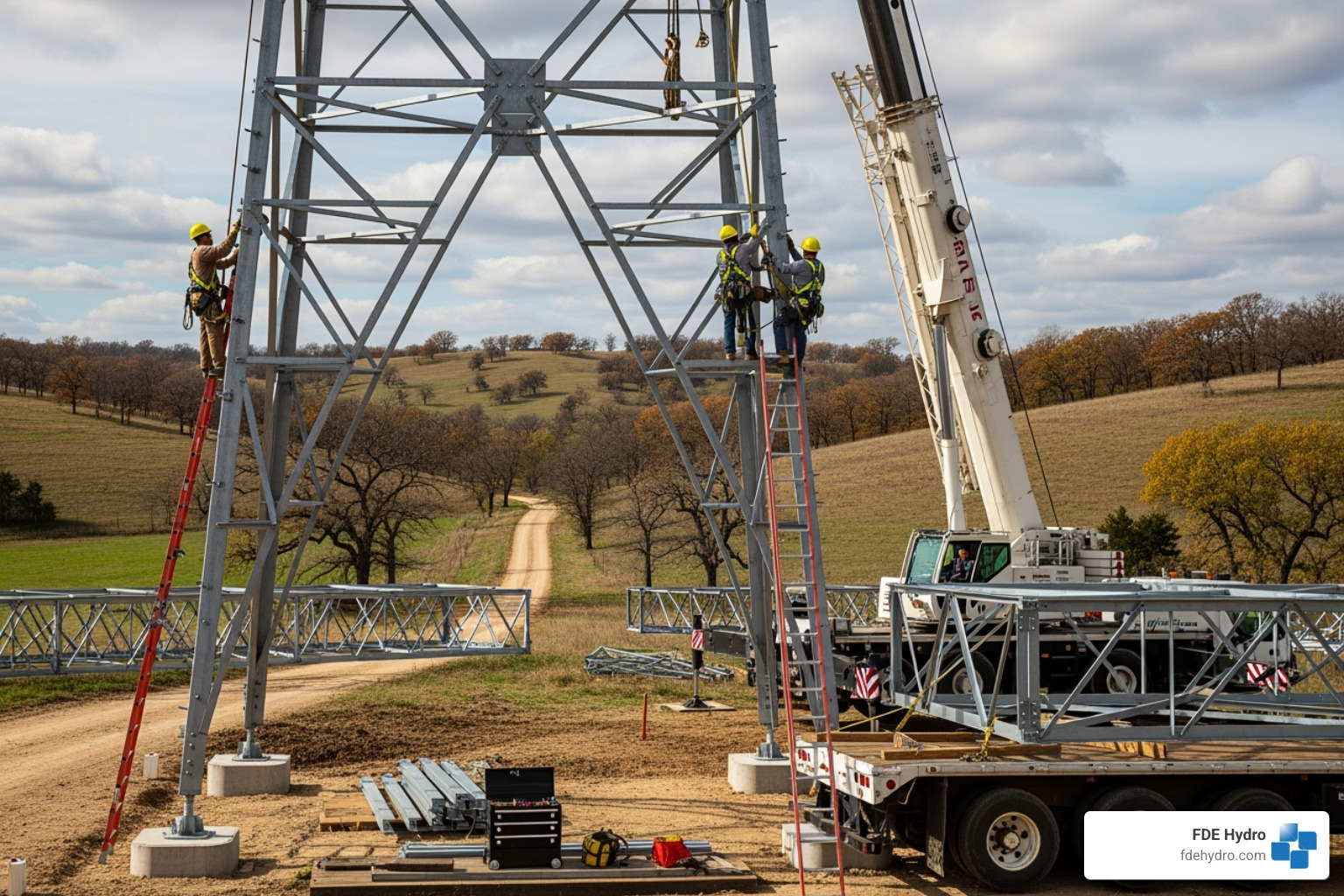
Building the energy infrastructure we need for a clean future sounds straightforward on paper. In reality, it’s a complex puzzle with pieces scattered across continents, boardrooms, and political capitals. The challenges we face go far beyond just engineering and construction—they touch on international relations, financial systems, and government bureaucracy.
Think of it this way: you can design the perfect hydropower system, but if you can’t get the materials, secure the funding, or obtain permits in a reasonable timeframe, that perfect design stays on paper. These aren’t small problems—they’re massive obstacles that slow down progress when we need speed more than ever.
For those planning major projects like hydropower facilities, understanding these challenges upfront is essential. That’s why we’ve written extensively about how Financing Long-Term Hydropower Requires Mitigating Risks Prior to ROI. You need to know what you’re up against before breaking ground.
Navigating Geopolitics and Supply Chain Vulnerabilities
Energy security has always been about more than just keeping the lights on. It’s about national sovereignty, economic stability, and strategic independence. The shift to clean energy changes the game but doesn’t eliminate these concerns—it just reshapes them.
Here’s the irony: as we move away from fossil fuels to reduce dependence on oil-producing regions, we’re creating new dependencies on critical minerals. Lithium for batteries, rare earth elements for wind turbines, copper for solar installations—these materials are concentrated in just a handful of countries. When one nation controls most of the world’s supply of something essential, that creates vulnerability.
The COVID-19 pandemic gave us a harsh lesson in what happens when global supply chains break down. Projects stalled. Costs skyrocketed. Delivery times stretched from weeks to months. Solar panels, turbine components, and construction materials all became harder to source. The energy sector felt these disruptions as acutely as any industry.
Now, governments are scrambling to reduce these vulnerabilities through export diversification and domestic production. Canada, for example, is pushing hard on what it calls “national interest projects”—critical infrastructure like LNG terminals and cross-border pipelines that strengthen energy security and economic resilience. Leaders like Mark Carney have been vocal about the need to streamline approvals for these projects. You can read more about Canada’s national interest projects and the push to get them built faster.
The reality is that energy infrastructure development happens in a geopolitical context. Every major project involves navigating international relationships, trade policies, and strategic considerations that extend far beyond the construction site.
The Investment Gap: Financing the Future of Energy
Let’s talk numbers. The world needs to invest somewhere between $1 trillion and $3 trillion annually in energy infrastructure over the next few decades to meet our climate goals and growing electricity demand. That’s not a typo—trillion with a T, every single year.
This massive investment gap is particularly acute in emerging markets, where electricity demand is growing fastest but capital is hardest to access. These are the places that need clean energy most urgently, yet they face the steepest financing challenges.
The problem is that clean energy projects often come with high capital costs upfront. Yes, a solar farm or hydropower facility has low operating costs once it’s running, but building it requires enormous initial investment. Add in the long project timelines—sometimes seven to ten years for major hydropower developments—and you’ve got a financing challenge that scares away many investors.
Utilities around the world are caught in a particularly difficult spot. A World Bank study on utilities found that many are already financially stretched, struggling to maintain existing infrastructure while facing pressure to invest in new clean energy capacity. In developing countries especially, utilities lack the financial resources needed for the massive grid investment required to integrate renewables and meet growing demand.
The numbers are staggering. Grid modernization alone requires hundreds of billions of dollars annually worldwide. Without innovative financing mechanisms—public support, international development funding, or new partnership models—many utilities simply can’t afford to make the necessary investments. This financing challenge is one of the biggest threats to our clean energy transition.
Streamlining Progress: The Role of Policy and Regulation
Here’s a frustrating reality: you can have perfect technology, willing investors, and community support, and still wait years—sometimes a decade or more—for government approvals. Permitting delays and regulatory uncertainty are silent killers of energy projects.
I’ve seen it over my five decades in civil construction. A project that should take five years to build ends up taking fifteen because it spends ten years in regulatory limbo. Environmental reviews stack on top of each other. Different agencies require overlapping studies. Approval processes vary wildly between jurisdictions. The uncertainty makes investors nervous and drives costs through the roof.
The good news is that governments are starting to recognize this bottleneck. The European Union has designated certain energy projects as Projects of Common Interest (PCIs) and Projects of Mutual Interest (PMIs), giving them priority status for streamlined approvals. These initiatives recognize that cross-border energy infrastructure is too important to get bogged down in bureaucracy.
In Canada, there’s a growing movement toward fast-tracking national projects that are critical for energy security and economic competitiveness. The goal is simple: cut through red tape without sacrificing environmental protection or community consultation.
What we need are supportive policies that provide regulatory certainty. Developers and investors need to know what’s required, how long it will take, and that the rules won’t change midstream. Clear timelines, coordinated reviews between agencies, and predictable processes make it possible to plan and finance major infrastructure projects.
This isn’t about lowering standards—it’s about eliminating redundancy and creating efficient systems that can keep pace with the urgency of our energy challenges. When every year of delay adds costs and pushes back our climate goals, regulatory reform becomes as important as technological innovation.
Innovative Solutions Accelerating the Transition
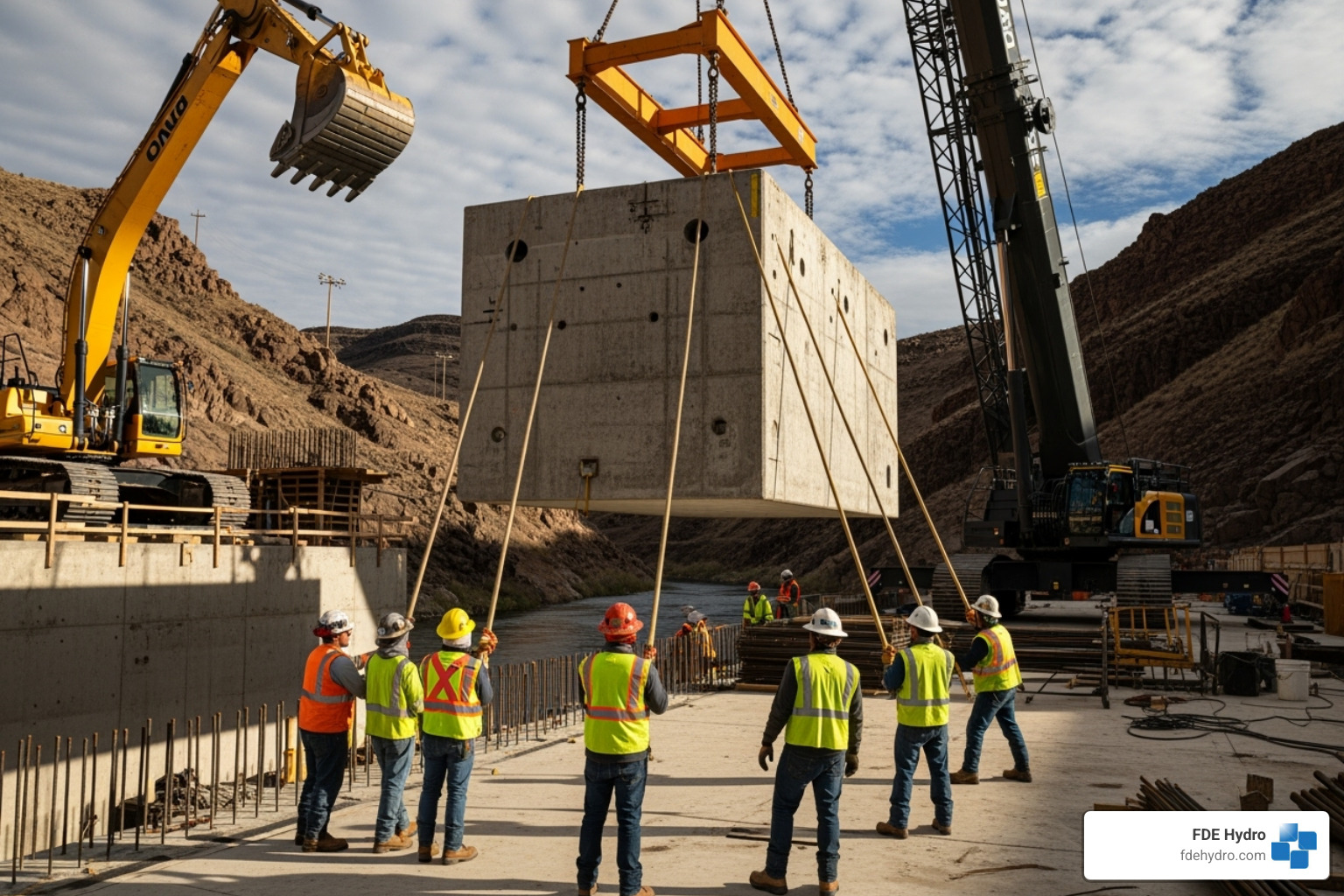
The obstacles to energy infrastructure development are real, but here’s the good news: brilliant minds around the world are developing solutions that actually work. We’re seeing breakthrough approaches in how projects get funded, how structures get built, and how we can maximize the clean energy sources we already have. This isn’t just theory—these innovations are actively changing how we build our energy future. For a closer look at how we’re bringing one of our oldest renewable energy sources into the modern era, visit our page on Reinvigorating Hydropower.
New Models for Financing and Partnership
The massive investment gap we talked about earlier? It requires thinking differently about money. Traditional government funding alone simply can’t cover the trillions needed for the energy transition. That’s why Public-Private Partnerships (PPPs) are becoming essential—they bring together government resources with private sector efficiency and capital to get projects built faster.
Independent Transmission Projects (ITPs) are another game-changer, allowing private companies to build and operate transmission lines that expand grid capacity without waiting for utilities to find the budget. And then there’s blended finance, which mixes public and private funding in ways that reduce risk for everyone involved, making projects viable in places where they otherwise wouldn’t be.
The World Economic Forum has put together what they call a Playbook of Solutions that showcases these innovative approaches. The key is using smart de-risking tools that make clean energy projects attractive to private investors. When you share the risk intelligently, you open up the capital needed to actually build things. It’s about making the math work for everyone—governments, investors, and ultimately, the communities that need reliable clean energy.
Sustainable Construction and Innovative Energy Infrastructure Development
Here’s where things get really interesting. The way we’ve traditionally built energy infrastructure—slowly, expensively, with massive environmental disruption—simply doesn’t cut it anymore. We need sustainable construction methods that consider the entire lifecycle of a project, from the materials we source to how structures can eventually be decommissioned. Every choice matters, from reducing waste to minimizing the carbon footprint of construction itself.
This is exactly what we’ve focused on at FDE Hydro™. Our patented modular precast concrete technology fundamentally changes how hydropower infrastructure gets built. Instead of pouring concrete and building everything on-site over many years, we manufacture precision-engineered precast modules in controlled factory environments. Think of it like prefab housing, but for dams and water control structures. These high-quality modules are then transported to the site and assembled rapidly—sometimes in a fraction of the time traditional methods require.
The advantages are profound. Projects that used to take five to seven years can now be completed much faster through our Rapid Installment of Module Precast Civil Infrastructure approach. The cost savings are substantial too—and we explain exactly Why Precast Cost Less on our website. Manufacturing in a factory means consistent quality, better concrete curing, and structures that last longer. And because there’s less on-site construction, there’s dramatically less disruption to local ecosystems and communities.
This isn’t just about building faster. It’s about building smarter, with sustainable materials and methods that actually respect the environment we’re trying to protect. Every module we manufacture represents a commitment to minimizing environmental impact while accelerating the clean energy transition.
The Role of Hydropower in Innovative Energy Infrastructure Development
Hydropower deserves special attention because it solves one of the biggest challenges in energy infrastructure development: keeping the lights on when solar and wind can’t. We’ve talked about the intermittency problem with renewables—hydropower is the answer. It provides grid stability, reliability, and flexibility in ways that batteries alone simply can’t match at scale.
When you need power at 2 AM on a windless night, hydropower delivers. When there’s a sudden spike in demand during a hot afternoon, hydropower can ramp up almost instantly. This is why we say there are 4 Reasons Why Hydropower Is The Guardian Of The Grid—it’s the backbone that keeps everything stable while other renewables do their important work.
Pumped storage hydropower acts as nature’s battery, storing excess renewable energy by pumping water uphill when generation is high, then releasing it through turbines when demand peaks. This energy storage capability is becoming more valuable every day as we add more variable renewable sources to the grid.
Here’s what makes our approach even more powerful: with FDE Hydro’s modular technology, we’re not limited to building new Dams. We can retrofit existing dams quickly and affordably, adding new generating capacity, upgrading safety systems, or converting conventional facilities into pumped storage powerhouses. Projects that were economically unfeasible with traditional construction methods suddenly make sense. This means we can open up the potential of thousands of existing structures across North America, Brazil, and Europe without the decade-long timelines and prohibitive costs that have held back hydropower development.
The future of clean energy isn’t just about building new things. It’s about being smart with what we already have, upgrading it efficiently, and deploying proven technologies like hydropower in innovative new ways. That’s the path forward for sustainable energy infrastructure development.
Conclusion
We’ve reached a defining moment in human history. The electricity that powers our lives—from the smartphones in our pockets to the AI systems changing industries—is about to surge beyond anything we’ve seen before. At the same time, our planet desperately needs us to clean up how we generate that power. It’s a challenge that keeps energy leaders awake at night, but it’s also an opportunity that gets innovators like us out of bed each morning.
The truth is, there’s no single silver bullet. We can’t simply plaster the world with solar panels or dot every hillside with wind turbines and call it done. Energy infrastructure development requires a thoughtful blend of renewable technologies working together, each playing to its strengths. We need the steady, reliable backbone of hydropower balancing the intermittency of wind and solar. We need smart grids that can orchestrate this complex dance of electrons. And we absolutely need faster, more affordable ways to build all of this infrastructure.
The financial and political problems are real. Projects that take a decade to permit and build simply won’t cut it when demand is doubling in years, not decades. But here’s the encouraging part: the solutions are emerging. Innovative financing models are open uping capital. Governments are beginning to streamline approvals. And new construction methods—like our modular precast technology—are proving that we can build critical infrastructure in months instead of years, at a fraction of traditional costs.
At FDE Hydro, we’re not just talking about the future—we’re building it, one modular section at a time. Our patented precast concrete technology is already helping projects move from planning to operation faster than anyone thought possible. Whether it’s retrofitting an aging dam to add clean generating capacity or constructing entirely new pumped storage facilities to act as giant batteries for the grid, we’re proving that speed and sustainability don’t have to be at odds.
The energy transition isn’t coming—it’s here. And while the challenges are significant, so is our collective ingenuity. By embracing innovation in how we finance, regulate, and physically build our energy infrastructure development projects, we can create an energy system that’s not only clean and reliable but also resilient enough to power whatever the future brings. For our children and grandchildren, this isn’t just about keeping the lights on. It’s about building a world where abundant, affordable, clean energy enables human flourishing for generations to come.
Explore how advanced hydropower solutions are powering the future of clean energy.
