

Why Effective Water Control Solutions Matter More Than Ever
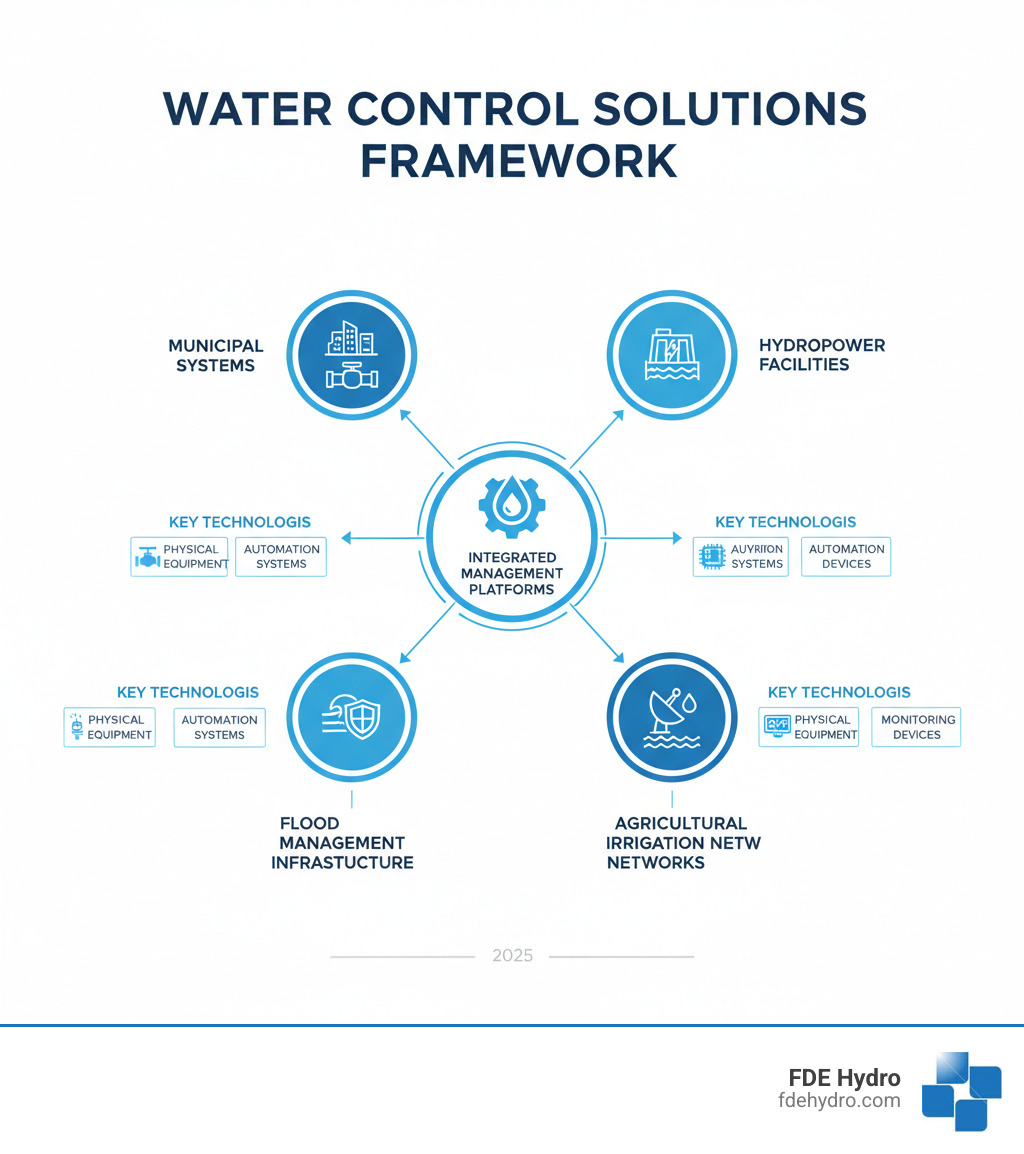
Water control solutions are the engineered systems, equipment, and technologies that manage, regulate, and protect water resources across municipal, industrial, agricultural, and hydropower applications. Here’s what you need to know:
Core Solution Categories:
- Physical Equipment – Sluice gates, control valves, pumps, spillways, and backflow preventers that physically direct water flow
- Automation & Monitoring – SCADA systems, smart meters, IoT sensors, and cloud-based platforms that optimize operations
- Flood Management – Flow attenuation devices, temporary barriers, levee protection systems, and stormwater control
- Irrigation Systems – Weather-based controllers, soil moisture sensors, and precision delivery systems that conserve water
- System Integration – Custom-engineered solutions that combine multiple components for turnkey performance
Whether you’re managing aging infrastructure, facing regulatory compliance pressures, or seeking to reduce non-revenue water loss, the right combination of these solutions can dramatically improve efficiency while cutting costs.
The challenge facing water utilities and hydropower operators today is unprecedented. Climate change is intensifying flood risks while simultaneously creating water scarcity. Infrastructure built decades ago struggles under modern demands. Innovative water control solutions now allow maintenance and repair of potable water, wastewater, and industrial systems without shutdown—helping reduce costs, mitigate risks, and keep projects on schedule.
The stakes are high. Poor water control leads to catastrophic flooding, wasted resources, and compromised public safety. Yet many organizations still rely on outdated, piecemeal approaches rather than integrated systems engineered to work together.
I’m Bill French Sr., Founder and CEO of FDE Hydro™, where we focus on delivering modular civil construction solutions to the hydropower industry, including our patented “French Dam” technology. Over five decades in heavy civil construction and site development have shown me how the right water control solutions transform project economics, timelines, and risk profiles—lessons I now apply to next-generation hydropower infrastructure.
The Modern Water Management Challenge
Managing water has never been easy, but today’s challenges are on another level. Water utilities, dam operators, and resource managers are juggling more problems than ever before, and the consequences of getting it wrong have never been higher.
Beneath major cities in North America, Brazil, and Europe lies a hidden crisis. Much of the infrastructure—pipes, pumps, and valves—is aging. This aging infrastructure isn’t an abstract concern; it’s a system literally leaking money through burst mains, failing valves, and wasted treated water before it ever reaches a tap.
This leads to the painful reality of non-revenue water loss. For many water utilities, 20-30% of their product simply vanishes between production and delivery. Every gallon lost was pumped, treated, and paid for—but never billed.
Meanwhile, water demand keeps climbing due to growing populations and expanding industries. The math is brutal: aging systems designed for smaller populations are now serving millions more people than originally planned.
Then there’s climate change, which has thrown the old playbooks out the window. One year brings devastating floods; the next, crippling drought. As experts have observed, climate change and urban growth have created an environment where flooding is more frequent and damaging. Your water control solutions need to handle these extremes, often in the same season.
Regulatory compliance adds another layer of complexity. Environmental standards for cleaner water and safer discharges continue to evolve, requiring investment in new technology and processes, often when budgets are already stretched thin.
Many utilities also face workforce challenges. Experienced operators are retiring, taking decades of institutional knowledge with them. Maintenance is often deferred due to a lack of staff or funds, creating a vicious cycle where aging infrastructure deteriorates faster because it can’t be maintained.
This perfect storm of challenges demands a different approach. We need integrated strategies that address these problems holistically, building systems that will serve communities for generations to come.
More info about Sustainable Infrastructure Development
The good news? Modern water control solutions are smarter, more efficient, and more adaptable than ever before. The question isn’t whether we can solve these challenges—it’s whether we’ll accept the innovations that make solutions possible.
A Roundup of Essential Water Control Solutions
Given the complexities we’ve discussed, there’s no one-size-fits-all answer to water management. Instead, we rely on a comprehensive toolkit of water control solutions, from robust physical equipment to custom-engineered systems. The goal is always integrated performance—ensuring every component works seamlessly to manage, conserve, and protect our most vital resource.
Think of it like building a house: you need a solid foundation and quality materials, but you also need everything to work together. Water management is no different.
More info about Water Control Structures
Foundational Control Equipment
At the heart of any effective water management system lies foundational equipment designed to physically control water flow. These are the workhorses that ensure water goes where it’s needed, when it’s needed.
Sluice gates are large valves that control water flow in open channels or pipes, common in irrigation, flood control, and water treatment. Whether manual or automated, they provide precise control over water levels and flow, making them essential for isolating sections for maintenance or directing flow.
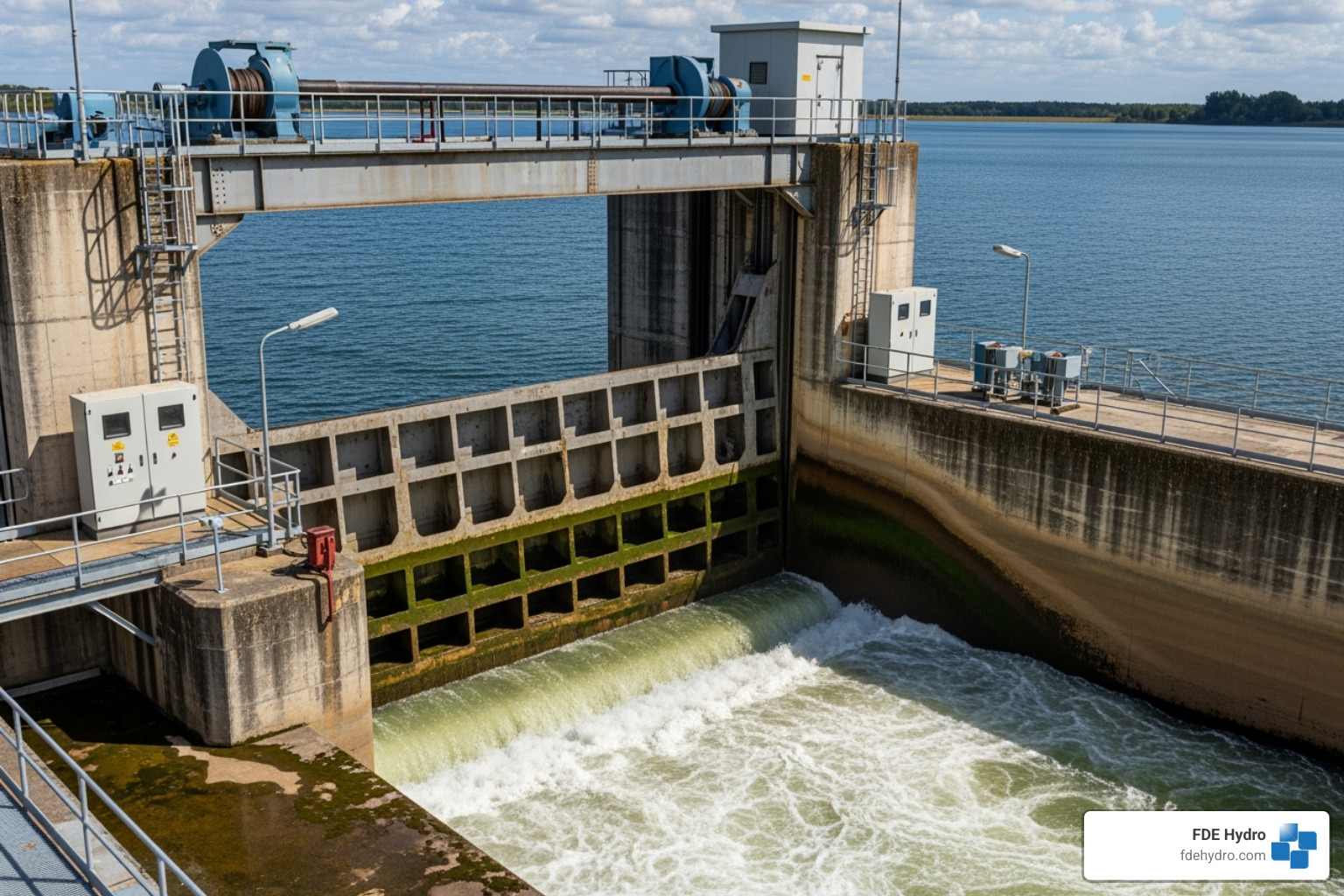
Control valves are more sophisticated than gates, regulating both pressure and flow within closed pipe systems. Ranging from basic manual to advanced automated models, the right valve prevents pressure surges, optimizes flow, and saves significant water and energy.
Pumps are the muscle of any water system, moving water from reservoirs, delivering it to users, or removing floodwaters. Modern pumps are designed for challenging conditions like high flow rates and contaminated water.
Spillways act as safety valves for dams and reservoirs. They provide a controlled release of water during high levels, preventing dangerous overtopping that could destroy the main structure.
Backflow preventers are critical for public health, stopping contaminated water from flowing backward into potable water supplies. Failure can put entire communities at risk.
Strainers protect sensitive equipment by removing debris from pipelines. This small investment prevents costly damage and downtime to pumps, valves, and control systems.
Custom-Engineered Water Control Solutions
While foundational equipment is the backbone, the true power of modern water management lies in custom-engineered water control solutions. These systems are designed to address unique site-specific challenges, providing efficiency and reliability that off-the-shelf components cannot match.
Every site is different, with unique geology, water chemistry, and operational requirements. A solution that works in one location may be completely wrong for another, which is why custom design is so critical.
At FDE Hydro, we’re pioneering innovative, patented modular precast concrete technology—our “French Dam”—for building and retrofitting hydroelectric dams and other water control systems. This approach significantly reduces construction costs and time, allowing for rapid deployment of critical infrastructure custom to specific site conditions. Instead of spending years building a dam on-site, we can fabricate modules in controlled factory conditions and assemble them quickly in the field.
Custom-engineered solutions shine in specialized applications like water treatment plants, where precise control over flow and chemistry is essential. Industrial systems may require equipment that handles corrosive chemicals or extreme temperatures. Potable water systems demand designs that meet strict health standards, while wastewater management needs solutions that can handle solids and variable flow.
The beauty of custom engineering is that it considers the entire project lifecycle—from design and fabrication to installation and commissioning. This holistic approach ensures your solution is a fully integrated, high-performing system built specifically for your needs.
The Digital Wave: Smart Technologies in Water Management
The digital revolution is fundamentally changing how we manage water. The old days of manual adjustments and clipboard inspections are giving way to intelligent systems that can think, predict, and optimize.
These smart water control solutions are about bringing real intelligence to our water infrastructure. Automation and control solutions help utility managers do more with limited resources, ensure compliance, control costs, and achieve best-in-class operational performance. When facing budget constraints and an aging workforce, this kind of efficiency multiplier becomes essential, not optional.
What’s particularly exciting is that we’re moving beyond simple automation to systems that learn from their environment and adapt accordingly. These aren’t just automated—they’re intelligent.
Leveraging Data and Connectivity
The real magic happens when we connect everything and let the data tell us what’s happening. Think of it as giving your water system a nervous system and a brain.
Smart metering has revolutionized how utilities understand consumption. Instead of monthly estimates, real-time data can identify leaks within hours and help customers understand their own water habits.
IoT sensors are the eyes and ears of modern water networks. Deployed throughout the system, they constantly monitor pressure, flow rates, water quality, and equipment performance, catching issues that human operators might miss.
Cloud-based solutions then take all this data and make it accessible from anywhere. For example, farmers can manage an entire irrigation system from a phone, eliminating trips to remote fields. This remote accessibility is transformative for response times and operational efficiency.
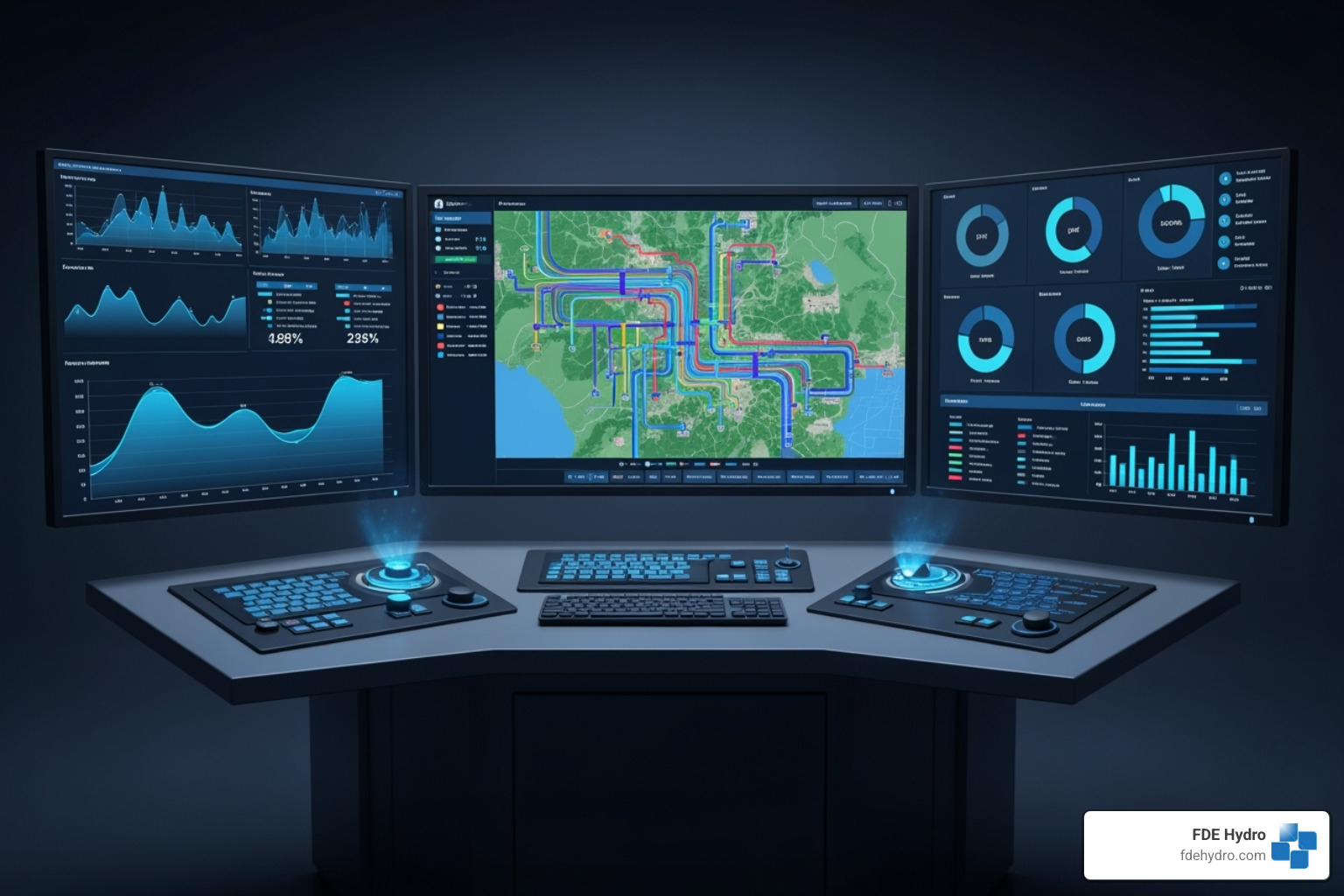
When you combine all this data with modern analytics, you get decision intelligence. It’s about changing raw numbers into actionable insights. Imagine a system that alerts you to a pump showing early signs of failure weeks before it breaks down, allowing you to schedule maintenance at a convenient time. Or an irrigation controller that automatically adjusts schedules based on weather data, saving water and money.
This is the power of predictive maintenance and intelligent automation working together. We’re not just reacting to problems anymore; we’re preventing them.
If you’re curious about how other utilities are leveraging data to transform their operations, this webinar offers some excellent insights and real-world examples:
Webinar: Maximizing Performance by Making Your Data Work for You
Integrated Systems vs. Individual Components
Here’s where many organizations stumble. They try to piece smart technology together from different vendors and platforms, which often leads to incompatibility issues and suboptimal performance.
A key piece of wisdom is often ignored: if you need it to perform as a system, make sure it’s engineered as a system. The most effective approach is an integrated, single-source solution for monitoring, controls, and automation, with everything designed to work together from day one.
The difference between integrated water control solutions and cobbled-together components is significant. With an integrated system, you get turnkey simplicity—one point of contact for support. With individual components, you’re juggling multiple vendors, and when problems arise, finger-pointing can ensue.
Performance optimization is another huge advantage. When a system is engineered as a whole, every component is designed to complement the others, and performance levels can be guaranteed. A mix-and-match approach is essentially an experiment with your critical infrastructure.
Maintenance becomes dramatically simpler with integrated systems. You’re not trying to figure out which of five different components is causing an issue or maintaining expertise on multiple platforms. Modern predictive capabilities often tell you what needs attention before it becomes urgent.
Then there’s the question of cost of ownership. While integrated solutions might have a higher upfront price tag, the total cost over the system’s lifetime is typically much lower when you factor in reduced troubleshooting, fewer integration headaches, and better reliability. Time-tested reliability and quality pay dividends year after year.
At FDE Hydro, we’ve seen how integrated approaches transform project outcomes. Our modular systems aren’t just about the physical structures—they’re about ensuring every component works seamlessly with the others, from initial design through decades of operation. That’s the future of water management: intelligent, integrated, and built to last.
Specialized Applications: From Floodplains to Farmlands
The beauty of modern water control solutions is their versatility. The same principles that protect a city from flooding can be adapted to help a farmer maximize crop yields. Each application has its own challenges, but they all share a common need for reliable systems designed with sector-specific needs and public safety in mind.
Flood Control and Mitigation
When floodwaters rise, every minute counts. Effective flood risk management is about protecting families, preserving livelihoods, and maintaining critical infrastructure. As we’ve discussed, climate change and urban growth have made flooding more frequent and damaging, which means our civil engineering projects must be smarter and more resilient.
The tools for flood control are diverse. At the large-scale end, our modular dam technology provides rapid deployment for major infrastructure. On the precision side, specialized devices offer sophisticated flow attenuation, slowing and holding water during storms to protect downstream communities. This is complemented by powerful flood water pumps designed for the high flow and low head demands of flood pumping stations, helping remove excess water quickly.
But flood fighting isn’t always about permanent structures. It’s also about rapid response. The California Department of Water Resources works to “prevent, reduce, and mitigate the risk of damages associated with flooding” through both engineered solutions and hands-on techniques. Their comprehensive guidance covers everything from proper sandbagging methods and temporary levee construction to deploying specialized temporary barrier systems and implementing wavewash protection along vulnerable shorelines. This combination of sophisticated engineering and time-tested field methods creates a robust defense.
More info about Dam Rehabilitation & Encapsulation
For those interested in practical flood fighting techniques, this resource is invaluable:
Flood Fighting Methods 2024
Efficient Irrigation and Agricultural Water Control Solutions
If flood control is about managing too much water, agricultural irrigation is about making the most of what you have. In farming, water control solutions directly translate to food security and economic survival. The goal is to deliver the right amount of water at the right time, without waste.
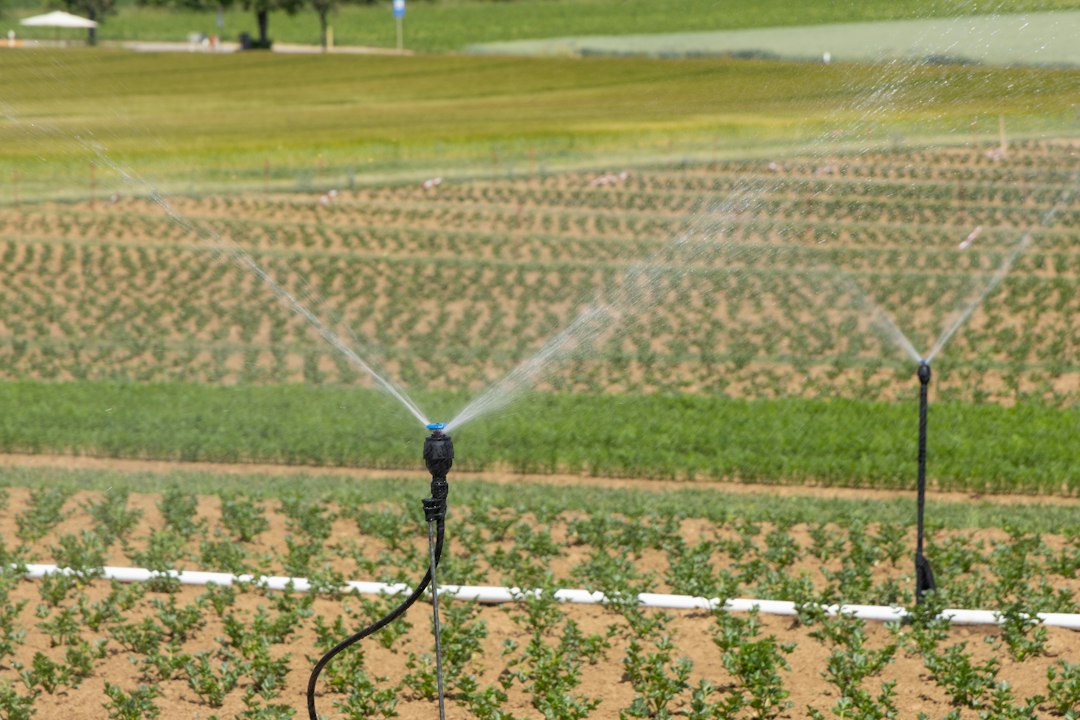
Modern irrigation has come a long way from flooding fields. Today’s systems combine precision delivery methods like drip irrigation and pivot systems with intelligent control technologies. Advanced irrigation solutions incorporate smart metering, automation, air valves, and control valves—all working together to save water and energy while improving crop yields.
The real game-changers are the sensors and controllers that constantly monitor conditions. Soil moisture sensors embedded in the ground provide real-time feedback, and controllers can be programmed to shut off irrigation systems when the ground is already wet, preventing wasteful overwatering.
Weather-based controllers take this intelligence a step further by integrating local weather data, automatically adjusting watering schedules. Rain sensors detect rainfall and prevent the system from running unnecessarily.
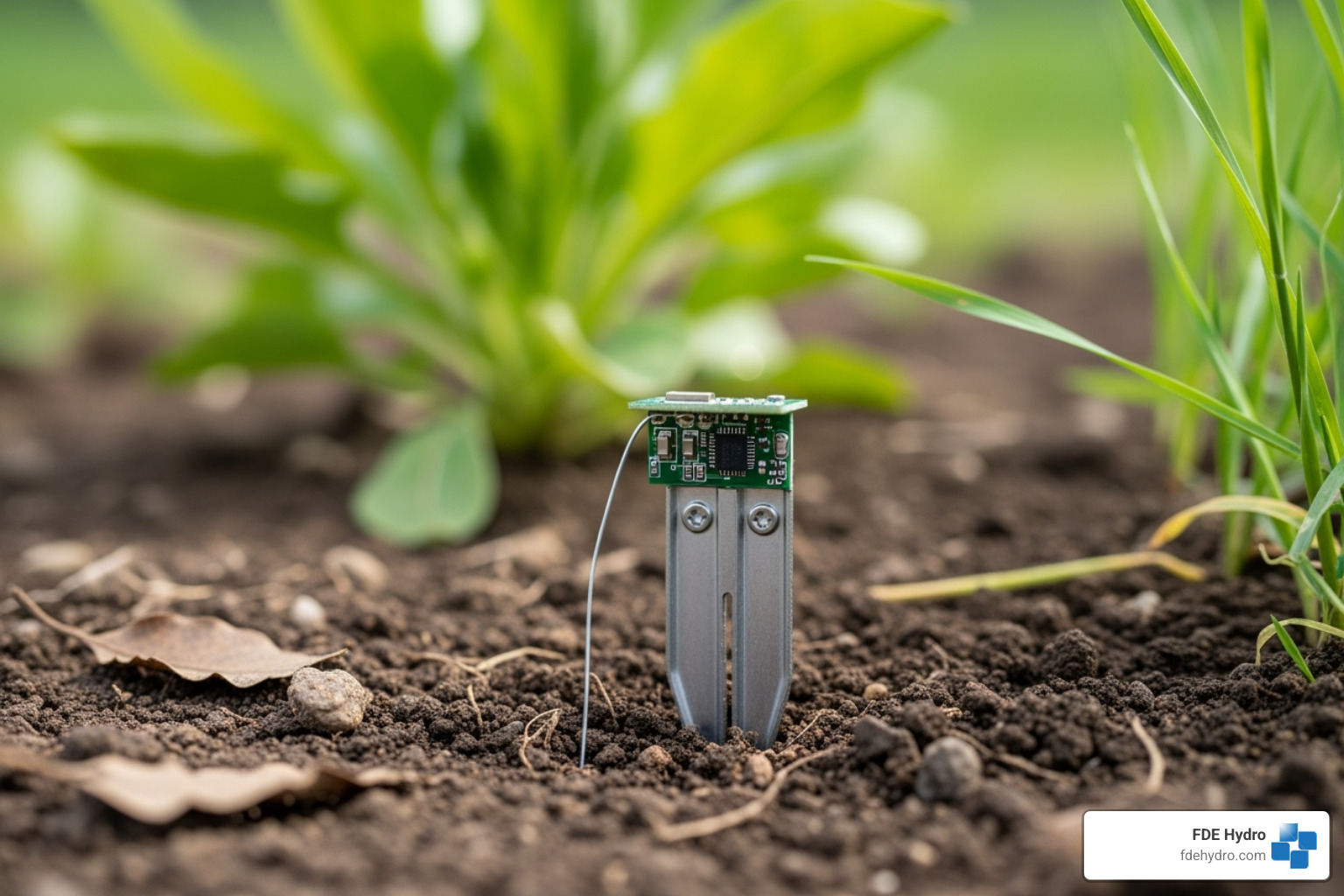
These precision systems also enable better nutrient management, allowing farmers to deliver fertilizers exactly where and when they’re needed, reducing waste and environmental impact. Delivering complete system solutions for irrigation flow control is key, focusing on a lower cost of ownership through reliability and quality. This holistic approach ensures that every drop of water counts, contributing to both the farmer’s bottom line and environmental stewardship.
Blueprint for Success: System Design, Safety, and Maintenance
Effective water control solutions require a lifecycle commitment, from initial concept through decades of operation. We see every project as a journey from the first sketches to commissioning and every day after that.
Key Design and Implementation Considerations
Great water management systems are born from careful planning and thoughtful engineering that respects both the power of water and the unique character of every site.
Every location is different, from Brazil to North America or Europe. We always begin with a thorough site-specific analysis of local hydrology, soil conditions, and environmental factors to ensure the design is appropriate.
Before breaking ground, we run sophisticated hydraulic modeling simulations. These models show us how water will behave in our proposed system, helping us optimize performance. It’s much cheaper to adjust a computer model than to redesign a partially built structure.
The materials we choose matter enormously. We select components based on durability, corrosion resistance, and compatibility with local water chemistry. Our modular precast concrete technology exemplifies this approach. These factory-built modules arrive on-site ready to install, dramatically cutting construction time and costs while maintaining the highest quality standards. Their modular nature also means systems can adapt as needs change.
Modular Construction Techniques
Quality assurance runs through everything we do. Working to ISO 9001 standards and adhering to stringent international requirements isn’t just about checking boxes. It’s about ensuring every system we build will perform reliably for decades.
More info about our Means and Methods
Maintenance, Support, and Safety
A well-designed system is only as good as its ongoing care. The real test of any water control solution comes years into its operation.
Operational support means being there when our clients need us. Remote monitoring keeps us connected to system performance, and expert technical assistance is just a call away. This ongoing partnership ensures systems keep working.
Regular maintenance schedules prevent small issues from becoming big problems. Predictive maintenance, powered by smart sensors, takes this further. The system tells us when a component needs attention, often weeks before failure would occur.
Innovative approaches now make it possible to perform major repairs without shutting down the system. This capability is crucial for municipalities and industries that cannot afford downtime, as it reduces costs, minimizes disruption, and keeps essential services running.
Safety is never an afterthought. When working with the power of moving water, comprehensive safety protocols protect workers and communities. From training to rigorous monitoring, we build safety into every project phase.
Flood fighting operations demand special attention to safety. Essential safety gear includes:
- Personal Flotation Devices (PFDs)
- Hard hats
- Heavy-duty waterproof gloves
- Waterproof boots
- Safety glasses or goggles
- Rain gear
- First aid kits
- Reflective vests
- Communication devices
- Whistles
- Headlamps or flashlights
These aren’t just items on a checklist; they are lifesaving tools that ensure everyone goes home safe.
Conclusion
Looking back at everything we’ve covered about water control solutions, I’m genuinely optimistic about where we’re headed. Yes, the challenges are real—aging infrastructure, climate uncertainty, growing demand—but the innovation happening in this space is remarkable.
We’ve journeyed from the foundational workhorses like sluice gates and pumps to the sophisticated world of smart sensors and cloud-based systems. We’ve seen how custom-engineered approaches outperform cobbled-together components, and how solutions must be carefully custom whether we’re protecting a neighborhood from floods or helping a farmer conserve every precious drop.
What strikes me most after five decades in this industry is how far we’ve come, and how much potential still lies ahead. At FDE Hydro, we’re passionate about pushing that frontier forward. Our modular construction approach isn’t just about building faster or cheaper—though those certainly matter. It’s about creating infrastructure that’s resilient, adaptable, and ready for whatever challenges tomorrow brings.
The truth is, water control solutions aren’t just technical problems to solve. They’re about safeguarding communities, feeding families, powering homes, and protecting our planet. When we talk about meticulous design, rigorous safety protocols, and predictive maintenance, we’re really talking about responsibility—to the people who depend on these systems and to future generations who will inherit them.
The biggest untapped solution to climate change is indeed in the water. By embracing advanced, integrated water control solutions—from robust physical structures to smart digital overlays—we can build a more resilient and sustainable future for our most precious resource. It’s not just possible; it’s happening right now.
The Biggest Untapped Solution to Climate Change is in the Water
If you’re curious about how these innovative approaches are revolutionizing the industry, I encourage you to explore more about hydropower and water infrastructure. The future of water management is here, and it’s more exciting than ever.
