

Why Clean Energy Solutions Are Critical for Modern Enterprises

Clean energy solutions are rapidly changing how businesses power their operations and infrastructure. For enterprises managing large-scale energy needs—particularly in water infrastructure and hydropower—the shift away from fossil fuels represents both an urgent environmental imperative and a strategic financial opportunity.
Key Clean Energy Solutions for Enterprises:
- Solar Energy – Photovoltaic systems with 85% cost decline over the past decade
- Hydropower – Reliable, low-emission power from water flow and storage
- Geothermal Energy – Using Earth’s natural heat for consistent power
- Biomass Energy – Converting organic materials into electricity and fuel
- Emerging Technologies – Green hydrogen, advanced battery storage, and CCUS
The global energy landscape is undergoing a historic change. Between 3.3 and 3.6 billion people already live in settings highly vulnerable to climate change, making the transition to clean energy solutions not just desirable but essential. Renewable capacity grew by 8% in 2022 alone, reaching almost 320 GW globally.
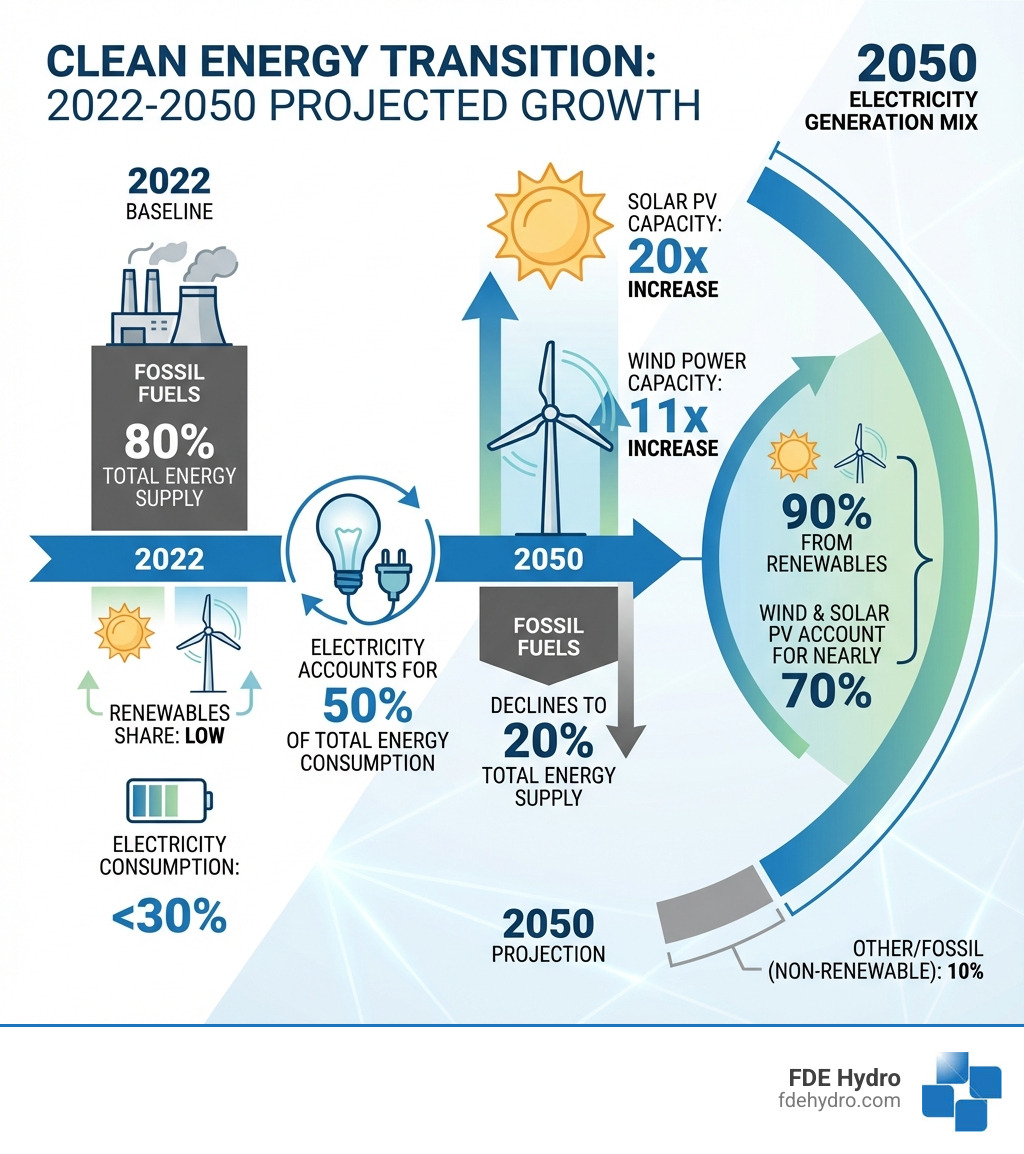
The urgency is clear. To avoid the worst effects of climate change, greenhouse gas emissions need to fall faster than they have risen for over a century. By 2050, two-thirds of total energy supply must come from wind, solar, bioenergy, geothermal, and hydro energy—with solar becoming the largest single source, accounting for one-fifth of energy supplies.
For decision-makers overseeing water infrastructure and hydropower projects, the challenge extends beyond environmental goals. Conventional construction methods bring high costs, extended timelines, and significant operational risks. This is where innovative approaches to clean energy infrastructure become game-changing.
I’m Bill French Sr., Founder and CEO of FDE Hydro, where we’ve pioneered modular civil construction solutions that make clean energy solutions faster and more cost-effective to deploy—particularly in hydropower infrastructure. My five decades in heavy civil construction, combined with participation in the Department of Energy’s Hydropower Vision Technology Task Force, have shown me how the right innovations can transform both project economics and environmental outcomes.
Know your clean energy solutions terms:
Exploring the Spectrum of Clean Energy Sources
When we talk about clean energy solutions, we’re referring to energy sources that produce little to no greenhouse gas emissions or pollutants, offering a sustainable alternative to fossil fuels. These sources are not just environmentally friendly; they represent a fundamental shift in how we power our world, promising long-term reliability and economic stability. Our journey towards a more sustainable future begins with understanding the diverse options available for Sustainable Power Generation. We’ve come a long way from just a few options, and the landscape of clean energy is richer and more accessible than ever. For a broader look at energy basics, check out our Energy 101.
By 2050, we project that nearly 90% of electricity generation will come from renewable sources, with wind and solar PV together accounting for nearly 70%. This incredible change means that two-thirds of our total energy supply will be derived from clean sources like wind, solar, bioenergy, geothermal, and hydro.
Solar Energy
Solar energy stands out as one of the most accessible and rapidly expanding clean energy solutions. It harnesses the power of the sun to generate electricity through two primary methods:
- Photovoltaic (PV) cells: These convert sunlight directly into electricity. Over the past decade, solar photovoltaic systems have seen an astonishing 85% cost decline, making them among the most cost-competitive energy resources on the market. From vast utility-scale solar farms across California and the Southwest U.S. to rooftop installations on businesses and homes in New York and Kansas, solar PV is becoming ubiquitous.
- Solar thermal: This method uses mirrors to concentrate sunlight, heating a fluid that then produces steam to drive a turbine and generate electricity.
Solar PV expansion has been remarkable, now accounting for about 2.5% of the global power supply. Projections show that solar PV capacity will increase fivefold by 2030 and a staggering 20-fold by 2050, solidifying its position as the largest source, accounting for one-fifth of global energy supplies. Mainstream solar PV technology is dominated by crystalline silicon, with continuous advancements pushing efficiency boundaries. Our commitment to Clean Energy means supporting these innovations.
Hydropower
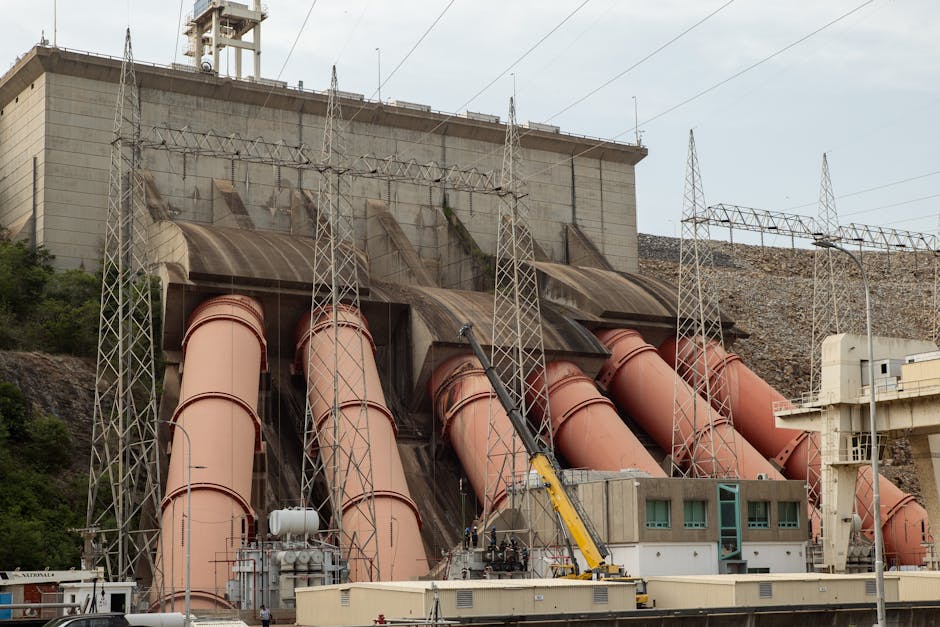
Hydropower, or hydroelectric power, is one of the oldest, largest, and most reliable clean energy solutions. It uses the natural flow of moving water to generate electricity. This involves:
- Dams and diversion structures: These alter the natural flow of a river or other body of water to create a reservoir or channel water through turbines.
- Turbines: The flowing water spins turbines, which are connected to generators that produce electricity.
Hydroelectric systems offer reliable, low-cost power and provide flexibility in power output, making them an invaluable component of a stable grid. Beyond traditional hydropower, technologies like Pumped Storage Hydropower are gaining traction. This method stores energy by pumping water uphill to a reservoir, then releasing it downhill through turbines when electricity is needed, acting like a giant battery.
At FDE Hydro, we specialize in making hydropower infrastructure more efficient and cost-effective, particularly for projects in North America, Brazil, and Europe. Our innovative, patented modular precast concrete technology, known as “French Dam,” significantly reduces construction costs and time for building and retrofitting hydroelectric dams and water control systems. This innovation is crucial for accelerating the adoption of this critical clean energy source. Learn more about Hydropower.
Other Key Sources: Geothermal, Biomass, and Marine
While solar and hydro are powerhouses, other clean energy solutions contribute significantly to our sustainable future:
- Geothermal Energy: This exploits the Earth’s natural heat from beneath the surface. Geothermal power plants use steam from reservoirs of hot water deep within the Earth to drive turbines. It provides a consistent, base-load power supply, unaffected by weather conditions.
- Biomass Energy: This converts organic materials, such as agricultural waste, forest residues, and dedicated energy crops, into electricity, heat, or fuel. Biofuels for transport, for instance, have steadily expanded, now meeting 3% of global transport energy requirements, largely due to blending mandates and production targets in regions like the United States, Brazil, and the European Union. Careful resource management is essential to ensure the sustainability of biomass energy.
- Marine Energy: This nascent but promising sector harnesses the energy of waves, tides, and river and ocean currents to generate electricity. Marine energy technologies hold immense promise, particularly for coastal regions and as an enabler of blue economy expansion. We believe The Biggest Untapped Solution to Climate Change is in the Water!
The Business Case: Weighing the Benefits and Challenges
Transitioning to clean energy solutions isn’t just a moral choice; it’s a smart business decision. However, like any major shift, it comes with its own set of considerations. We need to carefully weigh the numerous benefits against the challenges to build robust Clean Energy Infrastructure.
| Feature | Solar PV (Utility-scale) | Hydropower (Large-scale) |
|---|---|---|
| Operational Costs | Low (minimal fuel, maintenance) | Very Low (minimal fuel, long lifespan) |
| Land Use | High (requires significant land for panels) | High (requires land for reservoir and dam) |
| Intermittency | High (depends on sunlight, variable output) | Low (dispatchable, consistent output, storage capability) |
| Construction Time | Moderate (months to a few years) | Long (multiple years, complex civil works) |
| Initial Investment | Moderate to High | Very High |
| Environmental Impact | Low (habitat disruption for large farms) | Moderate (habitat alteration, water flow changes) |
Key Benefits of Adopting Clean Energy Solutions
For enterprises, the benefits of embracing clean energy solutions are compelling and far-reaching:
- Environmental Preservation: This is perhaps the most obvious benefit. By significantly lowering the emissions of CO2 and other harmful gases, we contribute directly to combating climate change. This reduces air and water pollution, protecting ecosystems and biodiversity.
- Reduced Carbon Footprint: For businesses, adopting clean energy directly translates to a smaller carbon footprint, aligning with global climate goals and improving corporate social responsibility.
- Economic Savings: While initial investments can be substantial, the long-term economic benefits are significant. Clean energy sources reduce reliance on volatile fossil fuel prices, offering stable and often lower operational costs. For example, solar photovoltaic systems are among the most cost-competitive energy resources on the market after an 85% cost decline over the past decade.
- Job Creation: The clean energy sector is a burgeoning industry, generating new jobs in manufacturing, installation, maintenance, and research and development. This offers economic growth opportunities in our communities.
- Energy Security: Decreasing dependency on imported fuels improves national and regional energy security. Relying on domestic, renewable resources makes our energy supply more resilient to geopolitical shifts and supply chain disruptions.
- Improved Public Health: Reduced air pollution leads to fewer respiratory and cardiovascular diseases, contributing to healthier communities and reduced healthcare costs.
- Improved Brand Reputation: Companies committed to sustainability and adopting clean energy solutions are increasingly viewed favorably by consumers, investors, and employees. This can lead to increased customer loyalty and attract top talent.
By investing in Sustainable Energy Production, businesses are not just doing good; they are doing well.
Overcoming Challenges to Implementing Clean Energy Solutions
Despite the undeniable benefits, the path to widespread adoption of clean energy solutions is not without its problems. We must acknowledge and strategically address these challenges:
- High Initial Investment: While operational costs are low, the upfront capital expenditure for installing large-scale clean energy systems can be significant. This is especially true for complex infrastructure projects like new hydroelectric dams. However, innovations like FDE Hydro’s modular precast concrete technology aim to drastically reduce these initial costs and project timelines, making such investments more feasible.
- Intermittency of Sources: Solar and wind power are intermittent, meaning their output depends on weather conditions (sunshine, wind speed). This variability requires robust energy storage solutions and advanced grid management to ensure a consistent power supply.
- Energy Storage Needs: To address intermittency, advanced battery storage is crucial. While costs are declining, scaling up storage solutions to meet large-scale industrial demand remains a challenge. Pumped storage hydropower, as discussed, is an excellent example of a large-scale energy storage solution.
- Grid Modernization: Our existing energy grids were designed for centralized, fossil-fuel-based power generation. Integrating decentralized renewable sources requires significant upgrades to transmission lines, smart grid technologies, and the development of Microgrid systems for localized resilience.
- Regulatory and Policy Problems: The growth of renewable energy markets heavily relies on supportive policies and regulations. Inconsistent or changing policies, complex permitting processes, and a lack of clear incentives can hinder investment and slow down adoption. We need consistent governmental support to accelerate this transition.
- Infrastructure Age and Retrofitting: A significant challenge, particularly in the United States and Europe, is the age of existing energy infrastructure. Many facilities, including older dams, require retrofitting or replacement. Our modular “French Dam” technology is specifically designed to make these retrofits and new constructions faster and more cost-effective.
Overcoming these challenges requires a multi-faceted approach involving technological innovation, supportive policy frameworks, strategic investments, and careful project planning, as outlined in our Renewable Energy Projects Complete Guide.
The Future is Now: Innovations and Trends in Clean Energy
The landscape of clean energy solutions is constantly evolving, driven by groundbreaking innovations and influenced by global policies aimed at achieving ambitious targets like Net Zero by 2050. This future is characterized by rapid technological change, unprecedented global cooperation, and an increasingly data-driven approach to energy management.
Emerging Technologies and Innovations
The future of clean energy solutions is incredibly exciting, with several emerging technologies ready to revolutionize the sector:
- Green Hydrogen: Produced using renewable energy through electrolysis, green hydrogen is emerging as a critical low-emissions fuel for hard-to-abate sectors like heavy industry and long-distance transport (e.g., shipping and aviation). This versatile fuel can store energy and power applications that electricity alone cannot easily reach.
- Advanced Carbon Capture, Utilization, and Storage (CCUS): While not strictly a clean energy source, CCUS technologies are vital for decarbonizing existing industrial processes and capturing emissions from sectors where full electrification is challenging. We’re seeing significant advancements in making CCUS more efficient and cost-effective.
- Next-Gen Battery Storage: Beyond lithium-ion, research into solid-state batteries, flow batteries, and other advanced storage solutions promises greater energy density, faster charging, and longer lifespans, crucial for stabilizing grids powered by intermittent renewables.
- Electric Vehicles (EVs): The electrification of transport is a massive trend. Electric cars accounted for 2.6% of global sales in 2019, and this figure is projected to soar to more than 65% by 2030. This shift is driving significant demand for clean electricity and charging infrastructure.
- Hydropower Advancements: Even established technologies like hydropower are seeing significant innovation. At FDE Hydro, our modular precast concrete “French Dam” technology represents a leap forward in reducing construction times and costs for new dams and essential Hydropower Advancements & Innovations 2025 for retrofitting existing ones. This makes hydropower more nimble and responsive to modern energy needs, securing the Future of Hydropower as a backbone of clean energy infrastructure.
- Policy-Driven Shifts: Global policies are accelerating the transition. Demand for oil and gas is projected to decline by around 20% by 2030, and low-emissions electricity is rising so rapidly that no new unabated coal plants beyond those under construction at the start of 2023 are expected to be built. Furthermore, bans on new fossil fuel boilers are expected to begin globally in 2025, pushing for wider adoption of electric heat pumps.
The Role of Data and AI in the Energy Transition
In our race to meet emissions reduction targets, data-informed analysis is not just helpful; it’s absolutely crucial. The complexity of modern energy systems, the variability of renewable sources, and the need for optimal resource allocation demand sophisticated analytical tools.
- Data-Informed Analysis: This approach helps us analyze the scale of climate change mitigation challenges, compare energy conversion and storage technologies based on performance metrics, and assess various carbon emissions reduction scenarios. By leveraging data, we can optimize technology portfolios for our organizations, estimating the rates of change needed to reduce greenhouse gas emissions effectively.
- Optimizing Technology Portfolios: Data and AI allow us to model different combinations of clean energy solutions, predicting their performance, costs, and environmental impact under various conditions. This enables us to make strategic decisions about which technologies to invest in and how to integrate them into existing infrastructure for maximum efficiency and return on investment.
- Meeting Emissions Targets: By providing precise insights into energy consumption, generation, and storage, data and AI empower us to track progress towards emissions reduction targets in real-time. This allows for agile adjustments to strategies and investments, ensuring we stay on track to meet ambitious goals like those outlined by the UN’s Sustainable Development Goal 7 (SDG 7), which aims for universal access to affordable, reliable, and modern energy services by 2030.
- Improved Efficiency: AI can predict energy demand, optimize grid operations, and even manage individual devices for peak efficiency. This applies across the energy spectrum, from optimizing solar panel output to managing water flow in hydroelectric systems. At FDE Hydro, we recognize the power of AI for Resource Management and how AI Energy Management can improve the performance and longevity of our modular hydropower solutions.
If you’re eager to dive deeper into how data drives this change, you can Learn more about data-informed clean energy advancement.
Your Enterprise’s Roadmap to Clean Energy Solutions
Transitioning your enterprise to clean energy solutions is a strategic journey that requires careful planning, informed decision-making, and a commitment to Sustainable Infrastructure Development. Whether you’re a large industrial player or a growing business, here’s a practical roadmap to guide your efforts.
Step 1: Conduct an Energy Audit and Analysis
Before starting on any major clean energy project, the first crucial step is to understand your current energy landscape.
- Assess Current Consumption: Conduct a comprehensive energy audit to pinpoint exactly how, where, and when your enterprise consumes energy. This involves analyzing utility bills, identifying major energy-consuming equipment, and understanding operational patterns.
- Identify Inefficiencies: Look for opportunities to reduce energy waste. This could involve upgrading to more efficient lighting (LEDs), optimizing HVAC systems, improving insulation, or implementing smart building management systems. Even simple actions like switching off appliances at the socket or turning off lights when not in use can add up.
- Use Data to Model Scenarios: Leverage data-informed analysis to model different energy consumption and generation scenarios. This helps predict the impact of various clean energy solutions on your operations and bottom line.
- Set Reduction Goals: Based on your audit, establish clear, measurable, and achievable goals for energy reduction and clean energy adoption. These goals should align with broader sustainability targets and potentially with global benchmarks like the UN’s SDG 7.
Step 2: Evaluate and Select the Right Technologies
With a clear understanding of your energy needs and goals, the next step is to explore the clean energy solutions that best fit your enterprise.
- Match Solutions to Operational Needs: Consider your specific energy demands, geographic location (e.g., abundant sunlight for solar in California, or suitable water resources for hydro in New York or Brazil), and operational constraints.
- Consider On-Site Generation:
- Solar: Installing solar panels on rooftops or unused land can significantly reduce reliance on grid electricity, especially beneficial in sunny regions of the U.S. and Brazil.
- Micro-Hydro: For enterprises located near suitable water sources, micro-hydropower systems can provide reliable, localized power. Our modular “French Dam” technology, for instance, can make smaller-scale hydroelectric projects more feasible and cost-effective, especially for retrofitting existing water control systems.
- Procure Renewable Energy: If on-site generation isn’t fully viable, explore options for purchasing renewable energy directly from suppliers or through renewable energy credits (RECs).
- Factors to Consider: When evaluating technologies, keep these critical points in mind:
- Scalability: Can the solution grow with your enterprise’s needs?
- ROI (Return on Investment): What are the projected financial savings and payback period?
- Geographic Location: What natural resources are readily available and cost-effective in your region (e.g., solar irradiance, water flow)?
- Available Incentives: Are there federal, state, or local incentives (tax credits, grants) that can offset costs in the United States, Canada, Brazil, or European locations?
Step 3: Phased Implementation and Financing
Implementing clean energy solutions is often a multi-year endeavor. A phased approach, coupled with smart financing, ensures a smooth transition.
- Develop a Project Timeline: Break down your clean energy roadmap into manageable phases, prioritizing projects with the highest impact and quickest ROI.
- Explore Financing Options: Look beyond direct capital expenditure. Many financial models exist to make clean energy more accessible:
- Power Purchase Agreements (PPAs): A third-party developer owns and maintains the system, selling the power to your enterprise at a fixed rate.
- Leasing: You pay a monthly fee for the equipment, with an option to purchase at the end of the term.
- Green Bonds and Loans: Specific financial products designed for sustainable projects.
- Energy Savings Performance Contracts: Some companies offer programs where the debt for energy efficiency investments is repaid from the utility savings generated.
- Leverage Government Incentives: Actively seek out federal, state, and local incentives. In the U.S., for example, the Investment Tax Credit (ITC) for solar and certain grants for hydropower projects can significantly reduce costs. Similar programs exist across Canada, Brazil, and Europe.
- Partner with Energy Service Companies (ESCOs): These companies specialize in designing, installing, commissioning, and financing projects for energy efficiency and carbon reduction. They can offer comprehensive services, including digital energy management and peak load reduction capabilities, to ensure your projects are successful.
Conclusion: Building a Legacy of Sustainable Success
The transition to clean energy is not just an environmental imperative but a strategic business opportunity. By embracing solutions like solar and advanced Hydroelectric Power Generation, your enterprise can reduce costs, improve its brand, and secure its long-term energy future. Companies like FDE Hydro are pioneering innovations in Sustainable Water Infrastructure to make these transitions faster and more cost-effective. Take the next step in future-proofing your infrastructure by exploring advanced solutions for dam rehabilitation and encapsulation.
