

Why Renewable Energy Projects Matter More Than Ever
Renewable energy projects are shifting global electricity generation from fossil fuels to clean sources like solar, wind, and hydropower. These initiatives range from massive utility-scale installations to smaller community efforts, all aiming for sustainable, affordable power.
Key Facts About Renewable Energy Projects:
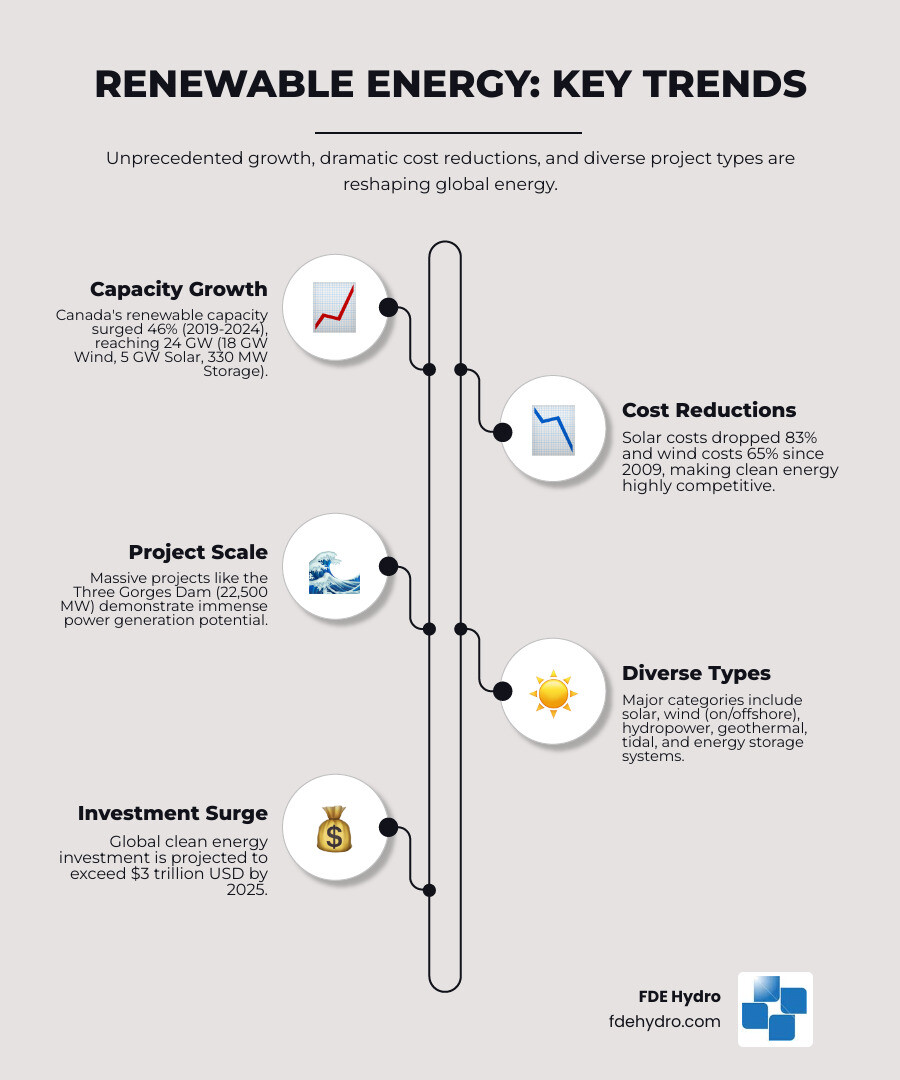
- Global Growth: Wind, solar, and storage capacity has surged 46% in Canada alone over the past five years (2019-2024)
- Dramatic Cost Declines: Solar energy costs have dropped 83% since 2009; wind energy costs fell 65%
- Scale: The world’s largest renewable projects generate tens of thousands of megawatts—the Three Gorges Dam produces 22,500 MW
- Project Types: Major categories include solar farms, wind farms (onshore and offshore), hydropower facilities, geothermal plants, tidal stations, and battery storage systems
- Investment: Global clean energy investment is on track to exceed $3 trillion USD by 2025
The momentum is undeniable. China’s Tengger Desert Solar Park generates 1,547 MW across 43 square kilometers. The UK’s Walney Offshore Wind Farm powers 600,000 homes. Canada now has over 24 GW of installed wind, solar, and storage capacity, including 341 wind projects and 217 major solar installations. More than 8% of Canada’s electricity demand was met by wind and solar in 2023.
This expansion stems from three forces: technological innovation making renewables cheaper than fossil fuels, urgent climate goals, and proven economic benefits like job creation and energy independence.
Yet challenges remain. Grid integration, intermittency of solar and wind, environmental considerations for large-scale installations, and the sheer capital investment required for major projects all demand innovative solutions. This is especially true for hydropower—the backbone of grid stability and energy storage—where traditional construction methods can be prohibitively expensive and time-consuming.
For decision-makers overseeing large infrastructure projects, modular construction approaches are changing the equation. By reducing timelines, lowering capital costs, and mitigating risks, these innovations make renewable projects more feasible and financially attractive.
I’m Bill French Sr., Founder & CEO of FDE Hydro™, where we’ve developed patented modular solutions that accelerate renewable energy projects while reducing costs and environmental impacts. My work on the Department of Energy’s Hydro Power Vision Task Force and five decades in heavy civil construction have given me a front-row seat to how renewable energy projects are evolving—and how the right construction methods can make or break their success.
The Global Titans: Largest Operational Renewable Energy Projects
The world’s largest renewable energy projects aren’t just power stations—they’re proof of what’s possible when engineering ambition meets the forces of nature. These operational giants generate enough electricity to power entire regions, and they show us that the clean energy transition isn’t some distant dream. It’s already happening at massive scale.
Hydropower Giants
Let’s start with the heavyweight champion: the Three Gorges Dam in China. With a jaw-dropping capacity of 22,500 MW, it’s not just the world’s largest renewable energy project—it’s the largest power station of any kind on the planet.
But Three Gorges does more than generate electricity. It controls devastating floods that once plagued the Yangtze River valley. It improved navigation for shipping, which alone cuts carbon dioxide emissions by an estimated ten million tonnes annually. That’s the beauty of well-designed hydropower: multiple benefits from a single infrastructure investment.
Hydropower has been the workhorse of clean energy for over a century, and it’s not going anywhere. Modern facilities provide reliable, dispatchable power that can ramp up or down as needed—something solar and wind simply can’t do alone. Pumped storage hydropower acts like a giant battery for the grid, storing energy when it’s abundant and releasing it during peak demand. It’s truly the power of modern Hydropower.
Sprawling Solar Farms
China’s Tengger Desert Solar Park, the “Great Wall of Solar,” features 43 square kilometers of panels generating 1,547 MW. It’s a prime example of using barren land for a renewable powerhouse.
In California’s Mojave Desert, the Ivanpah Solar Facility uses a different approach: concentrated solar power. 300,000 mirrors focus sunlight on towers to create steam, generating 392 MW. Its dry-cooling technology also conserves 95% more water than traditional systems, vital in the desert.
Using the Wind and Tides
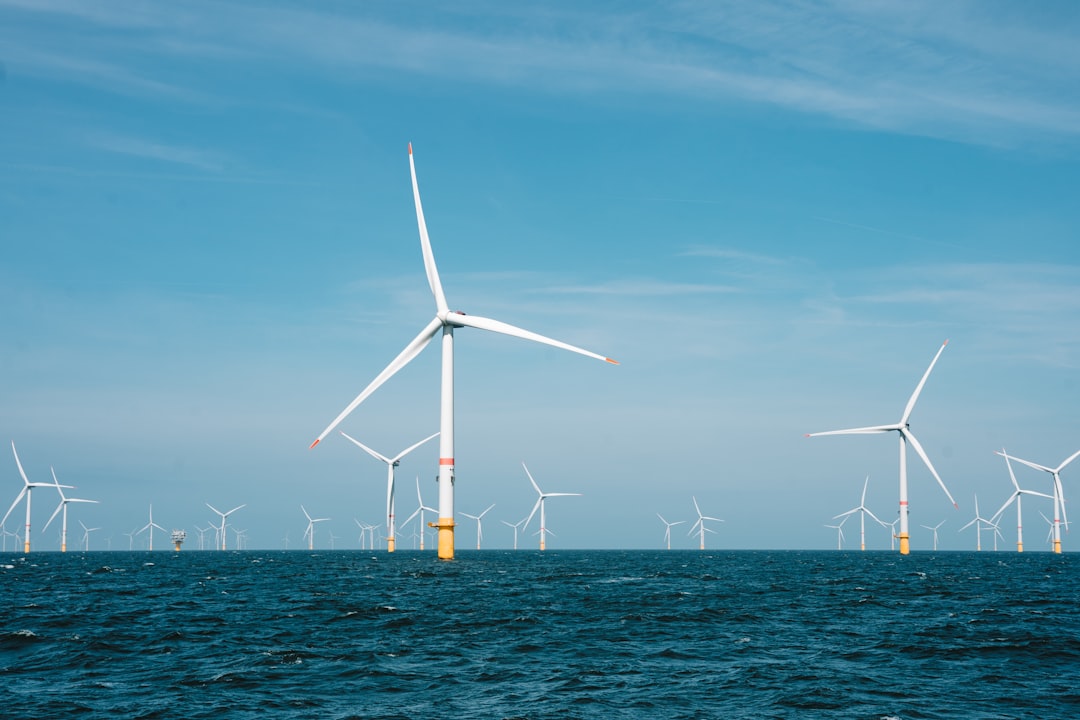
Wind energy has come into its own, especially offshore where the winds blow stronger and more consistently. The Walney Offshore Wind Farm off the UK coast demonstrates this perfectly. With 650 MW of capacity, its 189 turbines generate enough electricity to power 600,000 homes. These steel giants stand in the Irish Sea like silent guardians, converting ocean breezes into clean power around the clock.
Onshore wind has its own champions. The Roscoe Wind Farm in Texas sprawls across 400 square kilometers of open rangeland, where 627 turbines generate 781.5 MW of electricity. Texas has the wind resources and the wide-open spaces, making it perfect for this kind of massive onshore installation.
But perhaps the most unique project in this category harnesses a force we rarely think about: the tides. The Sihwa Lake Tidal Power Station in South Korea uses tidal barrage technology to capture the daily ebb and flow of the ocean. It’s a brilliant use of predictable, renewable energy that generates 552.7 GWh annually—power you can literally set your watch by.
Tapping into the Earth’s Heat
Finally, let’s go underground. Geothermal energy might be the least visible renewable resource, but it’s incredibly powerful. The Geysers in California is the world’s largest geothermal field, with a total capacity of 1,517 MW.
Four miles beneath the surface, a massive magma chamber creates natural steam reservoirs. Wells tap into this steam, which drives turbines to generate electricity. The result? The Geysers accounts for 20% of all renewable power generated in California—steady, reliable, sustainable electricity that flows day and night, rain or shine.
These global titans prove that large-scale renewable energy projects aren’t just feasible—they’re already powering our world. From China’s solar deserts to California’s geothermal fields, from offshore wind farms to the mighty rivers of hydropower, clean energy is operating at scales that would have seemed impossible just a generation ago.
The North American Clean Energy Boom
North America isn’t sitting on the sidelines watching the global renewable revolution unfold—we’re right in the thick of it. Both Canada and the United States are investing heavily in clean power, and the results speak for themselves.
Canada’s Green Expansion
Canada’s renewable energy story over the past five years is nothing short of remarkable. Between 2019 and 2024, the country’s combined wind, solar, and energy storage capacity jumped by 46%—a growth rate that reflects serious commitment to clean power.
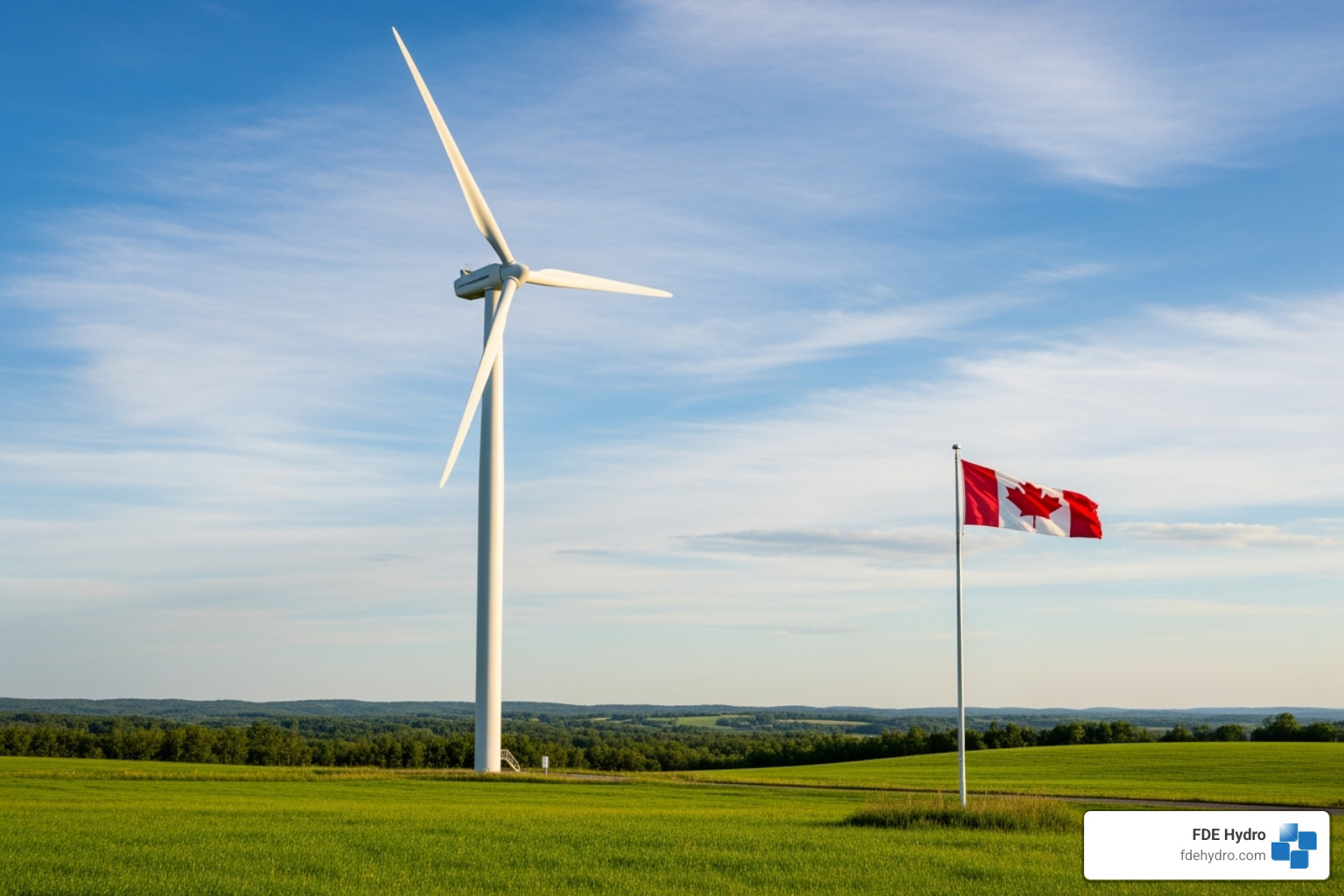
Today, Canada has more than 24 GW of total installed capacity. That breaks down to over 18 GW of wind power, more than 5 GW of solar (including both utility-scale and on-site installations), and 330 MW of energy storage. By 2023, wind and solar alone were meeting over 8% of Canada’s total electricity demand.
The numbers are impressive: Canada now has 341 wind and 217 major solar projects, plus nearly 96,000 smaller on-site solar installations. Over five years, solar capacity grew 92% and wind 35%. Most striking is the 192% surge in energy storage, showing a commitment to grid reliability with growing renewables.
What makes Canada’s renewable journey particularly meaningful is the active participation of Indigenous communities. Many renewable energy projects across the country are either Indigenous-owned or developed through genuine partnerships with First Nations. These collaborations recognize that sustainable development means including the voices and leadership of those who have stewarded these lands for generations. You can explore the full landscape of Canada’s renewable infrastructure, including Indigenous-owned initiatives, through this interactive map of Canada’s renewable projects.
U.S. Projects on Public Lands
South of the border, America’s vast public lands are becoming proving grounds for utility-scale renewable development. The Bureau of Land Management (BLM) oversees millions of acres with excellent solar and wind resources, and they’re putting that potential to work.
So far, the BLM has approved 13 solar projects generating a combined 3,645 MW and 2 wind energy projects totaling 1,280 MW on federal lands. These aren’t small installations—they’re massive undertakings that deliver clean electricity to thousands of homes and businesses.
But what’s already built is just the beginning. The BLM’s pipeline of proposed projects is substantial: 35 solar projects totaling 20,827 MW and 3 wind projects adding another 2,821 MW are currently moving through the National Environmental Policy Act (NEPA) review process. This thorough environmental assessment ensures these projects meet strict standards for protecting wildlife, cultural resources, and ecosystem health while delivering clean energy.
The lengthy NEPA process balances the need for renewable power with responsible land stewardship, requiring detailed analysis before construction. The BLM provides information on active renewable projects in the U.S..
Between Canada’s rapid capacity growth and the United States’ strategic use of public lands, North America is proving that clean energy isn’t just about environmental goals—it’s about economic opportunity, energy independence, and building infrastructure that will serve us for decades to come.
The Future is Now: Major Planned Renewable Energy Projects
The renewable energy sector isn’t just growing—it’s exploding with ambition. The renewable energy projects currently on the drawing board are so massive they make today’s largest installations look modest by comparison. We’re talking about projects that will fundamentally reshape how the world generates and uses electricity.
Global Megaprojects on the Horizon
When I look at what’s being planned around the world, I have to admit the numbers are almost hard to believe. These aren’t just incremental improvements—they represent quantum leaps in our energy infrastructure.
Take the China Desert Project, where planners envision an astonishing 100 GW of combined solar and wind capacity spread across China’s vast desert regions. This isn’t a single installation but rather a coordinated push to transform barren landscapes into clean energy powerhouses. One proposed project in the Kubuqi desert alone targets 455 GW—a figure that’s nearly incomprehensible when you consider that the world’s largest current power station generates 22.5 GW.
Australia is making equally bold moves with the Western Green Energy Hub, a 50 GW project combining solar and wind power in Western Australia. What makes this particularly exciting is its focus on green hydrogen production—using clean electricity to split water into hydrogen and oxygen. This positions Australia to become a global leader in producing clean fuel that can decarbonize industries that can’t easily run on electricity alone.
Perhaps the most ambitious hydropower project ever conceived is the Grand Inga Dam in the Democratic Republic of Congo. With a proposed capacity between 40 and 70 GW, it would dwarf even the Three Gorges Dam, using the tremendous power of the Congo River. If built, it would be a game-changer for African energy access.
Green Energy Oman plans to develop 25 GW of solar and wind capacity, also heavily focused on green hydrogen production to establish Oman as a clean fuel exporter. Meanwhile, the Australia-Asia Power Link proposes something that sounds like science fiction: transmitting 17-20 GW of solar power from Australia to Singapore through an undersea cable spanning thousands of kilometers. It’s a glimpse into a future where clean energy flows across continents and oceans.
Many of these megaprojects share a common thread—they’re designed not just to generate electricity but to produce green hydrogen, which is emerging as a crucial tool for decarbonizing heavy industries, shipping, and aviation. For anyone wanting to dive deeper into the full landscape of planned projects worldwide, there’s a comprehensive resource available: See a comprehensive list of planned projects.
Future Forecasts and Sector Trends
The financial commitment behind this change is staggering. Global investment in clean energy is projected to exceed $3 trillion by 2025. This isn’t just governments writing checks—it’s private capital recognizing that renewables make economic sense, not just environmental sense.
We’re seeing continued cost declines across the board. Solar and wind technologies are becoming cheaper every year as manufacturing scales up and efficiency improves. What was expensive a decade ago is now often the cheapest form of new electricity generation available. This trend shows no signs of stopping.
But generating clean power is only half the battle. Grid modernization is becoming absolutely critical as we add more renewable capacity. Traditional power grids were designed for large, centralized fossil fuel plants that run continuously. Renewables like solar and wind are different—they’re distributed and intermittent, producing power when nature cooperates, not necessarily when demand peaks.
This is where energy storage becomes essential. Battery systems, pumped hydro storage, and other technologies are the glue that holds a renewable-powered grid together, storing excess energy when the sun shines and wind blows, then releasing it when needed. Understanding the role of energy storage in the future grid isn’t optional anymore—it’s fundamental to making the whole system work.
Technological innovation continues at a blistering pace. We’re seeing advances in solar panel efficiency, larger and more efficient wind turbines, artificial intelligence optimizing grid operations in real-time, and manufacturing techniques that reduce costs and environmental impacts. The International Energy Agency forecasts that reaching net-zero emissions by 2050 will require accelerating innovation, particularly in technologies still in development stages.
The future of renewable energy projects isn’t just bright—it’s absolutely transformative. From desert solar installations measured in hundreds of gigawatts to intercontinental power cables, we’re witnessing the birth of a fundamentally different energy system. And it’s happening faster than most people realize.
Overcoming Problems in Renewable Energy Development
Let’s be honest: while the future of renewables looks incredibly promising, getting these renewable energy projects to scale isn’t a walk in the park. We’re dealing with real challenges that range from technical puzzles to environmental considerations and, of course, the inevitable regulatory complexity.
Key Barriers to Scaling Up Renewable Energy Projects
The biggest headache? Grid integration. Our electricity grids were built decades ago for a different world—one where power plants ran steadily around the clock. Now we’re asking these grids to handle solar and wind power that comes and goes with the weather. When the sun sets or the wind dies down, we need backup. When both are producing at full capacity, we need somewhere to store or use that energy. It’s a balancing act that requires serious infrastructure upgrades.
Then there’s the land use question. A solar farm that produces hundreds of megawatts needs space—sometimes thousands of acres. Wind farms need room too, though they can share land with farming and ranching. But finding the right location often means navigating competing interests: agricultural land, wildlife habitats, scenic viewpoints, and community concerns all come into play.
Speaking of wildlife and habitats, the environmental impacts of construction deserve careful attention. Yes, renewables are clean once they’re operating, but building them can temporarily affect local ecosystems. Birds and bats face risks from wind turbines. Dam construction changes river flows and aquatic habitats. Solar farms can alter desert ecosystems. We need to build these projects thoughtfully, minimizing disruption wherever possible.
The regulatory maze can slow even the best projects to a crawl. Multiple levels of government often need to sign off. Environmental assessments take time. Community consultations are essential but add months or years to timelines. Each jurisdiction has its own rules, and navigating them all requires patience and expertise.
Finally, there’s the money question. Financing large-scale projects remains challenging despite falling technology costs. A multi-gigawatt wind farm or solar installation still requires hundreds of millions in upfront investment. Lenders want certainty about returns, which means managing risks carefully. For hydropower specifically, financing long-term hydropower projects demands smart strategies to reduce risk before investors see returns.
Innovative Solutions and Supportive Policies
Here’s the good news: for every challenge, brilliant minds are developing solutions. And governments are stepping up with policies that actually help.
Smart grids are revolutionizing how we manage electricity. These digital systems can predict demand, balance supply in real time, and automatically route power where it’s needed. They’re like giving the grid a brain upgrade. Paired with microgrids—smaller, localized power systems that can operate independently—we’re building resilience into our energy infrastructure. Communities can keep the lights on even when the main grid faces problems. Learn more about microgrid development and how these systems are changing energy delivery.
Government support makes a real difference. Canada’s Smart Renewables and Electrification Pathways Program (SREPs) is putting money where it matters—over $170 million in funding for projects worth more than $1.5 billion. This isn’t just about big utility-scale installations. The program supports everything from wind and solar farms to EV charging infrastructure and grid modernization. It’s comprehensive, strategic, and effective.
Community-led initiatives are changing the game too. When local communities own or participate in renewable projects, everyone benefits. Schools install solar panels. Indigenous communities develop wind farms on their lands. These smaller-scale efforts build local capacity, create jobs, and keep energy dollars in the community. Organizations like Bullfrog Power and TRCA are champions of these grassroots projects.
And let’s talk about technological innovation—because this is where things get exciting. Better solar panels and more efficient turbines grab headlines, but construction innovation matters just as much. At FDE Hydro, we’ve developed modular precast concrete technology that cuts hydropower construction time dramatically. Instead of pouring concrete on-site for months, we build components in a controlled factory environment and assemble them quickly on location. This approach reduces costs, minimizes environmental disruption, and gets projects online faster. Using technology to minimize construction impacts isn’t just smart—it’s essential for accelerating our transition to clean energy.
The challenges are real, but so are the solutions. With smart technology, supportive policies, and innovative construction methods, we’re overcoming the barriers that once seemed impossible.
The Economic and Community Impact of Renewable Energy Projects
When we talk about renewable energy projects, we’re not just discussing clean electricity—we’re talking about changing communities and creating real economic opportunity. These projects put people to work, lower energy bills, and give communities a stake in their own energy future.
Driving Economic Growth and Job Creation
The renewable energy sector is a job creation powerhouse. Every wind farm, solar installation, and hydropower facility needs skilled workers to design, build, and maintain it. Think about the Roscoe Wind Farm in Texas—during construction, crews were installing one turbine every single day. That’s engineers, crane operators, electricians, and project managers all working together. And those jobs don’t disappear when construction ends; operations and maintenance positions keep communities employed for decades.
The economic benefits ripple outward through entire supply chains. Manufacturing components, transporting materials, providing professional services—all of these create employment opportunities far beyond the project site itself.
Once built, solar and wind farms have virtually no fuel costs. This translates to lower energy costs for consumers and businesses over the long term. Stable, predictable electricity prices help communities plan their budgets and attract new businesses looking for affordable power.
Corporate demand is accelerating this trend. Companies pursuing corporate sustainability goals are increasingly investing in renewable energy or purchasing clean power directly. This corporate commitment drives market growth and spurs innovation. Organizations like Bullfrog Power connect businesses and individuals with renewable energy credits, while their “Currents of Change” program directly funds small-scale, community-led projects across Canada. See examples of community-funded projects.
The Toronto and Region Conservation Authority (TRCA) has documented how technological advances, rising fossil fuel costs, and government incentives have fundamentally transformed the business case for renewables in Ontario. Their research helps decision-makers understand the financial advantages of specific renewable technologies.
Community-Led and Indigenous-Owned Projects
Some of the most inspiring renewable energy stories come from communities taking control of their own power generation. These projects aren’t just about kilowatts—they’re about local ownership, shared benefits, and building a more equitable energy system.
Community solar gardens are a perfect example. These shared solar facilities allow multiple households or businesses to subscribe to a portion of the power generated, making solar energy accessible even to renters or those with shaded roofs. Installing solar panels on schools does double duty: it cuts energy costs for educational institutions while giving students hands-on lessons about clean energy technology.
In Canada, Indigenous partnerships are reshaping the renewable energy landscape. Many projects are now developed in collaboration with or entirely owned by First Nations, Métis, and Inuit communities. This ensures that Indigenous peoples aren’t just consulted—they’re active participants and primary beneficiaries of clean energy development. Bullfrog Power has helped fund solar installations in Indigenous communities, supporting energy independence and sustainable economic development.
These community-led initiatives create far more than electricity. They generate local jobs, strengthen community bonds, and give people direct control over their energy future. They prove that the renewable energy transition can be inclusive and empowering, not just corporate-driven.
When communities have skin in the game, they become champions for clean energy. They see how renewable projects can revitalize local economies, reduce energy poverty, and build resilience. That’s the kind of change that lasts.
Conclusion
We’ve covered a lot of ground together—from the mighty Three Gorges Dam generating 22,500 MW to community solar panels on school rooftops. And here’s what stands out: renewable energy projects aren’t just growing; they’re exploding across every continent, reshaping how we think about power generation.
The numbers tell a compelling story. Solar costs have plummeted 83% since 2009. Wind costs dropped 65%. Global investment is racing toward $3 trillion by 2025. These aren’t just statistics—they’re proof that clean energy makes economic sense, not just environmental sense.
What excites me most after five decades in heavy civil construction is seeing how far we’ve come. The world’s largest planned projects—like China’s 100 GW desert initiative or Australia’s 50 GW Western Green Energy Hub—would have seemed like science fiction a generation ago. Yet here we are, planning them, financing them, and building them.
But scale isn’t everything. Those community-led projects and Indigenous partnerships we discussed? They’re just as vital. They show that the clean energy transition isn’t just about massive installations; it’s about empowering people, creating local jobs, and giving communities control over their energy future.
Hydropower remains the backbone of this entire transition. While solar and wind capture headlines, hydropower provides the grid stability that makes everything else possible. It’s the reliable foundation that allows intermittent renewables to flourish. That’s why innovations in hydropower construction—like the modular approaches we’ve pioneered at FDE Hydro—matter so much. When you can cut construction time and costs dramatically while reducing environmental impacts, you remove major barriers that have held back essential infrastructure projects for too long.
The challenges we face—grid integration, financing problems, regulatory complexity—are real. But so are the solutions. Smart grids, energy storage, supportive government programs like Canada’s SREPs, and technological breakthroughs in construction methods are all accelerating our progress.
The future of energy isn’t just renewable. It’s resilient, distributed, and more powerful than ever. It’s utility-scale solar farms in the desert and panels on your neighbor’s roof. It’s offshore wind farms powering 600,000 homes and microgrids serving remote communities. It’s massive dams providing baseload power and tidal stations using ocean currents.
The transition is well underway. The question isn’t whether we’ll get there—it’s how fast we can build the infrastructure to make it happen.
Learn more about the critical role of hydropower in the clean energy future.
