

The Surging Demand for Data Center Energy Resource in the Digital Age
Data center energy resource refers to the power required to operate the facilities that form the backbone of our digital world. These centers, which consume 10 to 50 times more energy per square foot than typical commercial buildings, face an unprecedented energy challenge. Here’s a snapshot:
- Current Scale: Data centers used about 460 TWh globally in 2022 (2% of world energy) and 176 TWh in the U.S. (4.4% of total electricity).
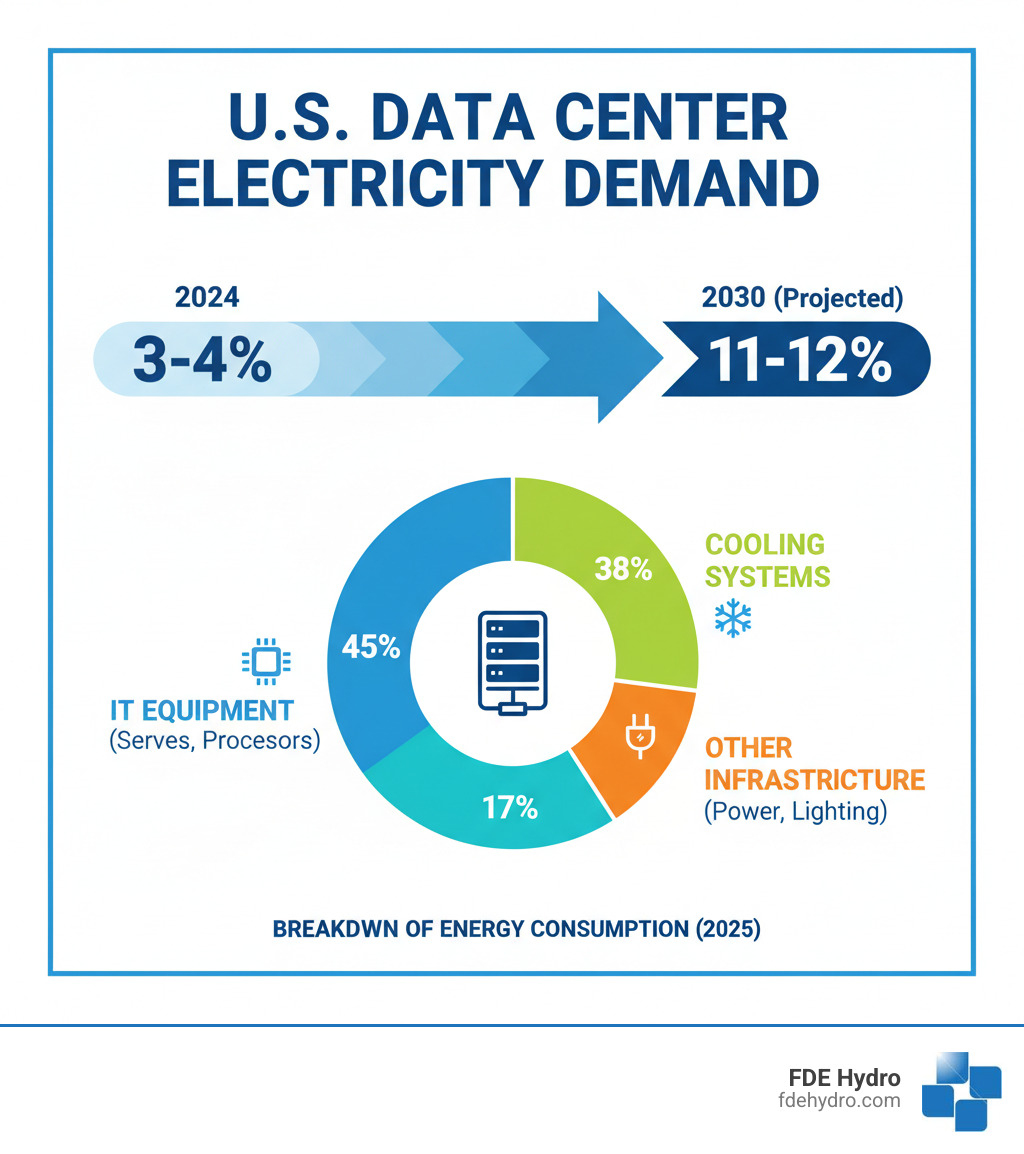
- Projected Growth: U.S. data center electricity demand is expected to triple by 2030, reaching 11-12% of total demand, largely driven by artificial intelligence.
- Primary Energy Uses: 45% for IT equipment (servers, processors) and 38% for cooling systems.
- Environmental Impact: Data centers emitted 105 million metric tons of carbon in 2023, with 56% of their power from fossil fuels.
- Key Solutions: Renewable energy like hydropower, energy-efficient design, and advanced cooling.
The surge in data center workload, accelerated by AI, is straining power grids and reversing decades of energy efficiency gains. In hotspots like Northern Virginia’s “data center alley,” lead times for new power connections now exceed three years, as infrastructure struggles to keep pace.
This challenge, however, presents an opportunity for sustainable innovation. By combining energy-efficient design with reliable renewable energy, we can power the digital economy responsibly. Hydropower and pumped storage hydropower are uniquely positioned to provide the 24/7 firm, dispatchable renewable energy that data centers require, overcoming the intermittency of solar and wind.
I’m Bill French Sr., Founder and CEO of FDE Hydro™, and my five decades in infrastructure and energy have shown me how we can address the data center energy resource challenge. Through scalable, next-generation hydropower solutions, we can build a sustainable digital future.
The Unprecedented Scale of Data Center Energy Consumption
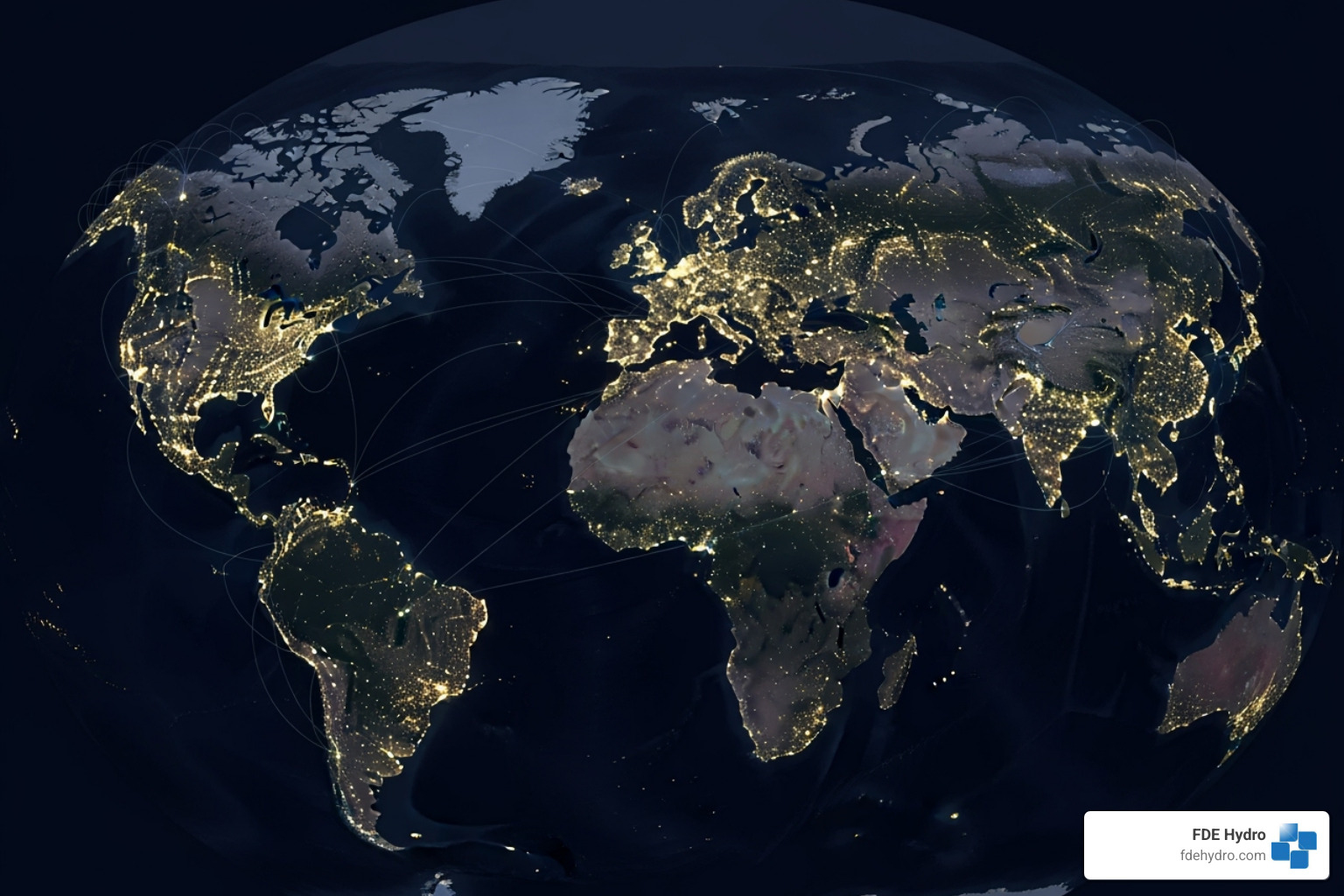
The energy demand from data centers is vast, rivaling entire nations and growing faster than predicted. In 2022, global data centers consumed approximately 460 terawatt-hours (TWh), about 2% of the planet’s total energy consumption. This demand is projected to more than double by 2030.
The United States is at the forefront of this surge. In 2023, U.S. data centers consumed 176 TWh, or 4.4% of the nation’s total electricity. Projections show this could climb to nearly 12% of total U.S. annual demand by 2030. The U.S. is the fastest-growing market, with demand expected to grow at a compound annual rate of roughly 23 percent through 2030. Even in Canada, data centers consume about 1% of the country’s total electricity, a figure that continues to rise.
The Primary Drivers of Energy Use
Understanding where this energy goes is key to managing the data center energy resource challenge.
- IT Equipment (45%): The servers, processors, and storage devices doing the computational work are the biggest consumers. Modern GPUs and CPUs, especially for AI, are incredibly power-intensive.
- Cooling Systems (38%): All that hardware generates immense heat. Sophisticated cooling infrastructure—including air conditioners, chillers, and pumps—is required 24/7 to prevent equipment from overheating.
- Power Infrastructure (17%): The remaining energy powers essential support systems like uninterruptible power supplies (UPS), power distribution units (PDUs), and lighting.
How Different Data Center Types Consume Energy
Energy profiles vary by data center type, but all contribute to the growing demand.
- Hyperscale and Colocation Centers: These massive facilities account for 60-70% of the U.S. data center load. Hyperscale centers, run by large tech companies, are often built for maximum efficiency, using advanced cooling and sourcing renewable energy. Colocation centers offer shared, efficient infrastructure for businesses to rent.
- Enterprise Data Centers: Owned by individual companies for their own use, these represent 20-30% of the load. Efficiency varies widely, and many are migrating to more efficient cloud providers.
- Small-Scale Data Centers: Making up about 10% of the load, these are the server rooms in offices and universities. They are typically less optimized, and migrating their workloads to the cloud or colocation facilities often improves efficiency.
The diversity in data center types requires a range of solutions, but the fundamental need for sustainable power is universal. Reliable renewables like hydropower and pumped storage hydropower are essential to meeting this demand.
The Environmental and Economic Impact of Digital Demand
Our growing digital appetite has a significant real-world cost, measured in carbon emissions, strained power grids, and water consumption. The data center energy resource challenge extends far beyond electricity bills.
Environmentally, the impact is stark. In 2023, data centers emitted 105 million metric tons of carbon, as about 56% of the electricity used to power data centers nationwide still comes from fossil fuels. This growth is straining our power grids; in Northern Virginia, the wait for a new power connection can exceed three years. Furthermore, a single data center uses millions of gallons of water a day for cooling, creating competition for a vital resource in many communities.
Economically, electricity is a major operational expense for data centers, but the industry is also a significant economic driver. Virginia’s data centers, for example, contribute $9.1 billion annually to its economy, and the sector employed about 500,000 people nationwide in 2023. This has spurred major investment in the power value chain, from transmission to renewable energy projects.
A Reversal of Decades of Energy Efficiency
For years, U.S. electricity demand was flat, a success story of energy efficiency policies decoupling economic growth from energy use. That trend is now reversing. Electricity demand is climbing again, and data center demand could surge by 300% over the next decade.
The primary driver is artificial intelligence. The computational power needed for AI dwarfs traditional workloads and is the single biggest factor pushing electricity demand upward. This challenges our grid’s capacity and underscores the need for sustainable power sources like hydropower and pumped storage hydropower to power this growth without erasing our environmental progress.
Key Strategies for a Sustainable Data Center Energy Resource Future
The data center energy resource challenge is solvable with a comprehensive approach combining smart design, operational excellence, and a shift to clean energy. Progress is often measured by Power Usage Effectiveness (PUE), a metric where a score of 1.0 represents perfect efficiency. While modern hyperscale facilities achieve PUEs around 1.1, older centers can be 2.0 or higher, showing significant room for improvement.
Optimizing Data Center Design and Operations
Efficiency starts with smart design and operations. Proven techniques include:
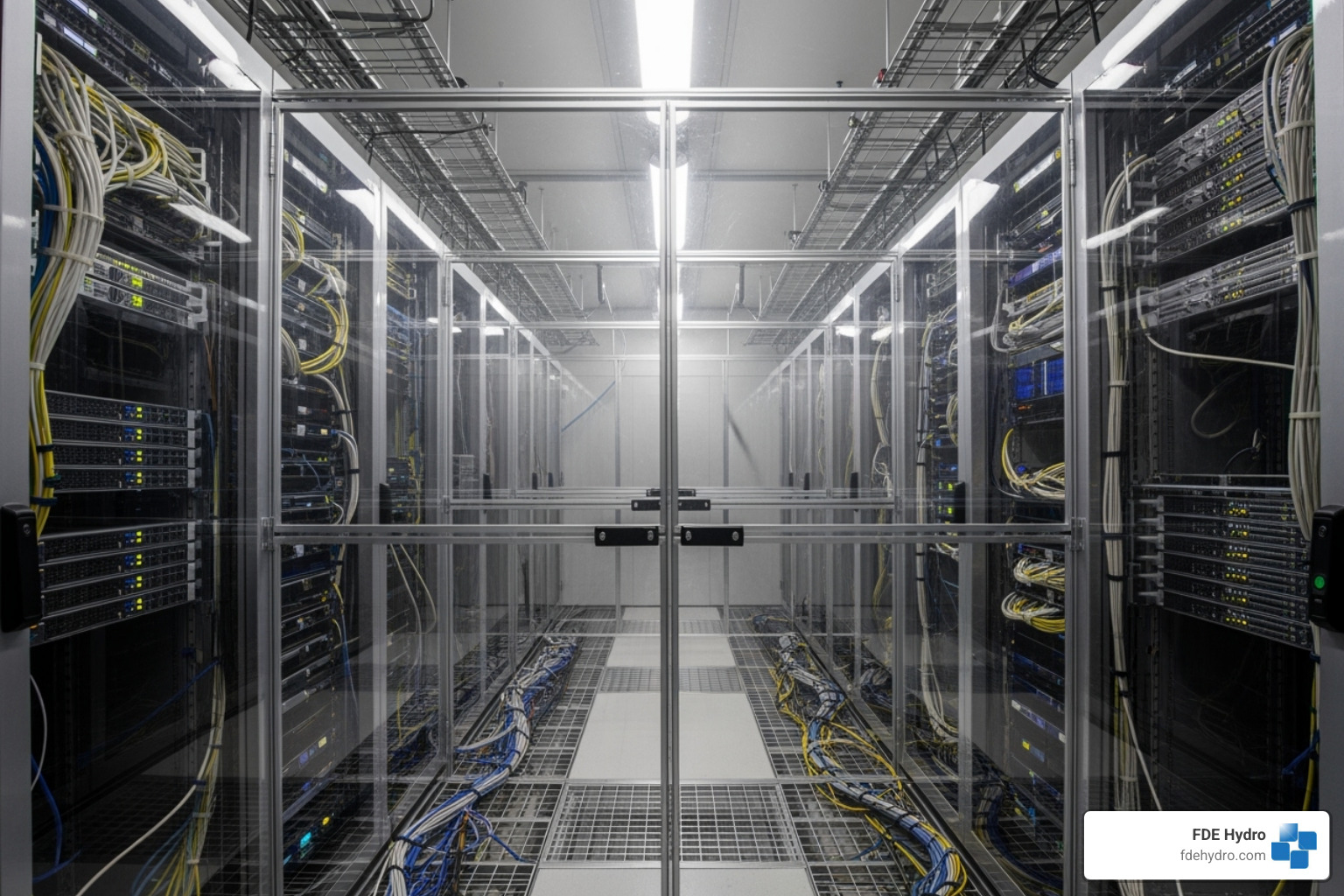
- Hot/Cold Aisle Containment: This simple layout separates cold air intake from hot air exhaust, making cooling systems far more efficient.
- Virtualization and Server Consolidation: Running multiple virtual servers on fewer physical machines reduces hardware needs and energy waste.
- Cloud Migration: Shifting workloads to highly efficient hyperscale cloud providers can offer immediate energy savings for many enterprises.
- Efficient Equipment: Choosing ENERGY STAR certified equipment and following the Department of Energy’s 12 strategies to save energy in data centers can significantly lower lifetime operating costs.
The Critical Role of Renewable Energy
Efficiency improvements are crucial, but the sheer scale of demand requires a change in our energy sources.
Location is key. Siting data centers in regions with abundant renewable energy, like the hydroelectric power in Washington or Oregon, provides a clean energy advantage from day one. For facilities that can’t generate power on-site, Power Purchase Agreements (PPAs) with hydropower producers offer a direct path to clean, price-stable energy.
This brings us to hydropower and pumped storage hydropower. Unlike intermittent renewables like solar and wind, hydropower provides firm, dispatchable power 24/7—exactly what data centers need for uninterrupted operation. Pumped storage acts as a giant, rechargeable battery for the grid, storing excess renewable energy and releasing it on demand. This makes it the perfect partner for achieving ambitious 24/7 carbon-free power goals.
At FDE Hydro, our modular precast concrete technology—the “French Dam”—makes grid-scale hydropower more accessible and affordable by reducing construction costs and timelines. We are actively building the infrastructure to expand clean, reliable hydropower capacity.
Choosing Efficient Hardware and Cooling
Granular choices in hardware and cooling also make a major impact on the data center energy resource footprint.
- Efficient Hardware: Prioritizing the most power-efficient servers, storage, and networking gear available compounds savings at scale.
- Advanced Cooling: Liquid cooling and immersion cooling transfer heat far more efficiently than air, allowing for higher server density and lower energy use. Free cooling uses ambient cold air or water in cooler climates to reduce reliance on mechanical refrigeration.
- Heat Recovery: The most innovative approach captures waste heat from servers and repurposes it for heating local buildings or even generating more electricity, turning a waste product into a valuable resource.
Navigating Future Challenges for the Data Center Energy Resource
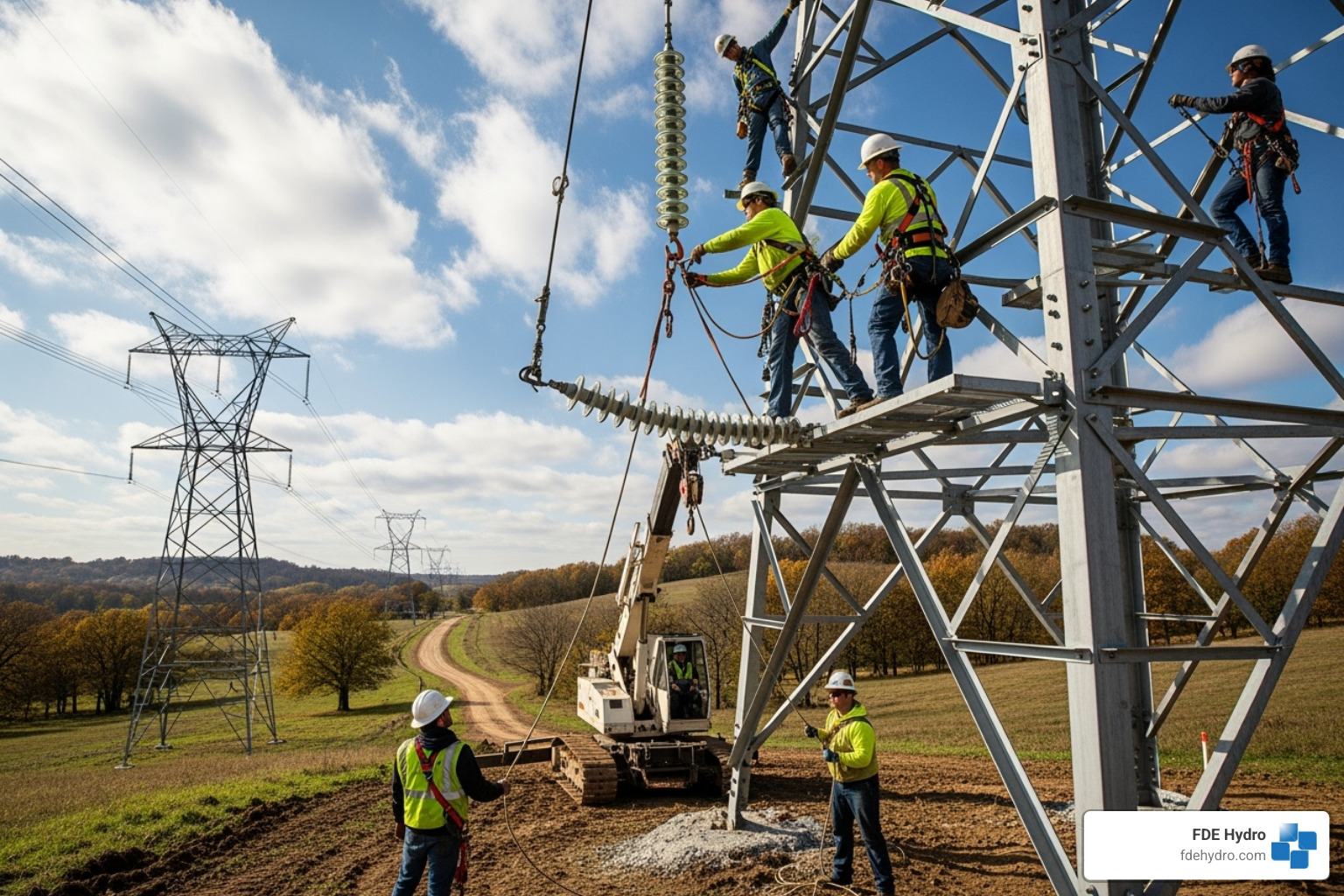
The path to a sustainable data center energy resource future is filled with systemic obstacles. Our electricity grids are struggling to keep up with concentrated, explosive growth. In high-demand areas like Northern Virginia, the wait time to connect a new data center to the grid can be more than three years. Cities like Amsterdam and Dublin have even placed moratoriums on new construction because their grids are at capacity.
These delays are compounded by supply chain bottlenecks for critical equipment like transformers and power distribution units, with lead times stretching to two years or more. Furthermore, a shortage of skilled labor—from electricians to specialized power infrastructure workers—threatens to slow progress even when materials are available.
The AI Effect: A New Data Center Energy Resource Challenge
Artificial intelligence is amplifying these challenges exponentially. While traditional server racks draw 5-10 kilowatts (kW), AI-optimized racks can pull 50-100 kW or more due to power-hungry GPUs. As a result, electricity demand from AI data centers is projected to more than quadruple by 2030. AI alone is expected to account for nearly half of the growth in U.S. electricity demand this decade, pushing energy planning into uncharted territory.
Policy, Regulation, and Collaborative Action
Technology alone is not enough; we need smart policy and collaboration. Government initiatives like the Better Buildings Alliance promote best practices, but systemic change is required.
The primary need is for comprehensive grid modernization policy. This means streamlining permitting for new transmission and generation projects, investing in grid-scale energy storage, and recognizing that reliable renewables like hydropower and pumped storage are essential components of a carbon-free grid. Stronger dialogue between policymakers, the tech sector, and the energy industry is critical to creating frameworks that balance economic growth with environmental responsibility. At FDE Hydro, we see how collaboration accelerates progress, as our innovative technology’s potential is fully realized when supported by forward-thinking regulatory frameworks.
Frequently Asked Questions about Data Center Energy
As the digital world’s energy footprint grows, many are asking important questions about the data center energy resource. Here are straightforward answers to some common queries.
How much electricity do data centers use?
Globally, data centers consumed about 460 TWh in 2022, or 2% of the world’s electricity, with demand projected to double by 2030. In the U.S., they used 176 TWh in 2023 (4.4% of the total), a figure expected to climb to 11-12% of total U.S. demand by 2030, largely due to the rise of AI.
Why do data centers consume so much energy?
Their high energy use stems from two main factors. First, the IT equipment (servers, storage) runs 24/7, accounting for about 45% of energy use. Second, this equipment generates immense heat, requiring constant cooling systems that consume another 38% of the energy. This cycle of computing and cooling makes data centers 10 to 50 times more energy-intensive than typical commercial buildings.
Can data centers run on 100% renewable energy?
Yes, and many are actively pursuing this goal. The key challenge is reliability, as data centers require uninterrupted, 24/7 power. While solar and wind are intermittent, hydropower provides firm, dispatchable power day and night. Pumped storage hydropower complements this by acting as a large-scale battery, storing excess renewable energy and releasing it when needed. This makes hydropower an ideal solution for data centers to achieve true 24/7 carbon-free operations. Our work at FDE Hydro focuses on making this reliable renewable power more accessible through innovative construction technology.
Conclusion
The digital revolution offers incredible benefits, but it comes with a steep energy cost. The data center energy resource challenge is defined by exponential demand growth that is straining our power grids and threatening environmental goals.
However, this pivotal moment also presents a great opportunity for transformative solutions. The path forward is twofold. First, we must maximize efficiency in data center design and operations, from smart layouts and server virtualization to advanced cooling. These are essential steps to reduce waste.
Second, and more critically, we must change where our energy comes from. With AI driving demand at a breathtaking pace, a fundamental shift to clean, reliable power is necessary. This is where hydropower plays a vital role. Unlike intermittent renewables, hydropower delivers the steady, 24/7 electricity that data centers require. Furthermore, Pumped Storage Hydropower acts as a grid-scale battery, providing the stability needed to support a fully renewable energy future.
At FDE Hydro, we are dedicated to making this transition faster and more affordable. Our modular precast concrete technology, the French Dam, significantly cuts the cost and time of hydroelectric projects. We are focused on making sustainable hydropower a practical and accessible solution for powering the digital economy.
With smart policy, continued innovation, and a firm commitment to reliable renewables, we can build a digital future that is both powerful and sustainable. The time to act is now.
Learn more about reliable, renewable hydropower solutions.
